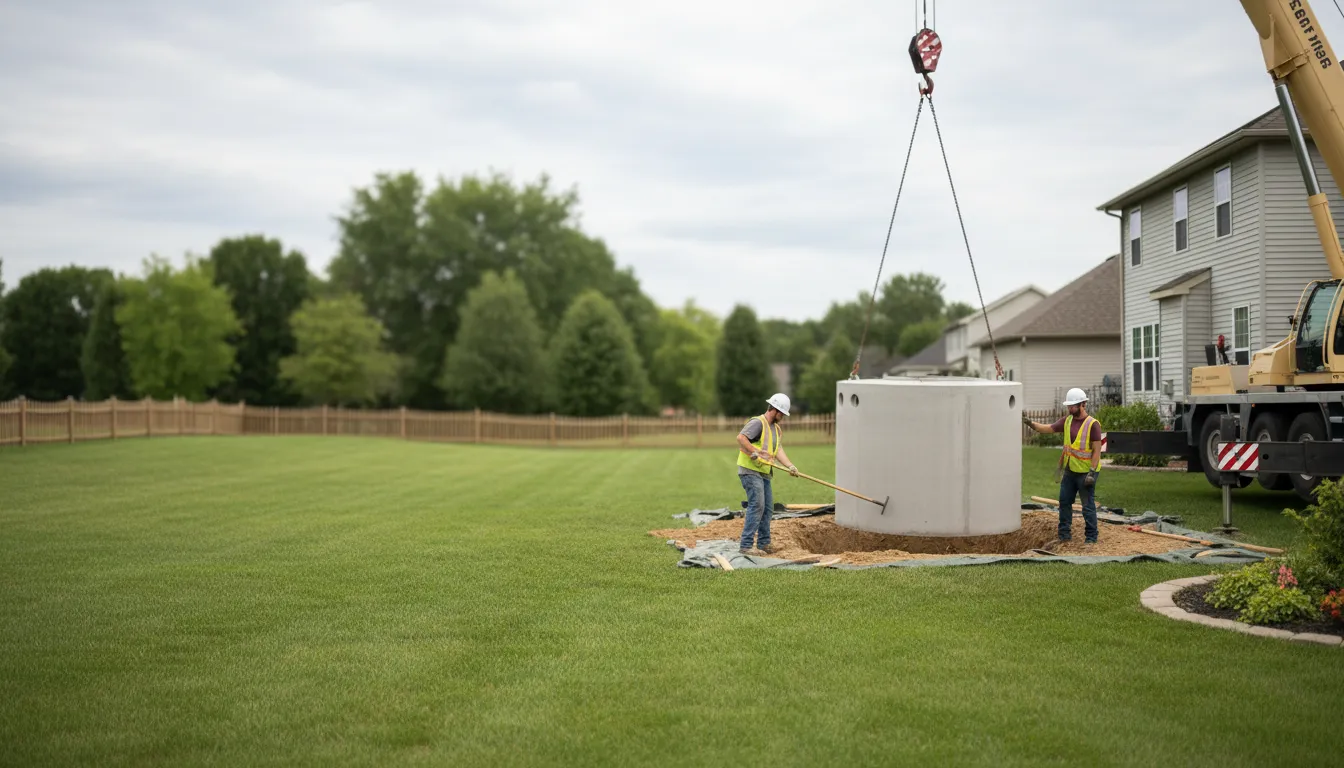
Find the Best Septic Tank Installation & Replacement Contractors for Your Business
No obligation • Fast responses • Nationwide coverage

Why you can trust Septic Spot
Septic Spot is a leading United States resource for understanding and comparing septic services. Our editors review providers using consistent criteria and verify key business details. Listings and scores are independent, and companies cannot pay to influence our content.
Search providers near you
Top Septic Tank Installation & Replacement Contractors in Gilbert, Arizona Ranked
Installing or replacing a septic system is a significant home infrastructure project that requires careful planning, professional expertise, and strict adherence to local regulations. For Gilbert homeowners in areas not served by municipal sewer lines, a properly designed and permitted septic system is essential for managing household wastewater safely and effectively. This guide outlines the key steps, costs, and considerations for septic system work in Gilbert, helping you understand the process and connect with qualified local professionals for your project.

Priority Pumping
2480 S Higley Rd, Gilbert, AZ 85295
Priority Pumping, now operating as HomeField Onsite Environmental, provides septic tank pumping, inspections, and installations in Phoenix, AZ. The company also offers services for grease traps and advanced wastewater management. Their certified technicians deliver tailored solutions to maintain and improve septic and wastewater systems. As a local, woman-owned business, they emphasize education and community support. The team is known for its skilled, certified professionals and positive approach to customer service.
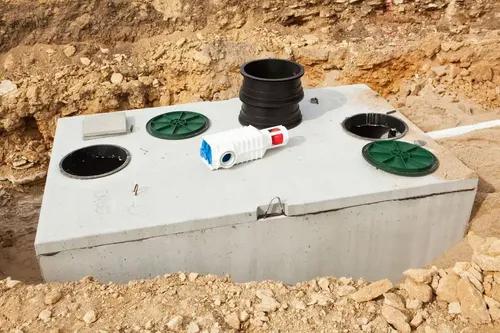
Simply Rooter and Septic Mesa
236 S Alma School Rd, Mesa, AZ 85210
Simply Rooter and Septic Mesa is a family-owned company providing septic system installation, repair, pumping, and inspection services in Phoenix, AZ, and the surrounding areas including Maricopa and Mesa. With over 25 years of experience, they specialize in advanced septic system solutions tailored to local environmental and regulatory conditions. Their services include emergency septic repairs available 24/7, using precise engineering and diagnostic methods to ensure long-term system performance and environmental responsibility.
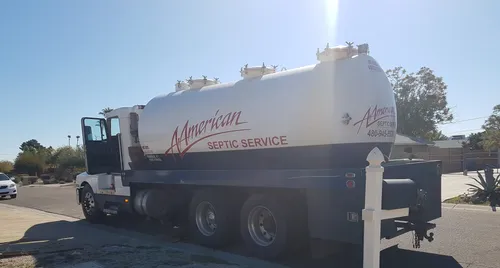
A-American Septic Service
1737 E Jackson St, Phoenix, AZ 85034
A-American Septic Service provides residential and commercial septic tank services in Phoenix, AZ. Their offerings include septic tank inspections, pumping, cleaning, maintenance, repair, installation, and design. The company also handles grease trap cleaning and preventative maintenance. A-American Septic Service works directly with clients to assess and address their septic system needs.
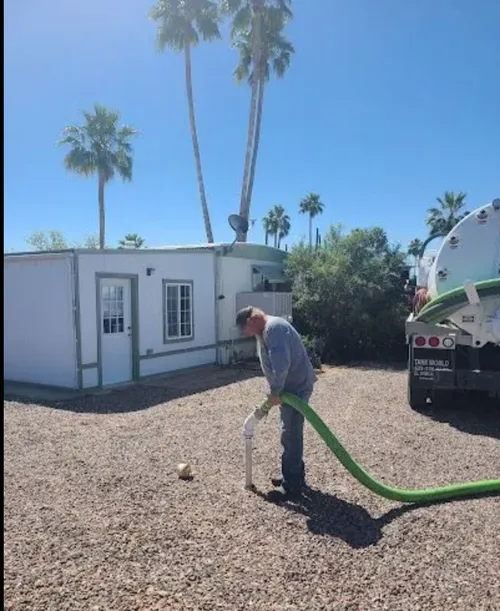
Arizona Pumping
Phoenix, AZ
Arizona Pumping is a septic tank pumping, installation, and repair company serving Phoenix, AZ, and surrounding areas including Apache Junction. Owned and operated by Cade, who has over 30 years of experience, the company offers comprehensive septic services for both residential and commercial clients. Their capabilities include septic system installations, maintenance, repairs, sewer taps, and septic tank excavating. Arizona Pumping focuses on providing personalized, hands-on service with attention to detail, ensuring septic systems operate efficiently and reliably.

Eco Septic Tank Pumping Phoenix
Phoenix, AZ
Eco Septic Tank Pumping Phoenix provides a full range of septic services including pumping, inspection, repair, and installation in Phoenix, AZ. They handle routine septic system cleaning, emergency sewer cleaning, and biological treatments to maintain system health. Their process includes thorough tank inspection and safe waste disposal to licensed facilities. The company also offers septic system repairs and new installations, ensuring compliance with local regulations. Serving Phoenix and surrounding areas, Eco Septic Tank Pumping Phoenix emphasizes regular maintenance to prevent system failures and extend septic system lifespan.
Understanding Septic Systems in Gilbert
A septic system is an on-site wastewater treatment system, typically consisting of a tank and a drain field (or leach field). In Gilbert, where sewer service may be unavailable in some areas, these systems are a common and regulated solution for residential properties. The installation or replacement of a septic tank and its associated components is governed by state and county health codes to protect groundwater and public health. The process is more complex than many other home improvements, involving detailed site evaluations, engineering, and multiple inspections.
The Permit Process: A Two-Phase Approach
Before any digging begins, you must navigate the permit process with Maricopa County Environmental Services Department (MCESD) and, if applicable, the Town of Gilbert. This is a non-negotiable first step.
Phase I: Site and Soils Evaluation This initial application is the foundation of your project. A licensed contractor or a homeowner (for their own primary residence) must submit a Phase I application packet to MCESD. This phase involves a professional site investigation to determine the suitability of your property for a septic system. The goal is to gather the data needed to design a system that will function properly for decades.
Key Requirements for Permit Approval:
- Posted Permit Sign: Once a permit is issued, a 3-foot square sign with the permit number must be prominently posted on the construction site 1.
- Property Marking: Before inspections, the site must be cleared and clearly marked with property corners and the proposed locations for the tank and drain field.
- Compliance with Code: All systems must be installed according to the Arizona Administrative Code (AAC) R18-9-A314, which sets the standards for on-site wastewater treatment 2.
The Critical Role of Soil Testing
The most important factor in designing a septic system is your property's soil. The soil's ability to absorb and treat effluent (liquid wastewater) determines the system's size, type, and layout.
Soil Percolation Tests (Perc Tests) A licensed professional will conduct percolation tests to measure how quickly water drains through the soil in your proposed drain field area. This rate directly impacts the size of the drain field required.
Deep Test Holes In addition to perc tests, the evaluator will dig test holes, typically up to 12 feet deep, to assess the soil profile. They are looking for:
- Soil Depth and Texture: The types of soil layers (sand, clay, loam) and their depth.
- Seasonal High Water Table: The highest level the groundwater reaches, as the drain field must be placed well above this to function and prevent contamination.
- Bedrock or Impermeable Layers: The presence of rock or hardpan that could prevent proper drainage.
The data from these tests is used to create a system design that meets Arizona Department of Environmental Quality (ADEQ) standards and is submitted for county approval 3.
Installation and Replacement Procedures
Once permits are secured and the design is approved, the physical installation can begin. A standard residential system installation typically takes 2 to 4 days of active work 4.
For New Installations:
- Excavation: The tank hole and drain field trenches are dug according to the approved plan.
- Tank Placement: The septic tank (often concrete or plastic) is set into place and leveled.
- Pipe Network Installation: The network of pipes connecting the house to the tank and from the tank to the distribution box and drain field is laid.
- Drain Field Construction: Gravel and perforated pipes are placed in the trenches to form the leach field.
- Backfilling: The system is carefully backfilled with soil.
For System Replacements: Replacing an existing tank or drain field is possible under an "alterations permit," provided the home's bedroom count (which determines system capacity) has not increased. This process often involves removing the old components and following the new installation steps, though it may be constrained by the existing site layout.
Find the perfect septic tank installation & replacement contractors for your needs
Get personalized recommendations and expert advice
Mandatory Inspections
You cannot simply backfill and call the job done. The county requires inspections at critical stages to ensure compliance with the approved plans and codes.
- Site Inspection: This occurs during the Phase I evaluation to verify soil conditions and site layout 5.
- Construction Inspection: This is the most crucial inspection. A Maricopa County inspector must examine the entire installed system-tank, pipes, drain field-before it is covered with soil 6. All inspections must be requested via email through the county's process 7. Failure to pass inspection can lead to costly rework and delays.
Understanding the Costs
The cost of a septic system in Gilbert varies widely based on several factors. For a standard conventional residential system, homeowners can generally expect a total cost range between $5,000 and $20,000 8 9. This wide range accounts for:
- Tank Size: Larger tanks for larger homes cost more.
- Soil Conditions: Poor soil (e.g., high clay content or a high water table) may require a more complex (and expensive) system, like a mound or aerobic treatment unit.
- System Type and Complexity: A basic gravity-fed system is less expensive than a system requiring pumps, advanced treatment, or alternative drain fields.
- Labor and Excavation: The difficulty of the dig and local contractor rates influence the price.
This investment covers the tank, all materials, labor, soil testing, permit fees, and inspections. It's important to get detailed quotes from licensed contractors that break down all these components.
Hiring a Licensed Professional
While Arizona law allows homeowners to install a system on their own primary residence, there are strict limitations. Only a state-licensed septic contractor can perform installation or repair work on a property intended for rental or resale. Hiring a licensed professional is strongly recommended for several reasons:
- Expertise: They understand the complex code requirements and design principles.
- Efficiency: They manage the entire permit and inspection process.
- Guarantee: Their work must meet code standards, and many offer warranties on their installations.
- Future Compliance: Proper documentation from a licensed contractor is valuable for future home sales.
Frequently asked questions
Sources
Footnotes
-
Ordinance No. 2707 - https://mcclibraryfunctions.azurewebsites.us/api/ordinanceDownload/12036/952433/pdf?forceDownload=true ↩
-
Inspecting Your Household Septic System | UA Cooperative Extension - https://extension.arizona.edu/publication/inspecting-your-household-septic-system ↩
-
Installation of a Septic System A-Z - John Todd Co - https://www.toddcompanies.com/post/installation-of-a-septic-system-a-z ↩
-
Complete Septic System Installation: Process, Permits, And ... - https://www.theseptictankman.com/blog/complete-septic-system-installation-process-permits-and-pitfalls ↩
-
SITE INVESTIGATION AND SOILS EVALUATION FOR AN ON - https://www.maricopa.gov/DocumentCenter/View/7427/Phase-I---Site-and-Soils-Evaluation-Instructions-PDF ↩
-
Septic System Installation & Alterations - Priority Pumping - https://prioritypumpingaz.com/septic-system-installations-alterations/ ↩
-
Arizona Septic License & Certification | 2024 Contractor Guide - https://www.servicetitan.com/licensing/septic/arizona ↩
-
How Much Does a Septic System & Septic Tank Cost - NexGen Septics - https://www.nexgenseptics.com/septic-system-cost/ ↩
-
permit requirements for the installation of septic systems - https://www.graham.az.gov/DocumentCenter/View/758/Permit-Requirements-for-the-Installation-of-Septic-Systems-PDF ↩