Find the Best Septic Tank Installation & Replacement Contractors for Your Business
No obligation • Fast responses • Nationwide coverage

Why you can trust Septic Spot
Septic Spot is a leading United States resource for understanding and comparing septic services. Our editors review providers using consistent criteria and verify key business details. Listings and scores are independent, and companies cannot pay to influence our content.
Search providers near you
Top Septic Tank Installation & Replacement Contractors in Glendale, Arizona Ranked
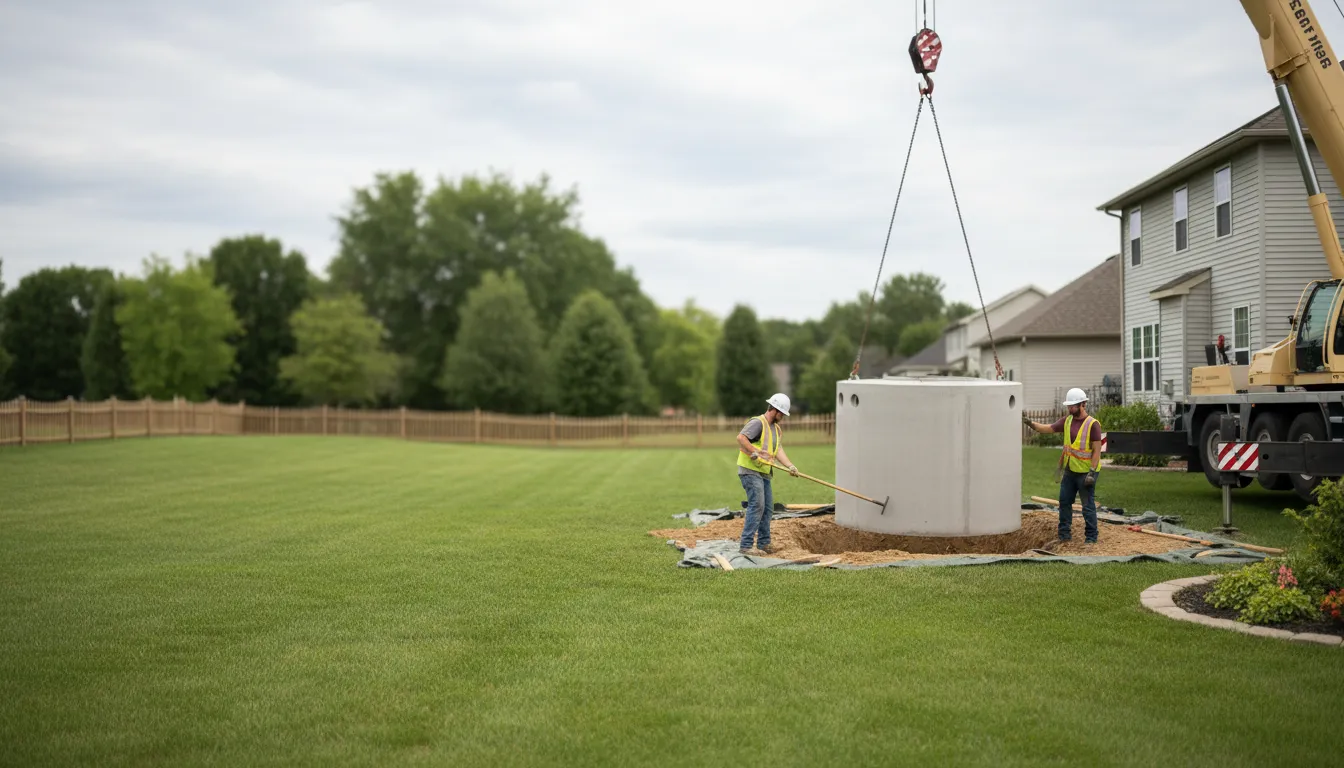
Installing or replacing a septic system is a significant home infrastructure project that requires careful planning, professional expertise, and strict adherence to local regulations. For homeowners in Glendale, Arizona, this process is governed by Maricopa County and state environmental standards to protect public health and groundwater. Whether you're building a new home on a rural lot or upgrading an aging system, understanding the steps, costs, and legal requirements is crucial. This guide provides a detailed overview of the septic system installation and replacement process specific to Glendale, helping you navigate permits, site evaluations, and contractor selection with confidence.
Sewer Time Septic & Drain
33645 N Cave Creek Rd, Cave Creek, AZ 85331
Sewer Time Septic & Drain is a licensed septic and plumbing contractor serving the Phoenix, AZ area. They provide a range of services including septic tank pumping, inspections, system repairs, and full installations for residential and commercial properties. Their certified technicians handle soil and percolation testing, system design, permitting, grease trap cleaning, and lift station maintenance. Sewer Time offers same-day service and 24/7 plumbing support for emergencies and new construction projects.
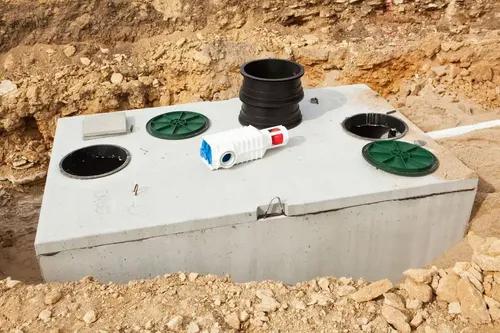
Simply Rooter and Septic Mesa
236 S Alma School Rd, Mesa, AZ 85210
Simply Rooter and Septic Mesa is a family-owned company providing septic system installation, repair, pumping, and inspection services in Phoenix, AZ, and the surrounding areas including Maricopa and Mesa. With over 25 years of experience, they specialize in advanced septic system solutions tailored to local environmental and regulatory conditions. Their services include emergency septic repairs available 24/7, using precise engineering and diagnostic methods to ensure long-term system performance and environmental responsibility.
AZ Septic Works
220 N 4th St Suite 2, Buckeye, AZ 85326
AZ Septic Works is a licensed and ADEQ-certified septic service provider based near Phoenix, AZ. They offer a range of services including septic tank pumping, inspections, repairs, and full system installations for both residential and commercial properties. The company understands local soil conditions and regulations, ensuring compliance and effective system management. AZ Septic Works emphasizes clear communication and tailored maintenance plans to help prevent system failures and maintain long-term functionality. Their expertise covers everything from routine inspections to emergency pumping and new system design and installation.
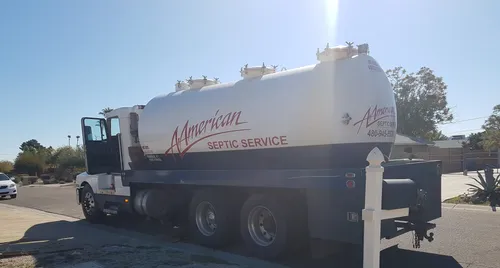
A-American Septic Service
1737 E Jackson St, Phoenix, AZ 85034
A-American Septic Service provides residential and commercial septic tank services in Phoenix, AZ. Their offerings include septic tank inspections, pumping, cleaning, maintenance, repair, installation, and design. The company also handles grease trap cleaning and preventative maintenance. A-American Septic Service works directly with clients to assess and address their septic system needs.
Ducks Septic Pump & Install
826 Monroe Ave #2908, Buckeye, AZ 85326
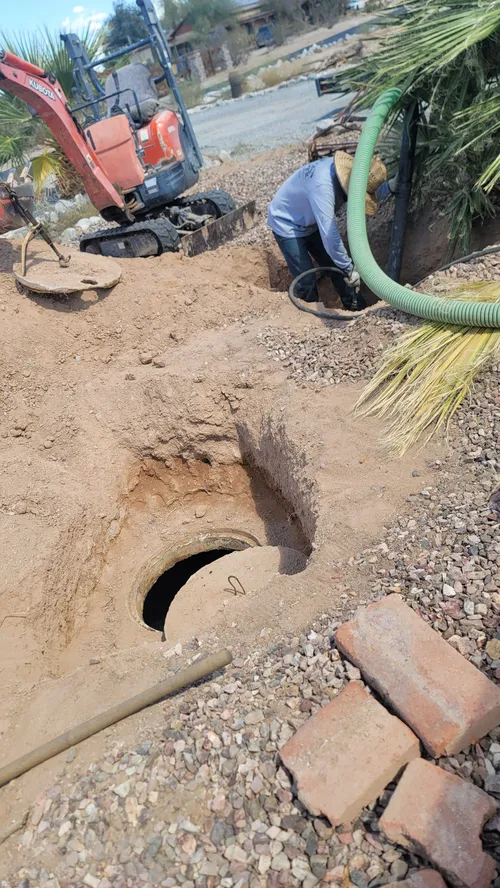
Ducks Septic Pump & Install is a septic service company based in Phoenix, AZ. They offer a range of services including septic tank pumping, inspection, repair, and installation. Their pumping services cover septic tanks, sand traps, grease traps, sewer plants, cooling towers, ponds, pools, storm drains, and other water collection areas. They also handle septic system design, maintenance, repairs, sewer tie-ins, and excavation services.
Understanding the Regulatory Landscape
In Glendale, all septic system installations fall under the jurisdiction of Maricopa County Environmental Services Department, with overarching standards set by the Arizona Department of Environmental Quality (ADEQ) 1. A critical first step is determining if your property is even eligible for a septic system. Arizona law includes a sewer mandate: if a municipal sewer line is available within a specific distance (often 200 feet) and the cost to connect is not prohibitive, you may be legally required to connect to the public sewer instead of installing a private septic system 2 3. This rule aims to reduce the cumulative environmental impact of individual on-site systems.
For properties where a septic system is permissible, the design, manufacturing, and installation must comply with the Arizona Administrative Code, specifically AAC R18-9-A314 4. This code dictates everything from tank construction materials to drainfield sizing. Importantly, the actual installation must be performed by a licensed professional-DIY septic tank installation is not permitted for permanent systems in Maricopa County, as certified installers are required to ensure all code and permit conditions are met.
The First Step: Site and Soils Evaluation
Before any plans are drawn, a professional site investigation and soils evaluation is mandatory. This process, often called a "perc test" (percolation test), determines how quickly water drains through your property's soil. The results are the single most important factor in designing your system.
A licensed evaluator will dig test pits to examine soil texture, structure, and depth to bedrock or groundwater. The percolation rate measured dictates the size and type of drainfield required. Poorly draining soils may require a larger leaching field or even an alternative (non-conventional) system, which can significantly increase costs. This official evaluation report must be submitted as part of your permit application to Maricopa County 5 6.
Navigating the Permit Process
With a soils report in hand, the next phase is obtaining the necessary permits. For a conventional septic system, you apply through Maricopa County Environmental Services. If your site requires an alternative system (like an aerobic treatment unit or mound system), the permit may need to go through ADEQ.
Your application will include an engineered site plan showing the proposed location of the tank, drainfield, and all components relative to property lines, wells, structures, and waterways. Permit fees in Maricopa County typically range from $150 to $500, though they can start around $205-$400 for standard applications. The approval timeline can vary widely, from about 10 business days for straightforward applications to three months or more for complex sites or those requiring additional reviews 7 8.
Find the perfect septic tank installation & replacement contractors for your needs
Get personalized recommendations and expert advice
The Installation Timeline and Key Inspections
Once your permit is approved, installation can begin. A professional septic system installation follows a strict sequence with mandatory inspections at critical stages to ensure compliance with the approved plans.
- Pre-Construction/Design Inspection: An inspector may visit the staked-out site before digging begins to verify the layout.
- Installation Inspection: This is the most crucial check. After the tank and drainage trenches are placed but before they are backfilled with soil, the county inspector must examine the work. They will check tank integrity, pipe placement, gravel levels, and overall construction quality 9.
- Final Inspection: After the system is fully buried and the site is restored, a final inspection is conducted for approval. Passing this inspection provides the official sign-off that your system is operational and compliant 10.
Skipping or failing an inspection can lead to costly rework, fines, or an invalid permit, so coordinating closely with your installer and the county is essential.
Cost Factors for Septic Systems in Glendale
The total cost for septic tank replacement or new installation in the Glendale area is highly variable. For a standard conventional system (tank and drainfield), homeowners can expect to pay between $5,000 and $15,000 or more 11 12. A simple tank replacement might fall in the $3,000 to $10,000 range, while a completely new system for a larger home can reach $20,000+ 13 14.
Key factors influencing price include:
- System Size & Type: Based on home bedroom count and soil perc rate. Conventional systems are most affordable; alternative systems cost significantly more.
- Soil Conditions: Difficult sites with poor drainage, high bedrock, or shallow groundwater require more complex engineering.
- Tank Material: Concrete tanks are common and durable; plastic or fiberglass may have different cost implications.
- Site Accessibility: Easy access for heavy machinery keeps costs down.
- Permit and Design Fees: Include the cost of the soils test, engineering plans, and county permit fees.
Choosing a Qualified Installation Professional
Selecting the right contractor is paramount. Always choose a licensed, insured professional with extensive experience in Maricopa County. They should handle the permit process, coordinate inspections, and provide clear contracts detailing costs, timelines, and warranties. Verify their license status and ask for references from recent projects in the area. A reputable installer will be transparent about the entire process, from the initial site evaluation to the final inspection paperwork.
Maintaining Your New Septic Investment
After a successful installation, proper maintenance is key to a long system life. This includes regular pumping (typically every 3-5 years), conserving water to avoid overloading the drainfield, and avoiding flushing harmful chemicals or non-biodegradable materials. The University of Arizona Cooperative Extension provides excellent guidelines for inspecting and maintaining your household system. A well-maintained septic system can last for decades, protecting your property value and the local environment.
Frequently asked questions
Sources
Footnotes
-
Arizona Septic Tank Requirements - https://www.ntotank.com/blog/arizona-septic-tank-requirements ↩
-
DIY Septic Tank Installation - HomeField East Valley - https://www.homefieldonsite.com/east-valley/diy-septic-tank-installation/ ↩
-
permit requirements for the installation of septic systems - https://www.graham.az.gov/DocumentCenter/View/758/Permit-Requirements-for-the-Installation-of-Septic-Systems-PDF ↩
-
Ariz. Admin. Code § R18-9-A314 - Septic Tank Design, Manufacturing, and Installation for On-site Wastewater Treatment Facilities | State Regulations - https://www.law.cornell.edu/regulations/arizona/Ariz-Admin-Code-SS-R18-9-A314 ↩
-
SITE INVESTIGATION AND SOILS EVALUATION FOR AN ON - https://www.maricopa.gov/DocumentCenter/View/7427/Phase-I---Site-and-Soils-Evaluation-Instructions-PDF ↩
-
Frequently Asked Questions - CivicPlus.CMS.FAQ - https://www.maricopa.gov/2564/Onsite-Wastewater-Septic-Systems-FAQs ↩
-
Septic System Install Timeline | RCI Septic Service - https://www.rciseptic.com/complete-step-by-step-timeline-septic-system-installation-from-permit-to-finish ↩
-
Soils & Perc Testing Phoenix AZ | Septic Site Evaluation | SewerTime - https://sewertime.com/septic-services/site-design/ ↩
-
Article II. Sewage System Construction - https://codelibrary.amlegal.com/codes/pimacounty/latest/pimacounty_az/0-0-0-2383 ↩
-
Septic System Construction - Yavapai, AZ - https://www.yavapaiaz.gov/Development-and-Permits/Development-Services/Environmental-Services-Unit/Septic-System-Construction ↩
-
Understanding Septic Tank Permits and Regulations - https://westcoastsanitationinc.com/understanding-septic-tank-permits-and-regulations/ ↩
-
Cost to Install a Septic System in Phoenix [2026 Data] - Angie's List - https://www.angi.com/articles/what-does-it-cost-install-septic-system/az/phoenix ↩
-
How Much Does a Septic System & Septic Tank Cost - NexGen Septics - https://www.nexgenseptics.com/septic-system-cost/ ↩
-
Inspecting Your Household Septic System | UA Cooperative Extension - https://extension.arizona.edu/publication/inspecting-your-household-septic-system ↩