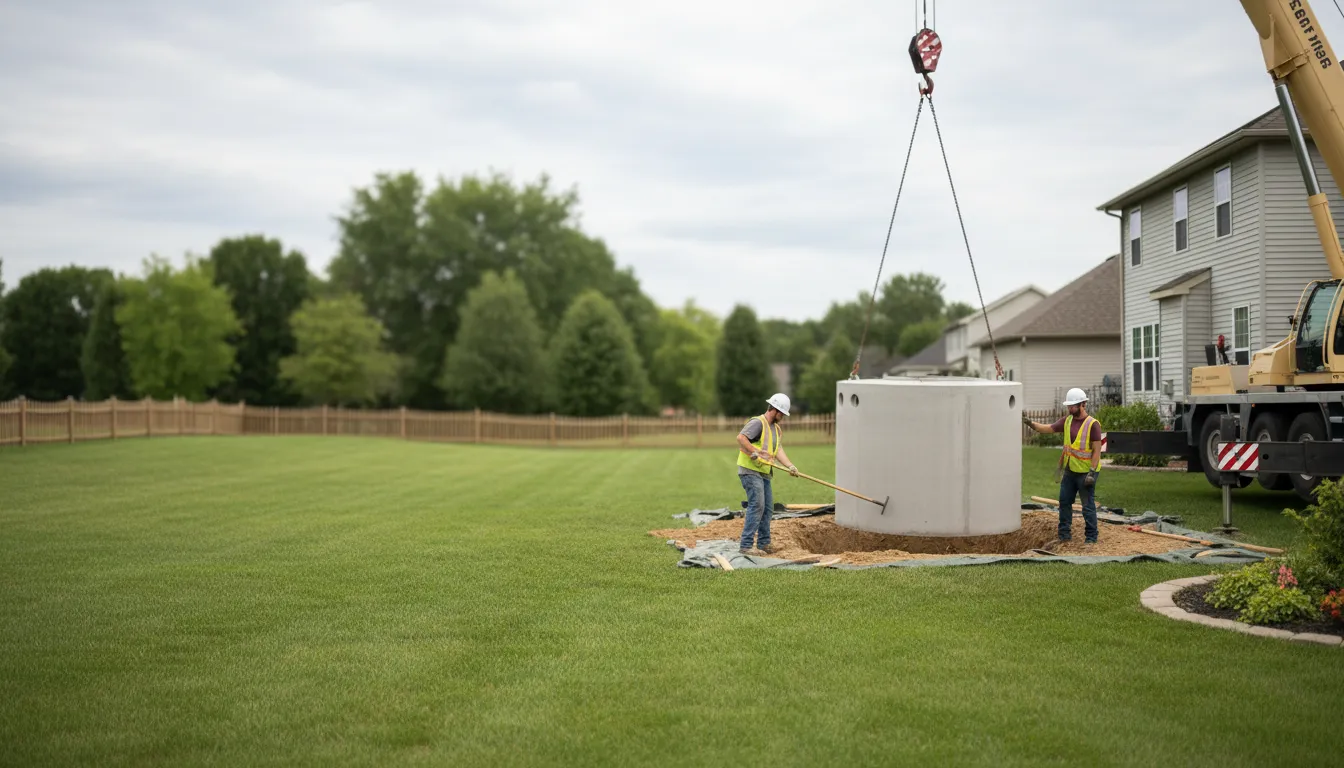
Find the Best Septic Tank Installation & Replacement Contractors for Your Business
No obligation • Fast responses • Nationwide coverage

Why you can trust Septic Spot
Septic Spot is a leading United States resource for understanding and comparing septic services. Our editors review providers using consistent criteria and verify key business details. Listings and scores are independent, and companies cannot pay to influence our content.
Search providers near you
Top Septic Tank Installation & Replacement Contractors in Maricopa, Arizona Ranked
Installing or replacing a septic system is a significant investment in your property's long-term functionality and environmental health. For homeowners in Maricopa, this process involves navigating specific county regulations, soil evaluations, and professional installation to ensure a safe and effective wastewater treatment solution. This guide explains the key steps, costs, and local requirements for septic system work, helping you understand what to expect and how to connect with qualified local professionals for your project.
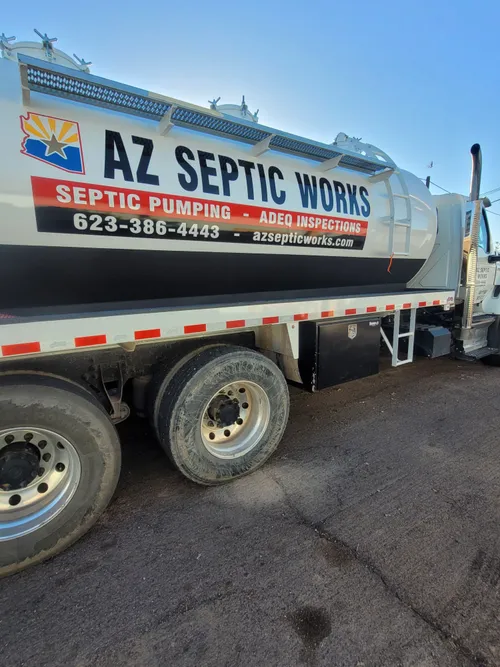
AZ Septic Works
220 N 4th St Suite 2, Buckeye, AZ 85326
AZ Septic Works is a licensed and ADEQ-certified septic service provider based near Phoenix, AZ. They offer a range of services including septic tank pumping, inspections, repairs, and full system installations for both residential and commercial properties. The company understands local soil conditions and regulations, ensuring compliance and effective system management. AZ Septic Works emphasizes clear communication and tailored maintenance plans to help prevent system failures and maintain long-term functionality. Their expertise covers everything from routine inspections to emergency pumping and new system design and installation.
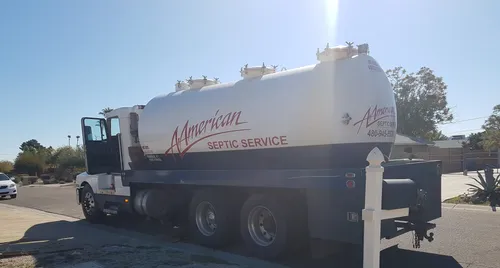
A-American Septic Service
1737 E Jackson St, Phoenix, AZ 85034
A-American Septic Service provides residential and commercial septic tank services in Phoenix, AZ. Their offerings include septic tank inspections, pumping, cleaning, maintenance, repair, installation, and design. The company also handles grease trap cleaning and preventative maintenance. A-American Septic Service works directly with clients to assess and address their septic system needs.
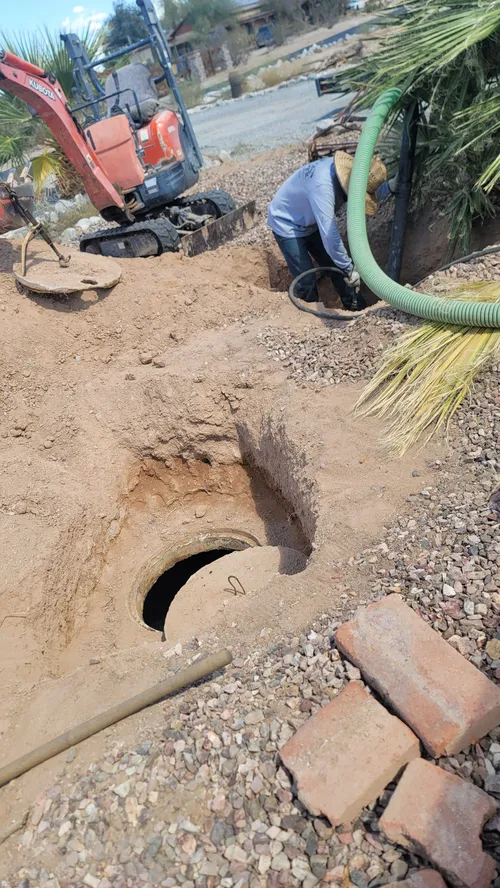
Ducks Septic Pump & Install
826 Monroe Ave #2908, Buckeye, AZ 85326
Ducks Septic Pump & Install is a septic service company based in Phoenix, AZ. They offer a range of services including septic tank pumping, inspection, repair, and installation. Their pumping services cover septic tanks, sand traps, grease traps, sewer plants, cooling towers, ponds, pools, storm drains, and other water collection areas. They also handle septic system design, maintenance, repairs, sewer tie-ins, and excavation services.
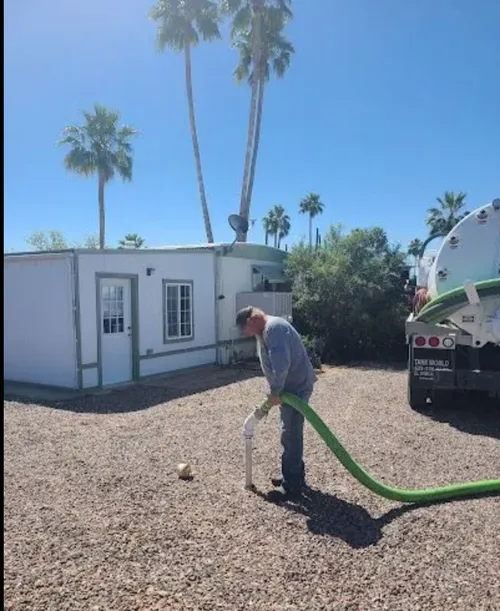
Arizona Pumping
Phoenix, AZ
Arizona Pumping is a septic tank pumping, installation, and repair company serving Phoenix, AZ, and surrounding areas including Apache Junction. Owned and operated by Cade, who has over 30 years of experience, the company offers comprehensive septic services for both residential and commercial clients. Their capabilities include septic system installations, maintenance, repairs, sewer taps, and septic tank excavating. Arizona Pumping focuses on providing personalized, hands-on service with attention to detail, ensuring septic systems operate efficiently and reliably.

Eco Septic Tank Pumping Phoenix
Phoenix, AZ
Eco Septic Tank Pumping Phoenix provides a full range of septic services including pumping, inspection, repair, and installation in Phoenix, AZ. They handle routine septic system cleaning, emergency sewer cleaning, and biological treatments to maintain system health. Their process includes thorough tank inspection and safe waste disposal to licensed facilities. The company also offers septic system repairs and new installations, ensuring compliance with local regulations. Serving Phoenix and surrounding areas, Eco Septic Tank Pumping Phoenix emphasizes regular maintenance to prevent system failures and extend septic system lifespan.
Understanding the Septic System Process in Maricopa County
The journey to a new septic system in Maricopa is governed by the Maricopa County Environmental Services Department (MCESD). All installations and major replacements require a Type 4 General Permit, which begins with a formal Notice of Intent (NOI). This isn't a simple DIY project; it's a multi-stage process designed to protect groundwater and public health by ensuring the system is correctly sized and sited for your specific property conditions. The standard path involves a site evaluation, permit application, system design, installation, and final inspections before the system can be used.
Step 1: The Critical Site Evaluation and Soil Test
Before any plans are drawn, a certified professional must conduct a thorough site investigation. This is the most crucial step, as the soil's ability to absorb and treat wastewater determines the entire system's design.
- Percolation Test: Often called a "perc test," this measures how quickly water drains through your soil. The test requires digging three holes, typically 12 feet deep-two in the proposed primary drain field area and one in a reserve area 1 2. The results dictate whether a conventional septic system (using a leach field) or a more advanced alternative system is necessary.
- Property Survey: The evaluator will also map your property lines and identify all relevant features. Accurate setbacks from property lines, wells, buildings, and waterways are legally required for the system's placement.
This phase typically costs between $700 and $2,000, while a formal land survey can add $330 to $900.
Step 2: Submitting Your Notice of Intent and Gaining Plan Approval
With the site evaluation complete, your septic designer or installer will prepare the official system design and submit the Notice of Intent to Construct to MCESD. This application packet includes the soil report, design plans, and applicable fees. The county reviews the submission to ensure it complies with all Type 4 General Permit standards, particularly the current 4.02-4.23 regulations, which even replacement systems must meet. Only after you receive formal authorization can you proceed to construction.
Step 3: Preparing for Installation Day
Proper preparation ensures a smooth installation process. Once your permit is approved, there are a few key tasks:
- Call 811: Arizona law requires you to call Arizona 811 at least two working days before any digging. This free service marks the location of underground utility lines to prevent damage and ensure safety 3.
- Site Marking: Clearly identify your property corners and the pre-dug test holes for the county inspector.
- Choosing an Installer: You must hire a licensed septic system installer to perform the actual construction. They will handle the excavation, placement of the tank (typically 1,000-1,500 gallons for a residential home), and construction of the drain field.
Find the perfect septic tank installation & replacement contractors for your needs
Get personalized recommendations and expert advice
Step 4: Construction, Inspections, and Final Approval
The licensed installer will construct the system according to the approved plans. This stage is closely monitored through mandatory inspections:
- Pre-Construction Site Visit: An MCESD inspector may visit after the test holes are dug to verify the site conditions.
- Final Inspection: This is the most important inspection, conducted before the drain field is covered with soil. The inspector will visually check the tank for integrity, inspect inlet and outlet baffles, and examine the drain field components 4 5 6. Passing this inspection is mandatory.
- System Backfill: Only after the final inspection is passed can the installer backfill the trenches and tank area.
Following a successful final inspection, you will receive a Notice of Intent to Discharge, which is your final approval to begin using the new septic system 7.
Understanding the Costs of Septic System Installation
The total cost for a new septic system in the Maricopa area is highly variable, primarily dependent on soil conditions and system type. A conventional system on suitable soil is generally less expensive than an advanced treatment system required for poor-draining soils.
- System Installation: The physical installation of the tank and drain field typically ranges from $5,000 to $12,000.
- Total Project Cost: When you factor in the site evaluation, design, permitting, and inspections, the total cost for a standard residential system most commonly falls between $5,000 and $20,000 8 9 10. It's essential to get detailed quotes that include all phases of the project, not just the excavation and tank placement.
Key Regulations and Considerations for Maricopa Homeowners
- Setback Requirements: Your system must be placed specific distances from property lines, wells, structures, and waterways. These setbacks are non-negotiable and are verified during the planning and inspection phases 11.
- Replacement Systems: If you are replacing a failing system, you cannot simply install a replica of the old one. The new system must be designed to meet current Type 4.02-4.23 general permit standards, which often means an upgrade 12 13.
- Professional Partnership: Given the regulatory complexity, partnering with an experienced, licensed local installer is invaluable. They will guide you through the county's requirements and ensure your system is built to last.
Frequently asked questions
Sources
Footnotes
-
Soils & Perc Testing Phoenix AZ | Septic Site Evaluation - https://sewertime.com/septic-services/site-design/ ↩
-
What Are ADEQ Septic Inspections...and Why Do You Need ... - https://www.facebook.com/groups/1869577553297434/posts/4161344720787361/ ↩
-
How to Prepare Your Property for Septic System Installation - https://www.grossseptic.com/blog/how-to-prepare-your-property-for-septic-system-installation/ ↩
-
Onsite Wastewater Forms / Applications | Maricopa County, AZ - https://www.maricopa.gov/2495/Onsite-Wastewater-Forms-Applications ↩
-
Professional Septic Inspection in Southern Arizona: What to Expect - https://www.grossseptic.com/blog/professional-septic-inspection-in-southern-arizona/ ↩
-
What Arizona Homebuyers Should Know About Septic Inspections - https://tucsonsepticsystems.com/septic/what-arizona-homebuyers-should-know-about-septic-inspections/ ↩
-
ATC Application Packet - https://www.maricopa.gov/DocumentCenter/View/7438/Phase-II---Conventional-System-Design-Instructions-PDF ↩
-
SITE INVESTIGATION AND SOILS EVALUATION FOR AN ON - https://www.maricopa.gov/DocumentCenter/View/7427/Phase-I---Site-and-Soils-Evaluation-Instructions-PDF ↩
-
Cost to Install a Septic System in Phoenix [2026 Data] - Angie's List - https://www.angi.com/articles/what-does-it-cost-install-septic-system/az/phoenix ↩
-
How Much Does a Septic System & Septic Tank Cost - NexGen Septics - https://www.nexgenseptics.com/septic-system-cost/ ↩
-
Septic Tank Plans: A Complete Homeowner's Guide - https://landperc.com/septic-tank-plans-guide/ ↩
-
WQD | Permit | OSWW Type 4.02 - 4.23 GP | ADEQ - http://azdeq.gov/wqd-permit-osww-type-402-423-gp ↩
-
Frequently Asked Questions - CivicPlus.CMS.FAQ - https://www.maricopa.gov/2564/Onsite-Wastewater-Septic-Systems-FAQs ↩