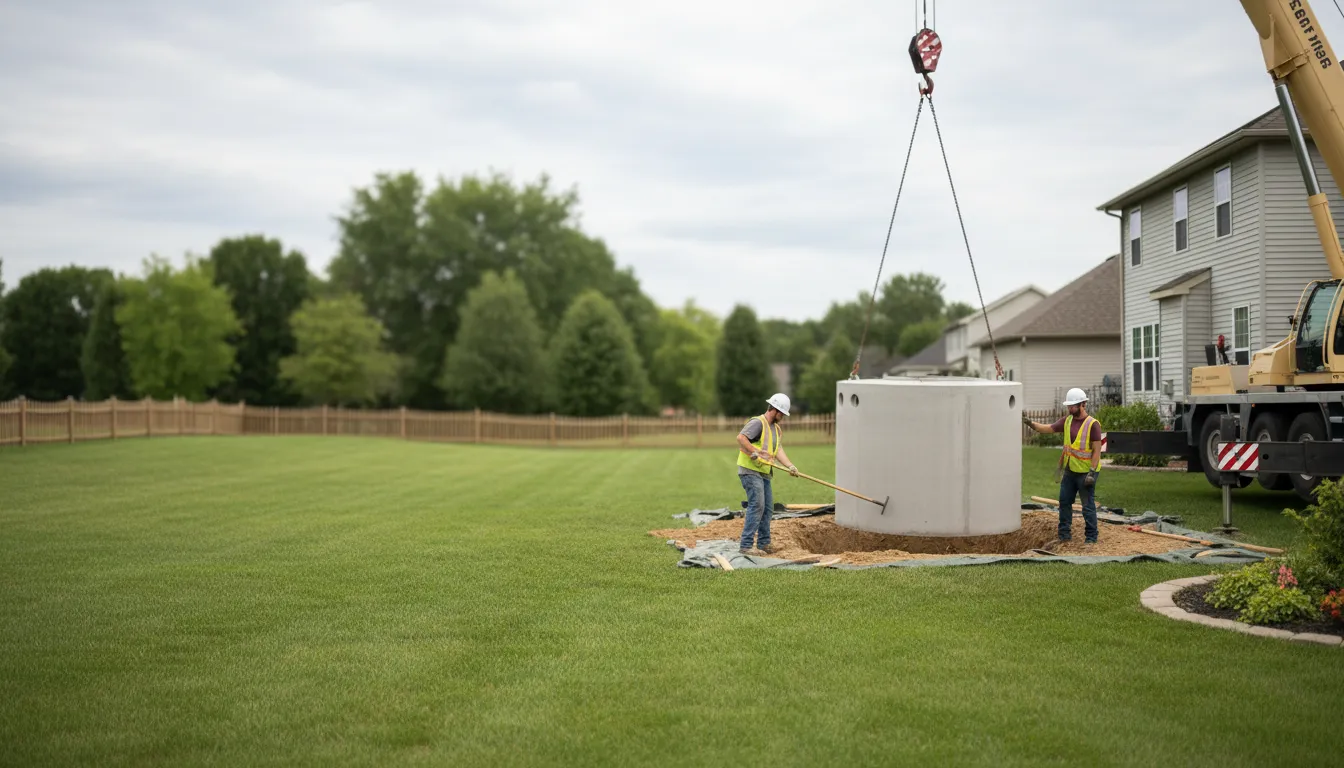
Find the Best Septic Tank Installation & Replacement Contractors for Your Business
No obligation • Fast responses • Nationwide coverage

Why you can trust Septic Spot
Septic Spot is a leading United States resource for understanding and comparing septic services. Our editors review providers using consistent criteria and verify key business details. Listings and scores are independent, and companies cannot pay to influence our content.
Search providers near you
Top Septic Tank Installation & Replacement Contractors in Queen Creek, Arizona Ranked
Installing or replacing a septic system is a significant investment in your Queen Creek property's long-term functionality and value. This process involves navigating specific local regulations, conducting critical soil evaluations, and ensuring professional installation to protect your home and the local environment. This guide will help you understand the steps, requirements, and key considerations for septic system work in Queen Creek, empowering you to make informed decisions and connect with qualified local professionals.

Priority Pumping
2480 S Higley Rd, Gilbert, AZ 85295
Priority Pumping, now operating as HomeField Onsite Environmental, provides septic tank pumping, inspections, and installations in Phoenix, AZ. The company also offers services for grease traps and advanced wastewater management. Their certified technicians deliver tailored solutions to maintain and improve septic and wastewater systems. As a local, woman-owned business, they emphasize education and community support. The team is known for its skilled, certified professionals and positive approach to customer service.
Canyon State Septic LLC
Phoenix, AZ
Canyon State Septic LLC is a septic service provider located in Phoenix, AZ. The company offers a range of services including septic tank pumping, inspections for certified transfer of ownership, installations, excavation, and septic pump repair or replacement. They hold certifications such as NAWT# 14870ITC and ADEQ# 2673, indicating compliance with industry standards.
Simply Rooter and Septic Mesa
236 S Alma School Rd, Mesa, AZ 85210
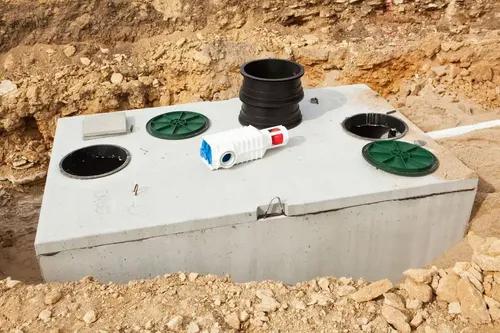
Simply Rooter and Septic Mesa is a family-owned company providing septic system installation, repair, pumping, and inspection services in Phoenix, AZ, and the surrounding areas including Maricopa and Mesa. With over 25 years of experience, they specialize in advanced septic system solutions tailored to local environmental and regulatory conditions. Their services include emergency septic repairs available 24/7, using precise engineering and diagnostic methods to ensure long-term system performance and environmental responsibility.
A-American Septic Service
1737 E Jackson St, Phoenix, AZ 85034
A-American Septic Service provides residential and commercial septic tank services in Phoenix, AZ. Their offerings include septic tank inspections, pumping, cleaning, maintenance, repair, installation, and design. The company also handles grease trap cleaning and preventative maintenance. A-American Septic Service works directly with clients to assess and address their septic system needs.
Arizona Pumping
Phoenix, AZ
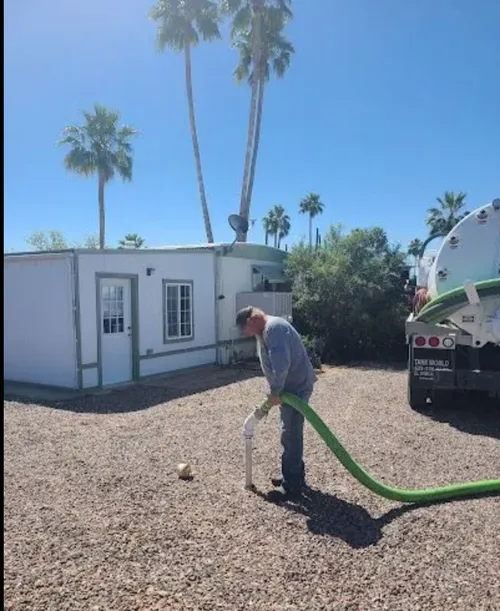
Arizona Pumping is a septic tank pumping, installation, and repair company serving Phoenix, AZ, and surrounding areas including Apache Junction. Owned and operated by Cade, who has over 30 years of experience, the company offers comprehensive septic services for both residential and commercial clients. Their capabilities include septic system installations, maintenance, repairs, sewer taps, and septic tank excavating. Arizona Pumping focuses on providing personalized, hands-on service with attention to detail, ensuring septic systems operate efficiently and reliably.
Understanding the Regulatory Landscape in Maricopa County
All septic system installation and replacement projects in Queen Creek fall under the jurisdiction of the Arizona Department of Environmental Quality (ADEQ) and Maricopa County Environmental Services. The primary regulatory framework is the Arizona Administrative Code (AAC) R18-9-A314, which sets the standards for onsite wastewater treatment. You cannot simply hire an installer and begin digging; the process is governed by a formal permitting sequence designed to ensure public health and environmental safety.
The first step for any property owner is determining which agency handles your permit. Typically, ADEQ manages the permit review and approval process, while local county officials may conduct inspections. It is crucial to confirm this early, as submitting paperwork to the wrong office can cause significant delays. The entire process, from initial soil testing to final authorization, is methodical and requires patience and attention to detail.
The Critical First Step: Professional Soil & Site Evaluation
Before any system design can be created, a licensed professional must conduct a comprehensive soil evaluation and percolation (perc) test on your property. This is not a mere formality; it is a mandatory requirement that dictates the entire project. The evaluator will typically dig several test pits to analyze soil composition, depth to bedrock, and seasonal groundwater levels.
The key outcome of this evaluation is the Soil Absorption Rate (SAR), which measures how quickly water drains through the soil 1. This rate directly determines what type of septic system your land can support:
- Conventional Systems: Suitable for soils with good drainage. These often use a standard septic tank and a leach field (drain field) made of perforated pipe in gravel trenches or plastic chambers.
- Alternative/Engineered Systems: Required for soils with poor drainage, high groundwater, or small lot sizes. These systems include advanced treatment technologies like aerobic treatment units (ATUs), sand filters, or drip irrigation fields.
The results of your soil test are generally valid for 2 to 5 years, providing a window to complete the design and permitting process 2. Investing in a thorough, professional evaluation upfront can prevent costly redesigns or system failures later.
Designing Your Septic System
With a valid soil report in hand, a qualified designer or septic contractor can create the system plans. The design is based on two primary factors: the soil's absorption capacity and the estimated wastewater flow from your home, which is calculated using the number of bedrooms. A standard three-bedroom home will have a different system size requirement than a five-bedroom home.
The design must comply precisely with Arizona and Maricopa County codes. It will specify the tank size, the type and size of the leach field or alternative treatment component, and the exact placement on your property, considering setbacks from wells, property lines, and structures. This engineered plan becomes the blueprint for both the permit application and the physical installation.
The Permitting Process: Notice of Intent to Notice of Discharge
The formal permitting process is a multi-stage journey:
- Submit Notice of Intent (NOI): The completed system design and application forms, known as a Notice of Intent to Construct, are submitted to ADEQ for review.
- Permit Approval: Once ADEQ approves the NOI, you receive authorization to proceed with construction. Be aware that this permit is typically valid for two years, meaning installation must be completed within that timeframe.
- Pay Fees: Permit fees are required. For example, fees for a system modification can be around $205, while reviews for new installations may be higher.
Find the perfect septic tank installation & replacement contractors for your needs
Get personalized recommendations and expert advice
Installation, Inspections, and Final Approval
Once permitted, a licensed septic installer can begin construction. The installation of a conventional system can take approximately 16 hours or more, depending on complexity 3. Crucially, the work must be inspected at specific milestones by a certified agent:
- Pre-Construction/Staking Inspection: Verifies the installation site matches the approved plan before digging begins.
- Construction/Trenching Inspection: Occurs after the tank and leach field trenches are excavated but before any components are placed or backfilled. The inspector verifies dimensions, depths, and soil conditions 4.
- Final Inspection: After the system is fully installed, a final inspection ensures everything is built to code. This includes mandatory watertight testing of the tank 5 6.
After passing the final inspection, the installer or homeowner must submit a Notice of Discharge to the permitting agency. This final piece of paperwork grants the official Authorization to Operate your new septic system 7 8.
Cost Considerations for Queen Creek Homeowners
The total cost for a new septic system installation in Queen Creek can vary widely based on system type and site conditions. A standard conventional septic system for a typical home often ranges from approximately $5,000 to over $10,000 9 10. Several factors influence this cost:
- System Type: Alternative engineered systems (like aerobic systems) are significantly more expensive than conventional leach field systems due to added mechanical components and complexity.
- Soil and Site Work: Difficult terrain, rocky soil, or the need for extensive grading can increase excavation costs.
- Tank Size and Material: Larger tanks or tanks made of concrete versus plastic have different price points.
- Permitting and Design Fees: Include costs for the soil test, system design engineering, and county/state permit fees.
Maintaining Your New Septic Investment
A properly installed system is just the beginning. Protecting your investment requires regular maintenance, including periodic pumping of the tank (typically every 3-5 years), conserving water, and avoiding flushing harmful chemicals or non-biodegradable materials. Understanding what goes into your system is key to ensuring it operates trouble-free for decades.
Frequently asked questions
Sources
Footnotes
-
Perc Test for Septic System: A Complete Guide - https://landperc.com/perc-test-for-septic-system/ ↩
-
Septic System Installation & Alterations - Priority Pumping - https://prioritypumpingaz.com/septic-system-installations-alterations/ ↩
-
Septic Systems Reports, Regulations, Guidance, and Manuals - EPA - https://www.epa.gov/septic/septic-systems-reports-regulations-guidance-and-manuals ↩
-
WQD | Permit | OSWW Type 4.02 - 4.23 GP - ADEQ - http://azdeq.gov/wqd-permit-osww-type-402-423-gp ↩
-
What Are ADEQ Septic Inspections...and Why Do You Need One? 🤔 ... - https://www.facebook.com/groups/1869577553297434/posts/4161344720787361/ ↩
-
permit requirements for the installation of septic systems - https://www.graham.az.gov/DocumentCenter/View/758/Permit-Requirements-for-the-Installation-of-Septic-Systems-PDF ↩
-
Arizona Septic Tank Requirements - https://www.ntotank.com/blog/arizona-septic-tank-requirements ↩
-
Septic Systems - Cochise County - https://www.cochise.az.gov/898 ↩
-
Soils & Perc Testing Phoenix AZ | Septic Site Evaluation - https://sewertime.com/septic-services/site-design/ ↩
-
SITE INVESTIGATION AND SOILS EVALUATION FOR AN ON - https://www.maricopa.gov/DocumentCenter/View/7427/Phase-I---Site-and-Soils-Evaluation-Instructions-PDF ↩