
Find the Best Septic Tank Installation & Replacement Contractors for Your Business
No obligation • Fast responses • Nationwide coverage

Why you can trust Septic Spot
Septic Spot is a leading United States resource for understanding and comparing septic services. Our editors review providers using consistent criteria and verify key business details. Listings and scores are independent, and companies cannot pay to influence our content.
Search providers near you
Top Septic Tank Installation & Replacement Contractors in Aurora, Colorado Ranked
Installing or replacing a septic system is a significant home infrastructure project that requires careful planning and adherence to strict local regulations. For homeowners in Aurora, this process is governed by county health departments and state codes to protect public health and groundwater. This guide explains the essential steps, from permitting to final inspection, and provides the information you need to connect with qualified local professionals for your septic system project.
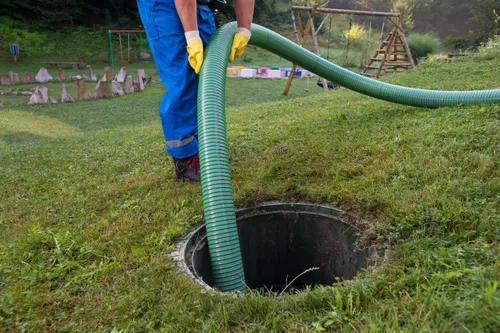
Black Diamond Pumping
14037 Co Rd 8, Fort Lupton, CO 80621
Black Diamond Pumping is a family-owned septic service company based in Fort Lupton, Colorado, serving Denver and the surrounding Northern Colorado areas including Adams, Weld, and Boulder counties. They provide a full range of septic system services such as pumping, inspections, repairs, and installations for both residential and commercial properties. With over 20 years of experience, the company is licensed and insured, equipped to handle septic tanks of all sizes, and emphasizes routine maintenance to ensure proper system function and safety.
Sewer Experts Denver Sewer Line Repair & Replacement, Drain Scope, Water Lines
6510 E 49th Ave Ste A, Commerce City, CO 80022
Sewer Experts Denver Sewer Line Repair & Replacement, Drain Scope, Water Lines is a locally owned and operated contractor based in Denver, CO, providing commercial and residential sewer and water line services. They offer a range of solutions including trenchless sewer repairs using CIPP lining and pipe bursting, sewer and drain cleaning, water line installation and repair, septic tank installation, and grease trap services. With over 20 years of experience, the company serves the Mile High area, suburbs, and the Front Range, and provides 24/7 emergency sewer services. Their certified technicians focus on transparent communication, quality workmanship, and minimizing disruption during projects.
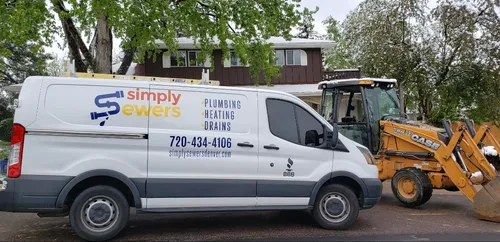
Simply Sewers - a Littleton Drain Cleaning Company
Denver, CO
Simply Sewers - a Littleton Drain Cleaning Company provides septic system repair and septic tank installation services in Denver, CO. They offer 24/7 emergency drain cleaning and sewer repair, including trenchless sewer and water line replacement, sewer camera inspections, and hydro jet drain cleaning. With over 10 years of experience serving the Denver Metro area, the company emphasizes honest estimates and thorough cleanup after service.
Ed's Sewer and Water Repair
1624 Market St #202, Denver, CO 80202
Ed's Sewer and Water Repair is a septic system repair and installation company based in Denver, CO. They specialize in underground sewer and water line repair, replacement, and septic system services for both residential and commercial properties. The company offers a 10-year transferable warranty on their work and is fully licensed, bonded, and insured. With years of experience, Ed's Sewer and Water Repair is known for handling complex projects with attention to detail and fair pricing.

Urgent Septic Services
Fort Collins, CO
Urgent Septic Services is a family-owned business offering septic tank pumping, inspection, and installation in Fort Collins, CO. With over a decade of experience serving Greeley and surrounding areas, they provide comprehensive septic solutions for both residential and commercial properties. Their skilled team handles everything from routine maintenance to emergency septic services, ensuring systems function properly and efficiently.
Understanding the Regulatory Landscape in Aurora
Septic system work in the Aurora area is not a simple DIY project; it's a regulated process overseen by local county health departments. Depending on your property's location, you'll work with Arapahoe, Adams, or Douglas County Public Health. These agencies enforce Colorado Regulation 43, the state's rule for On-Site Wastewater Treatment Systems (OWTS). The primary goal of these regulations is to prevent groundwater contamination, a critical concern for environmental safety. Before any shovel hits the ground, you must have an approved permit in hand. Constructing, modifying, or repairing a system without this permit can result in substantial fines and legal complications.
The Step-by-Step Process for System Installation
Navigating a new septic tank installation or a full system replacement involves a series of methodical steps. Skipping or rushing any phase can lead to system failure, costly repairs, or permit violations.
1. Initial Site Evaluation and Soil Testing
The journey begins with a professional assessment of your property. A certified installer or engineer will conduct a site evaluation, examining topography, soil conditions, and proximity to water sources. The most critical component of this phase is the soil percolation test (often called a "perc test").
This test determines the soil's absorption rate, which directly dictates the size and design of your drain field. A professional will dig test holes, saturate them with water, and measure how quickly the water drains. The results must comply with local standards to ensure the effluent from the tank can be properly absorbed by the soil 1. In Aurora and surrounding counties, this testing typically costs between $1,500 and $5,000, depending on the property's complexity.
2. System Design and Permit Application
With perc test results in hand, a system can be designed. For standard residential systems (under 2,000 gallons per day), this is handled locally. Properties with high-risk conditions may require a specially engineered design. The permit application package submitted to your county health department must include:
- A completed application form.
- A detailed site plan showing the proposed system location.
- The official percolation test data.
- The system design specifications.
- The required permit fee, which generally ranges from $150 to $500 2 3.
Approval authority rests with the county, and they will review for compliance with Regulation 43 before issuing the permit to proceed 4.
3. Professional Installation and Critical Inspection
Once permitted, excavation and installation can begin. It is mandatory to use a certified installer. Costs for the complete septic system installation or replacement in Aurora vary widely based on system type, size, and site conditions, but homeowners can generally expect a range from roughly $5,000 to over $15,000 5 6.
A non-negotiable milestone in the process is the installation inspection. Before the tank and drain field are covered with soil, a county inspector must visit the site to verify that the installation matches the approved design in every detail 7 8. This inspection is crucial for final approval and protects your investment by ensuring the system is built correctly from the start.
Find the perfect septic tank installation & replacement contractors for your needs
Get personalized recommendations and expert advice
When is Septic System Replacement Necessary?
Understanding when to repair versus completely replace your system can save significant time and money. While pumping and minor repairs are part of routine maintenance, full septic system replacement becomes necessary under certain conditions:
- System Failure: Persistent surfacing of effluent, sewage backups into the home, or soggy, foul-smelling areas in the drain field are clear signs of failure.
- Property Expansion: Adding bedrooms or significant square footage may increase wastewater volume beyond your existing system's design capacity.
- Regulatory Changes: If your older system no longer meets current health code standards, the county may mandate an upgrade, especially during a property transfer.
- Age and Deterioration: Even well-maintained systems have a finite lifespan. Components can corrode or collapse over time.
The replacement process follows the same rigorous permitting and installation steps as a new installation, as it is considered a new system.
Key Considerations for Aurora Homeowners
Beyond the basic steps, several important factors influence a successful project:
- Choosing a Certified Professional: Always verify that your septic contractor is licensed and experienced with the specific requirements of your county (Arapahoe, Adams, or Douglas). They should handle the permit process and coordinate inspections 9.
- System Design for Safety: The entire system must be designed and located to avoid any risk of contaminating groundwater, wells, or surface water. Setback distances from property lines, wells, and waterways are strictly defined by Regulation 43 10 11.
- Long-Term Maintenance: Planning for the future is part of a responsible installation. Ensure you receive an "as-built" diagram of your new system's location and understand the recommended pumping and inspection schedule to keep it functioning for decades.
Frequently asked questions
Sources
Footnotes
-
Understanding Perc Testing in Colorado: A Guide by Land ... - https://www.soiltestandseptic.com/post/understanding-perc-testing-in-colorado-a-guide-by-land-systems-west ↩
-
Colorado Septic Tank Requirements | On-site Wastewater ... - https://www.ntotank.com/blog/colorado-septic-tank-requirements ↩
-
On-site Sewage Disposal System | Pueblo West, CO - http://www.pueblowestmetro.us/188/On-site-Sewage-Disposal-System ↩
-
Septic Systems - https://www.arapahoeco.gov/your_county/county_departments/public_health_department/health_protection___response/environmental_health/water/septic_systems/index.php ↩
-
Understanding Septic Tank Permits and Regulations - https://westcoastsanitationinc.com/understanding-septic-tank-permits-and-regulations/ ↩
-
Cost to Install a Septic System - https://www.scorpionsepticservices.com/blog/how-much-does-it-cost-to-install-a-septic-system ↩
-
How to Know if You Need a Septic System Permit - Pippin Home Designs - https://www.pippinhomedesigns.com/septic-system-permit/ ↩
-
Step-by-Step Guide to Septic Tank Installation - https://www.septicblueraleigh.com/understanding-the-septic-tank-installation-process-step-by-step-html ↩
-
Septic Tank Permits and Codes in Aurora, CO - https://crushexcavation.com/septic-tank-permits/ ↩
-
Clean water: On-site wastewater treatment systems - https://cdphe.colorado.gov/OWTS ↩
-
Regulation 43 - Colorado Secretary of State - https://www.sos.state.co.us/CCR/GenerateRulePdf.do?ruleVersionId=5317 ↩