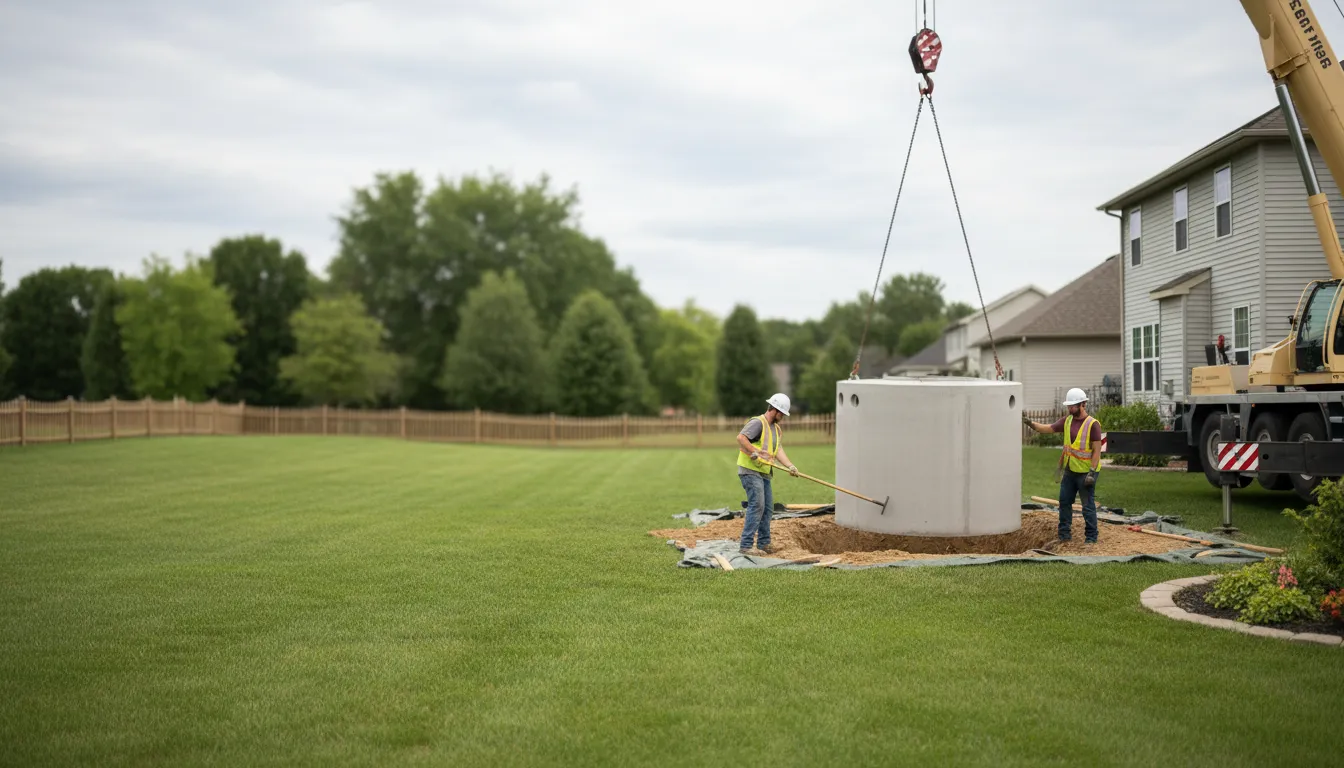
Find the Best Septic Tank Installation & Replacement Contractors for Your Business
No obligation • Fast responses • Nationwide coverage

Why you can trust Septic Spot
Septic Spot is a leading United States resource for understanding and comparing septic services. Our editors review providers using consistent criteria and verify key business details. Listings and scores are independent, and companies cannot pay to influence our content.
Search providers near you
Top Septic Tank Installation & Replacement Contractors in Denver, Colorado Ranked
Installing or replacing a septic system is a significant home improvement project that ensures safe, long-term wastewater treatment for properties not connected to municipal sewer lines. In Denver and the surrounding Front Range, this process is governed by specific state and county health regulations designed to protect groundwater and public health. This guide explains the key steps, costs, and local requirements for septic system installation and replacement, helping you understand what to expect and how to connect with qualified local professionals for your project.
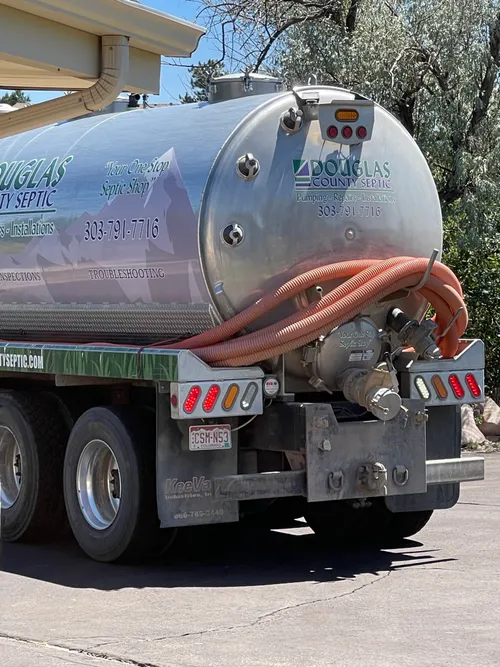
Douglas County Septic
Denver, CO
Douglas County Septic offers full-service septic system installation, maintenance, cleaning, troubleshooting, and repair in Denver, CO. They serve a variety of clients including homeowners, businesses, schools, golf courses, parks, government entities, homeowners associations, and builders in the south metro Denver area. Their services cover septic tank pumping, repairs, and installations.
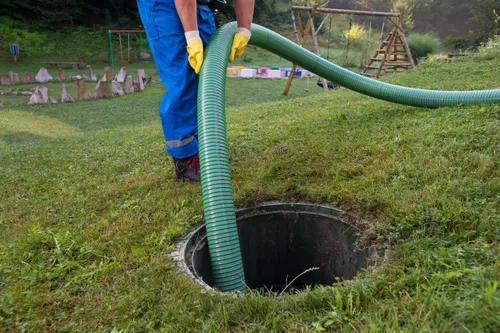
Black Diamond Pumping
14037 Co Rd 8, Fort Lupton, CO 80621
Black Diamond Pumping is a family-owned septic service company based in Fort Lupton, Colorado, serving Denver and the surrounding Northern Colorado areas including Adams, Weld, and Boulder counties. They provide a full range of septic system services such as pumping, inspections, repairs, and installations for both residential and commercial properties. With over 20 years of experience, the company is licensed and insured, equipped to handle septic tanks of all sizes, and emphasizes routine maintenance to ensure proper system function and safety.
High Performance Earthworks
50 Wolf Tongue Ct, Nederland, CO 80466
High Performance Earthworks is a septic system repair and installation contractor based in Denver, CO. They provide excavation, foundation, drainage, and full site development services, focusing on septic systems and related infrastructure for residential and commercial properties. The company is experienced in handling complex projects including foundation work and site drainage, with a strong emphasis on meeting industry standards and customer needs. Since 2015, they have completed over 250 septic system installations and more than 120 foundation projects, serving clients across Colorado's Front Range. Their team is also involved in permitting and project planning to ensure smooth execution.
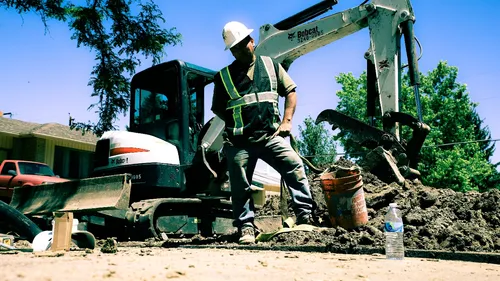
Sewer Experts Denver Sewer Line Repair & Replacement, Drain Scope, Water Lines
6510 E 49th Ave Ste A, Commerce City, CO 80022
Sewer Experts Denver Sewer Line Repair & Replacement, Drain Scope, Water Lines is a locally owned and operated contractor based in Denver, CO, providing commercial and residential sewer and water line services. They offer a range of solutions including trenchless sewer repairs using CIPP lining and pipe bursting, sewer and drain cleaning, water line installation and repair, septic tank installation, and grease trap services. With over 20 years of experience, the company serves the Mile High area, suburbs, and the Front Range, and provides 24/7 emergency sewer services. Their certified technicians focus on transparent communication, quality workmanship, and minimizing disruption during projects.
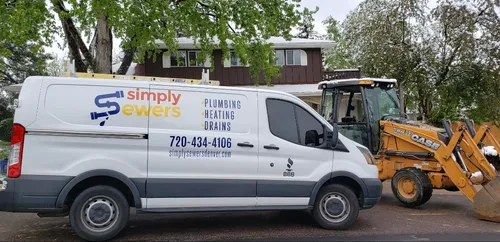
Simply Sewers - a Littleton Drain Cleaning Company
Denver, CO
Simply Sewers - a Littleton Drain Cleaning Company provides septic system repair and septic tank installation services in Denver, CO. They offer 24/7 emergency drain cleaning and sewer repair, including trenchless sewer and water line replacement, sewer camera inspections, and hydro jet drain cleaning. With over 10 years of experience serving the Denver Metro area, the company emphasizes honest estimates and thorough cleanup after service.
Understanding Septic System Regulations in Colorado
In Colorado, septic systems are formally known as On-site Wastewater Treatment Systems (OWTS). The Colorado Department of Public Health and Environment (CDPHE) sets the baseline standards through Regulation 43, but individual counties often enforce stricter rules. Whether you're building a new home on raw land or replacing a failing system, you must navigate a permit process managed by your local county health department, such as those in Jefferson, Larimer, or Elbert County 1.
A permit is mandatory for new installations, major repairs, and often during property transfers 2. The regulations ensure systems are sized correctly for the home's occupancy and are installed in suitable soil conditions to prevent contamination. The entire process, from initial application to final inspection, is designed to verify that the system will function properly for years to come.
The Permit Process: From Application to Approval
Before any digging begins, you must secure an OWTS permit. The application typically requires several key documents:
- A detailed site plan showing the proposed system location, property lines, wells, and waterways.
- A professional soil report and percolation test results.
- An engineered design for the system, prepared by a licensed professional.
The permit review process can take anywhere from 10 business days for straightforward applications to three months for complex sites or those requiring variance approvals. Fees for the permit itself generally range from $150 to $500. It's crucial to work with a contractor familiar with your county's specific requirements, as they will be your primary guide through this bureaucratic maze.
The Critical Role of Soil Testing (Perc Tests)
The most important technical step in planning a septic system is the soil evaluation, commonly called a percolation or "perc" test. This test determines how quickly water drains through your property's soil, which directly dictates the size and type of drain field needed.
A certified soil evaluator will dig at least two test pits, usually 40 to 50 feet apart and up to 8 feet deep, to examine soil layers and check for bedrock or high groundwater. They then measure the soil's absorption rate. In the Denver area, this essential test typically costs between $700 and $2,000. The results are non-negotiable; poor drainage may require a more expensive, engineered system or even make the site unsuitable for a conventional septic system.
System Components: Tank and Drain Field
A standard septic system has two main components: the tank and the drain field (or leach field).
- Septic Tank: This watertight container, usually made of concrete, fiberglass, or polyethylene, receives all wastewater from the home. Solids settle and partially decompose, while liquids flow out to the drain field. Colorado regulations generally mandate a minimum tank size of 1,000 gallons for a single-family residence 3. The tank alone can cost between $500 and $900 for a basic 1,000-gallon model, not including delivery or installation.
- Drain Field: This is a network of perforated pipes buried in trenches filled with gravel. Pre-treated liquid from the tank (effluent) is distributed here, where it slowly percolates into the soil, receiving final natural treatment. The drain field installation is often the most costly part of the project, ranging from $5,000 to $12,000, as it requires significant excavation and materials.
Installation Steps and Required Inspections
Professional installation follows a sequence of steps, each often requiring a sign-off from a county inspector:
- Site Evaluation & Staking: The installer confirms the location based on the approved permit plans.
- Excavation: Holes are dug for the tank and the drain field trenches.
- Tank Placement & Plumbing: The tank is set, and inlet/outlet pipes are connected to the home's main waste line.
- Open Tank Inspection: Before the tank is covered, an inspector will verify it is the correct type, properly leveled, and that all connections are sound 4.
- Drain Field Construction: Gravel is laid, distribution pipes are placed and leveled, and more gravel is added.
- Leach Field Inspection: An inspector checks the materials, pipe placement, and overall construction of the drain field 5.
- Final Inspection & Backfill: Once all components pass inspection, the system can be covered with soil. A final inspection ensures everything is complete before the site is fully restored 6.
Find the perfect septic tank installation & replacement contractors for your needs
Get personalized recommendations and expert advice
Cost Breakdown for Denver-Area Installations
The total cost for a complete septic system installation or full replacement in the Denver region is highly variable. Key cost drivers include soil conditions, system size and type, local permit fees, and accessibility of the site.
- Soil Percolation Test: $700 - $2,000 7
- Permit Fees: $150 - $500
- Septic Tank (1,000-gallon): $500 - $900 (material only)
- Drain Field Installation: $5,000 - $12,000 8
- Total Project Cost: Typically between $5,000 and $15,000, but complex sites requiring advanced treatment systems or significant landscaping can push costs well over $20,000 9 10.
Maintaining and Replacing an Existing System
Colorado law requires homeowners to have their septic tanks pumped and the system inspected at least once every four years 11. Regular maintenance is the best way to extend the life of your drain field and avoid a premature, costly replacement.
If a system fails-indicated by soggy ground over the drain field, sewage backups, or foul odors-it must be repaired or replaced and brought up to current code standards. The replacement process follows the same permit and installation procedures as a new system. Upgrading an old system is not just a repair; it's a new installation that must comply with all modern regulations, which often means a larger drain field or a more advanced treatment technology.
Choosing the Right Professional for the Job
Given the regulatory and technical complexity, selecting the right contractor is paramount. Look for a licensed septic system installer with extensive experience in your specific county. They should be familiar with the local health department officials and processes. A reputable professional will handle the permit application, coordinate soil testing, and schedule all necessary inspections. They should provide a detailed, written estimate that breaks down costs for materials, labor, permits, and soil testing. Always verify their license and insurance, and ask for references from recent projects in your area.
Frequently asked questions
Sources
Footnotes
-
Onsite Wastewater Treatment (Septic) Systems | Elbert County, CO - https://www.elbertcounty-co.gov/341/Onsite-Wastewater-Treatment-Systems-OWTS ↩
-
Clean water: On-site wastewater treatment systems - https://cdphe.colorado.gov/OWTS ↩
-
Colorado Septic Tank Requirements | On-site Wastewater ... - https://www.ntotank.com/blog/colorado-septic-tank-requirements ↩
-
Preparing for Septic Tank Inspection: 7 Key Steps - https://septic911.com/preparing-for-septic-tank-inspection/ ↩
-
Septic Systems (OWTS) - | Larimer County - https://www.larimer.gov/health/environmental-health/septic-systems/septic-systems-owts ↩
-
What to Expect from a Septic Tank Inspection - https://www.mecindustries.com/morse-engineering-and-construction-industries/what-to-expect-from-a-septic-tank-inspection ↩
-
Perc Testing for Septic Systems in Colorado | Land Systems West - https://www.soiltestandseptic.com/perctestingandsoiltestingforseptic ↩
-
Residential Septic Tank Pricing | Homeowner's Guide to Costs - https://www.ntotank.com/blog/residential-septic-tank-pricing ↩
-
Cost to Install a Septic System in Denver [2026 Data] - https://www.angi.com/articles/what-does-it-cost-install-septic-system/co/denver ↩
-
Understanding Septic Tank Permits and Regulations - https://westcoastsanitationinc.com/understanding-septic-tank-permits-and-regulations/ ↩
-
Colorado Septic License & Certification | 2024 Contractor Guide - https://www.servicetitan.com/licensing/septic/colorado ↩