Find the Best Septic Tank Installation & Replacement Contractors for Your Business
No obligation • Fast responses • Nationwide coverage

Why you can trust Septic Spot
Septic Spot is a leading United States resource for understanding and comparing septic services. Our editors review providers using consistent criteria and verify key business details. Listings and scores are independent, and companies cannot pay to influence our content.
Search providers near you
Top Septic Tank Installation & Replacement Contractors in Colorado Springs, Colorado Ranked
Installing or replacing a septic system is a significant investment in your property's long-term functionality and environmental health. In Colorado Springs and El Paso County, this process is governed by specific state and local regulations to protect groundwater and public safety. This guide explains the key steps, costs, and regulatory requirements for septic system installation and replacement, helping you navigate the process from initial soil testing to final inspection.
Dan's Drains and Digs
216 S Chestnut St, Colorado Springs, CO 80905
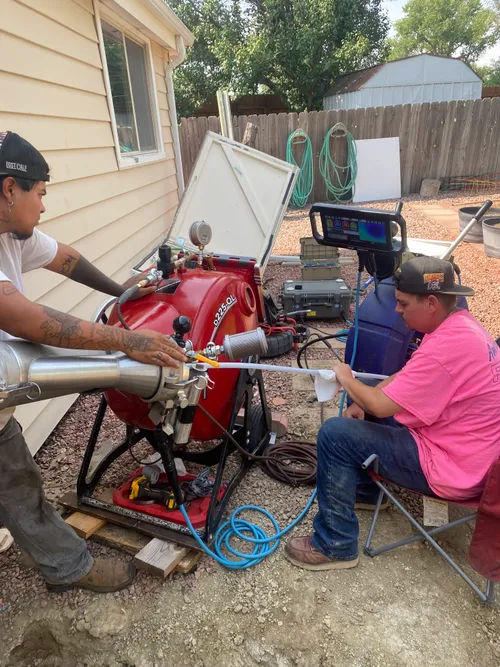
Dan's Drains and Digs is a septic tank inspection, repair, and installation company based in Colorado Springs, CO. They provide a range of underground plumbing services including drain and sewer cleaning, underground line replacement and repairs, video camera inspection, and septic system installation. One of their notable capabilities is sewer pipe lining, which they have successfully applied to complex projects involving old clay sewer lines. The business is known for handling both routine and major underground plumbing issues efficiently.
High Country Sewer & Septic
1895 Main St, Colorado Springs, CO 80911
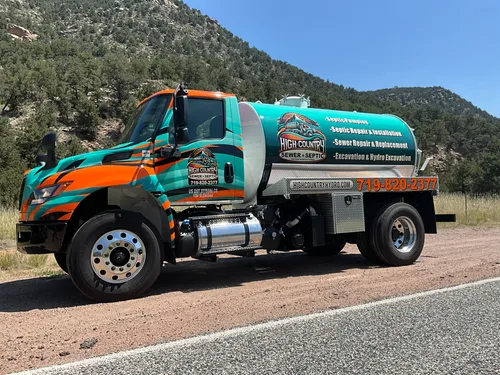
High Country Sewer & Septic is a family-owned business serving Colorado Springs, CO, and the surrounding Front Range area. They offer comprehensive septic services including tank pumping, inspections, installations, repairs, and drain field restoration. The company manages all aspects of septic system care, from permits and inspections to excavation and settling checks, ensuring a streamlined process without the need for multiple contractors. With over 14 years of experience, they understand the unique challenges posed by local soil and elevation conditions. Their work is backed by five-year warranties and $2 million in insurance coverage. Same-day estimates and owner involvement on every project provide added assurance. They also offer after-hours communication to support emergency needs.
TCS Septic
1301 S 8th St, Colorado Springs, CO 80905
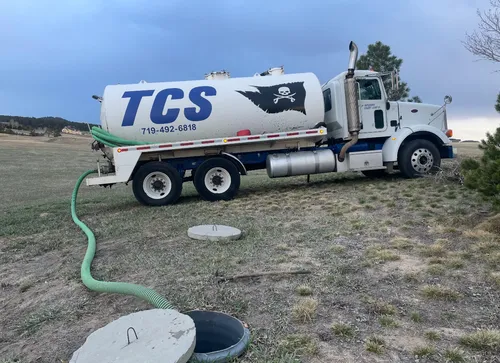
TCS Septic is a septic tank pumping, inspection, repair, and installation company based in Colorado Springs, CO. They provide services for both residential and commercial clients, including septic system design and installation tailored to urban or rural settings. TCS Septic also handles septic and sewer system repairs and inspections, working with local contractors and government agencies to ensure compliance and efficiency. Their capabilities include septic system design and maintenance to prevent emergencies.
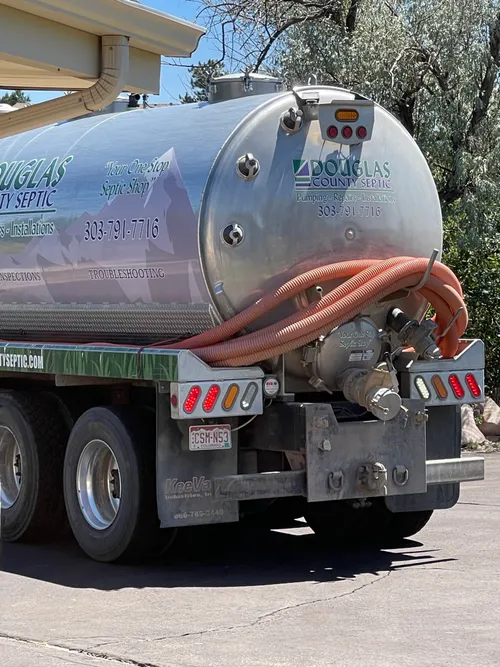
Douglas County Septic
Denver, CO
Douglas County Septic offers full-service septic system installation, maintenance, cleaning, troubleshooting, and repair in Denver, CO. They serve a variety of clients including homeowners, businesses, schools, golf courses, parks, government entities, homeowners associations, and builders in the south metro Denver area. Their services cover septic tank pumping, repairs, and installations.

Septic Remedy LLC
388 Spruce Lake Dr, Divide, CO 80814
Septic Remedy LLC is a locally owned septic service company based in Colorado Springs, CO. They provide a range of septic services including inspections, repairs, installations, septic tank locating, pipe jettering, and pump repairs. The company serves El Paso, Teller, Douglas, and Park counties, offering certified septic system inspections and installations tailored to the Colorado environment. Septic Remedy is NAWT certified and emphasizes thorough inspections and effective septic system maintenance. They have built a reputation as a preferred choice for realtors and homeowners, with a focus on educating customers to prevent costly repairs. The company operates six days a week and is available for urgent septic repairs when needed.
Understanding Colorado's Regulatory Framework
All septic system work in Colorado Springs falls under the authority of the Colorado Department of Public Health and Environment (CDPHE) and its Regulation 43, which is administered locally by El Paso County Public Health1. A permit is mandatory before any new installation, major alteration, or repair begins. The local health department oversees On-site Wastewater Treatment Systems (OWTS) and ensures they are designed and built to handle the specific conditions of your property safely1.
The permitting process is designed to verify that your proposed system is appropriate for your land. You must submit a complete application, a detailed site plan, and a professional soil report. For standard residential systems with a daily flow of 2,000 gallons or less, the regulations provide clear design guidelines. However, properties with challenging soils, slopes, or high groundwater may require an engineered system designed by a licensed professional.
The Critical First Step: Site Evaluation and Soil Testing
Before any system design can be finalized, a thorough site evaluation and soil percolation ("perc") test are required2 3. This is arguably the most important phase, as the results dictate the size, type, and cost of your entire septic system.
A professional will dig test pits or bore holes to examine the soil profile and determine its absorption rate. Colorado's diverse geology means soil conditions can vary dramatically-from porous sandy loam to dense, impermeable clay 4. The perc test measures how quickly water drains through the soil, which directly determines the size of the necessary drain field. The evaluation also checks for limiting factors like bedrock depth, seasonal high groundwater, and proper setback distances from wells, property lines, and waterways 4.
Designing Your Septic System
With the soil report in hand, a system can be designed. For a conventional gravity-fed system, this includes specifying the septic tank capacity (typically 1,000-1,500 gallons for a standard home) and the layout and dimensions of the drain field (also called a leach field or absorption area). The design must comply with all state and county sizing tables based on the number of bedrooms, soil type, and perc rate5.
If the soil conditions are poor for a standard system, alternative or engineered systems may be necessary. These can include mound systems, aerobic treatment units (ATUs), or sand filters, which treat wastewater more extensively before dispersal. These advanced systems are more complex and costly but are often the only viable solution for difficult sites6 7.
The Installation and Replacement Process
Once you have an approved permit and design, installation can begin. For a new installation, the process typically involves:
- Excavation: Digging the hole for the septic tank and the trenches for the drain field.
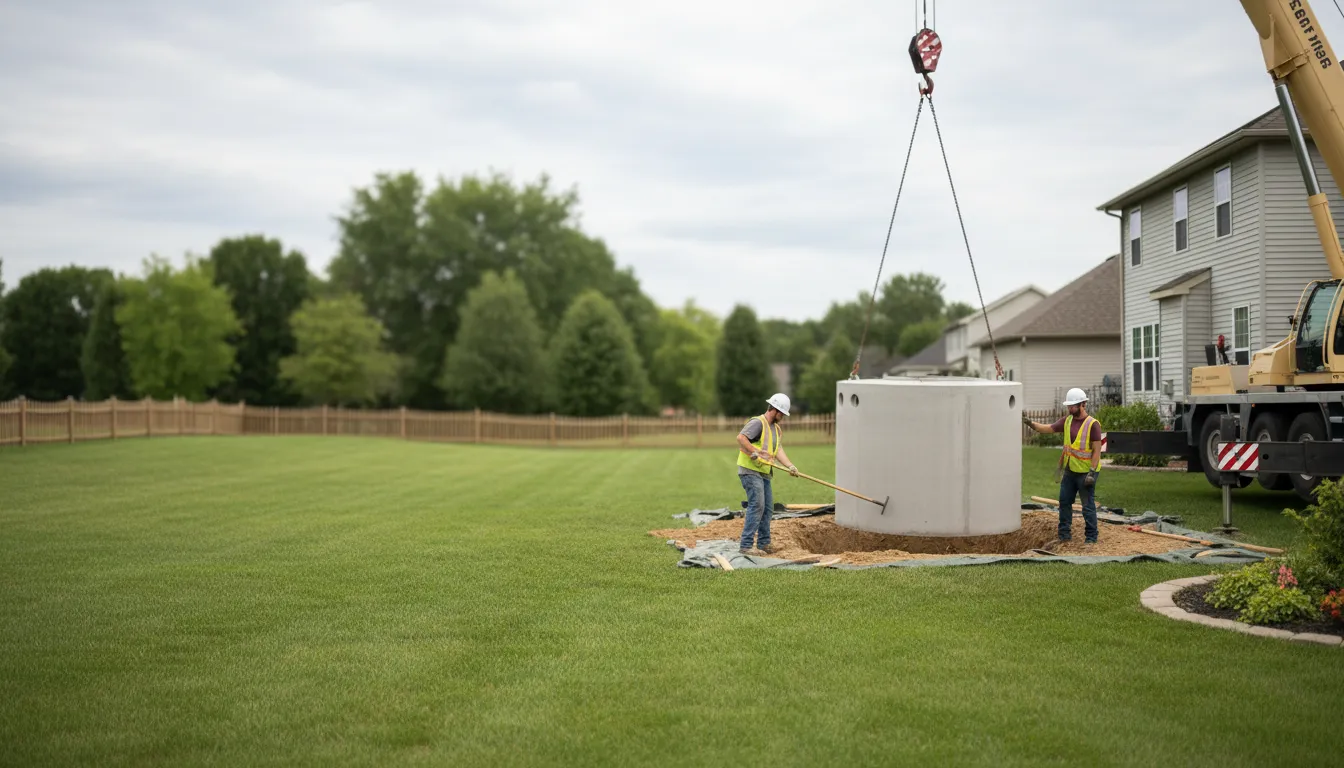
- Tank Placement: Setting the pre-cast concrete or fiberglass tank and connecting the inlet and outlet pipes.
- Drain Field Construction: Laying perforated pipes in gravel-filled trenches over suitable soil.
- Inspections: The health department will conduct multiple inspections, including an open trench/tank inspection before the components are buried.
- Backfilling and Final Grade: Once inspections pass, the system is carefully backfilled and the landscape is restored.
For a septic tank replacement, the process is similar but focuses on the tank itself. The old tank must be properly pumped out and either removed or collapsed and filled in place. The new tank is then set and connected to the existing drain field, provided the field is still functioning properly. A Use Permit and inspection are commonly required for this work, especially during a property transfer 8.
Find the perfect septic tank installation & replacement contractors for your needs
Get personalized recommendations and expert advice
Understanding Costs and Timelines
The cost of a septic system in the Colorado Springs area is highly variable, primarily dependent on soil conditions and system type.
- Permit Fees: Fees paid to El Paso County Public Health generally range from $150 to $500 or more.
- Standard System Installation: A conventional gravity system for a typical home typically costs between $5,000 and $15,0009. This includes the tank, drain field, and labor.
- Tank-Only Replacement: Replacing a 1,000-gallon tank can cost approximately $1,800 to $3,200 for the tank unit itself, with total project costs higher when including excavation, permits, and labor.
- Full System Replacement: If both the tank and drain field need replacement, costs can escalate to $9,500 to $11,500 or more, particularly if site challenges like rocky soil, difficult access, or the need for an engineered system arise10 11.
The timeline from start to finish can take several weeks to months. The permitting and design phase depends on the complexity of the project and the health department's schedule. The physical installation for a standard system usually takes 3 to 5 days, while a full replacement may take a week or more12.
Choosing a Qualified Professional
Given the technical and regulatory complexity, hiring a qualified professional is essential. Look for a licensed septic system installer or a professional engineer experienced with Colorado's Regulation 43. They will handle the critical steps: performing the soil analysis, designing the system, pulling the necessary permits, and ensuring the installation passes all inspections 13. A reputable contractor will be familiar with El Paso County's specific requirements and can guide you through the entire process smoothly.
Final Inspection and Long-Term Care
The final inspection by the health department is mandatory to close the permit and approve the system for use14. After your new system is installed, proper maintenance is key to its longevity. This includes regular pumping of the tank (typically every 3-5 years), conserving water, and avoiding flushing harmful chemicals or non-biodegradable materials. A well-maintained septic system can serve your property reliably for decades.
Frequently asked questions
Sources
Footnotes
-
Clean water: On-site wastewater treatment systems | Colorado Department of Public Health and Environment - https://cdphe.colorado.gov/OWTS ↩ ↩2
-
Understanding Perc Testing in Colorado: A Guide by Land ... - https://www.soiltestandseptic.com/post/understanding-perc-testing-in-colorado-a-guide-by-land-systems-west ↩
-
How to Know if You Need a Septic System Permit - Pippin Home Designs - https://www.pippinhomedesigns.com/septic-system-permit/ ↩
-
Navigating Lake County Septic Systems: Why Land Systems West is the Top Choice for Colorado - https://www.soiltestandseptic.com/post/navigating-lake-county-septic-systems-why-land-systems-west-is-the-top-choice-for-colorado ↩ ↩2
-
COLORADO DEPARTMENT OF PUBLIC HEALTH AND ... - https://www.jeffco.us/DocumentCenter/View/1776/Regulation-43-PDF ↩
-
Colorado Septic License & Certification | 2024 Contractor Guide - https://www.servicetitan.com/licensing/septic/colorado ↩
-
Buying Land? Essential Guide to Septic System Installation - https://septic-masters.com/buying-land-septic-system-installation/ ↩
-
Onsite Wastewater Treatment System - Northeast Colorado Health ... - https://nchd.org/onsite-wastewater-treatment-system/ ↩
-
Understanding Septic Tank Permits and Regulations - https://westcoastsanitationinc.com/understanding-septic-tank-permits-and-regulations/ ↩
-
Septic System Replacement Costs, Repair & Pumping in Northern CO - https://boonstraexcavation.com/septic-systems/ ↩
-
Cost to Install a Septic System in Denver [2026 Data] - https://www.angi.com/articles/what-does-it-cost-install-septic-system/co/denver ↩
-
How Long Does It Take to Replace a Septic Tank? - Mineo Bros Septic - https://www.mineobrosseptic.com/news/how-long-does-it-take-to-replace-a-septic-tank/ ↩
-
NOTICE OF PUBLIC RULEMAKING HEARING - https://www.sos.state.co.us/CCR/Upload/AGORequest/AdoptedRules02012-00976.RTF ↩
-
Use Permits & Inspections - https://www.cosepticmr.com/post/use-permits-inspections ↩