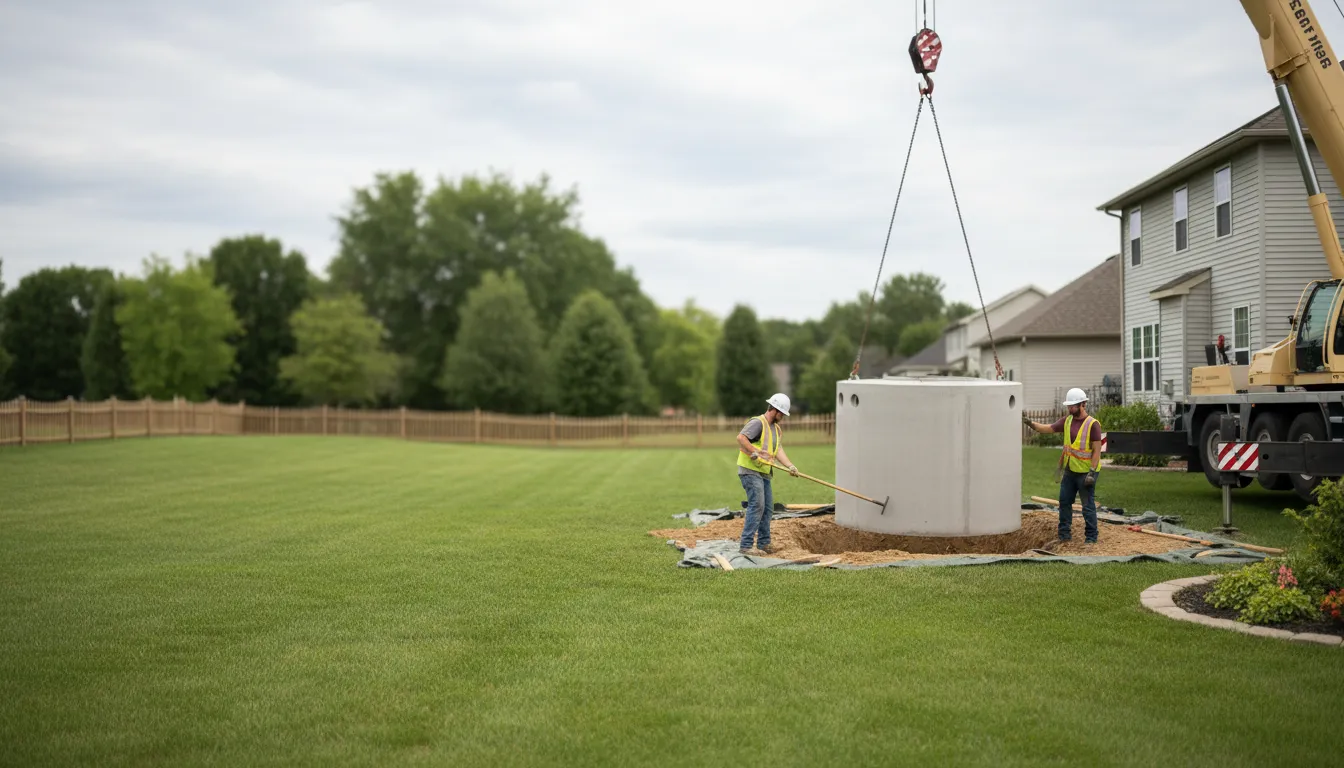
Find the Best Septic Tank Installation & Replacement Contractors for Your Business
No obligation • Fast responses • Nationwide coverage

Why you can trust Septic Spot
Septic Spot is a leading United States resource for understanding and comparing septic services. Our editors review providers using consistent criteria and verify key business details. Listings and scores are independent, and companies cannot pay to influence our content.
Search providers near you
Top Septic Tank Installation & Replacement Contractors in Castle Rock, Colorado Ranked
Installing or replacing a septic system is a significant home infrastructure project that requires careful planning and adherence to local regulations. For homeowners in Castle Rock, this process is governed by Douglas County and Colorado state health codes to protect public health and the environment. This guide explains the key steps, costs, and regulatory requirements for septic system work in the area, helping you understand what to expect and how to connect with qualified local professionals.
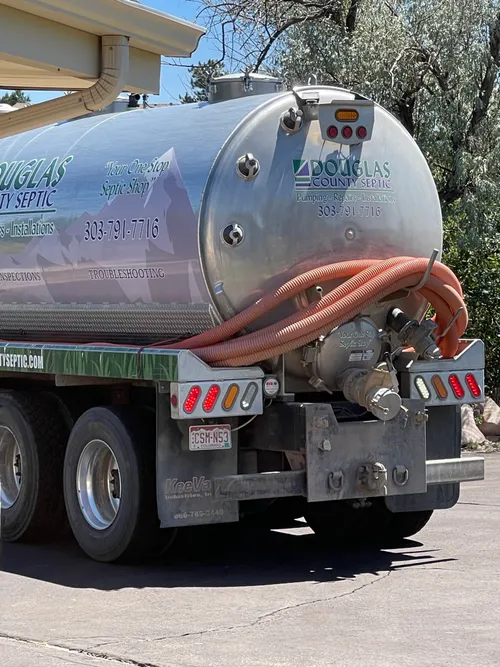
Douglas County Septic
Denver, CO
Douglas County Septic offers full-service septic system installation, maintenance, cleaning, troubleshooting, and repair in Denver, CO. They serve a variety of clients including homeowners, businesses, schools, golf courses, parks, government entities, homeowners associations, and builders in the south metro Denver area. Their services cover septic tank pumping, repairs, and installations.
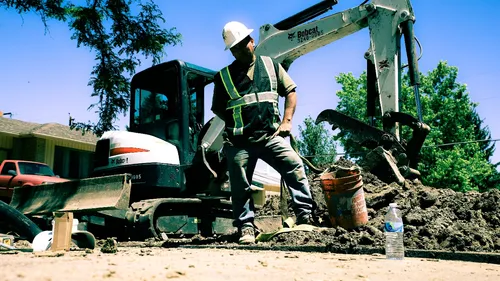
Sewer Experts Denver Sewer Line Repair & Replacement, Drain Scope, Water Lines
6510 E 49th Ave Ste A, Commerce City, CO 80022
Sewer Experts Denver Sewer Line Repair & Replacement, Drain Scope, Water Lines is a locally owned and operated contractor based in Denver, CO, providing commercial and residential sewer and water line services. They offer a range of solutions including trenchless sewer repairs using CIPP lining and pipe bursting, sewer and drain cleaning, water line installation and repair, septic tank installation, and grease trap services. With over 20 years of experience, the company serves the Mile High area, suburbs, and the Front Range, and provides 24/7 emergency sewer services. Their certified technicians focus on transparent communication, quality workmanship, and minimizing disruption during projects.
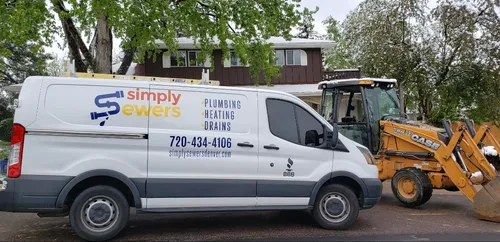
Simply Sewers - a Littleton Drain Cleaning Company
Denver, CO
Simply Sewers - a Littleton Drain Cleaning Company provides septic system repair and septic tank installation services in Denver, CO. They offer 24/7 emergency drain cleaning and sewer repair, including trenchless sewer and water line replacement, sewer camera inspections, and hydro jet drain cleaning. With over 10 years of experience serving the Denver Metro area, the company emphasizes honest estimates and thorough cleanup after service.
Ed's Sewer and Water Repair
1624 Market St #202, Denver, CO 80202
Ed's Sewer and Water Repair is a septic system repair and installation company based in Denver, CO. They specialize in underground sewer and water line repair, replacement, and septic system services for both residential and commercial properties. The company offers a 10-year transferable warranty on their work and is fully licensed, bonded, and insured. With years of experience, Ed's Sewer and Water Repair is known for handling complex projects with attention to detail and fair pricing.
Murray Excavating, Inc.
Colorado Springs, CO
Murray Excavating, Inc. is a septic system installation and repair company serving Colorado Springs, CO, and El Paso County. They specialize in septic system replacement, installation, and repair, including drain field and septic pump services. The company handles site preparation, grading, plumbing, electrical work, and backfilling to ensure complete septic system functionality. With over 20 years of experience, Murray Excavating is known for its knowledge of health department codes and strong relationships with local authorities. They operate as an owner-run business focused on quality work and customer satisfaction.
Understanding Septic System Regulations in Douglas County
All new installations, repairs, or replacements of On-site Wastewater Treatment Systems (OWTS) in Castle Rock require a permit from the Douglas County Health Department. These rules are in place to ensure systems are designed and built correctly for the specific soil conditions of your property, preventing groundwater contamination and system failure. The regulatory framework is based on Colorado Regulation 43, which sets statewide standards for wastewater treatment.
The permitting process is designed to verify that your proposed septic system design is suitable for your lot. You cannot begin any excavation or installation work until you have received a conditional permit from the county. This upfront oversight helps avoid costly mistakes and ensures the long-term functionality of your wastewater system.
The Permit Application Process
Navigating the permit process is the first critical step. You must submit a completed application, a detailed site plan, and an engineered system design to Douglas County Environmental Health for review. The complexity of your design will depend heavily on the results of your site evaluation.
A key requirement involves engineering. If your property's soil evaluation identifies certain restrictive soil types (including Type 0, 3A, 4, 4A, 5, R-O, R-1, or R-2) within four feet of the proposed treatment area, the system design must be prepared and stamped by a Colorado Licensed Professional Engineer. This ensures the system is tailored to handle challenging local conditions commonly found in the region.
Critical Site Evaluation: Soil and Perc Tests
Before a system can be designed, a professional must conduct a thorough site evaluation. This involves digging test pits to create a soil profile log and performing a percolation test (often called a "perc test"). The perc test measures how quickly water drains through your soil, which determines the size and type of absorption field needed.
These tests must investigate soil properties to a depth of at least four feet below the proposed treatment area 1. The results are non-negotiable; they directly dictate the engineering parameters for your leach field or alternative treatment system. Properties with poor drainage or high groundwater may require more advanced (and costly) system designs.
Installation and Mandatory Inspections
Once you have your conditional permit, installation can begin. The process typically involves excavating for the septic tank and drainage field, placing the tank, and constructing the absorption system according to the approved plans. It's crucial to hire an experienced installer familiar with Douglas County's inspection protocols.
Two key inspections are required by the county before your system can be covered and put into use:
- Open Pit Inspection: An inspector will visit after the excavations for the tank and drainage field are complete but before any tanks or piping are placed. This inspection verifies the soil types observed in the test pits.
- Final Inspection: After the tank, piping, and distribution boxes are set but before the system is backfilled, a final inspection is conducted. The inspector checks that the installed system matches the engineered design in every detail 2.
Passing these inspections is mandatory for obtaining final approval. Only after the final inspection is approved should the installer backfill the excavations.
Find the perfect septic tank installation & replacement contractors for your needs
Get personalized recommendations and expert advice
Cost Factors for System Replacement and New Installation
The cost for a septic system replacement or new installation in the Castle Rock area is a significant investment. For a standard residential system, homeowners can generally expect costs to range from $9,500 to over $11,500 3. However, this is a broad estimate, and your final price can vary considerably based on several key factors specific to your property.
The primary cost drivers include:
- Soil Type and Percolation Rate: Poorly draining soil requires a larger, more complex drain field, increasing costs.
- Lot Topography: Sloped lots may require additional grading, specialized systems like mound systems, or more piping.
- Groundwater Level: High groundwater can necessitate elevated systems or alternative technologies.
- System Size and Technology: The number of bedrooms in your home dictates the tank and field size 4. Advanced treatment systems (ATUs) for difficult sites cost significantly more than conventional systems.
- Local Labor and Material Rates.
Choosing the Right System and Professional
Given the technical and regulatory complexity, selecting the right type of system and the right team is paramount. Beyond conventional tank-and-field systems, options include aerobic treatment units, sand filters, or mound systems for challenging sites. A qualified engineer and installer will recommend the most effective and cost-efficient solution for your property's constraints.
When evaluating local septic contractors, ensure they are licensed, insured, and have extensive experience with the Douglas County permitting and inspection process. They should be willing to handle the permit application and coordinate directly with county inspectors on your behalf. Always ask for references from recent projects in the area and verify their familiarity with Colorado Regulation 43 5.
Long-Term Considerations After Installation
A new septic system is a long-term asset that requires proper care. After installation, you will receive an "as-built" diagram showing the exact location of your tank and field-keep this for future reference. Adhering to a regular pumping schedule (typically every 3-5 years), conserving water, and avoiding flushing harmful chemicals are essential for maximizing the system's lifespan. Proper maintenance protects your investment and helps prevent premature system failure, which would require going through the costly replacement process all over again.
Frequently asked questions
Sources
Footnotes
-
Septic System FAQs - Douglas County - https://www.douglas.co.us/health-department/septic-system-faqs/ ↩
-
Septic Permit Process | Delta County, CO - Official Website - https://www.deltacountyco.gov/805/Septic-Permit-Process ↩
-
Septic System Replacement Costs, Repair & Pumping in Northern CO - https://boonstraexcavation.com/septic-systems/ ↩
-
What Size Septic Tank Do I Need - https://www.ntotank.com/blog/what-size-septic-tank-do-i-need ↩
-
Clean water: On-site wastewater treatment systems | Colorado Department of Public Health and Environment - https://cdphe.colorado.gov/OWTS ↩