Find the Best Septic Tank Installation & Replacement Contractors for Your Business
No obligation • Fast responses • Nationwide coverage

Why you can trust Septic Spot
Septic Spot is a leading United States resource for understanding and comparing septic services. Our editors review providers using consistent criteria and verify key business details. Listings and scores are independent, and companies cannot pay to influence our content.
Search providers near you
Top Septic Tank Installation & Replacement Contractors in Commerce City, Colorado Ranked
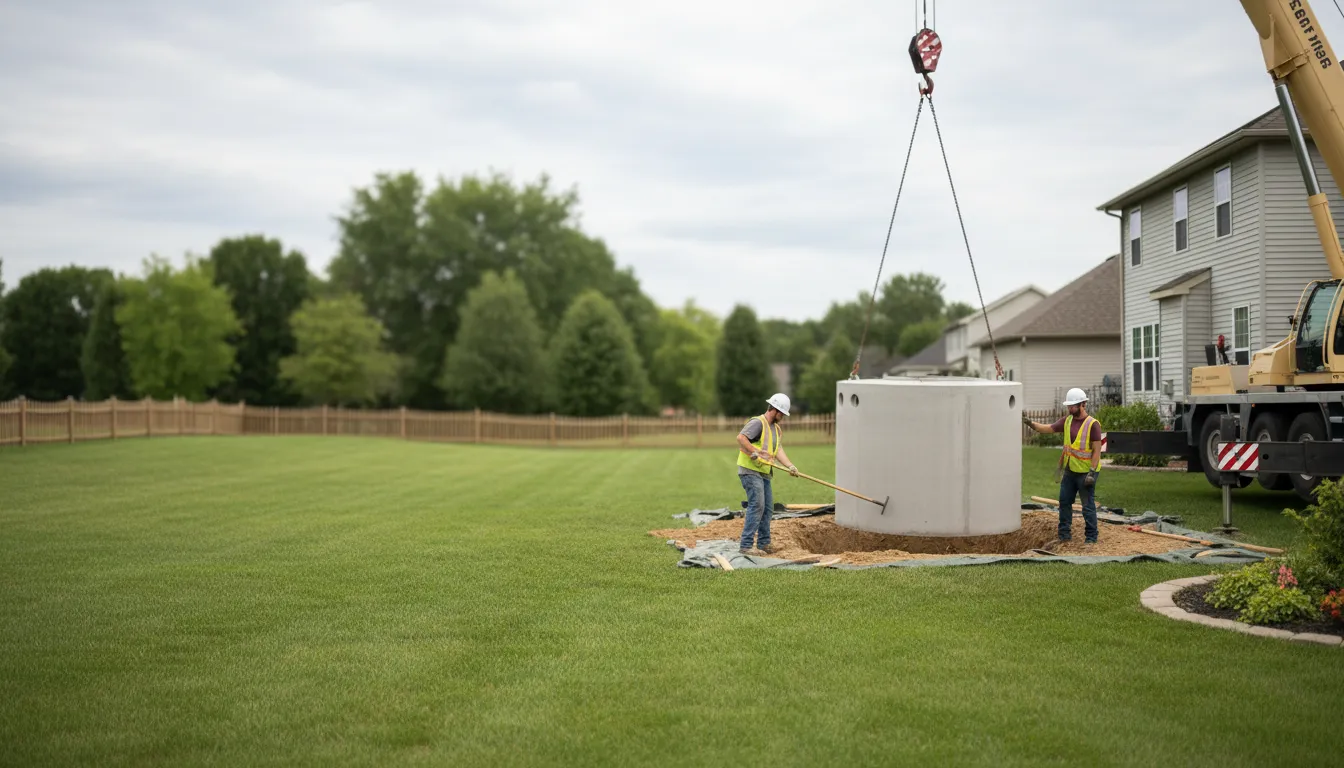
Installing or replacing a septic system is a significant investment in your property's long-term functionality and environmental health. In Commerce City, this process is governed by specific state and county regulations designed to protect local groundwater and ensure system reliability. This guide explains the key steps, requirements, and considerations for septic system installation and replacement, helping you navigate the process and connect with qualified local professionals.
Black Diamond Pumping
14037 Co Rd 8, Fort Lupton, CO 80621
Black Diamond Pumping is a family-owned septic service company based in Fort Lupton, Colorado, serving Denver and the surrounding Northern Colorado areas including Adams, Weld, and Boulder counties. They provide a full range of septic system services such as pumping, inspections, repairs, and installations for both residential and commercial properties. With over 20 years of experience, the company is licensed and insured, equipped to handle septic tanks of all sizes, and emphasizes routine maintenance to ensure proper system function and safety.
Sewer Experts Denver Sewer Line Repair & Replacement, Drain Scope, Water Lines
6510 E 49th Ave Ste A, Commerce City, CO 80022
Sewer Experts Denver Sewer Line Repair & Replacement, Drain Scope, Water Lines is a locally owned and operated contractor based in Denver, CO, providing commercial and residential sewer and water line services. They offer a range of solutions including trenchless sewer repairs using CIPP lining and pipe bursting, sewer and drain cleaning, water line installation and repair, septic tank installation, and grease trap services. With over 20 years of experience, the company serves the Mile High area, suburbs, and the Front Range, and provides 24/7 emergency sewer services. Their certified technicians focus on transparent communication, quality workmanship, and minimizing disruption during projects.
Simply Sewers - a Littleton Drain Cleaning Company
Denver, CO
Simply Sewers - a Littleton Drain Cleaning Company provides septic system repair and septic tank installation services in Denver, CO. They offer 24/7 emergency drain cleaning and sewer repair, including trenchless sewer and water line replacement, sewer camera inspections, and hydro jet drain cleaning. With over 10 years of experience serving the Denver Metro area, the company emphasizes honest estimates and thorough cleanup after service.
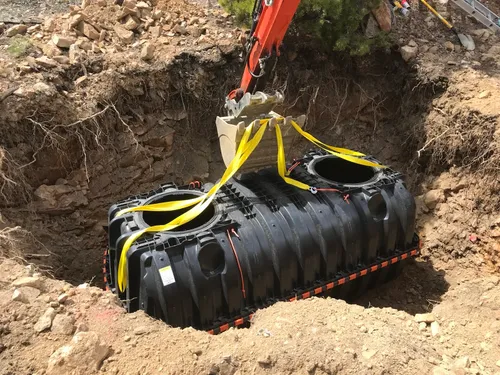
Mountain Contracting LLC - Sewer & Septic
Denver, CO
Mountain Contracting LLC - Sewer & Septic is a full-service contractor based in Denver, CO, specializing in septic system installation, repair, and maintenance as well as sewer and water line services. They handle projects from initial assessment and permitting through to completion, ensuring all work meets local health department codes. Their expertise includes working in tight excavation areas with specialized equipment. The company also offers general land clearing and excavation services. Mountain Contracting LLC aims to complete projects efficiently and correctly, providing a final walkthrough to ensure customer satisfaction. They also respond to emergencies to restore septic and sewer functions promptly.
Ed's Sewer and Water Repair
1624 Market St #202, Denver, CO 80202
Ed's Sewer and Water Repair is a septic system repair and installation company based in Denver, CO. They specialize in underground sewer and water line repair, replacement, and septic system services for both residential and commercial properties. The company offers a 10-year transferable warranty on their work and is fully licensed, bonded, and insured. With years of experience, Ed's Sewer and Water Repair is known for handling complex projects with attention to detail and fair pricing.
Understanding the Regulatory Framework in Adams County
All septic system installations and onsite wastewater system replacements in Commerce City fall under the jurisdiction of the Adams County Health Department and Colorado state law, specifically Regulation 43 (5 CCR 1002-43). The Health Department manages permits for On-site Wastewater Treatment Systems (OWTS) designed for flows of 2,000 gallons per day or less. The cornerstone of the process is obtaining the proper permit, which requires submitting detailed plans, soil reports, and a completed application. This can often be initiated online or in person 1.
A critical rule is that system designs must be completed by a licensed professional engineer if the system discharges into surface waters or involves specific design complexities. This ensures the septic system design meets rigorous engineering and public health standards before any installation work begins.
The Critical First Step: Site Evaluation and Soil Testing
You cannot design or permit a new drain field installation or septic tank replacement without first understanding your property's soil. A comprehensive site evaluation is mandatory to determine the soil's ability to absorb and treat wastewater safely.
This evaluation includes two key components:
- Percolation Tests: These tests measure how quickly water drains through the soil at the proposed drain field site. The rate determines the size and type of system needed.
- Soil Pit Analysis: A competent technician must excavate test pits to evaluate the soil profile, including depth to bedrock, seasonal high groundwater table, and soil texture. This identifies any high-risk environmental factors like excessive slope or shallow groundwater 2.
The data from these tests directly informs the engineering design, ensuring the proposed wastewater treatment system is appropriate for your specific lot conditions.
Navigating the Installation and Inspection Process
Once a design is permitted, the physical septic system construction can begin. It's crucial to hire a licensed septic contractor for the installation. The process involves excavating for the tank and drain field, placing the tank, constructing the absorption field (often with gravel and piping), and connecting all components.
Inspection is not a single event but a series of mandatory checkpoints:
- Installation Inspection: The system components must be inspected during installation by a certified professional, such as a NAWT (National Association of Wastewater Technicians) or NSF-certified inspector 3.
- Final Inspection: Before the system is backfilled and buried, the Adams County Health Department (or their authorized agent) conducts a final inspection to verify everything is built according to the approved plans and code 4.
Only after passing these inspections can the system be covered and put into use. Skipping inspections can result in failed systems, environmental contamination, and costly corrective actions.
Find the perfect septic tank installation & replacement contractors for your needs
Get personalized recommendations and expert advice
Cost Considerations for System Installation and Replacement
The total investment for a new septic system installation or complete system replacement in Commerce City varies widely based on site-specific factors. Understanding the cost breakdown helps in planning.
- Permit Fees: Paid to the Adams County Health Department, these fees generally range from $150 to $500.
- Installation Costs: For a standard residential septic system, total costs often range from $5,000 to over $15,000. The final price depends heavily on the complexity of the design, soil conditions, tank size, and the size of the drain field needed 5.
- Replacement Costs: If you are replacing a failing septic system, costs can be higher due to the need to remediate the old system and potentially utilize a new area of the property. Projects can range from $9,500 to over $11,500, influenced by tank access, the number of bedrooms in the home, and the new system's design requirements 6.
Choosing Between Repair and Full Replacement
Not all system failures require a full septic tank replacement. Sometimes, issues are isolated to a component like a damaged pipe or a clogged drain field line. A qualified professional can perform a diagnostic inspection to determine the problem's scope.
However, if the tank is structurally compromised, the drain field has completely failed (a condition known as "biomat failure"), or the system is non-compliant with current codes, a full system replacement is usually necessary. Older systems may also need replacement to meet modern water efficiency and environmental protection standards outlined in Regulation 43 7 8.
Planning Your Project Timeline
A successful septic system installation requires careful planning and patience. The timeline can be affected by several variables:
- Site Evaluation & Design: Scheduling soil tests, receiving the engineer's report, and completing the design package can take several weeks.
- Permitting: The time for the Health Department to review and approve a permit application varies based on their workload and the completeness of your submission.
- Contractor Scheduling: Reputable septic contractors often book weeks or months in advance, especially during warmer seasons.
- Weather and Soil Conditions: Installation cannot proceed during frozen ground or excessively wet conditions, which can cause delays in Colorado's climate.
- Inspections: Coordinating the required inspections with the certifying inspector and the Health Department is a final, critical step before project completion 9 10.
By understanding these phases, you can set realistic expectations and plan your property improvement project accordingly.
Frequently asked questions
Sources
Footnotes
-
Code of Colorado Regulations - https://www.sos.state.co.us/CCR/GenerateRulePdf.do?ruleVersionId=5317 ↩
-
Colorado Septic Tank Requirements | On-site Wastewater ... - https://www.ntotank.com/blog/colorado-septic-tank-requirements ↩
-
Indiana Septic Tank Requirements | On-Site Sewage Systems - https://www.ntotank.com/blog/indiana-septic-tank-requirements ↩
-
Septic Systems | Adams County Health Department - https://adamscountyhealthdepartment.org/licensing-inspections/septic-systems/ ↩
-
Understanding Septic Tank Permits and Regulations - https://westcoastsanitationinc.com/understanding-septic-tank-permits-and-regulations/ ↩
-
Septic System Replacement Costs, Repair & Pumping in Northern CO - https://boonstraexcavation.com/septic-systems/ ↩
-
CCR 1002-43 - Code of Colorado Regulations - https://www.sos.state.co.us/CCR/GenerateRulePdf.do?ruleVersionId=7614&fileName=5%20CCR%201002-43 ↩
-
Clean water: On-site wastewater treatment systems | Colorado Department of Public Health and Environment - https://cdphe.colorado.gov/OWTS ↩
-
Understanding Septic Tank Installation: What to Expect - https://www.mvseptic.com/understanding-septic-tank-installation-what-to-expect ↩
-
Understanding Your Septic System Design and Installation Timeline: A Comprehensive Guide - https://www.mapengineering.net/understanding-your-septic-system-design-and-installation-timeline/ ↩