
Find the Best Septic Tank Installation & Replacement Contractors for Your Business
No obligation • Fast responses • Nationwide coverage

Why you can trust Septic Spot
Septic Spot is a leading United States resource for understanding and comparing septic services. Our editors review providers using consistent criteria and verify key business details. Listings and scores are independent, and companies cannot pay to influence our content.
Search providers near you
Top Septic Tank Installation & Replacement Contractors in Littleton, Colorado Ranked
Installing or replacing a septic system is a significant home improvement project that ensures the safe and effective treatment of your household wastewater. In Littleton, this process is governed by specific state and local regulations designed to protect public health and the environment. This guide will help you understand the steps, requirements, and key considerations for septic system work in Littleton, empowering you to make informed decisions when connecting with local installation professionals.
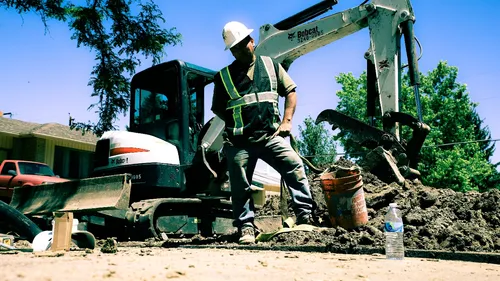
Sewer Experts Denver Sewer Line Repair & Replacement, Drain Scope, Water Lines
6510 E 49th Ave Ste A, Commerce City, CO 80022
Sewer Experts Denver Sewer Line Repair & Replacement, Drain Scope, Water Lines is a locally owned and operated contractor based in Denver, CO, providing commercial and residential sewer and water line services. They offer a range of solutions including trenchless sewer repairs using CIPP lining and pipe bursting, sewer and drain cleaning, water line installation and repair, septic tank installation, and grease trap services. With over 20 years of experience, the company serves the Mile High area, suburbs, and the Front Range, and provides 24/7 emergency sewer services. Their certified technicians focus on transparent communication, quality workmanship, and minimizing disruption during projects.
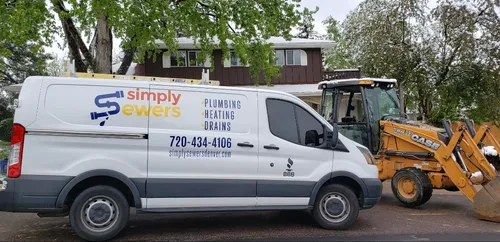
Simply Sewers - a Littleton Drain Cleaning Company
Denver, CO
Simply Sewers - a Littleton Drain Cleaning Company provides septic system repair and septic tank installation services in Denver, CO. They offer 24/7 emergency drain cleaning and sewer repair, including trenchless sewer and water line replacement, sewer camera inspections, and hydro jet drain cleaning. With over 10 years of experience serving the Denver Metro area, the company emphasizes honest estimates and thorough cleanup after service.
Ed's Sewer and Water Repair
1624 Market St #202, Denver, CO 80202
Ed's Sewer and Water Repair is a septic system repair and installation company based in Denver, CO. They specialize in underground sewer and water line repair, replacement, and septic system services for both residential and commercial properties. The company offers a 10-year transferable warranty on their work and is fully licensed, bonded, and insured. With years of experience, Ed's Sewer and Water Repair is known for handling complex projects with attention to detail and fair pricing.
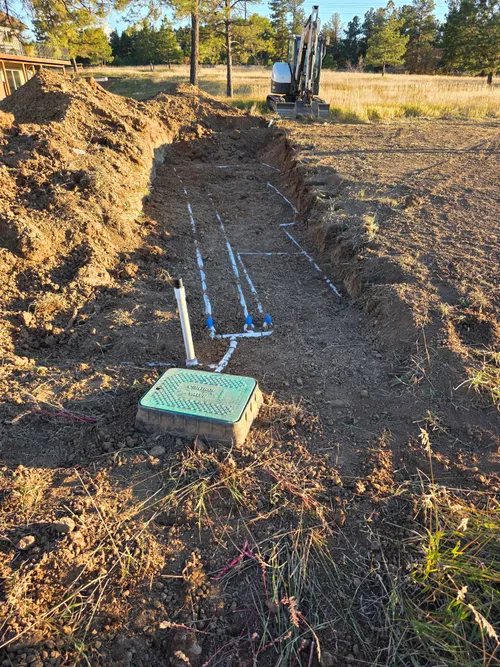
Absolute Diversified Services, LLC
Centennial, CO
Absolute Diversified Services, LLC is a family-owned septic solutions company serving Centennial, CO, and surrounding counties since 2012. They offer a full range of septic services including pumping, inspections, system installation, repairs, and excavation. Their expertise covers septic tank replacements, leach field repairs, and sewer line work, ensuring systems meet local codes and regulations. With nearly two decades of experience in excavation and septic systems, they also provide land clearing and concrete removal services. The company serves Douglas, Arapahoe, Adams, and Elbert counties, including nearby communities such as Castle Rock and Aurora.
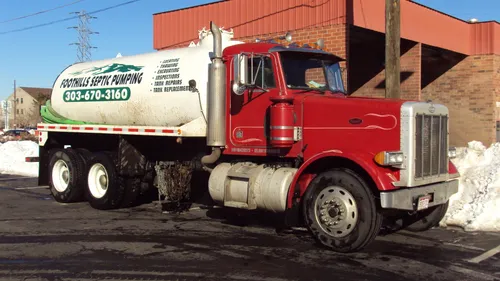
Foothills Septic Pumping
Golden, CO 80402
Foothills Septic Pumping is a licensed and insured septic service provider based near Denver, CO. They offer a range of services including septic tank pumping, NAWT certified inspections, sewer line repair, and septic tank installation and replacement for both residential and commercial clients. With over 32 years of experience in the industry, the company emphasizes professional and thorough septic system maintenance to keep systems functioning properly. They serve Denver and surrounding areas including Bailey, CO.
Understanding Septic System Basics
A septic system, or on-site wastewater treatment system (OWTS), is a self-contained, underground system that treats sewage from homes not connected to a municipal sewer line. The core components are a septic tank, which separates solids from liquids, and a drain field (or leach field), where the treated liquid effluent is dispersed into the soil for final purification. Proper installation is critical, as a failing system can lead to costly repairs, environmental contamination, and health hazards.
Littleton and Colorado Regulatory Framework
All septic system installation and replacement in Littleton must comply with Colorado Regulation 43 and local health department standards. The regulatory framework ensures systems are designed and built to handle the specific conditions of your property.
- Permitting Authority: For most residential systems in Littleton, permits are managed by the local health agency for the county your property resides in-typically Jefferson or Arapahoe County. These agencies oversee systems with a design flow of 2,000 gallons per day or less.
- Local Code: Littleton's municipal code (Title 7) contains specific provisions for on-site sewage disposal, which work in conjunction with state rules.
- Licensing: Septic installers must be properly licensed to perform this specialized work in Colorado.
The Step-by-Step Installation & Replacement Process
1. Site Evaluation and Soil Testing
Before any design can begin, a professional must evaluate your property. This crucial step determines the feasibility and type of system your land can support.
- Soil Percolation Test: A "perc test" measures how quickly water drains through your soil. This absorption rate directly dictates the size and design of the required drain field 1.
- Site Survey: The evaluation also considers topography, groundwater levels, and proximity to wells or water bodies.
2. System Design and Engineering
Based on the site evaluation, a qualified professional-often a professional engineer or specialized designer-creates the system plans. The design must account for household size, soil conditions, and local regulations. Systems can range from conventional gravity-fed setups to more complex engineered systems for challenging sites.
3. Obtaining the Required Permits
You cannot begin construction without approved permits. The application submitted to the local health department must include the engineered design plans, specifications, and a detailed site plan 2. The permit officially authorizes the construction of your specific on-site wastewater system.
4. Construction and Mandatory Inspections
Once permitted, the physical installation begins. Colorado law requires inspections at critical stages to ensure compliance with the approved plans:
- Pre-Construction Inspection: Verification of the site layout.
- Tank Placement Inspection: Before the septic tank is buried.
- Drain Field Inspection: Before the leach field trenches are backfilled.
- Final Inspection: A comprehensive check of the completed system before it is put into service 3 4.
Find the perfect septic tank installation & replacement contractors for your needs
Get personalized recommendations and expert advice
Cost Considerations for Installation and Replacement
The total project cost for a new septic system or a full system replacement in Littleton can vary widely, typically ranging from $3,000 to over $20,000. Several factors influence the final price:
- System Type and Size: A basic gravity system for a small home is less expensive than a large, engineered system with pumps or advanced treatment components for a large household or difficult soil.
- Site Conditions: Rocky soil, high groundwater, or a sloped lot can significantly increase excavation and construction costs.
- Tank Material: The septic tank itself can cost between $1,200 and $3,500, with concrete, plastic, and fiberglass being common options.
- Permits and Design: The necessary soil testing, engineered design, and permit fees can add an additional $1,500 to $5,000 to the project total 5.
When is Replacement Necessary?
Understanding when to repair versus replace your septic system can save you money and prevent emergencies. Consider replacement if you experience:
- Persistent Drain Field Failure: Sewage backing up into the house or surfacing in the yard often indicates a failing drain field that may need replacement.
- Major Tank Damage: Cracks, collapse, or deterioration of the tank itself usually requires a full replacement.
- Home Expansion: If you're adding bedrooms or significantly increasing your home's water usage, your existing system may be undersized and need an upgrade.
- System Age: While well-maintained systems can last decades, older systems (30+ years) are more prone to failure and may not meet current code.
Choosing a Qualified Installation Professional
Selecting the right contractor is the most important decision you'll make. Look for:
- Valid Colorado License: Confirm they are licensed for septic system installation.
- Local Experience: Choose a provider familiar with Littleton and county-specific inspectors and regulations.
- References and Reviews: Ask for local references and check online reviews.
- Detailed Quotes: Obtain written, itemized estimates that include costs for design, permits, materials, labor, and inspections.
- Insurance: Verify they carry liability and workers' compensation insurance.
Long-Term Care After Installation
A new system is a long-term investment. Protect it by adhering to Colorado's maintenance law, which requires septic tanks to be inspected and pumped at least once every four years 6 7. Proper care, including water conservation and avoiding flushing harmful chemicals, will extend the life of your system for decades.
Frequently asked questions
Sources
Footnotes
-
Clean water: On-site wastewater treatment systems - https://cdphe.colorado.gov/OWTS ↩
-
On-site Sewage Disposal System | Pueblo West, CO - http://www.pueblowestmetro.us/188/On-site-Sewage-Disposal-System ↩
-
Document Viewer | Littleton, CO City Code and Charter - https://online.encodeplus.com/regs/littleton-co-cc/doc-viewer.aspx?secid=1381 ↩
-
Regulation 43 - Colorado Secretary of State - https://www.sos.state.co.us/CCR/GenerateRulePdf.do?ruleVersionId=5317 ↩
-
Cost to Install a Septic System - https://www.scorpionsepticservices.com/blog/how-much-does-it-cost-to-install-a-septic-system ↩
-
Colorado Septic Tank Requirements | On-site Wastewater ... - https://www.ntotank.com/blog/colorado-septic-tank-requirements ↩
-
On-Site Wastewater Treatment System Frequently Asked Questions - https://county.pueblo.org/public-health/owts-faqs ↩