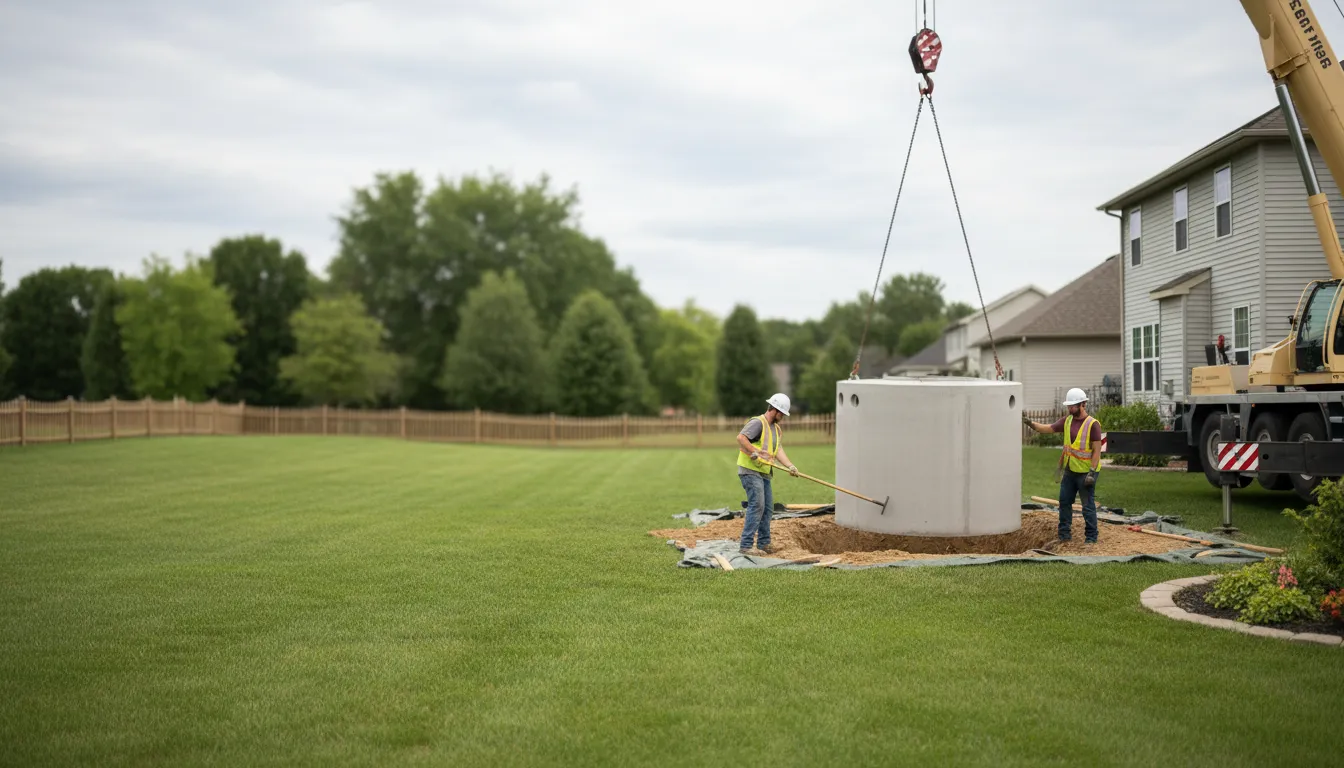
Find the Best Septic Tank Installation & Replacement Contractors for Your Business
No obligation • Fast responses • Nationwide coverage

Why you can trust Septic Spot
Septic Spot is a leading United States resource for understanding and comparing septic services. Our editors review providers using consistent criteria and verify key business details. Listings and scores are independent, and companies cannot pay to influence our content.
Search providers near you
Top Septic Tank Installation & Replacement Contractors in Longmont, Colorado Ranked
Installing or replacing a septic system is a significant project that ensures the safe and effective treatment of household wastewater on your property. In Longmont and the surrounding Boulder County area, this process is governed by specific health and environmental regulations designed to protect local groundwater and public safety. Understanding the steps, from initial soil testing to final inspection, is crucial for a successful project. This guide will help you navigate the local requirements and connect with qualified professionals for your septic system installation or replacement needs.
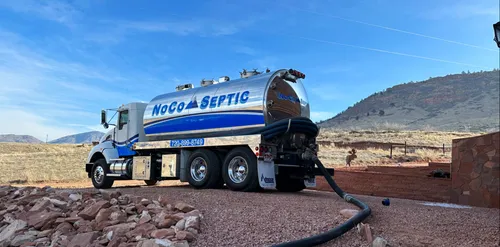
NoCo Septic & Excavation
Greeley, CO
NoCo Septic & Excavation is a septic tank pumping, repair, and installation company based in Greeley, CO. Serving Boulder County and surrounding areas, they offer expert septic services with a focus on quality and customer information. Established in 2016, the company brings experience from water treatment and public works to ensure dependable septic solutions.
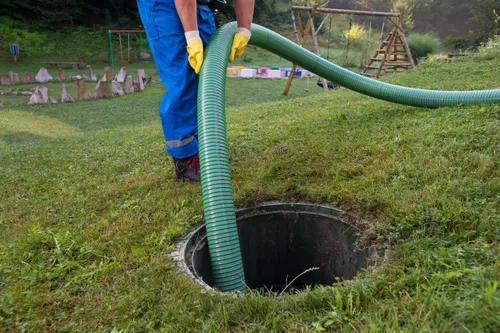
Black Diamond Pumping
14037 Co Rd 8, Fort Lupton, CO 80621
Black Diamond Pumping is a family-owned septic service company based in Fort Lupton, Colorado, serving Denver and the surrounding Northern Colorado areas including Adams, Weld, and Boulder counties. They provide a full range of septic system services such as pumping, inspections, repairs, and installations for both residential and commercial properties. With over 20 years of experience, the company is licensed and insured, equipped to handle septic tanks of all sizes, and emphasizes routine maintenance to ensure proper system function and safety.
High Performance Earthworks
50 Wolf Tongue Ct, Nederland, CO 80466
High Performance Earthworks is a septic system repair and installation contractor based in Denver, CO. They provide excavation, foundation, drainage, and full site development services, focusing on septic systems and related infrastructure for residential and commercial properties. The company is experienced in handling complex projects including foundation work and site drainage, with a strong emphasis on meeting industry standards and customer needs. Since 2015, they have completed over 250 septic system installations and more than 120 foundation projects, serving clients across Colorado's Front Range. Their team is also involved in permitting and project planning to ensure smooth execution.
Sewer Experts Denver Sewer Line Repair & Replacement, Drain Scope, Water Lines
6510 E 49th Ave Ste A, Commerce City, CO 80022
Sewer Experts Denver Sewer Line Repair & Replacement, Drain Scope, Water Lines is a locally owned and operated contractor based in Denver, CO, providing commercial and residential sewer and water line services. They offer a range of solutions including trenchless sewer repairs using CIPP lining and pipe bursting, sewer and drain cleaning, water line installation and repair, septic tank installation, and grease trap services. With over 20 years of experience, the company serves the Mile High area, suburbs, and the Front Range, and provides 24/7 emergency sewer services. Their certified technicians focus on transparent communication, quality workmanship, and minimizing disruption during projects.
AB Dirt Works, Inc.
32692 Bravo Point, Greeley, CO 80631
AB Dirt Works, Inc. is a veteran-owned excavation and septic system company based in Fort Collins, CO. They provide full-service excavation and site preparation, specializing in septic system installations and repairs across Northern Colorado, including Greeley, Windsor, Eaton, Severance, and surrounding counties. With over 20 years of experience, AB Dirt Works handles projects such as foundation excavation, backfill, parking lots, demolition, and pool excavation. They are licensed and insured, known for their expertise in Colorado soil and frost conditions, and ensure their work meets inspection standards. The company has been serving the community since 2005.
Understanding On-Site Wastewater Treatment Systems
An On-site Wastewater Treatment System (OWTS), commonly called a septic system, is a self-contained wastewater solution for properties not connected to a municipal sewer line. It consists of a septic tank, where solids settle and begin to decompose, and a drain field (or leach field), where the treated liquid effluent is dispersed into the soil for final purification. In Longmont, these systems are a vital part of rural and suburban infrastructure, and their proper design and installation are regulated by Boulder County Public Health and the Colorado Department of Public Health and Environment (CDPHE). Whether you're building a new home, replacing a failing system, or upgrading an existing one, navigating the local permit and installation process is essential.
The Longmont and Boulder County Permit Process
Before any digging begins, you must secure the proper permits. Boulder County requires a permit for any new installation, repair, or replacement of a septic system. The process is designed to ensure the system is suitable for your specific property conditions.
- Initial Design and Site Assessment: The first step is hiring a qualified professional, often a licensed engineer or soil scientist, to conduct a site assessment. This includes digging a soil profile hole to determine soil type, depth to groundwater, and slope 1. This information is used to create an engineered system design.
- Percolation Test: A critical part of the assessment is the percolation ("perc") test, which measures how quickly water absorbs into the soil. The results directly determine the size and type of drain field required.
- Application Submission: Your engineer or designer will compile the system design, soil report, and application forms. You then submit this package, along with the permit fee (typically ranging from $150 to $500), to Boulder County Public Health for review and approval 2 3.
- Permit Approval: Only after receiving written permit approval from the county can construction legally commence 4.
Key Stages of System Installation
Once permitted, the physical installation follows a structured sequence. Hiring a licensed septic system installer is not just recommended-it's a county requirement.
- Excavation and Preparation: The installer will excavate the area for the septic tank and the designated drain field according to the approved plans.
- Tank Placement: The septic tank (often concrete, plastic, or fiberglass) is carefully set in place and leveled. Connections for the inlet from the house and outlet to the drain field are installed.
- Drain Field Construction: This is the most variable part of the project. For a conventional gravity system, a network of perforated pipes is laid in gravel-filled trenches. More complex sites may require engineered systems like pressure-dosed fields or sand filters.
- Pre-Cover Inspections: Boulder County requires inspections during construction. An "open hole" inspection may occur before the tank or drain field components are placed. Most importantly, the installer must request a final inspection before the system is covered with backfill 5 6.
- Final Approval: After passing the final inspection, the county issues a final "use permit" or approval for operation. This document is often necessary for obtaining a certificate of occupancy for a new home.
Find the perfect septic tank installation & replacement contractors for your needs
Get personalized recommendations and expert advice
Types of Septic Systems Used in the Area
The right system for your Longmont property depends entirely on the site conditions revealed during the soil evaluation.
- Conventional Gravity Systems: The most common type where effluent flows by gravity from the tank to a series of trenches. These are suitable for properties with adequate soil depth, permeability, and slope.
- Engineered or Alternative Systems: Required when site conditions are challenging (e.g., high groundwater, poor soil, limited space, or steep slopes). These can include:
- Pressure-Dosed Drain Fields: Use a pump to evenly distribute effluent across the field.
- Sand Filter Systems: Provide advanced treatment by passing effluent through a sand bed before dispersal.
- Aerobic Treatment Units (ATUs): Use oxygen to break down waste more thoroughly, often used in environmentally sensitive areas.
Your design professional will specify the system type that complies with Boulder County's Regulation 43 and state OWTS rules 7 8.
Cost Factors for Installation and Replacement
The total cost for a new septic system or a full replacement in the Longmont area can vary widely, typically ranging from $5,000 to over $20,000. Several key factors influence the final price:
- System Type and Complexity: A standard gravity system is the most economical. Engineered systems (pressure-dosed, sand filters, ATUs) are significantly more expensive due to added components like pumps, tanks, and advanced media.
- Site Conditions: Difficult terrain, rocky soil, or the need for extensive excavation and grading will increase labor and equipment costs.
- Tank Size and Material: Larger tanks cost more. Concrete is traditional and durable, while plastic tanks may be lighter and easier to install.
- Design and Permit Fees: Professional design/engineering and soil testing can cost between $1,500 and $5,000, with permit fees on top of that 9 10.
- Replacement-Specific Costs: Replacing a system often includes the cost of properly abandoning and removing the old septic tank, which adds to the project total.
Planning for a System Replacement
Homeowners with existing systems should be proactive. Signs you may need a replacement include frequent backups, soggy ground or foul odors near the drain field, and excessively green grass over the field. The replacement process mirrors a new installation: a new site assessment and design are required, followed by permitting and installation by a licensed contractor. It's important to note that current codes will apply, so your new system must meet today's stricter standards, which may mean it cannot be placed in the exact same location as the old one.
Maintaining Your New Investment
After a successful installation, proper maintenance is key to longevity. This includes having the septic tank pumped regularly by a licensed pumper (typically every 3-5 years), conserving water to avoid overloading the system, and avoiding flushing harmful chemicals or non-biodegradable materials. Protect your drain field by never driving or parking heavy vehicles over it and planting only grass or shallow-rooted plants above it.
Frequently asked questions
Sources
Footnotes
-
What Septic System Do I Need? Van Delden's Guide & Video - https://www.vdwws.com/blog/what-kind-of-septic-system-do-i-need-video ↩
-
OWTS Permits and Fees - Boulder County - https://bouldercounty.gov/environment/water/septicsmart/permit-and-fee-schedule/ ↩
-
Understanding Septic Tank Permits and Regulations - https://westcoastsanitationinc.com/understanding-septic-tank-permits-and-regulations/ ↩
-
How to Know if You Need a Septic System Permit - Pippin Home Designs - https://www.pippinhomedesigns.com/septic-system-permit/ ↩
-
What to Know About Septic System Installation | Boulder, CO - https://www.sullivanseptic.net/blog/what-to-know-about-septic-system-installation ↩
-
Septic Systems - Adams County Health Department - https://adamscountyhealthdepartment.org/licensing-inspections/septic-systems/ ↩
-
Clean water: On-site wastewater treatment systems - https://cdphe.colorado.gov/OWTS ↩
-
On-site Wastewater Treatment System Regulations - https://nchd.org/wp-content/uploads/2024/08/Onsite-wastewater-treatment-system-regulations.pdf ↩
-
Cost to Install a Septic System - https://www.scorpionsepticservices.com/blog/how-much-does-it-cost-to-install-a-septic-system ↩
-
Colorado Septic Tank Requirements | On-site Wastewater ... - https://www.ntotank.com/blog/colorado-septic-tank-requirements ↩