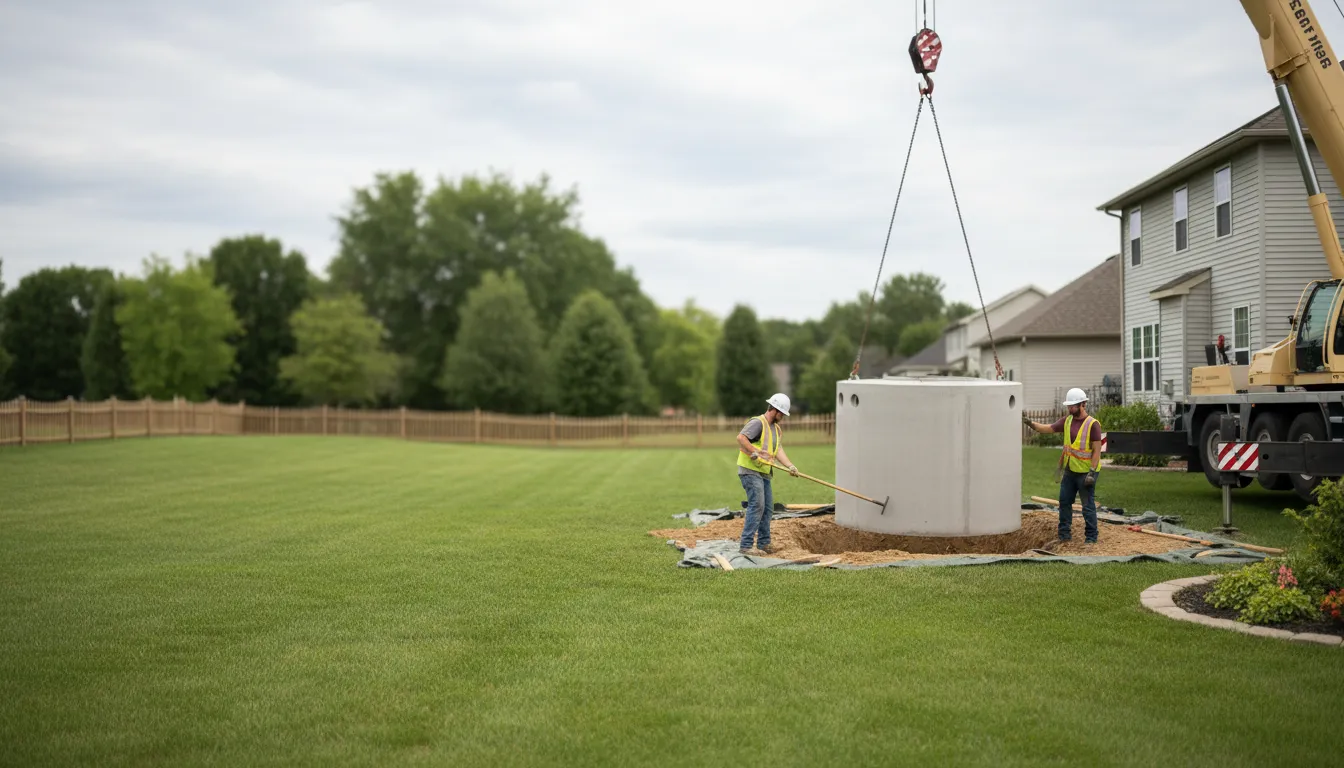
Find the Best Septic Tank Installation & Replacement Contractors for Your Business
No obligation • Fast responses • Nationwide coverage

Why you can trust Septic Spot
Septic Spot is a leading United States resource for understanding and comparing septic services. Our editors review providers using consistent criteria and verify key business details. Listings and scores are independent, and companies cannot pay to influence our content.
Search providers near you
Top Septic Tank Installation & Replacement Contractors in Loveland, Colorado Ranked
Installing or replacing a septic system is a significant investment in your property's long-term functionality and environmental health. In Loveland, this process is governed by specific regulations from Larimer County to ensure systems are safe, effective, and protect local groundwater. This guide explains the key steps, costs, and local requirements for septic system installation and replacement, helping you navigate the process and connect with qualified local professionals.
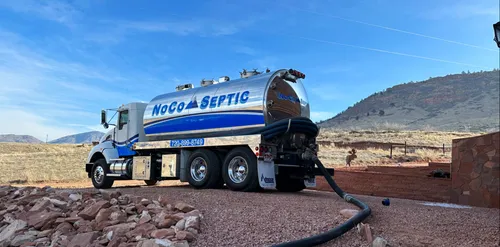
NoCo Septic & Excavation
Greeley, CO
NoCo Septic & Excavation is a septic tank pumping, repair, and installation company based in Greeley, CO. Serving Boulder County and surrounding areas, they offer expert septic services with a focus on quality and customer information. Established in 2016, the company brings experience from water treatment and public works to ensure dependable septic solutions.
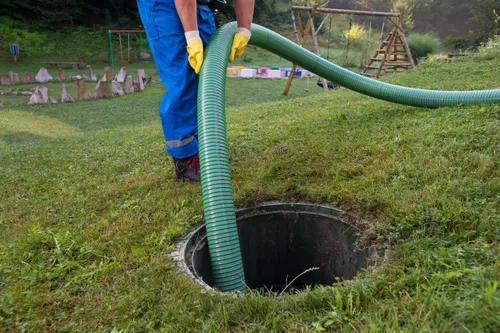
Black Diamond Pumping
14037 Co Rd 8, Fort Lupton, CO 80621
Black Diamond Pumping is a family-owned septic service company based in Fort Lupton, Colorado, serving Denver and the surrounding Northern Colorado areas including Adams, Weld, and Boulder counties. They provide a full range of septic system services such as pumping, inspections, repairs, and installations for both residential and commercial properties. With over 20 years of experience, the company is licensed and insured, equipped to handle septic tanks of all sizes, and emphasizes routine maintenance to ensure proper system function and safety.
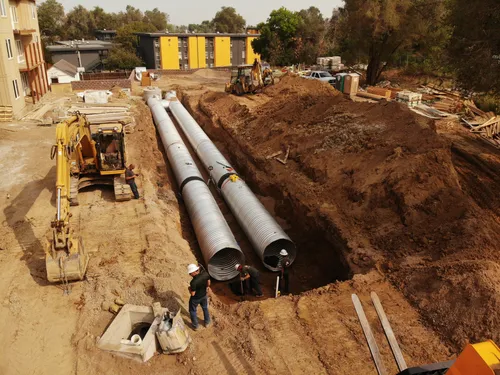
AB Dirt Works, Inc.
32692 Bravo Point, Greeley, CO 80631
AB Dirt Works, Inc. is a veteran-owned excavation and septic system company based in Fort Collins, CO. They provide full-service excavation and site preparation, specializing in septic system installations and repairs across Northern Colorado, including Greeley, Windsor, Eaton, Severance, and surrounding counties. With over 20 years of experience, AB Dirt Works handles projects such as foundation excavation, backfill, parking lots, demolition, and pool excavation. They are licensed and insured, known for their expertise in Colorado soil and frost conditions, and ensure their work meets inspection standards. The company has been serving the community since 2005.
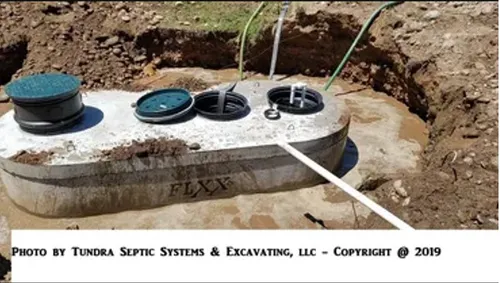
Tundra Septic & Excavating
Denver, CO
Tundra Septic & Excavating is a septic tank inspection and installation company based in Denver, CO. They serve residents along the Front Range and mountain areas, working closely with engineers and county officials to ensure septic systems meet current code standards. The company offers property transfer septic inspections and is experienced with Boulder and Larimer County's Septic Smart Programs. They are nationally certified to install and inspect onsite wastewater treatment systems and have been operating since 2012.

Urgent Septic Services
Fort Collins, CO
Urgent Septic Services is a family-owned business offering septic tank pumping, inspection, and installation in Fort Collins, CO. With over a decade of experience serving Greeley and surrounding areas, they provide comprehensive septic solutions for both residential and commercial properties. Their skilled team handles everything from routine maintenance to emergency septic services, ensuring systems function properly and efficiently.
Understanding Septic System Installation in Larimer County
A new septic system installation or a full system replacement is more than just digging a hole. It's a carefully engineered project designed to treat household wastewater on-site. In Loveland and throughout Larimer County, all new installations, major repairs, or system expansions (like adding a bedroom) require a permit for an On-site Wastewater Treatment System (OWTS) from Larimer County Environmental Health. The process ensures the system is suited to your property's specific soil conditions and size requirements, preventing failures that could contaminate soil and water.
The Permit Process: Your First Step
Before any work begins, you must secure a septic permit. The Larimer County permit fee is currently $1,710. To apply, you'll need to submit a package that typically includes:
- A detailed site plan of your property.
- A professional soil report from required test pits.
- An engineered system design.
This package is usually assembled by a licensed septic engineer or designer who understands local codes. The county reviews this submission to approve the system's design and location on your lot.
Critical Step: The Soil Evaluation & Test Pits
The most crucial factor in designing a septic system is your property's soil. Since 2018, Larimer County requires a specific soil evaluation involving two test pits.
- Location: Pits must be dug 40-50 feet apart within the planned drain field area.
- Depth: They must be excavated 8 feet deep or until bedrock or groundwater is encountered, whichever comes first.
- Inspection: These pits must remain open for inspection by a county official. This evaluation determines the soil's absorption rate (percolation) and identifies any limiting layers, directly influencing the size and type of system you'll need 1.
A licensed engineer or soil scientist performs this evaluation and creates the subsequent system design based on the findings.
Installation & Mandatory Inspections
Once your permit is approved, installation can begin using a county-licensed contractor. The installation process itself is subject to strict inspections to ensure compliance with the approved plans.
- Pre-Installation: The approved site is staked out.
- Construction Inspection: After the tank and leach field components are installed but before they are backfilled, a Larimer County Environmental Health inspector must visit the site to verify everything is built to code 2.
- Final Approval: After passing inspection and being covered, the installer or engineer submits a final report certifying the installation matches the design. The county then issues a final approval for the system to be placed into service.
Find the perfect septic tank installation & replacement contractors for your needs
Get personalized recommendations and expert advice
Cost Breakdown for Septic Systems in Loveland
The total cost for a new septic system installation or complete replacement in Loveland can vary widely based on soil conditions, system size, and technology. Here's a general breakdown of what to budget for:
- Permit Fees: Approximately $1,710 for the Larimer County OWTS permit 3.
- Engineering & Soil Testing: Typically between $1,500 and $3,000 for the test pits, soil report, and engineered design 4.
- Total Installation Cost: For a standard conventional system, total costs generally range from $5,000 to over $15,000 5 6. Complex systems for difficult soils (like mound or aerobic treatment systems) can cost significantly more. This price includes excavation, the septic tank, drain field materials, labor, and the installation inspections.
System Types and Choosing the Right One
The results of your soil test pits will dictate the type of system suitable for your property.
- Conventional System: The most common and least expensive option, used in soils with good percolation.
- Chamber System: Uses plastic chambers in the drain field, often good for areas with high groundwater.
- Mound System: An above-ground system used when soil depth to bedrock or water table is too shallow.
- Aerobic Treatment Unit (ATU): A more advanced system that treats effluent to a higher standard, often required for small lots or environmentally sensitive areas.
Your septic engineer will recommend the most compliant and cost-effective type based on the county's evaluation of your soil.
Licensing, Maintenance, and Long-Term Care
Colorado state law requires that anyone installing, repairing, or pumping a septic system must hold the appropriate license 7. Always verify that your contractor is licensed with the state and familiar with Larimer County's specific regulations.
Once installed, the system's longevity depends on proper care. Colorado mandates that septic tanks be pumped and inspected at least every four years, though more frequent maintenance may be recommended based on usage 8 9 10. Keeping records of all maintenance and inspections is essential for your home's records and any future property sale.
Planning for a System Replacement
If you're replacing an existing failed system, the process is similar to a new installation. The county will require new test pits and a new design, as regulations and soil conditions may have changed since the original system was installed. Replacement is often triggered by a failed inspection, persistent drain field problems, or a home expansion that increases the system's required capacity.
Frequently asked questions
Sources
Footnotes
-
Septic Systems (OWTS) - | Larimer County - https://www.larimer.gov/health/environmental-health/septic-systems/septic-systems-owts ↩
-
Larimer County Septic Systems | Soil Test and Septic - https://www.soiltestandseptic.com/larimer-county-septic-systems ↩
-
Frequently Asked Questions - CivicPlus.CMS.FAQ - https://www.lakecountyco.gov/FAQ.aspx?QID=99 ↩
-
Understanding Septic Tank Permits and Regulations - https://westcoastsanitationinc.com/understanding-septic-tank-permits-and-regulations/ ↩
-
Larimer County Septic Engineering | Soil Test and Septic - https://www.soiltestandseptic.com/larimer-county-septic-engineer ↩
-
Cost to Install a Septic System - https://www.scorpionsepticservices.com/blog/how-much-does-it-cost-to-install-a-septic-system ↩
-
Colorado Septic License & Certification | 2024 Contractor Guide - https://www.servicetitan.com/licensing/septic/colorado ↩
-
Colorado Septic Tank Requirements | On-site Wastewater ... - https://www.ntotank.com/blog/colorado-septic-tank-requirements ↩
-
Basic Onsite Wastewater Treatment System (Septic) Requirements - https://nchd.org/wp-content/uploads/2024/08/2018-OWTS-Basic-System-Requirements.pdf ↩
-
Individual Sewage Disposal Systems - Code of Colorado Regulations - https://www.sos.state.co.us/CCR/GenerateRulePdf.do?ruleVersionId=376 ↩