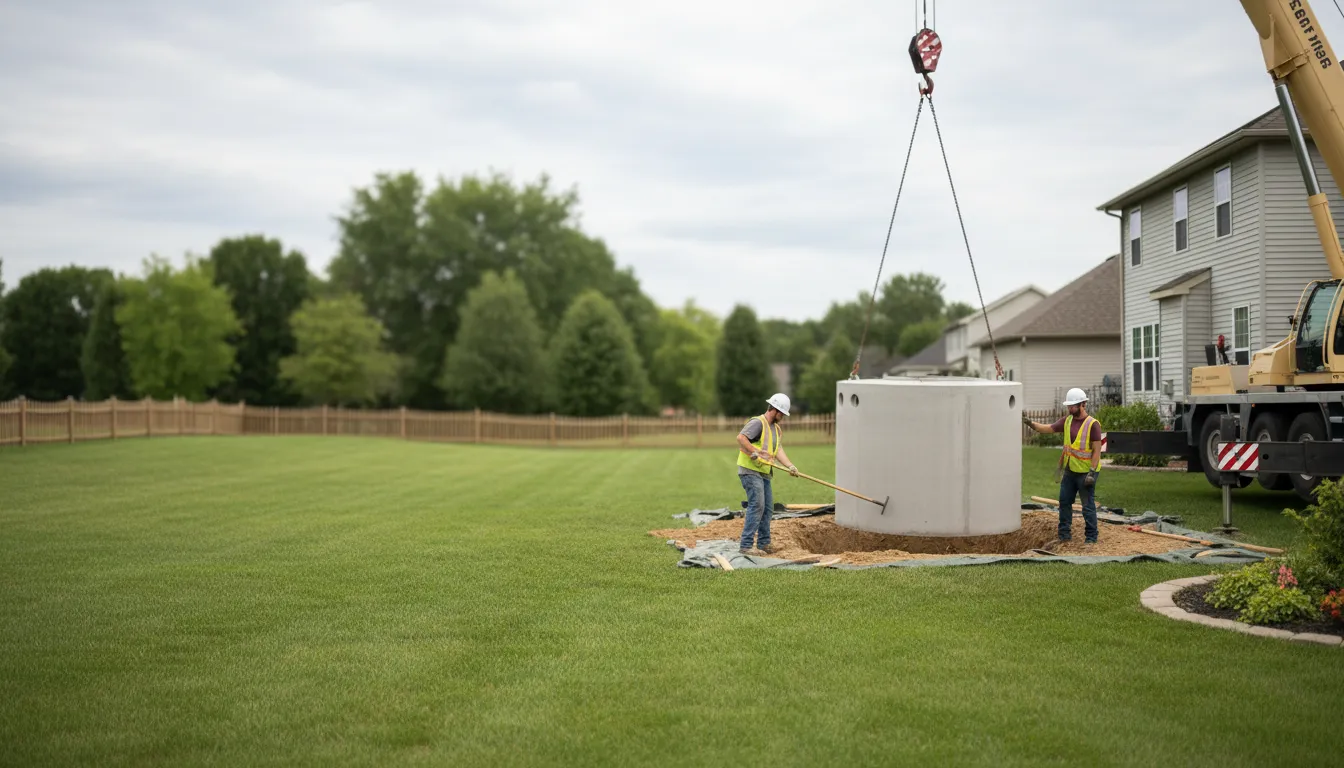
Find the Best Septic Tank Installation & Replacement Contractors for Your Business
No obligation • Fast responses • Nationwide coverage

Why you can trust Septic Spot
Septic Spot is a leading United States resource for understanding and comparing septic services. Our editors review providers using consistent criteria and verify key business details. Listings and scores are independent, and companies cannot pay to influence our content.
Search providers near you
Top Septic Tank Installation & Replacement Contractors in Westminster, Colorado Ranked
Installing or replacing a septic system is a significant investment in your property's long-term functionality and environmental health. In Westminster, this process is governed by specific local and state regulations designed to protect groundwater and ensure system reliability. This guide explains the key steps, requirements, and considerations for septic system work in Westminster, helping you navigate the process from initial soil testing to final inspection with confidence.
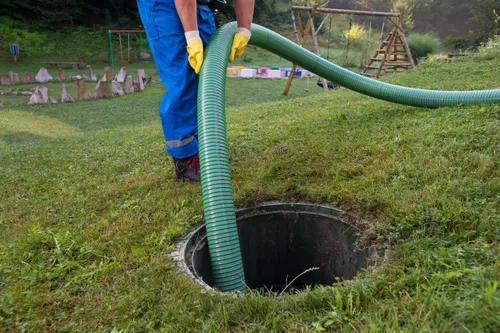
Black Diamond Pumping
14037 Co Rd 8, Fort Lupton, CO 80621
Black Diamond Pumping is a family-owned septic service company based in Fort Lupton, Colorado, serving Denver and the surrounding Northern Colorado areas including Adams, Weld, and Boulder counties. They provide a full range of septic system services such as pumping, inspections, repairs, and installations for both residential and commercial properties. With over 20 years of experience, the company is licensed and insured, equipped to handle septic tanks of all sizes, and emphasizes routine maintenance to ensure proper system function and safety.
High Performance Earthworks
50 Wolf Tongue Ct, Nederland, CO 80466
High Performance Earthworks is a septic system repair and installation contractor based in Denver, CO. They provide excavation, foundation, drainage, and full site development services, focusing on septic systems and related infrastructure for residential and commercial properties. The company is experienced in handling complex projects including foundation work and site drainage, with a strong emphasis on meeting industry standards and customer needs. Since 2015, they have completed over 250 septic system installations and more than 120 foundation projects, serving clients across Colorado's Front Range. Their team is also involved in permitting and project planning to ensure smooth execution.
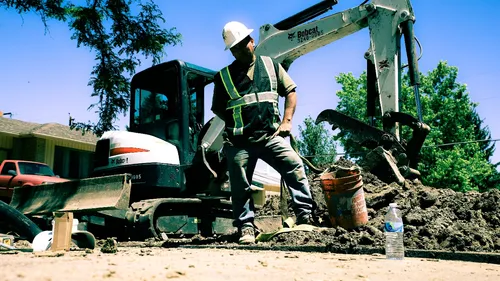
Sewer Experts Denver Sewer Line Repair & Replacement, Drain Scope, Water Lines
6510 E 49th Ave Ste A, Commerce City, CO 80022
Sewer Experts Denver Sewer Line Repair & Replacement, Drain Scope, Water Lines is a locally owned and operated contractor based in Denver, CO, providing commercial and residential sewer and water line services. They offer a range of solutions including trenchless sewer repairs using CIPP lining and pipe bursting, sewer and drain cleaning, water line installation and repair, septic tank installation, and grease trap services. With over 20 years of experience, the company serves the Mile High area, suburbs, and the Front Range, and provides 24/7 emergency sewer services. Their certified technicians focus on transparent communication, quality workmanship, and minimizing disruption during projects.
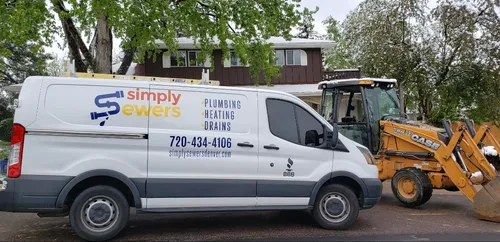
Simply Sewers - a Littleton Drain Cleaning Company
Denver, CO
Simply Sewers - a Littleton Drain Cleaning Company provides septic system repair and septic tank installation services in Denver, CO. They offer 24/7 emergency drain cleaning and sewer repair, including trenchless sewer and water line replacement, sewer camera inspections, and hydro jet drain cleaning. With over 10 years of experience serving the Denver Metro area, the company emphasizes honest estimates and thorough cleanup after service.
Mountain Contracting LLC - Sewer & Septic
Denver, CO
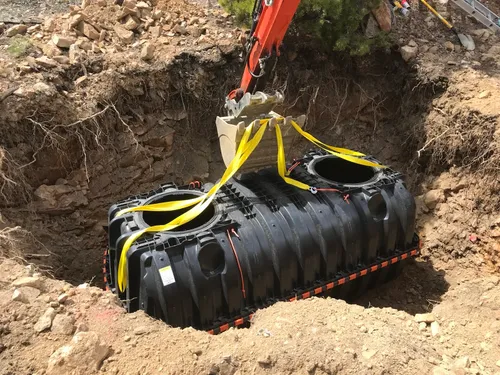
Mountain Contracting LLC - Sewer & Septic is a full-service contractor based in Denver, CO, specializing in septic system installation, repair, and maintenance as well as sewer and water line services. They handle projects from initial assessment and permitting through to completion, ensuring all work meets local health department codes. Their expertise includes working in tight excavation areas with specialized equipment. The company also offers general land clearing and excavation services. Mountain Contracting LLC aims to complete projects efficiently and correctly, providing a final walkthrough to ensure customer satisfaction. They also respond to emergencies to restore septic and sewer functions promptly.
Understanding Westminster's Regulatory Landscape
Septic systems, or on-site wastewater treatment systems (OWTS), in Westminster fall under the jurisdiction of either the Adams or Jefferson County Health Department, depending on your property's location. All systems must comply with Colorado Regulation 43, which sets the statewide standard for design, construction, and maintenance. The core principle is that a septic system is not a one-size-fits-all solution; its design is entirely dependent on your specific property's conditions. Before any digging begins, you must secure a permit from your local health department. This permit is mandatory for new construction, repairs, or full replacements of an existing wastewater system 1.
The Critical First Step: Site Evaluation & Soil Testing
The entire design of your septic system hinges on the soil's ability to absorb and treat effluent. This is determined through a formal site evaluation and a soil percolation test, commonly called a "perc test."
- Soil Percolation Test: A certified professional conducts this test to measure how quickly water drains through the soil in a designated area 2 3. The results, reported in minutes per inch, directly dictate the size and type of leach field required. Slow-draining soils need larger drain fields, while fast-draining soils may require different treatment approaches.
- Professional Design: The perc test results are used by a licensed professional engineer to create an engineered system design 4 5. This design specifies the tank capacity, leach field layout, and any special components needed to meet regulatory standards for your soil conditions and household size.
Skipping or failing this step can lead to a system that doesn't function properly, causing backups, environmental contamination, and costly failures down the line.
Navigating the Permit Process
With your engineered design in hand, you can apply for the necessary permit. The application process typically involves submitting several key documents to your county health department 6 7:
- A detailed site plan showing the proposed system location, property lines, wells, and waterways.
- The engineered system design and soil test report.
- A completed application form along with the required fee (typically ranging from $150 to $500) 8 9.
It's important to note that replacement systems often face stricter scrutiny. If you're replacing a failing system, you will likely need to bring the entire setup into compliance with current regulations, which may differ significantly from the rules in place when the original system was installed 10.
Find the perfect septic tank installation & replacement contractors for your needs
Get personalized recommendations and expert advice
The Installation & Inspection Phases
Once your permit is approved, installation can begin. A reputable installer will follow the approved design precisely. The local health department conducts critical inspections at various stages to ensure compliance 11 12:
- Site Assessment Inspection: A preliminary check of the property topography and proposed location.
- Open Hole/Installation Inspection: This is perhaps the most crucial inspection. The inspector examines the excavated tank bed, the properly placed tank, and the constructed leach field trenches before they are backfilled. This ensures materials and construction meet code.
- Final Inspection: After the system is covered and landscaping is restored, a final inspection verifies the complete installation.
Passing each inspection is required before proceeding to the next phase of work.
Cost Considerations for Installation and Replacement
The total cost for a new septic system or a major replacement in Westminster can vary widely based on site complexity. Here's a general breakdown of potential expenses:
- Permits & Design: Budget approximately $1,500 to $5,000 to cover county permit fees, the soil percolation test, and the professional engineering design.
- System Installation: For a standard residential system, installation costs typically range from $5,000 to $15,000. However, challenging sites with poor soil, high water tables, or limited space can drive costs to $20,000 or more.
- Additional Fees: Be aware of potential additional costs, such as local enterprise fees. For example, legislation like Colorado's HB25-1120 can introduce fees (e.g., $10-$50) on permits to fund replacement programs for failing systems 13.
Choosing the Right System and Professional
Given the regulatory and technical complexity, selecting qualified professionals is non-negotiable. You will need:
- A certified soil scientist or evaluator to perform the perc test.
- A licensed professional engineer to design the system.
- A licensed and insured septic system installer with experience in Adams or Jefferson County.
- The county health department inspector throughout the process.
Always verify licenses and ask for local references. A properly installed and permitted system is not only a legal requirement but also a safeguard for your property value and the local environment.
Maintenance for Longevity
A new septic system is a long-term asset that requires care. After installation, regular pumping (typically every 3-5 years) and mindful water usage are essential to prevent premature failure. Keeping detailed records of inspections, pumping, and repairs will be invaluable for future maintenance and if you ever sell your property.
Frequently asked questions
Sources
Footnotes
-
How to Know if You Need a Septic System Permit - Pippin Home Designs - https://www.pippinhomedesigns.com/septic-system-permit/ ↩
-
Understanding Perc Testing in Colorado: A Guide by Land ... - https://www.soiltestandseptic.com/post/understanding-perc-testing-in-colorado-a-guide-by-land-systems-west ↩
-
Septic System Approval: Percolation Test & Expert Guidance - https://smartsepticpros.com/blog/how-to-do-a-percolation-test/ ↩
-
Adams County Septic Engineering | Larimer county Septic Engineer| Soil Test and Septic - https://www.soiltestandseptic.com/adams-county-septic-engineering ↩
-
The Complete Guide to Soil Testing for Septic System Design: Ensuring Regulatory Compliance and System Longevity - https://www.mapengineering.net/the-complete-guide-to-soil-testing-for-septic-system-design/ ↩
-
Septic Systems | Adams County Health Department - https://adamscountyhealthdepartment.org/licensing-inspections/septic-systems/ ↩
-
Clean water: On-site wastewater treatment systems - https://cdphe.colorado.gov/OWTS ↩
-
Cost to Install a Septic System - https://www.scorpionsepticservices.com/blog/how-much-does-it-cost-to-install-a-septic-system ↩
-
Understanding Septic Tank Permits and Regulations - https://westcoastsanitationinc.com/understanding-septic-tank-permits-and-regulations/ ↩
-
On-site Sewage Disposal System | Pueblo West, CO - http://www.pueblowestmetro.us/188/On-site-Sewage-Disposal-System ↩
-
Colorado Septic Tank Requirements | On-site Wastewater ... - https://www.ntotank.com/blog/colorado-septic-tank-requirements ↩
-
Septic Inspections Made Easy: What Every Contractor Needs to Know Before Breaking Ground (2025) - https://flengineeringllc.com/septic-inspections-guide-contractors-2025/ ↩
-
HB25-1120 Septic-System Replacement Enterprise | Colorado ... - https://leg.colorado.gov/bills/hb25-1120 ↩