Find the Best Septic Tank Installation & Replacement Contractors for Your Business
No obligation • Fast responses • Nationwide coverage

Why you can trust Septic Spot
Septic Spot is a leading United States resource for understanding and comparing septic services. Our editors review providers using consistent criteria and verify key business details. Listings and scores are independent, and companies cannot pay to influence our content.
Search providers near you
Top Septic Tank Installation & Replacement Contractors in Danbury, Connecticut Ranked
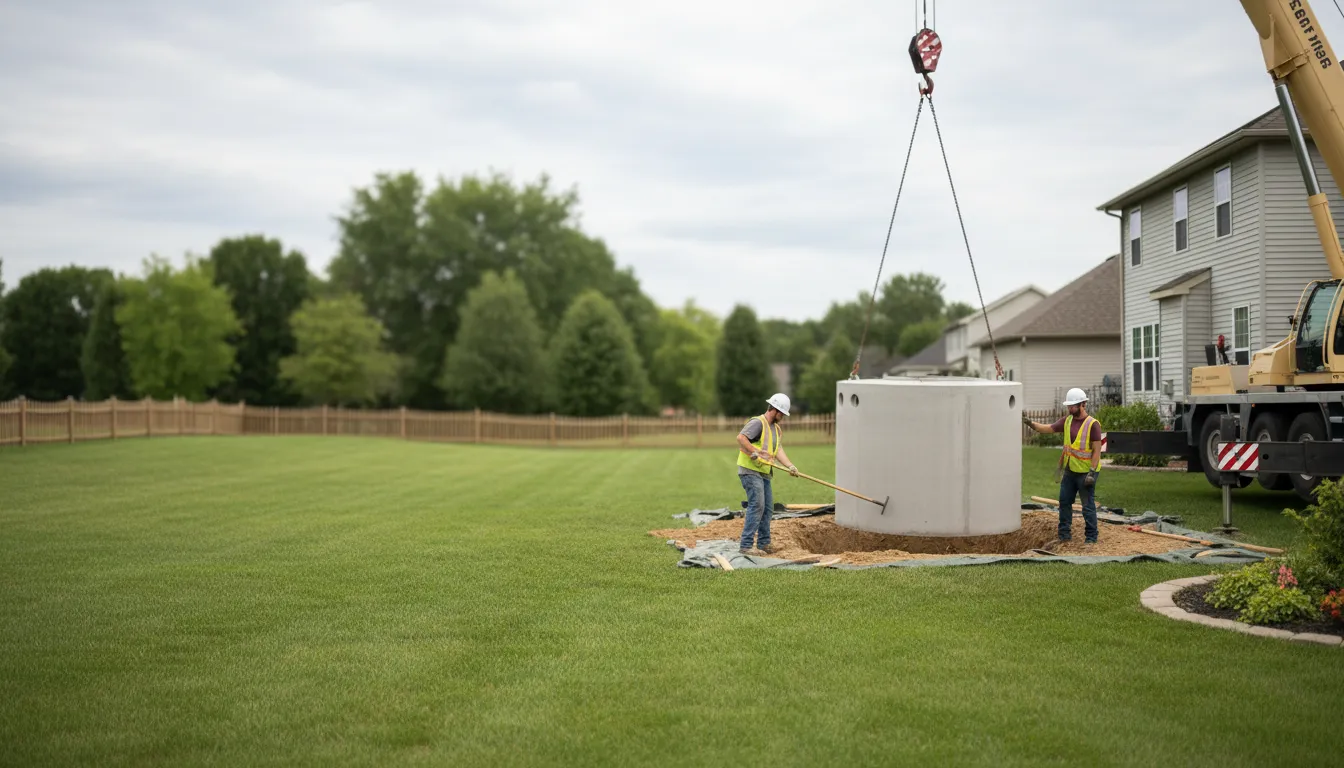
Installing or replacing a septic system is a significant home improvement project that ensures the safe and effective treatment of household wastewater. In Danbury, this process is governed by strict state and local health codes to protect both your property and the local environment, including the Housatonic River watershed. This guide explains the key steps, regulations, and considerations for septic system work in Danbury, helping you understand what to expect and how to connect with qualified local professionals for your installation or replacement needs.
Unlimited Excavation and Construction
688 N Washington Ave, Bridgeport, CT 06604
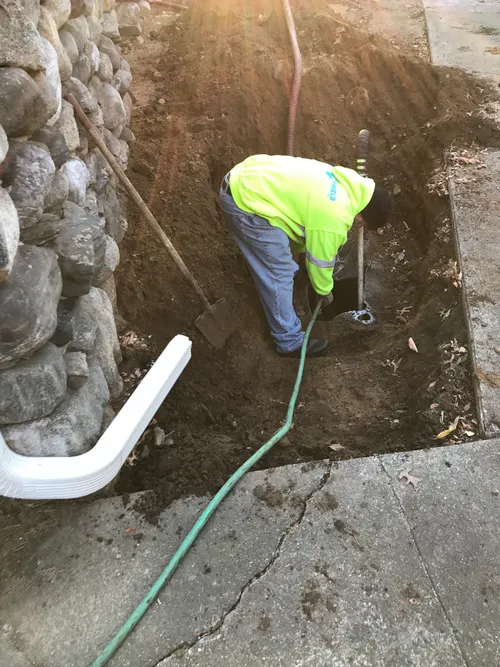
Unlimited Excavation and Construction is a family-owned company based in Bridgeport, CT, providing comprehensive septic and sewer services for residential and commercial clients. With over 30 years of experience, they offer septic tank installation, inspection, repair, and sewer line maintenance, along with additional services like drain cleaning and asphalt paving. Their team uses state-of-the-art technology to inspect septic systems and sewer lines, helping to identify potential issues early and perform necessary repairs efficiently. They also provide 24/7 emergency services to address urgent sewer and septic problems promptly.
Laco Site Services
35 Russell Rd, Bethany, CT 06524
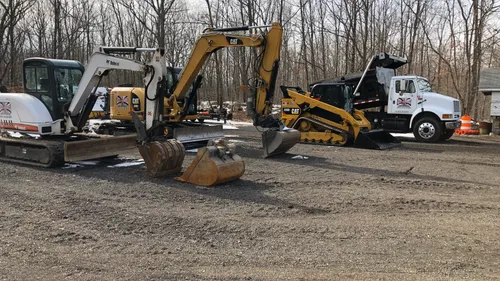
Laco Site Services is a septic tank installation contractor based in New Haven, CT. The company provides septic system design and installation along with excavation services for residential and commercial projects across New Haven County. With experience dating back to 1987, Laco Site Services has handled complex jobs including large septic systems and challenging waterproofing and drainage projects. The business also offers specialized excavation capabilities such as footing drain installation and stump removal following natural disasters.
Barcello & Son Septic Service LLC
334 Wilson Rd, Easton, CT 06612
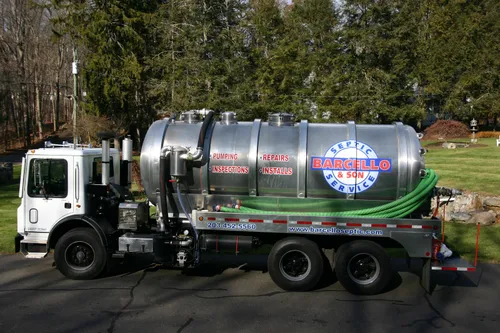
Barcello & Son Septic Service LLC is a family-owned business based in Easton, CT, serving the Bridgeport area with septic tank pumping, inspection, repair, design, and installation services. With over 20 years of experience in Fairfield County, they handle all sizes and types of septic systems using a proprietary 12-step pumping process and the latest equipment. Their expertise covers comprehensive septic system solutions, including real estate appraisal support and system design. The company emphasizes transparent pricing and guarantees their work. Barcello & Son Septic Service LLC is known for clear communication about service timing and procedures, aiming to provide a straightforward and reliable customer experience.
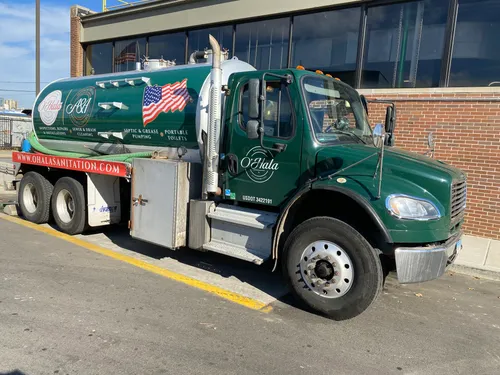
A & A Systems Control Inc
47 Larkin St Unit 5 A, Stamford, CT 06907
A & A Systems Control Inc is a family-owned septic and excavating services company based in Stamford, CT. They provide a full range of septic system services including pumping, inspections, repairs, installations, and drain cleaning for residential and commercial clients. Their expertise extends to excavation, drainage solutions, grease trap cleaning, and percolation testing, serving Stamford and nearby communities such as Greenwich, Darien, and New Canaan. The company offers 24/7 availability and emphasizes routine maintenance plans to minimize emergencies and system backups. With a background in utility construction, A & A Systems Control Inc combines technical knowledge with local service to support well-maintained septic systems.

All Pro Rooter Inc.
New York, NY
All Pro Rooter Inc. is a septic system repair and installation company serving New York, NY, with over 36 years of experience. They provide a range of services including septic tank installation, septic system repair, drain field repair and replacement, land clearing, real estate septic inspections, and general excavation. The company is known for its expertise in septic tank placement and maintenance, and it maintains strong relationships with local health and environmental departments in Westchester County. Their services cover septic tank and drain field maintenance to help ensure proper system function.
Understanding Danbury's Septic System Regulations
All subsurface sewage disposal systems in Danbury fall under the authority of the Housatonic Valley Health District (HVHD) and must comply with the Connecticut Public Health Code, Section 19-13-B1031 2. These regulations mandate that system design be completed by a licensed professional engineer and that construction be performed only by a state-licensed installer1 3. The primary goal is to ensure systems function properly without contaminating groundwater or creating a public health nuisance. A critical rule for homes built after 1985 is the requirement for a designated 100% reserve area on your property-a space set aside for a future replacement system should your primary system ever fail1 4 5.
The Permit Process: Steps to Legal Installation
You cannot simply hire a contractor and begin digging. A formal, multi-step permitting process is required by law.
- Site Plan & Design Approval: The process begins with soil testing (detailed below) and the creation of an engineered site plan. This plan must detail the proposed system, property lines, well locations, and the mandatory reserve area. This plan is submitted for approval.
- Permit to Construct: Once the design is approved, your licensed installer must apply for a Permit to Construct a Sewage Disposal System from the HVHD. This permit is your official authorization to begin installation.
- Grading Permit: Before any ground is disturbed, the City of Danbury requires a separate Grading Permit for erosion and sedimentation control.
- Inspections: The installation must be inspected by the health district at key stages, most importantly during an "open inspection" before the system is backfilled. A final inspection leads to the issuance of a "Permit to Discharge," which allows you to use the system 6 7.
Critical First Step: Soil Testing and Evaluation
The type and size of the system your property can support are entirely determined by soil conditions. Connecticut law requires specific, witnessed tests.
- Deep Test Pits: At least two pits, typically dug to a depth of 10 feet (one in the primary area and one in the reserve area), allow a licensed engineer to examine the soil profile, depth to groundwater, and bedrock.
- Percolation Test: This test measures how quickly water drains through the soil in the proposed absorption field area. The results directly determine the size of the leaching field needed.
- Official Witnessing: These tests must be performed or witnessed by your design engineer and are often also witnessed by an official from the North Central District Health Department or the HVHD to validate the findings8.
Types of Systems and Installation Procedures
While conventional gravity-fed systems are common, not all Danbury properties have suitable soil. Your engineer will recommend a system based on the site evaluation.
- Conventional Systems: These rely on gravity to move effluent from the tank to a series of perforated pipes in a soil-based leaching field. They are typically the most cost-effective option when soil conditions allow.
- Engineered Systems: Also known as alternative or innovative systems, these are required when soil depth, permeability, or high groundwater is an issue. They may include pumps, pressure distribution, sand filters, or advanced treatment technologies. These systems are more complex and have higher installation costs.
- The Installation Sequence: Once permits are secured, the licensed installer will:
- Excavate the tank and field areas.
- Set the septic tank (often concrete) and distribution box.
- Lay the leaching field pipes in gravel-filled trenches.
- Request the critical open inspection.
- Backfill the area after inspection approval.
- Finalize the site with grading and seeding.
Find the perfect septic tank installation & replacement contractors for your needs
Get personalized recommendations and expert advice
Cost Factors for Installation and Replacement
The total investment for a new or replacement septic system in the Danbury area varies widely based on system type, property conditions, and tank size. Understanding the cost components can help you budget effectively.
- Septic Tank Costs: The tank itself is a major component. For a standard 1,000-gallon concrete tank, prices can range from $500 to $900, with costs increasing by $50-$150 for each additional 100 gallons of capacity9.
- Full System Replacement: When replacing a failed system, total costs typically range from $10,000 to over $25,00010. A conventional system replacement on favorable soil will be at the lower end, while an engineered system necessitated by poor soil or space constraints can drive costs toward the higher end or beyond.
- Additional Cost Drivers: Permit fees, soil testing and engineering design fees, excavation complexity (rock removal, difficult access), and the cost of restoring your landscaping after installation all add to the final price.
When is Replacement Necessary?
Knowing the signs of a failing system can help you plan a replacement proactively, avoiding emergencies and environmental hazards.
- Common Failure Signs: Sewage backups in household drains, soggy ground or standing water over the drain field, foul odors near the tank or field, and unusually lush grass growth over the leaching area.
- System Age: While a well-maintained system can last 25-40 years, older systems are more prone to failure.
- Change in Use: Adding bedrooms or significantly increasing water usage can overload an existing system designed for a smaller capacity.
- Mandatory Upgrade: If you are applying for a building permit to significantly expand your home, local authorities will likely require an evaluation and potential upgrade of your existing septic system to handle the increased load.
Choosing a Licensed Professional in Danbury
This is not a DIY project. Connecticut law requires the involvement of licensed professionals for your protection.
- Licensed Installer: Only contractors holding a valid Subsurface Sewage Disposal System Installer License from the Connecticut Department of Public Health can legally construct your system. They pull the permits and are responsible for the construction meeting the approved plan.
- Professional Engineer: The system design and soil evaluation must be stamped by a licensed Professional Engineer (PE) specializing in environmental or civil engineering.
- What to Look For: Choose experienced local providers familiar with HVHD inspectors and Danbury's specific requirements. Ask for references, proof of insurance, and their license number. A reputable professional will guide you through the entire process from soil test to final inspection.
Frequently asked questions
Sources
Footnotes
-
Septic System Design: What CT Homeowners Need to Know - https://andersonseptic.com/septic-system-design-guide/ ↩ ↩2 ↩3
-
CONNECTICUT PUBLIC HEALTH CODE On-site Sewage ... - https://portal.ct.gov/-/media/Departments-and-Agencies/DPH/dph/environmental_health/environmental_engineering/2023-uploads/TS-Master-2023-1242023A.pdf ↩
-
SEPTIC SYSTEMS - CT.gov - https://portal.ct.gov/-/media/Departments-and-Agencies/DPH/dph/environmental_health/environmental_engineering/pdf/SepticSystems101pdf.pdf ↩
-
Highway Department - Danbury, CT - https://www.danbury-ct.gov/DocumentCenter/View/257 ↩
-
Permit to Construct Sewage Disposal System - Application - https://hvhdct.gov/permit-to-construct-sewage-disposal-system-application/ ↩
-
Environmental Engineering - Subsurface Sewage - CT.gov - https://portal.ct.gov/dph/environmental-health/environmental-engineering/environmental-engineering----subsurface-sewage ↩
-
CONNECTICUT PUBLIC HEALTH CODE On-site Sewage Disposal ... - https://portal.ct.gov/dph/-/media/departments-and-agencies/dph/dph/environmental_health/environmental_engineering/2023-uploads/ts-master-2023-1242023a.pdf?rev=ff2a02fba994441d8db4a5690867a002&hash=153A7DFFC69CCAAE2595B4A254D97960 ↩
-
Septic Developers - North Central District Health Department - https://www.ncdhd.org/septic-developers ↩
-
Residential Septic Tank Pricing | Homeowner's Guide to Costs - https://www.ntotank.com/blog/residential-septic-tank-pricing ↩
-
Septic System Replacement New Milford CT | Signs, Costs & Solutions - https://newmilfordseptic.com/when-is-it-time-to-replace-your-septic-system-in-new-milford-ct/ ↩