
Find the Best Septic Tank Installation & Replacement Contractors for Your Business
No obligation • Fast responses • Nationwide coverage

Why you can trust Septic Spot
Septic Spot is a leading United States resource for understanding and comparing septic services. Our editors review providers using consistent criteria and verify key business details. Listings and scores are independent, and companies cannot pay to influence our content.
Search providers near you
Top Septic Tank Installation & Replacement Contractors in New Haven, Connecticut Ranked
Installing or replacing a septic system is a significant home infrastructure project that requires careful planning and professional expertise. In New Haven, this process is governed by strict state and local health codes to protect public health and the environment. This guide provides essential information on the regulatory steps, costs, and key considerations for septic system installation and replacement, helping you understand what to expect and how to connect with qualified local professionals for your project.
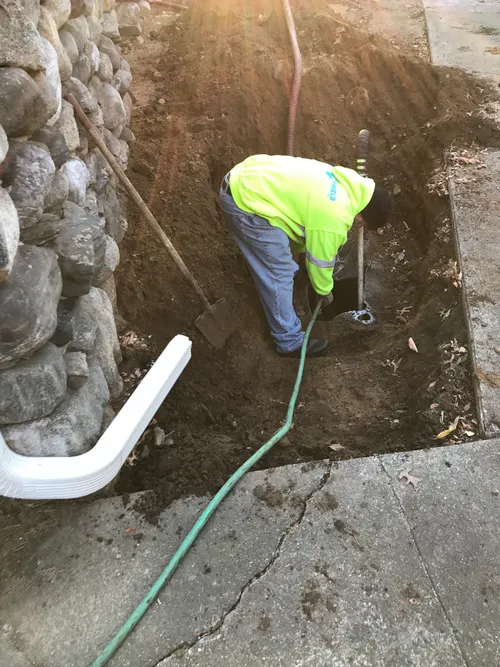
Unlimited Excavation and Construction
688 N Washington Ave, Bridgeport, CT 06604
Unlimited Excavation and Construction is a family-owned company based in Bridgeport, CT, providing comprehensive septic and sewer services for residential and commercial clients. With over 30 years of experience, they offer septic tank installation, inspection, repair, and sewer line maintenance, along with additional services like drain cleaning and asphalt paving. Their team uses state-of-the-art technology to inspect septic systems and sewer lines, helping to identify potential issues early and perform necessary repairs efficiently. They also provide 24/7 emergency services to address urgent sewer and septic problems promptly.
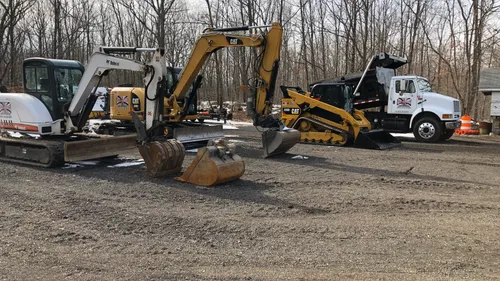
Laco Site Services
35 Russell Rd, Bethany, CT 06524
Laco Site Services is a septic tank installation contractor based in New Haven, CT. The company provides septic system design and installation along with excavation services for residential and commercial projects across New Haven County. With experience dating back to 1987, Laco Site Services has handled complex jobs including large septic systems and challenging waterproofing and drainage projects. The business also offers specialized excavation capabilities such as footing drain installation and stump removal following natural disasters.
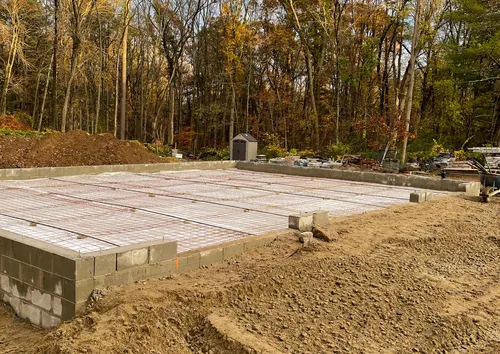
M & S Excavation & Septic LLC
180 Nortontown Rd, Madison, CT 06443
M & S Excavation & Septic LLC is a family-owned excavation company based near New Haven, CT. They provide residential and commercial excavation services including septic tank installation, land clearing, demolition, site work, and retaining walls. Serving Middlesex, New Haven, and New London counties, they have been operating in Connecticut since 2013. Their capabilities include full-service septic installations and water and sewer connections.
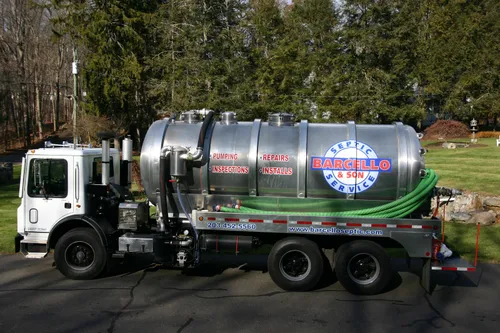
Barcello & Son Septic Service LLC
334 Wilson Rd, Easton, CT 06612
Barcello & Son Septic Service LLC is a family-owned business based in Easton, CT, serving the Bridgeport area with septic tank pumping, inspection, repair, design, and installation services. With over 20 years of experience in Fairfield County, they handle all sizes and types of septic systems using a proprietary 12-step pumping process and the latest equipment. Their expertise covers comprehensive septic system solutions, including real estate appraisal support and system design. The company emphasizes transparent pricing and guarantees their work. Barcello & Son Septic Service LLC is known for clear communication about service timing and procedures, aiming to provide a straightforward and reliable customer experience.
Valley View Excavating, LLC
230 S Washington St Suite 13, Plainville, CT 06062
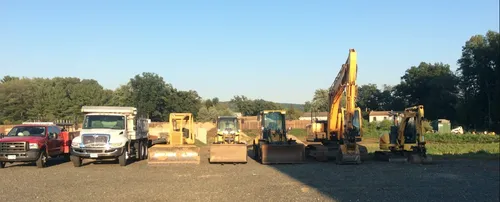
Valley View Excavating, LLC is an excavating contractor based in Waterbury, CT, offering services for both residential and commercial projects. Their expertise includes septic tank installation, general excavation, sewer excavation, and various hardscaping solutions such as patio pavers and retaining walls. Established in 2007, the company emphasizes quality materials and hands-on management, with the owner involved in every job to ensure proper completion.
Understanding Septic System Installation
A septic system is an on-site wastewater treatment structure, typically used where municipal sewer lines are not available. The process of putting in a new septic tank and drainfield, or replacing a failing system, involves far more than just excavation. It's a multi-stage project that integrates engineering, regulatory compliance, and skilled construction. In Connecticut, all subsurface sewage disposal systems must comply with the Connecticut Public Health Code, specifically Section 19-13-B103, which sets the standards for design, permitting, and installation. For homeowners in New Haven, this means working with licensed professionals who are familiar with the local health department's specific requirements and the unique soil conditions of the area.
The Regulatory Process: Permits and Approvals
Before any work can begin, you must navigate a series of mandatory regulatory steps. This process ensures the system is designed and built to safely handle household wastewater without contaminating groundwater or creating a public nuisance.
1. Obtain a Permit to Construct The first official step is securing a "Permit to Construct" from the New Haven Health Department or your local district health department. This permit is your legal authorization to break ground, and it cannot be issued without an approved design plan. Applying without proper preparation will lead to delays.
2. Design Plan Submission and Approval A licensed professional engineer or a certified septic system designer must create the system's design plan. This plan is based on the results of mandatory soil and site evaluations (discussed below) and must adhere to the 2024 technical standards. The plan is submitted to the local Director of Health for review. It's important to note that for larger systems designed to handle more than 7,500 gallons per day (GPD), approval from the Connecticut Department of Public Health is also required 1 2.
3. Final Inspection and Permit to Discharge Once construction is complete but before the tank and drainfield are backfilled, a construction inspection by the health department is mandatory 3. After passing inspection, the installer must submit a final "as-built" plan-a detailed drawing showing the system as it was actually installed. Only then will the health department issue a "Permit to Discharge," which allows you to put the system into operation 4.
Critical Site Evaluations: Soil and Percolation Tests
The design and viability of your septic system depend entirely on your property's soil conditions. Two key tests are required by law in Connecticut.
Deep Test Pits At least two deep test pits (often 10 feet deep) must be dug on the proposed drainfield area. A health department official witnesses these pits to evaluate the soil composition and, most critically, to determine the depth of the seasonal high water table. The bottom of the drainfield must have a specified separation distance from this water table.
Percolation Test Commonly called a "perc test," this measures the soil's absorption rate-how quickly water drains through it. The results, recorded as minutes per inch, directly determine the size of the drainfield needed: slower-draining soils require a larger field 5. Like the test pits, the percolation test must be witnessed by a health department official 6.
Find the perfect septic tank installation & replacement contractors for your needs
Get personalized recommendations and expert advice
Understanding Costs for Installation and Replacement
The cost of a new septic system in New Haven is highly variable, depending on system type, soil conditions, and site accessibility. For a standard conventional system for a typical single-family home, homeowners can expect a general price range. Complete system installation, including excavation, a concrete septic tank, distribution box, and gravel-based drainfield, typically falls between $10,000 and $25,000 or more 7 8.
It's crucial to view this as a base estimate. Several factors can significantly increase the cost:
- Site Preparation: Clearing trees, stumps, or large rocks adds expense.
- Engineered Systems: If your soil fails a standard perc test, you may need a more complex "engineered" or "alternative" system (like a mound, sand filter, or aerobic treatment unit). These systems involve pumps, specialized materials, and more sophisticated design, often doubling or tripling the total cost.
- Design and Permit Fees: Fees for the soil scientist/engineer's design and the health department permits are separate from installation costs.
- System Replacement: Replacing an old system often includes the added cost of properly abandoning the old tank and drainfield, which is a required part of the process.
Choosing a Licensed Installer and System Design
State law requires that the physical installation of the septic system be performed by a licensed septic installer 9 10. When selecting a professional, verify their Connecticut installer's license and ask for references from recent projects in the area. A reputable installer will handle much of the coordination with the health department for inspections.
The system design should be completed by a licensed professional engineer or a designer certified by the state. They will use the data from the deep test pits and perc tests to create a system that is both code-compliant and tailored to your property's specific constraints 11. Don't proceed with any contractor who suggests skipping the formal design or permit process; this can result in an illegal system, hefty fines, and the inability to sell your home in the future.
Maintenance and Long-Term Care of Your New System
A properly installed system is a long-term investment that can last 25-40 years with proper care. Maintenance is non-negotiable and far cheaper than a premature replacement. Key practices include having the tank pumped regularly by a licensed pumper (typically every 2-5 years, depending on usage), conserving water to avoid overloading the drainfield, and never flushing harmful chemicals or non-biodegradable materials. Protect the drainfield area by never driving or parking heavy vehicles over it and planting only grass or shallow-rooted plants above it.
Frequently asked questions
Sources
Footnotes
-
Environmental Engineering - Subsurface Sewage - CT.gov - https://portal.ct.gov/dph/environmental-health/environmental-engineering/environmental-engineering----subsurface-sewage ↩
-
SEPTIC SYSTEMS - CT.gov - https://portal.ct.gov/-/media/Departments-and-Agencies/DPH/dph/environmental_health/environmental_engineering/pdf/SepticSystems101pdf.pdf ↩
-
CONNECTICUT PUBLIC HEALTH CODE On-site Sewage Disposal ... - https://portal.ct.gov/dph/-/media/departments-and-agencies/dph/dph/environmental_health/environmental_engineering/2023-uploads/ts-master-2023-1242023a.pdf?rev=ff2a02fba994441d8db4a5690867a002&hash=153A7DFFC69CCAAE2595B4A254D97960 ↩
-
Browse Regulations of Connecticut State Agencies - https://eregulations.ct.gov/eRegsPortal/Browse/RCSA/Title_19Subtitle_19-13Section_19-13-b103e/ ↩
-
percolation testing - for septic tank drainage - CT.gov - https://portal.ct.gov/-/media/caes/documents/publications/bulletins/b678pdf.pdf ↩
-
Septic Developers - North Central District Health Department - https://www.ncdhd.org/septic-developers ↩
-
New Haven Septic Systems Costs & Prices - ProMatcher.com - https://septic-systems.promatcher.com/cost/new-haven-ct-septic-systems-costs-prices.aspx ↩
-
Septic System Replacement New Milford CT | Signs, Costs & Solutions - https://newmilfordseptic.com/when-is-it-time-to-replace-your-septic-system-in-new-milford-ct/ ↩
-
Wells & Septic - Northeast District Department of Health - https://nddh.org/services/environment-building/wells-septic/ ↩
-
Septic Tank Installation Requirements | Angi - https://www.angi.com/articles/complete-septic-installation-checklist.htm ↩
-
Septic System Design: What CT Homeowners Need to Know - https://andersonseptic.com/septic-system-design-guide/ ↩