
Find the Best Septic Tank Installation & Replacement Contractors for Your Business
No obligation • Fast responses • Nationwide coverage

Why you can trust Septic Spot
Septic Spot is a leading United States resource for understanding and comparing septic services. Our editors review providers using consistent criteria and verify key business details. Listings and scores are independent, and companies cannot pay to influence our content.
Search providers near you
Top Septic Tank Installation & Replacement Contractors in Hartford, Connecticut Ranked
Installing or replacing a septic system is a significant home infrastructure project that ensures safe wastewater treatment for properties not connected to municipal sewer lines. In Hartford, this process is governed by strict state and local health codes to protect public health and the environment. This guide explains the key steps, regulations, and considerations for septic system work in Hartford, helping you understand what to expect and how to connect with qualified local professionals for your project.
Septicology
47 Plantation Rd Unit D, Broad Brook, CT 06016
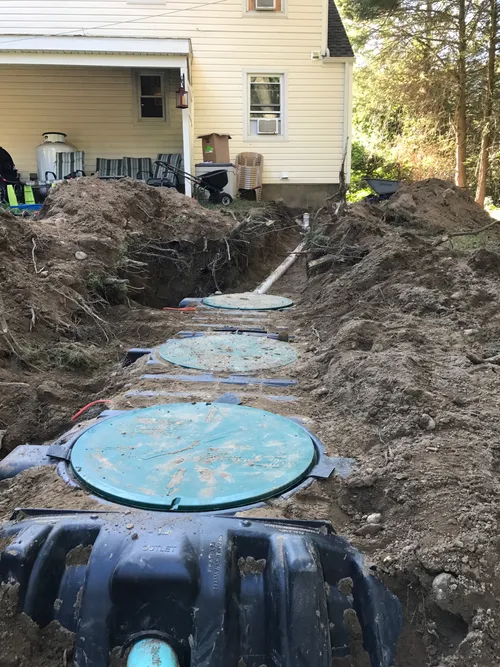
Septicology is a family-owned septic company serving Hartford, CT, and all towns across Connecticut. Since 2017, they have provided septic system inspections, repairs, installations, and pumping services throughout the state. Their inspection reports include detailed analyses, color photos, and system location drawings, offering clear insights into septic system conditions. Septicology emphasizes flexible scheduling to accommodate customer needs and maintains open communication throughout the service process.

Skips Wastewater Services
21 Courtney Dr, Ellington, CT 06029
Skips Wastewater Services provides septic tank pumping, inspection, repair, and installation services in Hartford, CT. They serve residential and commercial clients across multiple counties in Connecticut, including Hartford, Middlesex, New London, Tolland, Windham, and New Haven. The company operates with a large fleet of pump trucks and uses advanced technology to handle septic emergencies and routine maintenance efficiently. With over 60 years of experience, Skips Wastewater Services offers 24/7 emergency support to address issues like sewage backups and slow drains promptly.
The Christopher Bryant Co. LLC
126 W Dudley Town Rd, Bloomfield, CT 06002
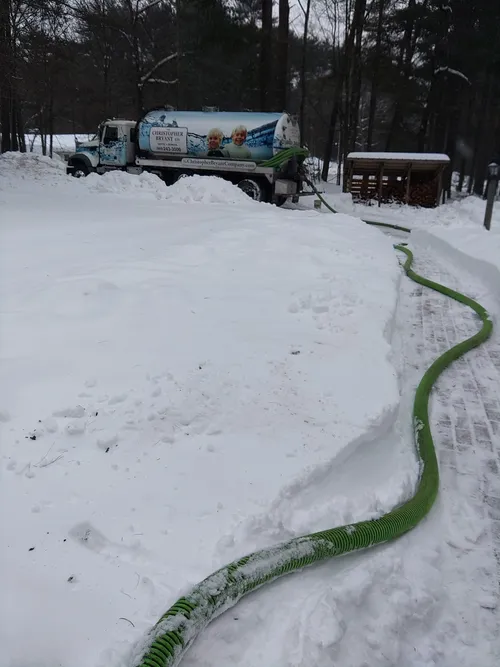
The Christopher Bryant Co. LLC is a family-owned septic service provider based in Hartford, CT, serving Hartford County and surrounding communities since 1995. They offer a full range of septic system services including pumping, inspection, repair, and installation. The company is known for its hands-on ownership and expertise in septic riser installation, which facilitates easier maintenance and inspection. With over 30 years in business, they provide 24/7 emergency service and same-day service options to address urgent septic needs.
Gallis & Son, Inc
Springfield, MA
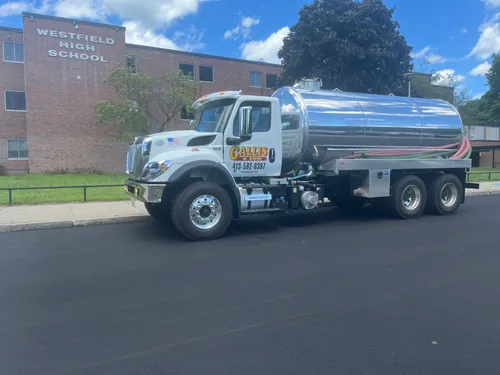
Gallis & Son, Inc is a septic contractor based in Springfield, MA, offering septic tank pumping, repairs, and installation services. They also provide excavation and dump truck services to support various site needs. Established in 1982, this family-owned business brings over 36 years of experience to their work, serving the local community with a range of septic and excavation solutions.
Laco Site Services
35 Russell Rd, Bethany, CT 06524
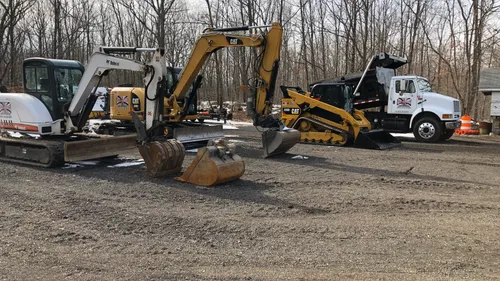
Laco Site Services is a septic tank installation contractor based in New Haven, CT. The company provides septic system design and installation along with excavation services for residential and commercial projects across New Haven County. With experience dating back to 1987, Laco Site Services has handled complex jobs including large septic systems and challenging waterproofing and drainage projects. The business also offers specialized excavation capabilities such as footing drain installation and stump removal following natural disasters.
Understanding Septic System Basics in Hartford
A septic system is an on-site wastewater treatment system, typically consisting of a tank and a soil-absorption field (or drain field). When you install a new septic system or replace an old one, you're investing in a critical component of your property's infrastructure. In Hartford County, the process is managed to ensure systems are designed and built to handle the specific soil conditions and environmental factors of the region. Proper installation is crucial for preventing system failure, which can lead to costly repairs, environmental contamination, and health hazards.
The Regulatory Landscape: Permits and Codes
All septic system installations and replacements in Hartford require permits from the local Health Department, adhering to the Connecticut Public Health Code (Sections 19-13-B103) and the latest Technical Standards (2024). The local health district is the primary authority for systems designed for less than 2,000 gallons per day, which covers virtually all residential projects 1. You cannot begin any construction without this approval. The code establishes minimum standards for design, construction, and location to ensure safe operation.
Key regulatory requirements include:
- Licensed Installer: State law requires that the actual construction of the system be performed by a Connecticut-licensed septic installer.
- Professional Design: Systems must be designed by a professional engineer or a registered sanitarian. This is especially critical for non-conventional systems or properties with challenging site conditions.
- Property Setbacks: Systems must maintain minimum distances from other features. Common setbacks include at least 75 feet from wells, 10 feet from property lines, and 20 feet from building foundations, though local variations may apply 2.
Step-by-Step: From Soil Tests to Final Inspection
The journey to a new septic system follows a defined path with several mandatory checkpoints.
1. Initial Site Evaluation and Soil Testing
The first technical step is determining if your property can support a septic system. This involves soil tests, including percolation (perc) tests and deep observation holes, to evaluate the soil's absorption rate and to identify the seasonal high groundwater table 3. The property owner must file an application and pay fees to the local health district to schedule these official tests 4. For a system replacement, a new perc test is almost always required, as the site must meet current standards, not those from when the original system was installed 5.
2. System Design and Permit Application
Once soil data is collected, a design professional creates engineered plans for the septic system. These plans specify the tank size, drain field layout, and any necessary advanced treatment components. The complete application package, including the soil test results and engineered plans, is submitted to the local health department for review.
3. The Approval and Installation Process
After the health department approves the plans and issues the permit, construction can begin. A licensed installer will excavate and install the tank and drainage field according to the approved design. Critical inspections occur at this stage:
- Pre-cover Inspection: A health official must inspect the installed tank and drainage trenches before they are backfilled with soil 6.
- Final Inspection: Once the installation is complete and the site is graded, a final inspection is conducted.
- As-Built Plan: Upon passing final inspection, the installer or designer submits an "as-built" plan showing the system's exact installed location for the property records 7.
Find the perfect septic tank installation & replacement contractors for your needs
Get personalized recommendations and expert advice
Cost Considerations for Installation and Replacement
The cost of septic system installation or replacement in the Hartford area can vary widely. For a standard residential system replacement, homeowners can often expect a range from $10,000 to $25,000 or more, depending on system complexity and site conditions 8 9.
Factors influencing the final price include:
- System Components: A standard 1,000-gallon concrete septic tank alone may cost between $500 and $900 10. The major expense typically lies in the drain field installation, which requires extensive excavation.
- Site Conditions: Challenging conditions like a high water table, shallow bedrock, steep slopes, or limited space often necessitate a more complex (and expensive) system design, such as a raised bed or advanced treatment system 11.
- Professional Services: Fees for soil testing, engineering design, and permit applications are separate line items that add to the overall project cost.
- System Type: Replacing a failed system with a modern, code-compliant one often involves upgrades that increase cost compared to a simple like-for-like swap.
It's essential to get detailed estimates from several licensed installers that break down all these components.
Choosing the Right System and Professional
With various system types available-from conventional gravity-fed systems to pressure-dosed mounds and aerobic treatment units-selecting the right one depends on your soil, lot size, and budget. Your design professional will recommend the most suitable and cost-effective option based on the site evaluation. The most important choice you make, however, is selecting your licensed installer. Look for established companies with strong references, proper insurance, and a clear understanding of local Hartford and Connecticut codes.
Maintaining Your New Investment
A properly installed system is the foundation for long-term performance, but ongoing maintenance is key. This includes regular pumping of the tank (typically every 3-5 years), conserving water, and avoiding flushing harmful chemicals or materials. Protecting your drain field from compaction by vehicles or heavy structures is also critical. A well-maintained system can last for decades, protecting your property value and the local environment.
Frequently asked questions
Sources
Footnotes
-
Environmental Engineering - Subsurface Sewage - CT.gov - https://portal.ct.gov/dph/environmental-health/environmental-engineering/environmental-engineering----subsurface-sewage ↩
-
Connecticut Septic Tank Requirements - https://www.ntotank.com/blog/connecticut-septic-tank-requirements ↩
-
Perc Test for Septic System: A Complete Guide - https://landperc.com/perc-test-for-septic-system/ ↩
-
Septic Developers - North Central Distict Health Department - https://www.ncdhd.org/septic-developers ↩
-
Connecticut Public Health Code On-site Sewage Disposal ... - https://portal.ct.gov/-/media/Departments-and-Agencies/DPH/dph/environmental_health/environmental_engineering/2018-Uploads/Technical-Standards-2018-Master-011918.pdf ↩
-
Septic System Install Timeline | RCI Septic Service - https://www.rciseptic.com/complete-step-by-step-timeline-septic-system-installation-from-permit-to-finish ↩
-
CONNECTICUT PUBLIC HEALTH CODE On-site Sewage Disposal ... - https://portal.ct.gov/-/media/Departments-and-Agencies/DPH/dph/environmental_health/environmental_engineering/2023-uploads/TS-Master-2023-1242023A.pdf ↩
-
Septic System Design: What CT Homeowners Need to Know - https://andersonseptic.com/septic-system-design-guide/ ↩
-
Septic System Replacement New Milford CT | Signs, Costs & Solutions - https://newmilfordseptic.com/when-is-it-time-to-replace-your-septic-system-in-new-milford-ct/ ↩
-
Residential Septic Tank Pricing | Homeowner's Guide to Costs - https://www.ntotank.com/blog/residential-septic-tank-pricing ↩
-
Connecticut Septic License & Certification | 2024 Contractor Guide - https://www.servicetitan.com/licensing/septic/connecticut ↩