
Find the Best Septic Tank Installation & Replacement Contractors for Your Business
No obligation • Fast responses • Nationwide coverage

Why you can trust Septic Spot
Septic Spot is a leading United States resource for understanding and comparing septic services. Our editors review providers using consistent criteria and verify key business details. Listings and scores are independent, and companies cannot pay to influence our content.
Search providers near you
Top Septic Tank Installation & Replacement Contractors in Stamford, Connecticut Ranked
Installing or replacing a septic system is a significant home infrastructure project that requires careful planning and professional expertise. In Stamford, this process is governed by strict state and local health codes to protect public health and the environment. This guide explains the essential steps, regulations, and considerations for septic system installation and replacement, helping you understand what to expect and how to connect with qualified local professionals for your project.
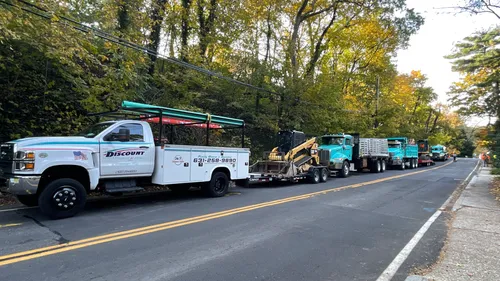
Discount Cesspool & Drain Inc.
240 Gibbs Rd, Islandia, NY 11749
Discount Cesspool & Drain Inc. is a septic tank pumping and installation company serving New York, NY, with a focus on Long Island. They specialize in new septic system installations, cesspool pumping, septic tank service, and full-scale cesspool cleaning. The company offers 24-hour emergency service and weekend and holiday availability. They provide eco-friendly solutions without subcontracting and cater to both residential and commercial clients across Suffolk and Nassau counties.
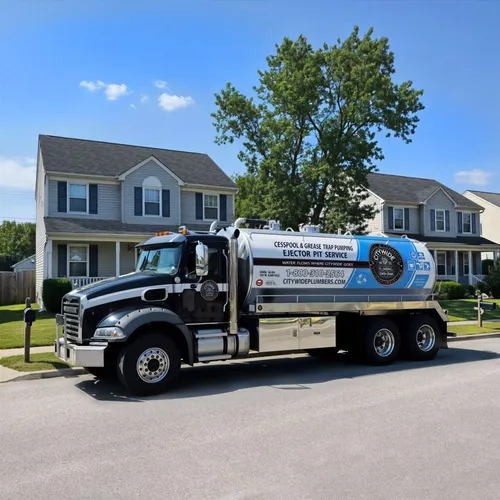
Citywide Grease Trap Maintenance | Cesspool Pumping Service Long Island
110 Voice Rd, Carle Place, NY 11514
Citywide Grease Trap Maintenance | Cesspool Pumping Service Long Island provides septic and cesspool pumping, inspection, repair, and installation services in New York, NY. Serving both residential and commercial clients, they offer comprehensive maintenance and cleaning to prevent system failures. Their skilled technicians use advanced equipment for installations and repairs, including grease trap pumping and sewage ejector pit services. With over 65 years of experience, Citywide operates 24/7 to address emergency needs promptly.
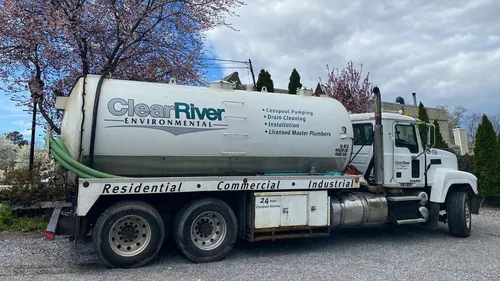
Clear River Environmental
847 11th St, Ronkonkoma, NY 11779
Clear River Environmental is a septic tank pumping, inspection, repair, and installation company serving New York, NY. They offer comprehensive environmental services including cesspool pumping, septic system maintenance, plumbing repairs, and emergency environmental remediation. The company has over 60 years of experience and uses advanced equipment such as camera inspection systems and leak detection technology. Clear River Environmental provides 24/7 emergency services to address urgent property issues promptly.
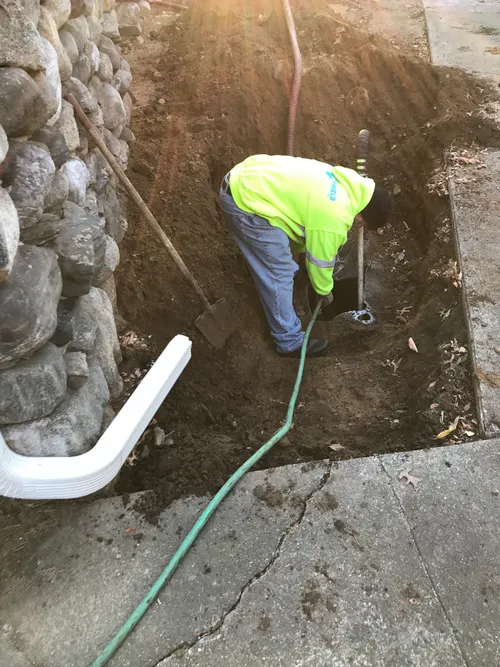
Unlimited Excavation and Construction
688 N Washington Ave, Bridgeport, CT 06604
Unlimited Excavation and Construction is a family-owned company based in Bridgeport, CT, providing comprehensive septic and sewer services for residential and commercial clients. With over 30 years of experience, they offer septic tank installation, inspection, repair, and sewer line maintenance, along with additional services like drain cleaning and asphalt paving. Their team uses state-of-the-art technology to inspect septic systems and sewer lines, helping to identify potential issues early and perform necessary repairs efficiently. They also provide 24/7 emergency services to address urgent sewer and septic problems promptly.
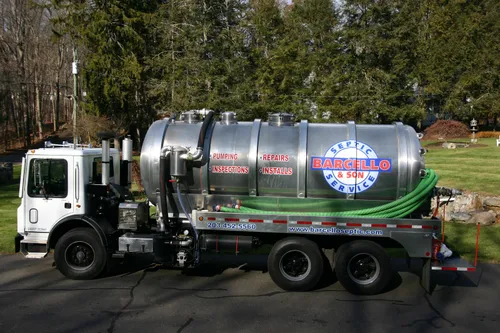
Barcello & Son Septic Service LLC
334 Wilson Rd, Easton, CT 06612
Barcello & Son Septic Service LLC is a family-owned business based in Easton, CT, serving the Bridgeport area with septic tank pumping, inspection, repair, design, and installation services. With over 20 years of experience in Fairfield County, they handle all sizes and types of septic systems using a proprietary 12-step pumping process and the latest equipment. Their expertise covers comprehensive septic system solutions, including real estate appraisal support and system design. The company emphasizes transparent pricing and guarantees their work. Barcello & Son Septic Service LLC is known for clear communication about service timing and procedures, aiming to provide a straightforward and reliable customer experience.
Understanding the Stamford Septic System Process
A septic system installation or replacement in Stamford is not a simple excavation job; it's a regulated engineering project. The process is designed to ensure that wastewater from your home is treated safely without contaminating groundwater, wells, or nearby properties. All work must comply with the Connecticut Public Health Code (Section 19-13-B103) and receive approval from the Stamford Health Department. The journey from concept to a functioning system involves several critical phases: design, permitting, installation, and final approval.
The Critical First Step: Site Evaluation & System Design
Before any digging begins, a thorough evaluation of your property is required. This foundational step determines the feasibility and design of your new septic system.
Soil Percolation Testing
A soil percolation (perc) test is mandatory. This test evaluates how quickly water drains through the soil on your property, which directly impacts the size and type of absorption system needed 1. A licensed professional conducts the test to identify the most suitable area for the drain field.
Professional Engineering Design
You must hire a Connecticut-licensed Professional Engineer (PE) to design the system. The engineer uses the perc test results to create detailed plans that comply with all state and local regulations. Key design considerations include:
- System Type: Selecting the appropriate technology (conventional trench, chamber system, etc.) for your soil conditions.
- Sizing: Calculating the correct tank size and drain field area based on your home's bedroom count and estimated wastewater flow.
- Separation Distances: Ensuring the system is located the legally required distance from wells, property lines, streams, and building foundations.
Navigating Stamford's Permitting Requirements
You cannot proceed with installation without the proper permits from the Stamford Health Department. The permitting process ensures your project plans meet all health and safety standards.
Permit to Construct
Your licensed installer will submit the engineer's design plans along with a "Permit to Construct" application 2. The health department reviews the site plan to confirm it shows a code-complying area and, often, a designated reserve area for future repairs.
Permit to Discharge
After the system is installed and passes final inspection, you must obtain a "Permit to Discharge." This is the official operating permit for your septic system.
The Installation Phase: What to Expect
Once permits are secured, the physical installation can begin. This phase must be performed by a licensed installer (licensed pursuant to Section 20-341 of the Connecticut General Statutes) 3.
Key Installation Steps:
- Excavation: The tank and drain field areas are carefully excavated according to the approved plans.
- Tank Placement: The septic tank (often concrete, fiberglass, or polyethylene) is set in place and connected to the home's main waste line.
- Drain Field Construction: The leaching area is constructed using gravel, chambers, or other approved materials.
- Critical Inspections: A local sanitarian (health inspector) must inspect all installed components-the tank, distribution box, pipes, and trenches-before they are backfilled 4 5. This is a non-negotiable step to verify proper installation.
Find the perfect septic tank installation & replacement contractors for your needs
Get personalized recommendations and expert advice
Final Approval and System Costs
Final Inspection and Record Drawings
After the system passes its pre-backfill inspection and is covered, the installer submits "as-built" or record drawings to the health department. These drawings show the system as it was actually installed. Following a final review, the "Permit to Discharge" is issued 6 7.
Understanding Installation Costs
The total cost for a new septic system installation varies widely based on soil conditions, system size, technology, and property accessibility. Professional design and engineering fees add to the overall project cost 8. For a standard residential system, homeowners can expect the installation itself to typically range between $3,615 and $12,408, with average costs often exceeding $8,000 8. It's crucial to get detailed, written estimates from several licensed installers that break down all costs, including permits, engineering, and materials.
When is System Replacement Necessary?
Understanding the signs of a failing system can help you plan a replacement before an emergency occurs. Replacement follows the same rigorous process as a new installation.
Common Indicators for Replacement:
- Drainage Failures: Sewage backups in the home or soggy, foul-smelling areas in the drain field.
- Structural Issues: A cracked or collapsed septic tank, often discovered during an inspection.
- Irreparable Drain Field: When a clogged or saturated drain field cannot be restored through cleaning or repair.
- Home Expansion: Adding bedrooms may require a larger system to handle increased wastewater flow, necessitating an upgrade or new design.
Replacement often involves identifying a new, suitable location on your property for the drain field, as the original area may be compromised.
Choosing a Licensed Professional in Stamford
Your choice of contractor is one of the most important decisions you'll make. Always verify that an installer holds a current Connecticut license. A reputable professional will handle the permit application process, coordinate with the engineer and health department, and ensure all inspections are scheduled and passed. They should provide clear contracts, warranties for their workmanship, and guidance on maintaining your new system for long-term performance.
Frequently asked questions
Sources
Footnotes
-
How to Know if You Need a Septic System Permit - Pippin Home Designs - https://www.pippinhomedesigns.com/septic-system-permit/ ↩
-
Permit to Construct Sewage Disposal System - Application - https://hvhdct.gov/permit-to-construct-sewage-disposal-system-application/ ↩
-
Connecticut Septic Tank Requirements - https://www.ntotank.com/blog/connecticut-septic-tank-requirements ↩
-
Septic System Design: What CT Homeowners Need to Know - https://andersonseptic.com/septic-system-design-guide/ ↩
-
CONNECTICUT PUBLIC HEALTH CODE On-site Sewage Disposal ... - https://portal.ct.gov/dph/-/media/departments-and-agencies/dph/dph/environmental_health/environmental_engineering/2023-uploads/ts-master-2023-1242023a.pdf?rev=ff2a02fba994441d8db4a5690867a002&hash=153A7DFFC69CCAAE2595B4A254D97960 ↩
-
Wells & Septic - Northeast District Department of Health - https://nddh.org/services/environment-building/wells-septic/ ↩
-
Septic Tank - Soil Absorption Systems - https://www.h-gac.com/getmedia/548fc269-6941-4423-a4d1-10f0e282a821/DSTFS_Septic-Tank_Soil-Absorption-Systems.pdf ↩
-
How Much Does a Septic Tank Cost? - NerdWallet - https://www.nerdwallet.com/home-ownership/home-improvement/learn/septic-tank-cost ↩ ↩2