
Find the Best Septic Tank Installation & Replacement Contractors for Your Business
No obligation • Fast responses • Nationwide coverage

Why you can trust Septic Spot
Septic Spot is a leading United States resource for understanding and comparing septic services. Our editors review providers using consistent criteria and verify key business details. Listings and scores are independent, and companies cannot pay to influence our content.
Search providers near you
Top Septic Tank Installation & Replacement Contractors in Fairfield, Connecticut Ranked
Installing or replacing a septic system is a significant home improvement project governed by strict state and local health regulations. A properly designed and permitted system protects your property value, your family's health, and Connecticut's groundwater. This guide provides essential information on the process, regulations, and costs to help you navigate planning a new or replacement septic system in Connecticut.
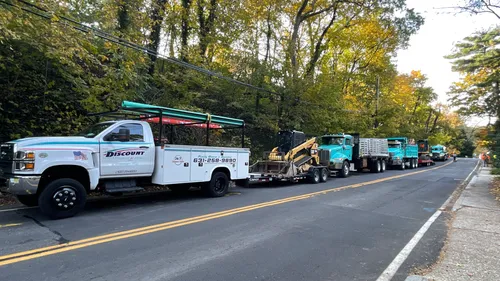
Discount Cesspool & Drain Inc.
240 Gibbs Rd, Islandia, NY 11749
Discount Cesspool & Drain Inc. is a septic tank pumping and installation company serving New York, NY, with a focus on Long Island. They specialize in new septic system installations, cesspool pumping, septic tank service, and full-scale cesspool cleaning. The company offers 24-hour emergency service and weekend and holiday availability. They provide eco-friendly solutions without subcontracting and cater to both residential and commercial clients across Suffolk and Nassau counties.
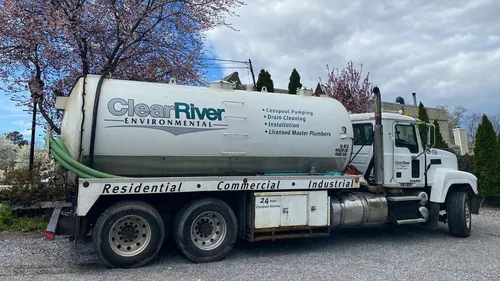
Clear River Environmental
847 11th St, Ronkonkoma, NY 11779
Clear River Environmental is a septic tank pumping, inspection, repair, and installation company serving New York, NY. They offer comprehensive environmental services including cesspool pumping, septic system maintenance, plumbing repairs, and emergency environmental remediation. The company has over 60 years of experience and uses advanced equipment such as camera inspection systems and leak detection technology. Clear River Environmental provides 24/7 emergency services to address urgent property issues promptly.
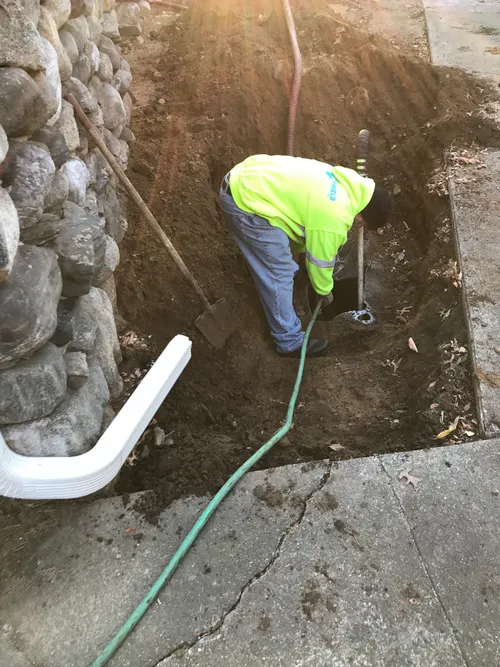
Unlimited Excavation and Construction
688 N Washington Ave, Bridgeport, CT 06604
Unlimited Excavation and Construction is a family-owned company based in Bridgeport, CT, providing comprehensive septic and sewer services for residential and commercial clients. With over 30 years of experience, they offer septic tank installation, inspection, repair, and sewer line maintenance, along with additional services like drain cleaning and asphalt paving. Their team uses state-of-the-art technology to inspect septic systems and sewer lines, helping to identify potential issues early and perform necessary repairs efficiently. They also provide 24/7 emergency services to address urgent sewer and septic problems promptly.
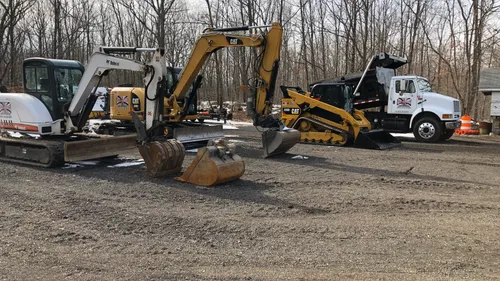
Laco Site Services
35 Russell Rd, Bethany, CT 06524
Laco Site Services is a septic tank installation contractor based in New Haven, CT. The company provides septic system design and installation along with excavation services for residential and commercial projects across New Haven County. With experience dating back to 1987, Laco Site Services has handled complex jobs including large septic systems and challenging waterproofing and drainage projects. The business also offers specialized excavation capabilities such as footing drain installation and stump removal following natural disasters.
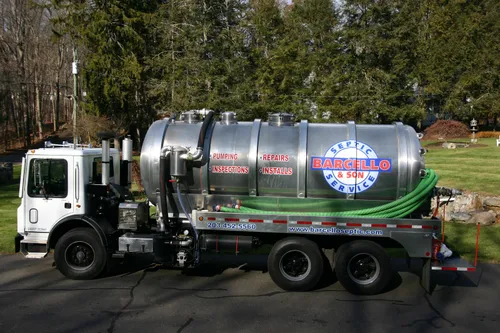
Barcello & Son Septic Service LLC
334 Wilson Rd, Easton, CT 06612
Barcello & Son Septic Service LLC is a family-owned business based in Easton, CT, serving the Bridgeport area with septic tank pumping, inspection, repair, design, and installation services. With over 20 years of experience in Fairfield County, they handle all sizes and types of septic systems using a proprietary 12-step pumping process and the latest equipment. Their expertise covers comprehensive septic system solutions, including real estate appraisal support and system design. The company emphasizes transparent pricing and guarantees their work. Barcello & Son Septic Service LLC is known for clear communication about service timing and procedures, aiming to provide a straightforward and reliable customer experience.
Understanding Connecticut's Regulatory Framework
All septic system installations and replacements in Connecticut are regulated under the Connecticut Public Health Code (PHC), Section 19-13-B103. The local health department or district health department in your town has the ultimate authority for permitting and inspection. You cannot begin any excavation or installation work without first obtaining a permit from your local Director of Health or Sanitarian. This regulatory oversight ensures systems are built to protect public health and the environment.
A critical first step is identifying who your local permitting authority is. In many towns, this is the local health department. In others, your town may be part of a district health department, such as the North Central District Health Department. Always contact this office directly at the start of your project for their specific application forms, fees, and procedural requirements.
The Step-by-Step Installation & Replacement Process
Navigating a septic project involves a series of mandated steps. Skipping or misunderstanding any phase can lead to costly delays, permit denials, or an improperly functioning system.
1. Site Evaluation and Soil Testing
This is the foundational step. A licensed installer or professional engineer must conduct a site investigation. This involves digging deep test pits (typically to 10 feet) to evaluate soil types, seasonal groundwater levels, and bedrock depth 1. A percolation test (or "perc test") is then performed to determine the soil's ability to absorb and treat wastewater. The results of these tests dictate the type and size of system your property can support.
2. System Design and Permit Application
Based on the soil evaluation, a design is created. For conventional systems, a licensed septic installer often prepares the plan. For more complex sites requiring engineered solutions (like raised beds or alternative technology), a Professional Engineer (PE) must design the system2. The design plan, along with the permit application, is submitted to the local health authority for review and approval. The design must account for all state code requirements, including tank capacity, leaching field size, and critical setbacks.
3. Installation by a Licensed Professional
State law requires that the physical installation of the septic tank and leaching system be performed by a licensed septic installer 3. Hiring a licensed professional ensures the work meets the approved design and state code. They will coordinate the required inspections.
4. Mandatory Inspections
The local Sanitarian will conduct one or more inspections during installation. A crucial inspection occurs after the tank and distribution boxes are set and the leaching trenches are dug but before any stone or soil is backfilled. This allows the inspector to verify dimensions, materials, and placement. Never backfill without this inspection.
5. Final Approval and "As-Built" Plans
After a successful final inspection, the installer provides "as-built" plans showing the system as it was actually installed. The local health department issues a final approval or "Permit to Discharge," officially closing the permit. Keep all permits and as-built plans for your property records.
Find the perfect septic tank installation & replacement contractors for your needs
Get personalized recommendations and expert advice
Key Design Requirements and Standards
Connecticut's health code specifies detailed technical standards for system components. Understanding these basics helps you communicate effectively with installers and health officials.
- Tank Capacity: The minimum septic tank size for a 1-3 bedroom home is 1,000 gallons. For each additional bedroom, an extra 125-250 gallons of capacity is typically required. Larger tanks provide better settling of solids and are a wise investment for system longevity.
- Groundwater Separation: There must be a minimum of 18 inches of natural soil between the bottom of the leaching system and the highest seasonal groundwater level 4. If the groundwater is too high, an engineered raised system may be necessary.
- Critical Setbacks: Systems must be located specific distances from:
Cost Considerations for Installation and Replacement
The cost of a new or replacement septic system in Connecticut is substantial and varies widely based on several factors. Homeowners should budget roughly $10,000 to $25,000 or more for a complete conventional system7 8. Several key elements drive the final price:
- System Type: A conventional gravity-fed system is generally the most affordable option. If poor soil conditions (slow percolation, high groundwater, shallow bedrock) exist, you will need an engineered or alternative system, such as a pressurized dosing system, sand filter, or raised bed. These systems involve pumps, advanced treatment components, and more complex construction, significantly increasing costs.
- Soil and Site Conditions: Easy access for heavy equipment, level terrain, and good native soil reduce labor and material costs. Difficult access, steep slopes, or rocky soil that requires blasting or extensive excavation will increase the price.
- Home Size and Tank/Field Size: Larger homes requiring larger tanks and more extensive leaching fields will cost more. The number of bedrooms is the primary determinant of required capacity.
- Permit and Design Fees: Don't forget to factor in town permit fees, soil testing fees, and potential engineering design fees.
Replacing a failed system often costs more than a new installation on undeveloped land, as it may involve additional expenses for:
- Pumping out and properly abandoning the old tank.
- Demolishing the old leaching field.
- Working around existing landscaping, driveways, or structures.
- Potential upgrades to meet current, more stringent codes that the old system was "grandfathered" under.
When is Replacement Necessary?
Understanding the signs of a failing system can help you plan a replacement proactively rather than in an emergency. Common indicators include:
- Sewage backups in household drains.
- Damp, soggy ground or standing water over the drainfield, especially with a foul odor.
- Unusually green, lush grass over the drainfield.
- Failing a mandatory Title V-style inspection if selling your home.
- The system is old (many systems last 20-40 years) and requires increasingly frequent pumping.
If you suspect a failure, contact a licensed installer for an evaluation. A simple repair may suffice, but if the leaching field has failed, a full replacement is usually required.
Maintenance Starts at Installation
A new system is a major investment. Protect it by following proper maintenance from day one. This includes regular pumping (typically every 3-5 years), conserving water, avoiding flushing harmful chemicals, and keeping vehicles and heavy objects off the tank and drainfield area9 10. Your installer and local health department can provide specific maintenance guidelines for your system type.
Disclaimer: Regulations, fees, and procedures can change. The information here is a guide, but you must always check with your local Connecticut town or district health department for the most current requirements before starting any project.
Frequently asked questions
Sources
Footnotes
-
Septic Developers - North Central Distict Health Department - https://www.ncdhd.org/septic-developers ↩
-
CONNECTICUT PUBLIC HEALTH CODE On-site Sewage Disposal ... - https://portal.ct.gov/dph/-/media/departments-and-agencies/dph/dph/environmental_health/environmental_engineering/2023-uploads/ts-master-2023-1242023a.pdf?rev=ff2a02fba994441d8db4a5690867a002&hash=153A7DFFC69CCAAE2595B4A254D97960 ↩
-
Environmental Engineering - Subsurface Sewage - CT.gov - https://portal.ct.gov/dph/environmental-health/environmental-engineering/environmental-engineering----subsurface-sewage ↩
-
What Size Septic Tank Do I Need - https://www.ntotank.com/blog/what-size-septic-tank-do-i-need ↩
-
Septic Systems - Brookfield, CT - https://www.brookfieldct.gov/254/Septic-Systems ↩
-
Septic Tank Plans: A Complete Homeowner's Guide - https://landperc.com/septic-tank-plans-guide/ ↩
-
Connecticut Septic Tank Requirements - https://www.ntotank.com/blog/connecticut-septic-tank-requirements ↩
-
Septic System Replacement New Milford CT | Signs, Costs & Solutions - https://newmilfordseptic.com/when-is-it-time-to-replace-your-septic-system-in-new-milford-ct/ ↩
-
Operation and Maintenance - CT.gov - https://portal.ct.gov/dph/environmental-health/environmental-engineering/operation-and-maintenance ↩
-
septic system regulations and maintenance suggestions - https://www.trumbull-ct.gov/DocumentCenter/View/5015/Septic-System-Regulations-and-Maintenance-Suggestions-PDF ↩