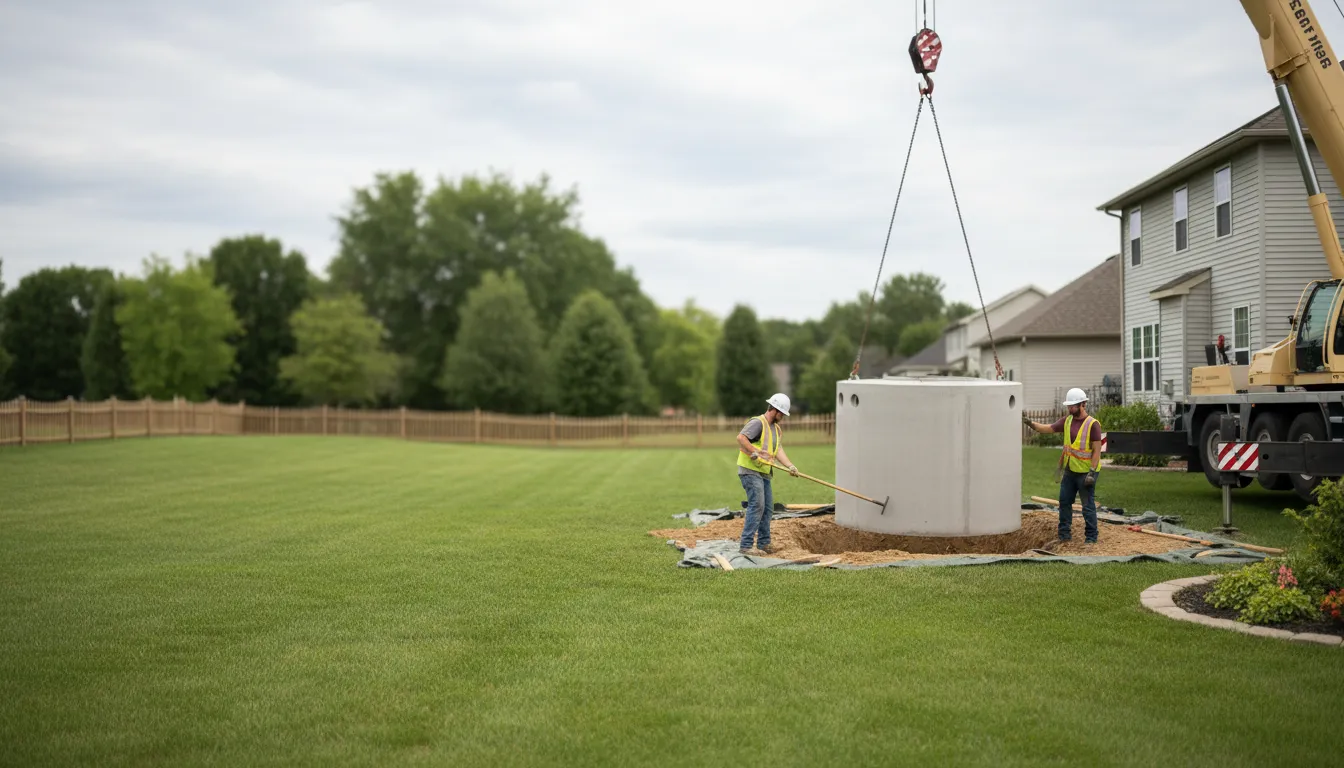
Find the Best Septic Tank Installation & Replacement Contractors for Your Business
No obligation • Fast responses • Nationwide coverage

Why you can trust Septic Spot
Septic Spot is a leading United States resource for understanding and comparing septic services. Our editors review providers using consistent criteria and verify key business details. Listings and scores are independent, and companies cannot pay to influence our content.
Search providers near you
Top Septic Tank Installation & Replacement Contractors in Greenwich, Connecticut Ranked
Installing or replacing a septic system is a significant home infrastructure project that requires careful planning and adherence to strict local and state regulations. For Greenwich homeowners, this process involves navigating specific town health department approvals, soil testing, and design standards to ensure a safe, effective, and long-lasting wastewater treatment solution. This guide outlines the key steps, costs, and regulatory requirements for septic system work in Greenwich, helping you understand what to expect and how to connect with qualified local professionals for your project.
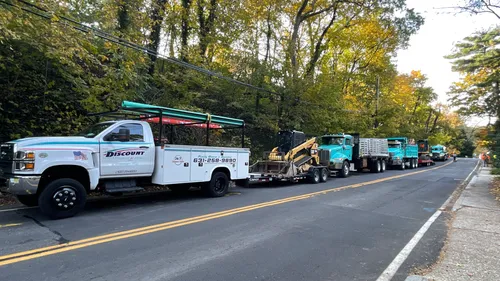
Discount Cesspool & Drain Inc.
240 Gibbs Rd, Islandia, NY 11749
Discount Cesspool & Drain Inc. is a septic tank pumping and installation company serving New York, NY, with a focus on Long Island. They specialize in new septic system installations, cesspool pumping, septic tank service, and full-scale cesspool cleaning. The company offers 24-hour emergency service and weekend and holiday availability. They provide eco-friendly solutions without subcontracting and cater to both residential and commercial clients across Suffolk and Nassau counties.
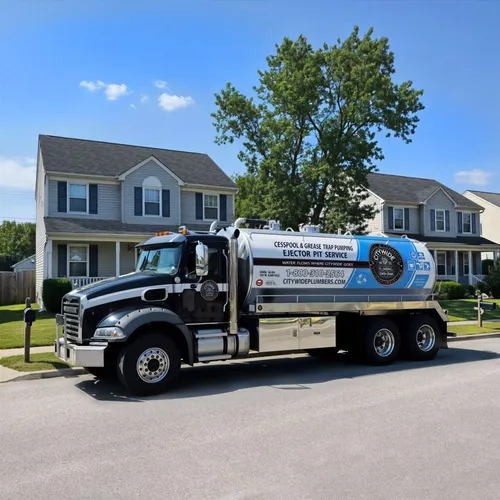
Citywide Grease Trap Maintenance | Cesspool Pumping Service Long Island
110 Voice Rd, Carle Place, NY 11514
Citywide Grease Trap Maintenance | Cesspool Pumping Service Long Island provides septic and cesspool pumping, inspection, repair, and installation services in New York, NY. Serving both residential and commercial clients, they offer comprehensive maintenance and cleaning to prevent system failures. Their skilled technicians use advanced equipment for installations and repairs, including grease trap pumping and sewage ejector pit services. With over 65 years of experience, Citywide operates 24/7 to address emergency needs promptly.
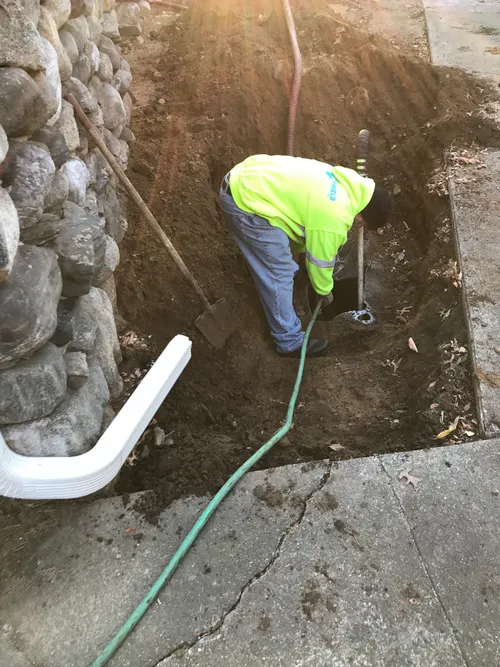
Unlimited Excavation and Construction
688 N Washington Ave, Bridgeport, CT 06604
Unlimited Excavation and Construction is a family-owned company based in Bridgeport, CT, providing comprehensive septic and sewer services for residential and commercial clients. With over 30 years of experience, they offer septic tank installation, inspection, repair, and sewer line maintenance, along with additional services like drain cleaning and asphalt paving. Their team uses state-of-the-art technology to inspect septic systems and sewer lines, helping to identify potential issues early and perform necessary repairs efficiently. They also provide 24/7 emergency services to address urgent sewer and septic problems promptly.
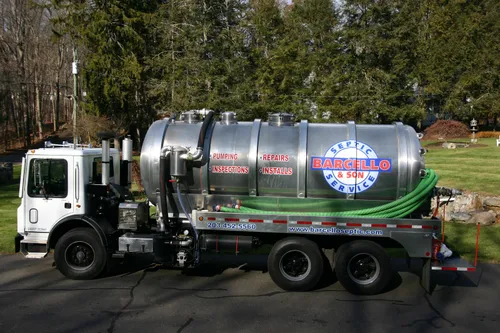
Barcello & Son Septic Service LLC
334 Wilson Rd, Easton, CT 06612
Barcello & Son Septic Service LLC is a family-owned business based in Easton, CT, serving the Bridgeport area with septic tank pumping, inspection, repair, design, and installation services. With over 20 years of experience in Fairfield County, they handle all sizes and types of septic systems using a proprietary 12-step pumping process and the latest equipment. Their expertise covers comprehensive septic system solutions, including real estate appraisal support and system design. The company emphasizes transparent pricing and guarantees their work. Barcello & Son Septic Service LLC is known for clear communication about service timing and procedures, aiming to provide a straightforward and reliable customer experience.
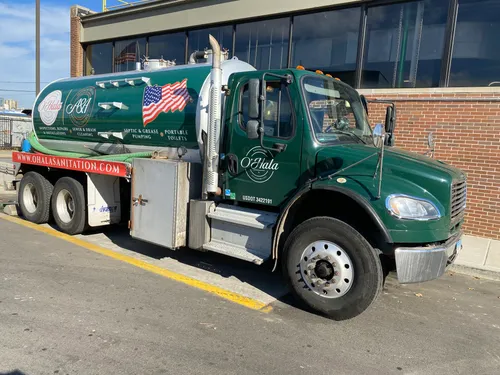
A & A Systems Control Inc
47 Larkin St Unit 5 A, Stamford, CT 06907
A & A Systems Control Inc is a family-owned septic and excavating services company based in Stamford, CT. They provide a full range of septic system services including pumping, inspections, repairs, installations, and drain cleaning for residential and commercial clients. Their expertise extends to excavation, drainage solutions, grease trap cleaning, and percolation testing, serving Stamford and nearby communities such as Greenwich, Darien, and New Canaan. The company offers 24/7 availability and emphasizes routine maintenance plans to minimize emergencies and system backups. With a background in utility construction, A & A Systems Control Inc combines technical knowledge with local service to support well-maintained septic systems.
Understanding Greenwich's Regulatory Framework
All new septic system installations and replacements in Greenwich must be approved by the Town Health Department, specifically the Environmental Services division 1. The process is governed by the Connecticut Public Health Code technical standards for subsurface sewage disposal systems, which set the baseline for design and construction 2. Greenwich adds an additional, critical layer with its requirement for a 100% Septic System Replacement Area 3. This means that for any new system or replacement, you must designate a separate, unused area on your property that is suitable for installing a future backup system. This proactive measure is designed to prevent major issues if your primary system ever fails 4.
The first formal step typically involves submitting an application and site plans for review. A key document is the "Installer Design Proposal," which outlines the proposed system specifics. You cannot proceed with any excavation or installation until the necessary permits are secured from the town 5.
The Critical Role of Soil Testing (Percolation Tests)
The design and size of your septic system are dictated by the soil conditions on your property. A licensed professional engineer or soil scientist must perform soil percolation tests (often called deep tests or perc tests). These tests determine the soil's absorption rate by measuring how quickly water drains through it from test holes, which are typically dug to a depth of 36 inches 6.
The results of this test are paramount. For example, if your soil has a percolation rate of 1 inch in 20 minutes, a standard 4-bedroom home would require approximately 900 square feet of leaching area (drainfield) 7. Poor soil percolation can necessitate a more complex (and costly) system design. The cost for professional septic soil testing can be a significant part of the overall project budget 8.
System Sizing and Component Requirements
Connecticut state law and Greenwich regulations specify minimum requirements for system components. The cornerstone is the septic tank itself. For a single-family home, the minimum tank size is 1,000 gallons 9. However, for larger homes, a 2,000-gallon tank is often required to ensure adequate capacity and proper wastewater treatment. All tanks must also be equipped with a secondary safety lid for security and access 9.
The leaching field size is calculated based on the soil percolation rate and the number of bedrooms in the home, which serves as a proxy for daily wastewater flow. The system must be sized to handle the estimated hydraulic load without failing. This precise engineering ensures the system can treat effluent effectively before it returns to the groundwater.
The Installation and Inspection Process
Once permits are secured and the design is finalized, the physical installation can begin. This involves excavation for the tank and drainfield, placement of the tank and distribution components, and backfilling. It is a job for experienced excavation and septic installation contractors.
Crucially, the Greenwich Health Department must inspect the installed system before it is covered with soil 10. This inspection verifies that the installation matches the approved plans and meets all code requirements. After the system is covered and the site is restored, a final "as-built" plan-a record drawing of the system as it was actually installed-must be submitted to the town for final approval 11.
Find the perfect septic tank installation & replacement contractors for your needs
Get personalized recommendations and expert advice
Cost Factors for Septic System Projects in Greenwich
The cost for a standard septic system installation or full replacement in Connecticut typically ranges from $10,000 to over $25,000, with Greenwich projects often at the higher end of this spectrum due to local requirements and property conditions 12 13. This wide range is influenced by several key factors:
- Site Conditions: Difficult soil (e.g., high clay content or rock), poor percolation rates, high groundwater, or a sloped lot can dramatically increase costs, as they may require specialized system types like mound systems or advanced treatment units.
- System Size and Type: A larger home requiring a bigger tank and drainfield will cost more. Alternative systems for challenging sites are more expensive than conventional gravity-fed systems.
- Professional Services: Fees for the licensed engineer to conduct soil tests, create the design, and submit permit applications are a necessary part of the budget 14.
- Permit Fees: The town charges fees for plan review and permit issuance.
- Excavation and Labor: The complexity of the excavation work is a major cost driver.
- The 100% Reserve Area: Identifying and preserving this unused area is a non-negotiable part of the planning process that affects the overall site plan but can prevent enormous future expenses 15.
Long-Term Maintenance for System Longevity
A properly installed system is just the beginning. To protect your investment and ensure it functions for its intended lifespan, regular maintenance is essential. Industry experts and health departments recommend having your septic tank pumped and the system inspected every 2 to 3 years. Regular pumping prevents solids from overflowing into the drainfield, which is the most common cause of system failure.
Proper use is also key. Avoid flushing non-biodegradable items, excessive use of garbage disposals, and pouring harsh chemicals down the drain. The requirement for a 100% replacement area underscores the importance of long-term planning; having that designated space can make a future repair or replacement far more straightforward and less expensive 16.
Choosing a Professional for Your Project
Given the technical and regulatory complexity, selecting the right team is critical. You will need a licensed septic system installer, and almost certainly, a licensed professional engineer familiar with Greenwich's specific protocols. Look for professionals with extensive local experience who can navigate the Town Health Department's online access portal and submission processes efficiently. They should be willing to explain the process, provide a detailed written estimate that breaks down testing, design, permit, and installation costs, and offer references from past projects in the area.
Frequently asked questions
Sources
Footnotes
-
Environmental Online Access | Greenwich, CT - https://www.greenwichct.gov/1810/Environmental-Online-Access ↩
-
Connecticut Public Health Code On-site Sewage Disposal ... - https://portal.ct.gov/-/media/Departments-and-Agencies/DPH/dph/environmental_health/environmental_engineering/2018-Uploads/Technical-Standards-2018-Master-011918.pdf ↩
-
Additions When Property is on Septic | Greenwich, CT - https://www.greenwichct.gov/584/Additions-When-Property-is-on-Septic ↩
-
Checklist for 100% Septic System Replacement Area | Greenwich, CT - https://www.greenwichct.gov/DocumentCenter/View/3131/Checklist-for-100-percent-Septic-System-Replacement-Area-PDF ↩
-
Septic Developers - North Central Distict Health Department - https://www.ncdhd.org/septic-developers ↩
-
Septic Installation Tips & Best Practices You Should Know - https://www.rciseptic.com/understanding-septic-installations-key-tips-and-best-practices ↩
-
Checklist for Installer Design Proposal for Sewage Disposal - https://www.greenwichct.gov/DocumentCenter/View/3134/Installer-Design-Proposal-PDF ↩
-
How Much Does a Septic Soil Test Cost in 2026? - https://landperc.com/septic-soil-test-cost/ ↩
-
Living Responsibly with a Septic Tank Homeowner Record-Keeping ... - https://conservect.org/eastern/wp-content/uploads/2021/02/SepticSystemFileFolder.pdf ↩ ↩2
-
CONNECTICUT PUBLIC HEALTH CODE On-site Sewage Disposal ... - https://portal.ct.gov/dph/-/media/departments-and-agencies/dph/dph/environmental_health/environmental_engineering/2023-uploads/ts-master-2023-1242023a.pdf?rev=ff2a02fba994441d8db4a5690867a002&hash=153A7DFFC69CCAAE2595B4A254D97960 ↩
-
100% Septic System Replacement Area Application - Greenwich, CT - https://www.greenwichct.gov/DocumentCenter/View/3132/100-percent-Septic-System-Replacement-Area-Application-PDF ↩
-
Septic System Replacement New Milford CT | Signs, Costs & Solutions - https://newmilfordseptic.com/when-is-it-time-to-replace-your-septic-system-in-new-milford-ct/ ↩
-
Septic Tank Installation Cost: 2026 Guide for Homewners - https://modernize.com/plumbing/systems/drainage/septic-tank-installation ↩
-
Septic System Installation Checklist - https://www.mecindustries.com/morse-engineering-and-construction-industries/septic-system-installation-checklist ↩
-
Septic System Design: What CT Homeowners Need to Know - https://andersonseptic.com/septic-system-design-guide/ ↩
-
Septic Homeowners - North Central Distict Health Department - https://www.ncdhd.org/septic-homeowners ↩