
Find the Best Septic Tank Installation & Replacement Contractors for Your Business
No obligation • Fast responses • Nationwide coverage

Why you can trust Septic Spot
Septic Spot is a leading United States resource for understanding and comparing septic services. Our editors review providers using consistent criteria and verify key business details. Listings and scores are independent, and companies cannot pay to influence our content.
Search providers near you
Top Septic Tank Installation & Replacement Contractors in Hamden, Connecticut Ranked
Installing or replacing a septic system is a significant home infrastructure project that ensures the safe and effective treatment of household wastewater. For Hamden homeowners, this process is governed by specific state and local health codes designed to protect public health and the environment. Understanding the regulatory steps, from soil testing to final inspection, is crucial for a successful project. This guide provides a clear overview of the process, costs, and key considerations to help you navigate planning your septic system installation or replacement with local professionals.
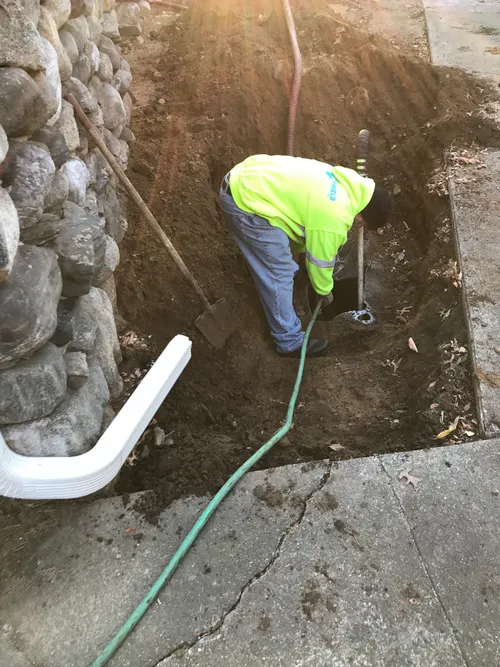
Unlimited Excavation and Construction
688 N Washington Ave, Bridgeport, CT 06604
Unlimited Excavation and Construction is a family-owned company based in Bridgeport, CT, providing comprehensive septic and sewer services for residential and commercial clients. With over 30 years of experience, they offer septic tank installation, inspection, repair, and sewer line maintenance, along with additional services like drain cleaning and asphalt paving. Their team uses state-of-the-art technology to inspect septic systems and sewer lines, helping to identify potential issues early and perform necessary repairs efficiently. They also provide 24/7 emergency services to address urgent sewer and septic problems promptly.
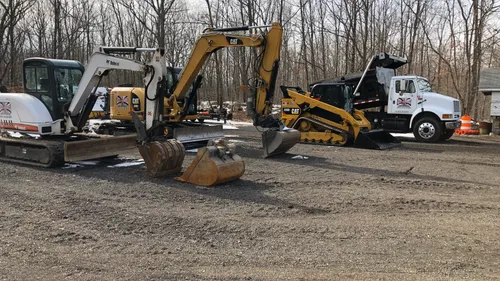
Laco Site Services
35 Russell Rd, Bethany, CT 06524
Laco Site Services is a septic tank installation contractor based in New Haven, CT. The company provides septic system design and installation along with excavation services for residential and commercial projects across New Haven County. With experience dating back to 1987, Laco Site Services has handled complex jobs including large septic systems and challenging waterproofing and drainage projects. The business also offers specialized excavation capabilities such as footing drain installation and stump removal following natural disasters.
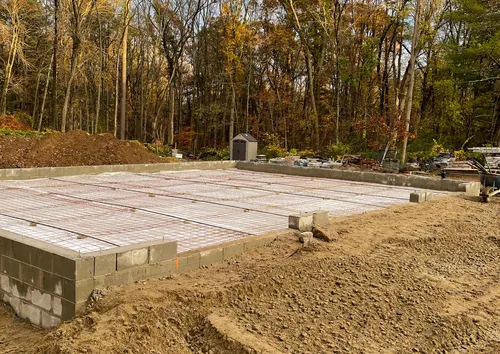
M & S Excavation & Septic LLC
180 Nortontown Rd, Madison, CT 06443
M & S Excavation & Septic LLC is a family-owned excavation company based near New Haven, CT. They provide residential and commercial excavation services including septic tank installation, land clearing, demolition, site work, and retaining walls. Serving Middlesex, New Haven, and New London counties, they have been operating in Connecticut since 2013. Their capabilities include full-service septic installations and water and sewer connections.
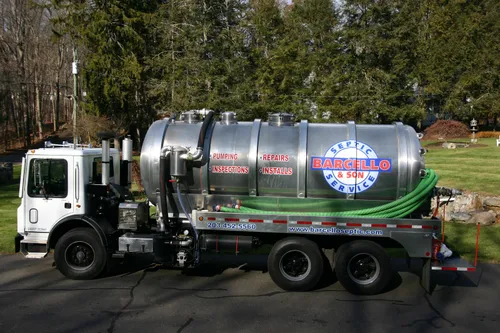
Barcello & Son Septic Service LLC
334 Wilson Rd, Easton, CT 06612
Barcello & Son Septic Service LLC is a family-owned business based in Easton, CT, serving the Bridgeport area with septic tank pumping, inspection, repair, design, and installation services. With over 20 years of experience in Fairfield County, they handle all sizes and types of septic systems using a proprietary 12-step pumping process and the latest equipment. Their expertise covers comprehensive septic system solutions, including real estate appraisal support and system design. The company emphasizes transparent pricing and guarantees their work. Barcello & Son Septic Service LLC is known for clear communication about service timing and procedures, aiming to provide a straightforward and reliable customer experience.
Valley View Excavating, LLC
230 S Washington St Suite 13, Plainville, CT 06062
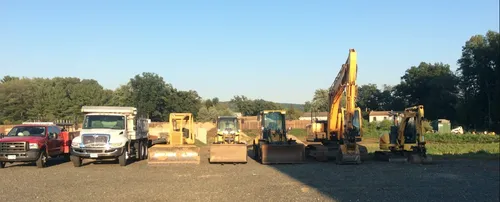
Valley View Excavating, LLC is an excavating contractor based in Waterbury, CT, offering services for both residential and commercial projects. Their expertise includes septic tank installation, general excavation, sewer excavation, and various hardscaping solutions such as patio pavers and retaining walls. Established in 2007, the company emphasizes quality materials and hands-on management, with the owner involved in every job to ensure proper completion.
Understanding Hamden's Septic System Regulations
All work involving the construction, alteration, or repair of a septic tank and its connected pipes in Hamden requires a written permit from the local Director of Health or an authorized inspector 1. This rule is in place to ensure every subsurface sewage disposal system is designed and built to state standards, preventing contamination of groundwater and nearby properties. The permitting authority for most residential systems (those with a design flow of 7,500 gallons per day or less) is the local health department, which in Hamden's case is typically the Quinnipiack Valley Health District (QVHD).
Systems must adhere to the Connecticut Public Health Code, specifically Section 19-13-B103 and its accompanying Technical Standards 2 3. These regulations dictate everything from the required soil percolation rates to the minimum separation distance between system components and the high groundwater table. Failure to obtain the proper permits or follow code can result in costly corrections, fines, and system failure.
The Permit Application and Planning Process
The first formal step in your septic project is applying for a permit. For a residential tank installation or removal in Hamden, the permit fee is generally $50 per tank 4. However, the application requires more than just a form and payment. You or your licensed installer will need to submit an engineered design for any new or repaired system 5. This design is based on critical site-specific data gathered through soil testing.
If existing soil data is not available, the health department will require percolation tests and deep observation pits (often called "deep tests") to be conducted on your property. These tests determine the soil's permeability (how quickly water drains) and the seasonal high groundwater level. Applicants are usually responsible for having these test holes dug-generally to a depth of at least 36 inches-and ready for evaluation at the time of the initial site inspection by the health official.
A key regulation that comes from this testing is the groundwater separation requirement. Connecticut code mandates a minimum of 18 inches of clearance between the bottom of the leaching system (like a drain field) and the maximum observed groundwater level 6 7. This buffer is essential for preventing wastewater from directly entering the groundwater.
The Installation and Inspection Phases
Once a permit is issued and plans are approved, the physical installation can begin. This process is closely monitored through a series of mandatory inspections to ensure compliance with the approved design. Missing an inspection can lead to orders to uncover completed work, causing delays and extra expense.
- Initial Inspection: This occurs during the planning phase, where the health inspector evaluates the soil test pits and percolation holes to verify the site conditions and approve the system design 8.
- Installation Inspection: During construction, all repairs or new installations must be inspected before any components are covered with soil. This includes checking the septic tank placement, watertightness, and the construction of the leaching area.
- Final (As-Built) Inspection: After installation is complete but before the system is put into full use, a final inspection is conducted. The inspector verifies the system was installed according to the approved plans. A critical part of this step is submitting a record drawing, or "as-built" plan, that documents the system's exact location and configuration for future reference 9.
Find the perfect septic tank installation & replacement contractors for your needs
Get personalized recommendations and expert advice
Cost Considerations for System Installation and Replacement
The cost of a septic system installation or replacement in Hamden varies widely based on system type, soil conditions, and property layout. For a standard residential septic system replacement in Connecticut, homeowners can typically expect costs to range from $10,000 to $25,000 or more. The lower end of this range often applies to conventional gravity-fed systems in ideal soil, while the higher end applies to more complex engineered systems required for challenging sites with poor drainage or high groundwater.
Breaking down the costs, the tank itself is a major component. A standard 1,000-gallon concrete septic tank can cost between $500 and $900 for the materials 10. However, the bulk of the expense comes from excavation, labor, distribution boxes, piping, and the leaching field materials. Engineered systems, which may include pumps, sand filters, or advanced treatment components, significantly increase both material and labor costs 11 12. It's important to get detailed quotes from licensed installers that include all permitting fees, engineering design costs, and excavation.
Choosing Between Repair and Full Replacement
Not all system failures require a complete replacement. Sometimes, issues are isolated to a clogged pipe, a damaged baffle, or a single failed section of the drain field. A professional assessment is essential. However, a full septic system replacement is often necessary if the tank is structurally compromised, the drain field has completely failed due to age or biomat buildup, or the existing system does not meet current health code standards and is causing a public health nuisance.
Signs that your system may be failing and needs professional evaluation include sewage backups in the home, soggy ground or standing water over the drain field, foul odors, and unusually lush grass growth over the system area. Proactively addressing these issues is always less costly than waiting for a complete failure, which can lead to property damage and environmental health orders.
Working with Licensed Professionals
Given the technical and regulatory complexity of septic work, hiring a licensed septic installer is not just recommended-it's practically required to navigate the permit process successfully. A qualified professional will understand the local and state codes, have relationships with health department inspectors, and be able to coordinate the necessary soil testing and engineering. They ensure the system is built to last and complies with all regulations, protecting your investment and your property.
When evaluating contractors, verify their license is current with the State of Connecticut, ask for references from recent jobs in the area, and ensure their quote includes a detailed scope of work, a timeline that accounts for permit approvals and inspections, and a clear payment schedule. A reputable installer will also guide you through the long-term maintenance requirements to keep your new system functioning properly for decades.
Frequently asked questions
Sources
Footnotes
-
§ 50.04 PERMITS FOR SEPTIC TANKS AND CESSPOOLS. - https://codelibrary.amlegal.com/codes/hamden/latest/hamden_ct/0-0-0-3070 ↩
-
Environmental Engineering - Subsurface Sewage - CT.gov - https://portal.ct.gov/dph/environmental-health/environmental-engineering/environmental-engineering----subsurface-sewage ↩
-
CONNECTICUT PUBLIC HEALTH CODE On-site Sewage Disposal ... - https://portal.ct.gov/-/media/Departments-and-Agencies/DPH/dph/environmental_health/environmental_engineering/2023-uploads/TS-Master-2023-1242023A.pdf ↩
-
Permits and Licensing Center - Hamden, CT - https://www.hamden.com/480/Permits-and-Licensing-Center ↩
-
Septic Tank Plans: A Complete Homeowner's Guide - Land Perc - https://landperc.com/septic-tank-plans-guide/ ↩
-
Operation and Maintenance - CT.gov - https://portal.ct.gov/dph/environmental-health/environmental-engineering/operation-and-maintenance ↩
-
Connecticut Public Health Code On-site Sewage Disposal ... - https://portal.ct.gov/-/media/Departments-and-Agencies/DPH/dph/environmental_health/environmental_engineering/2018-Uploads/Technical-Standards-2018-Master-011918.pdf ↩
-
Septic Developers - North Central Distict Health Department - https://www.ncdhd.org/septic-developers ↩
-
Connecticut Septic Tank Requirements - https://www.ntotank.com/blog/connecticut-septic-tank-requirements ↩
-
Residential Septic Tank Pricing | Homeowner's Guide to Costs - https://www.ntotank.com/blog/residential-septic-tank-pricing ↩
-
Complete Septic System Installation: Process, Permits, And ... - https://www.theseptictankman.com/blog/complete-septic-system-installation-process-permits-and-pitfalls ↩
-
Septic System Replacement New Milford CT | Signs, Costs & Solutions - https://newmilfordseptic.com/when-is-it-time-to-replace-your-septic-system-in-new-milford-ct/ ↩