
Find the Best Septic Tank Installation & Replacement Contractors for Your Business
No obligation • Fast responses • Nationwide coverage

Why you can trust Septic Spot
Septic Spot is a leading United States resource for understanding and comparing septic services. Our editors review providers using consistent criteria and verify key business details. Listings and scores are independent, and companies cannot pay to influence our content.
Search providers near you
Top Septic Tank Installation & Replacement Contractors in Meriden, Connecticut Ranked
Installing or replacing a septic system is a significant investment in your property's long-term functionality and environmental health. In Meriden, this process is governed by strict state and local regulations to protect groundwater and public safety. This guide explains the essential steps, costs, and requirements for septic system installation and replacement, helping you navigate the process of finding qualified local professionals to handle your project.
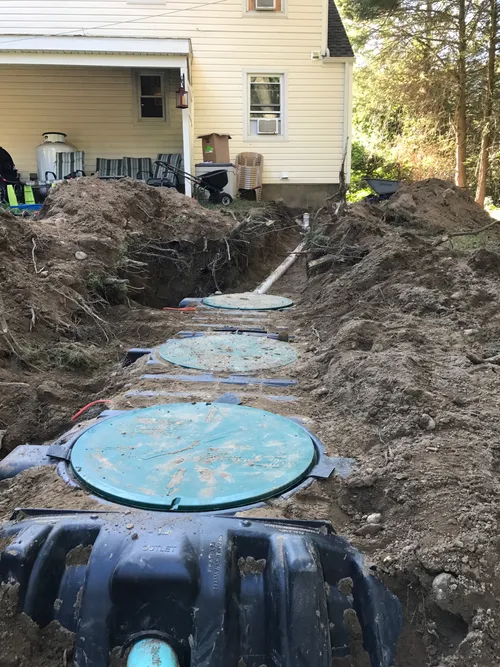
Septicology
47 Plantation Rd Unit D, Broad Brook, CT 06016
Septicology is a family-owned septic company serving Hartford, CT, and all towns across Connecticut. Since 2017, they have provided septic system inspections, repairs, installations, and pumping services throughout the state. Their inspection reports include detailed analyses, color photos, and system location drawings, offering clear insights into septic system conditions. Septicology emphasizes flexible scheduling to accommodate customer needs and maintains open communication throughout the service process.

Skips Wastewater Services
21 Courtney Dr, Ellington, CT 06029
Skips Wastewater Services provides septic tank pumping, inspection, repair, and installation services in Hartford, CT. They serve residential and commercial clients across multiple counties in Connecticut, including Hartford, Middlesex, New London, Tolland, Windham, and New Haven. The company operates with a large fleet of pump trucks and uses advanced technology to handle septic emergencies and routine maintenance efficiently. With over 60 years of experience, Skips Wastewater Services offers 24/7 emergency support to address issues like sewage backups and slow drains promptly.
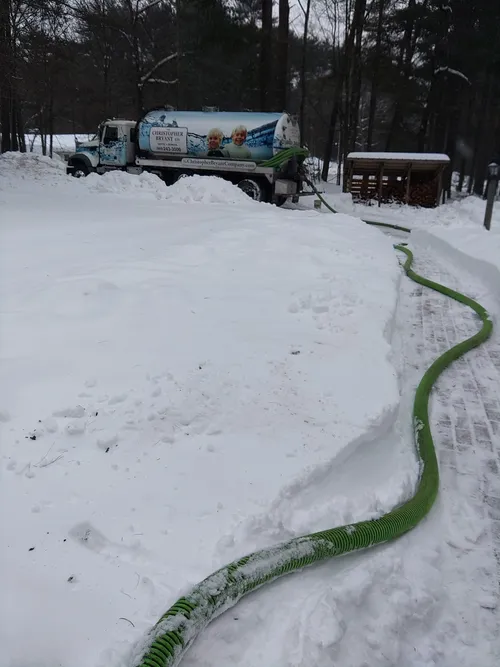
The Christopher Bryant Co. LLC
126 W Dudley Town Rd, Bloomfield, CT 06002
The Christopher Bryant Co. LLC is a family-owned septic service provider based in Hartford, CT, serving Hartford County and surrounding communities since 1995. They offer a full range of septic system services including pumping, inspection, repair, and installation. The company is known for its hands-on ownership and expertise in septic riser installation, which facilitates easier maintenance and inspection. With over 30 years in business, they provide 24/7 emergency service and same-day service options to address urgent septic needs.
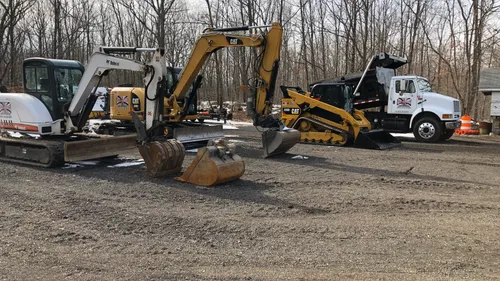
Laco Site Services
35 Russell Rd, Bethany, CT 06524
Laco Site Services is a septic tank installation contractor based in New Haven, CT. The company provides septic system design and installation along with excavation services for residential and commercial projects across New Haven County. With experience dating back to 1987, Laco Site Services has handled complex jobs including large septic systems and challenging waterproofing and drainage projects. The business also offers specialized excavation capabilities such as footing drain installation and stump removal following natural disasters.
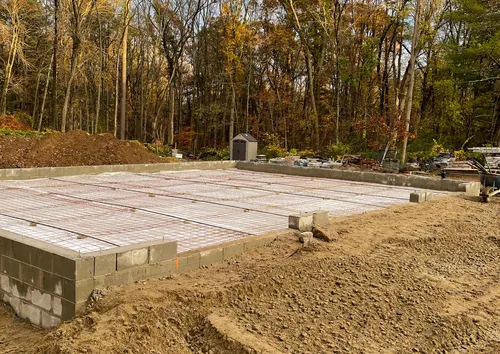
M & S Excavation & Septic LLC
180 Nortontown Rd, Madison, CT 06443
M & S Excavation & Septic LLC is a family-owned excavation company based near New Haven, CT. They provide residential and commercial excavation services including septic tank installation, land clearing, demolition, site work, and retaining walls. Serving Middlesex, New Haven, and New London counties, they have been operating in Connecticut since 2013. Their capabilities include full-service septic installations and water and sewer connections.
Understanding the Permit Process
Before any excavation begins, you must secure the proper approvals from the City of Meriden. A Permit to Construct or Alter a Subsurface Sewage Disposal System is required from the Meriden Health and Human Services Department. This permit is valid for one year from its issuance and is not transferable between property owners 1. The permit application must be accompanied by a design from a professional engineer, which is based on critical soil evaluations. Only licensed septic installers and engineers are legally allowed to design and install these systems in Connecticut 1.
For new construction or home additions that increase the potential wastewater flow, the site plan must demonstrate a code-complying area for the entire septic system to gain approval 2. This upfront planning is crucial, as changes in property use that increase design flow by more than 50%-like adding a bedroom-can trigger the requirement for a completely new or upgraded system 3.
The Critical Role of Soil Evaluation
The design and viability of your septic system depend entirely on the conditions beneath your property. A state-licensed soil evaluator must perform two key tests:
- Deep Test Hole Investigation: This checks for seasonal high groundwater levels and bedrock, which can restrict where a leaching field can be placed.
- Percolation ("Perc") Test: This measures how quickly water drains through the soil, determining its absorptive capacity 4.
The results of these tests dictate the size, type, and configuration of the leach field. The local health department must approve these results before they can be incorporated into the final engineered plan 5. In areas with shallow bedrock or high water tables, a conventional system may not be possible, necessitating a more complex (and often more costly) engineered septic design.
Required Inspections During Installation
Meriden mandates specific inspections at critical stages of the installation to ensure compliance with the approved plan. These inspections must be scheduled and passed before covering any components:
- Open Pit Investigation: This verifies the soil conditions and percolation test results in the actual excavation site.
- Tank & Leaching System Inspection: The installation of the septic tank, distribution box, and leaching pipes must be inspected before they are backfilled with soil 6.
- Final Inspection: Upon completion of all work, a final approval from the Health Department is required to officially close the permit 7.
Find the perfect septic tank installation & replacement contractors for your needs
Get personalized recommendations and expert advice
Cost Considerations for System Installation & Replacement
The cost of a new septic system or a full replacement in the Meriden area is substantial and varies widely based on system type and site conditions. For a conventional system, average costs in Connecticut typically range from $10,000 to over $25,000 8. Engineered systems, required for challenging sites, can cost significantly more.
Breaking down the components, a standard 1,000-gallon concrete septic tank alone generally costs between $500 and $900, not including delivery, excavation, or installation 9. The majority of the project cost comes from the extensive site work, engineering, permitting, and installation of the leaching field. It's important to view this as a long-term investment in your property, as a properly designed and installed system can last for decades.
Compliance with State and Local Codes
All septic work in Meriden must comply with the Connecticut Public Health Code Section 19-13-B103 and the latest Technical Standards (e.g., the 2024 standards) 10. These regulations cover everything from setback distances from wells and property lines to the specific construction materials allowed for tanks and piping.
Replacement projects are not just for failed systems. As noted, increasing your home's wastewater flow capacity or making significant property alterations can legally require an upgrade. Furthermore, if an existing system is causing a nuisance or public health hazard, the local health department can issue an order requiring repair or replacement.
Choosing the Right System for Your Property
The type of system installed depends on your soil evaluation. A conventional gravity-fed system with a stone-filled trench leach field is the most common and cost-effective where soil conditions allow. However, many properties in Connecticut require alternative technologies. These can include:
- Shallow Rock Systems: Designed for sites with bedrock close to the surface.
- Pressure-Dosed Systems: Used to evenly distribute effluent across a leach field, especially on sloping land.
- Advanced Treatment Systems: Incorporate additional treatment stages to handle effluent before it reaches the soil, often used in environmentally sensitive areas or on very small lots.
Your licensed engineer will recommend the appropriate system type based on the mandatory soil evaluation and local health code requirements.
Working with Licensed Professionals
Given the regulatory complexity, working with qualified professionals is non-negotiable. You will need both a licensed Professional Engineer (PE) to design the system and a licensed septic installer to perform the construction. Reputable contractors will handle the permit application process, schedule the necessary inspections, and ensure all work meets the stringent state and local codes. They can also provide valuable guidance on maintaining your new system to maximize its lifespan.
Frequently asked questions
Sources
Footnotes
-
Connecticut Septic Tank Requirements - https://www.ntotank.com/blog/connecticut-septic-tank-requirements ↩ ↩2
-
Article IV: Subsurface Sewage Disposal Systems (Septic Systems) - https://ecode360.com/13490462 ↩
-
Environmental Engineering - Subsurface Sewage - CT.gov - https://portal.ct.gov/dph/environmental-health/environmental-engineering/environmental-engineering----subsurface-sewage ↩
-
How to Know if You Need a Septic System Permit - Pippin Home Designs - https://www.pippinhomedesigns.com/septic-system-permit/ ↩
-
Septic Developers - North Central Distict Health Department - https://www.ncdhd.org/septic-developers ↩
-
Septic System Design: What CT Homeowners Need to Know - https://andersonseptic.com/septic-system-design-guide/ ↩
-
City of Meriden, Connecticut - https://www.meridenct.gov/Customer-Content/www/CMS/files/Health_and_Human_Services/Environmental_Health/2024/PERMIT_TO_CONSTRUCT_A_SUBSURFACE_SEWAGE_DISPOSAL_SYSTEM_2024_01.pdf ↩
-
Septic System Replacement New Milford CT | Signs, Costs & Solutions - https://newmilfordseptic.com/when-is-it-time-to-replace-your-septic-system-in-new-milford-ct/ ↩
-
Residential Septic Tank Pricing | Homeowner's Guide to Costs - https://www.ntotank.com/blog/residential-septic-tank-pricing ↩
-
CONNECTICUT PUBLIC HEALTH CODE On-site Sewage ... - https://portal.ct.gov/-/media/Departments-and-Agencies/DPH/dph/environmental_health/environmental_engineering/2023-uploads/TS-Master-2023-1242023A.pdf ↩