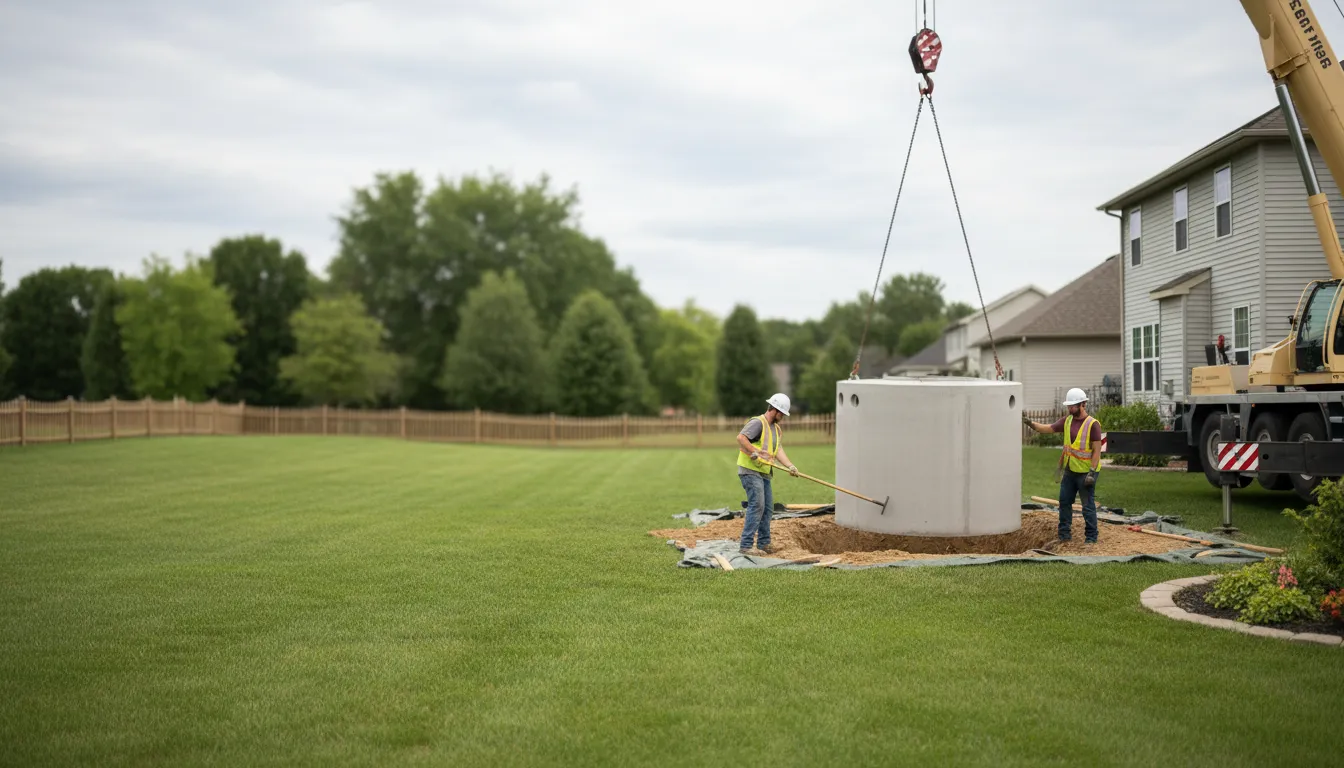
Find the Best Septic Tank Installation & Replacement Contractors for Your Business
No obligation • Fast responses • Nationwide coverage

Why you can trust Septic Spot
Septic Spot is a leading United States resource for understanding and comparing septic services. Our editors review providers using consistent criteria and verify key business details. Listings and scores are independent, and companies cannot pay to influence our content.
Search providers near you
Top Septic Tank Installation & Replacement Contractors in Southington, Connecticut Ranked
Installing or replacing a septic system is a significant home infrastructure project that ensures the safe and effective treatment of household wastewater. In Southington, this process is governed by specific state and local health codes designed to protect public health and the environment. This guide explains the essential steps, regulations, and considerations for septic system installation and replacement in Southington, helping you understand what's required to find and work with qualified local professionals.
Septicology
47 Plantation Rd Unit D, Broad Brook, CT 06016
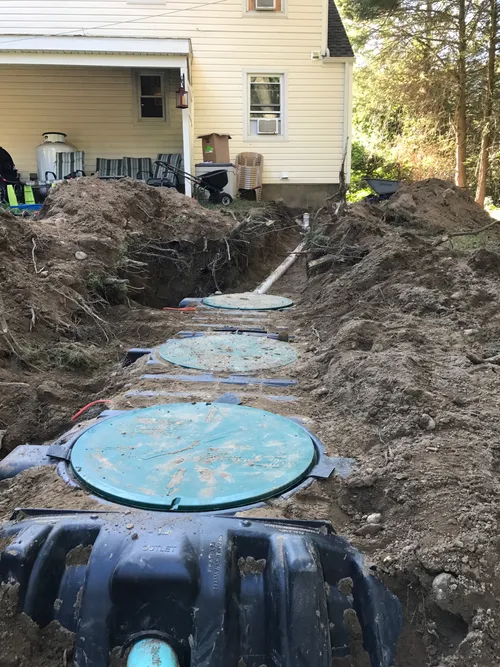
Septicology is a family-owned septic company serving Hartford, CT, and all towns across Connecticut. Since 2017, they have provided septic system inspections, repairs, installations, and pumping services throughout the state. Their inspection reports include detailed analyses, color photos, and system location drawings, offering clear insights into septic system conditions. Septicology emphasizes flexible scheduling to accommodate customer needs and maintains open communication throughout the service process.
Skips Wastewater Services
21 Courtney Dr, Ellington, CT 06029
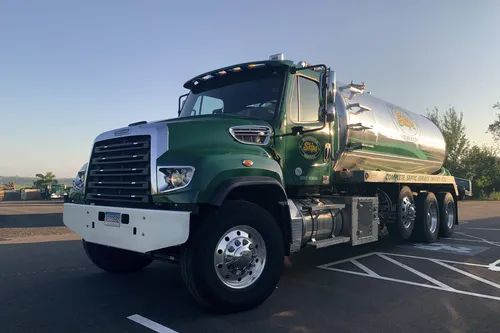
Skips Wastewater Services provides septic tank pumping, inspection, repair, and installation services in Hartford, CT. They serve residential and commercial clients across multiple counties in Connecticut, including Hartford, Middlesex, New London, Tolland, Windham, and New Haven. The company operates with a large fleet of pump trucks and uses advanced technology to handle septic emergencies and routine maintenance efficiently. With over 60 years of experience, Skips Wastewater Services offers 24/7 emergency support to address issues like sewage backups and slow drains promptly.
The Christopher Bryant Co. LLC
126 W Dudley Town Rd, Bloomfield, CT 06002
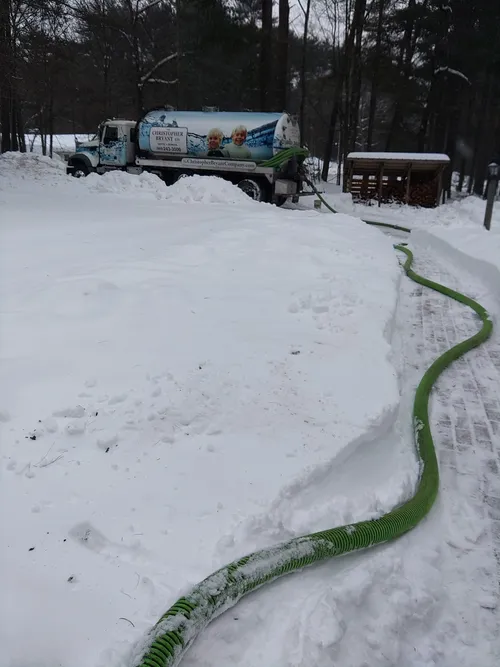
The Christopher Bryant Co. LLC is a family-owned septic service provider based in Hartford, CT, serving Hartford County and surrounding communities since 1995. They offer a full range of septic system services including pumping, inspection, repair, and installation. The company is known for its hands-on ownership and expertise in septic riser installation, which facilitates easier maintenance and inspection. With over 30 years in business, they provide 24/7 emergency service and same-day service options to address urgent septic needs.
Laco Site Services
35 Russell Rd, Bethany, CT 06524
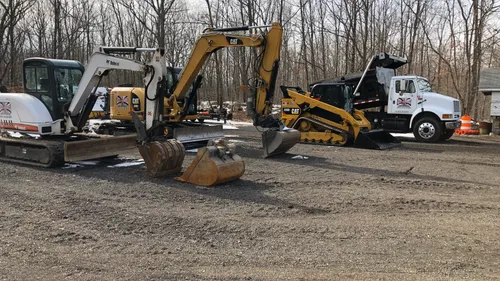
Laco Site Services is a septic tank installation contractor based in New Haven, CT. The company provides septic system design and installation along with excavation services for residential and commercial projects across New Haven County. With experience dating back to 1987, Laco Site Services has handled complex jobs including large septic systems and challenging waterproofing and drainage projects. The business also offers specialized excavation capabilities such as footing drain installation and stump removal following natural disasters.
M & S Excavation & Septic LLC
180 Nortontown Rd, Madison, CT 06443
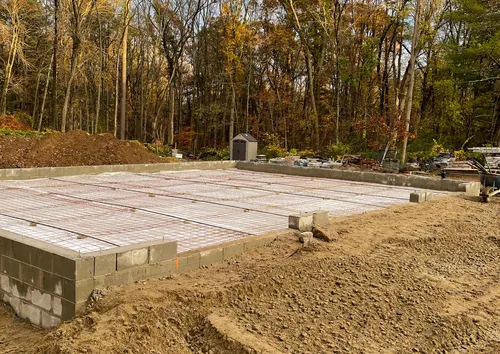
M & S Excavation & Septic LLC is a family-owned excavation company based near New Haven, CT. They provide residential and commercial excavation services including septic tank installation, land clearing, demolition, site work, and retaining walls. Serving Middlesex, New Haven, and New London counties, they have been operating in Connecticut since 2013. Their capabilities include full-service septic installations and water and sewer connections.
Understanding Septic System Regulations in Connecticut
In Connecticut, subsurface sewage disposal systems are regulated under the CT Public Health Code (Section 19-13-B103) 1. For systems with a design capacity of 7,500 gallons per day (GPD) or less-which includes virtually all residential properties-the local Health Department is the primary regulatory authority 1. You cannot begin construction, repair, or replacement of any septic system without first obtaining a formal Permit to Construct from the Southington Health Department.
A critical rule for homeowners to know is that any septic repair project with a cost exceeding $10,000 is legally considered a full system replacement. This triggers the requirement for a completely new system design that meets all current codes, not just a patch repair. Furthermore, only a licensed septic installer, licensed under Connecticut General Statutes Section 20-341, is legally allowed to apply for the construction permit 2.
The Step-by-Step Installation Process
A successful septic tank installation or system replacement follows a multi-stage process with mandatory checkpoints.
1. Site Evaluation and Soil Testing
The journey begins with determining if your property can support a septic system. A licensed professional engineer or surveyor must prepare a site plan. The most crucial part of this phase is the soil evaluation, often called a percolation or "perc" test.
A soil scientist evaluates the soil's permeability (how quickly water drains) and determines the depth to the seasonal high groundwater table. Connecticut regulations typically require a minimum of 18 inches of clearance between the bottom of the leaching system and the highest groundwater level 3. The results of this test directly determine the type and size of the system your property needs.
2. System Design and Plan Submission
Based on the soil evaluation, a system is designed. For favorable soil conditions, a conventional gravelless chamber or stone-and-pipe system may be suitable. For challenging sites with high groundwater or poor soil, an engineered or alternative system (like a mound, sand filter, or aerobic treatment unit) will be necessary.
The licensed installer then submits the approved design plans, along with the application, to the Southington Health Department for the Permit to Construct 4.
3. Permitting and Inspections
Once the health department approves the plans, the permit is issued, and installation can begin. The installation itself is subject to mandatory inspections:
- Soil Testing Inspection: An inspector may observe the test holes to verify the soil profile.
- Installation Inspection: After excavation but before the system is covered (the pre-backfill stage), a health department inspector will visit to ensure the installation matches the approved design plans.
Upon passing final inspection and submission of "as-built" plans from the installer, the health department issues a Permit to Discharge, officially approving the system for use 5.
Find the perfect septic tank installation & replacement contractors for your needs
Get personalized recommendations and expert advice
Key Considerations for Southington Homeowners
System Siting and Setbacks
Your septic system must be located with specific separation distances from wells, buildings, property lines, and water bodies. These setbacks are non-negotiable and are part of the site plan review. Your installer and the health department will ensure the proposed location complies with all required setbacks.
The Importance of a Reserve Area
Connecticut regulations require that a reserve area be designated on your property plan. This is an additional space suitable for a future leaching system, preserved in case the primary system ever needs expansion or replacement. This area cannot be built upon, paved over, or otherwise compromised.
Choosing Between Repair and Replacement
For an aging or failing system, a professional assessment is vital. If the repair estimate approaches or exceeds $10,000, it legally becomes a replacement project 6 7. In such cases, investing in a completely new, code-compliant system is often the more prudent and legally required long-term solution.
Understanding Costs for Septic System Projects
The cost of a new septic system in Southington varies widely based on soil conditions, system type, and property specifics. It's important to budget for the entire project, not just the tank and installation.
- Conventional Systems: For a standard system serving a 3-4 bedroom home on suitable soil, total costs often range from $10,000 to over $20,000 8.
- Engineered Systems: For sites requiring an alternative system, costs can be significantly higher due to complex components, additional materials, and more detailed engineering.
- Professional Fees: Remember to factor in costs for soil testing, engineering design (typically $1,000 - $3,000+), and permit fees from the health department 9 10.
Disclaimer: Regulations, fees, and processes can change. Always contact the Southington Health Department directly for the most current requirements before initiating any septic project.
Frequently asked questions
Sources
Footnotes
-
Environmental Engineering - Subsurface Sewage - CT.gov - https://portal.ct.gov/dph/environmental-health/environmental-engineering/environmental-engineering----subsurface-sewage ↩ ↩2
-
Connecticut Septic Tank Requirements - https://www.ntotank.com/blog/connecticut-septic-tank-requirements ↩
-
Operation and Maintenance - CT.gov - https://portal.ct.gov/dph/environmental-health/environmental-engineering/operation-and-maintenance ↩
-
Permit to Construct Sewage Disposal System - Application - https://hvhdct.gov/permit-to-construct-sewage-disposal-system-application/ ↩
-
Septic Developers - North Central Distict Health Department - https://www.ncdhd.org/septic-developers ↩
-
Septic System Design: What CT Homeowners Need to Know - https://andersonseptic.com/septic-system-design-guide/ ↩
-
Building Sewers and Connections - Town of Southington, CT - https://ecode360.com/27537860 ↩
-
How Much Does a Septic Tank Cost? (Budget Guide) - https://www.bobvila.com/articles/septic-tank-cost/ ↩
-
How Much Does a Septic Soil Test Cost in 2026? - https://landperc.com/septic-soil-test-cost/ ↩
-
Engineered Septic System Design: A Complete Guide - https://landperc.com/engineered-septic-system-design/ ↩