Find the Best Septic Tank Installation & Replacement Contractors for Your Business
No obligation • Fast responses • Nationwide coverage

Why you can trust Septic Spot
Septic Spot is a leading United States resource for understanding and comparing septic services. Our editors review providers using consistent criteria and verify key business details. Listings and scores are independent, and companies cannot pay to influence our content.
Search providers near you
Top Septic Tank Installation & Replacement Contractors in Carmel, Indiana Ranked
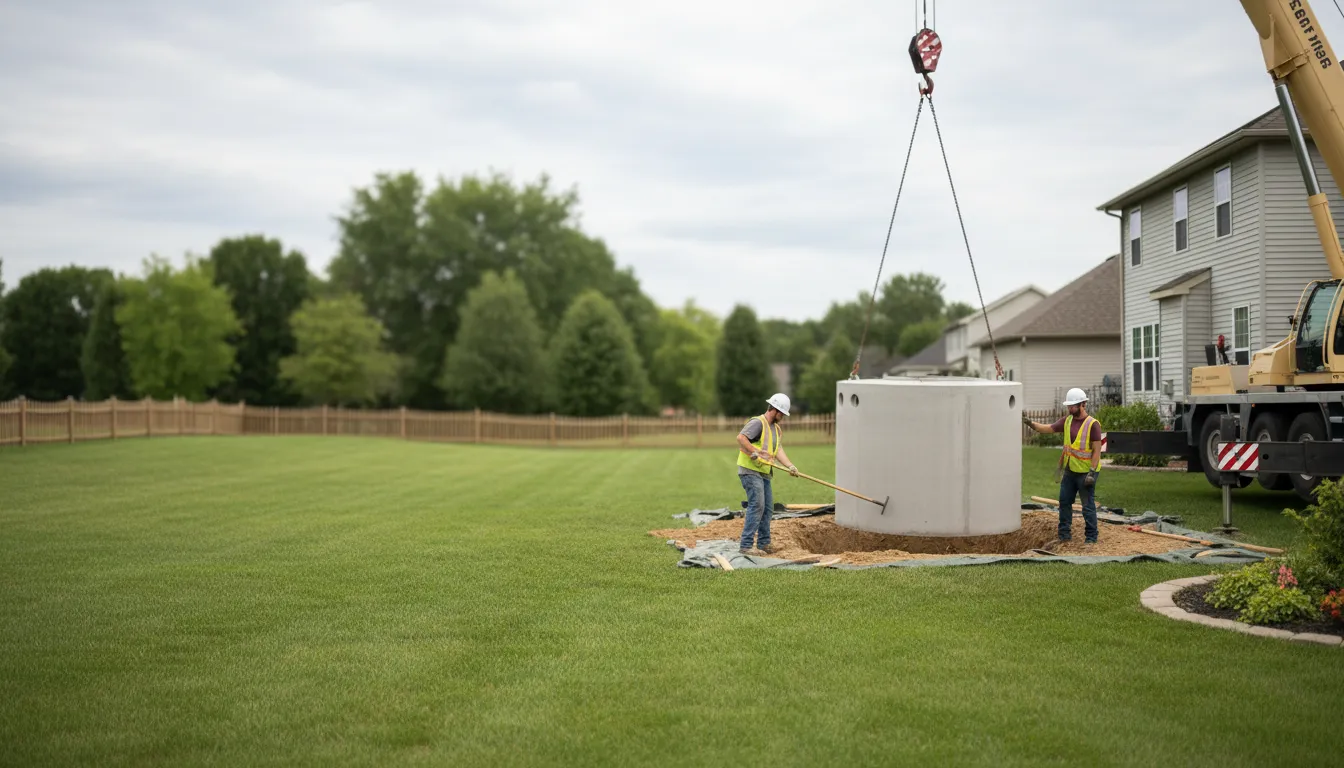
Installing or replacing a septic system is a significant investment in your property's long-term functionality and value. In Carmel, this process is governed by specific state and county regulations to protect public health and the local environment. This guide explains the key steps, requirements, and considerations for septic system installation and replacement in Carmel, helping you understand what to expect and how to connect with qualified local professionals for your project.
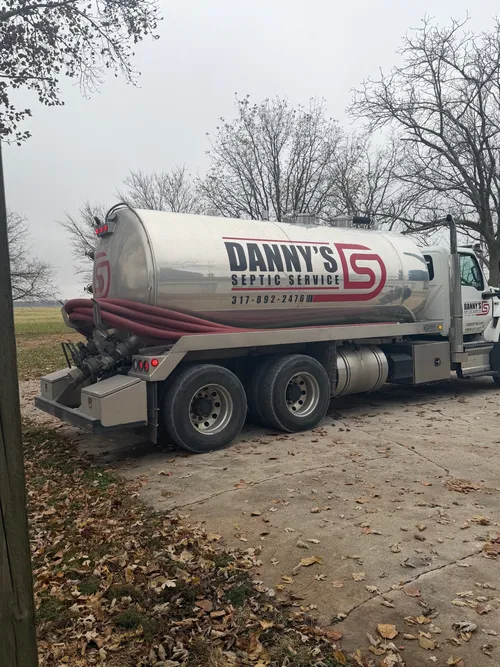
Danny's Septic Service
4938 E County Rd 1000 N, Pittsboro, IN 46167
Danny's Septic Service is a septic tank pumping, repair, and installation company based near Indianapolis, IN. They provide services to residential and commercial customers across several counties including Boone, Clinton, Hendricks, Montgomery, Putnam, Tippicanoe, and parts of Marion County. Their licensed team handles a full range of septic system needs with a focus on building strong client relationships.
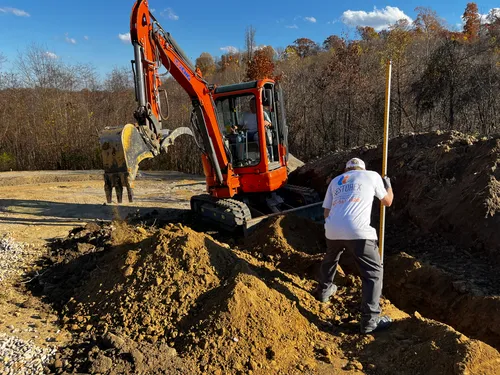
Restorex Septic Solutions
6616 E S R 144, Mooresville, IN 46158
Restorex Septic Solutions provides residential and commercial septic services in Indianapolis, IN. Their offerings include septic tank pumping, inspections, repairs, and installations to maintain proper waste management and comply with environmental regulations. The company addresses issues such as backups, odors, and slow drains to help preserve property sanitation and occupant health. Restorex Septic Solutions is available to assist with septic system problems whenever needed, working with clients and insurance companies to manage repairs efficiently.
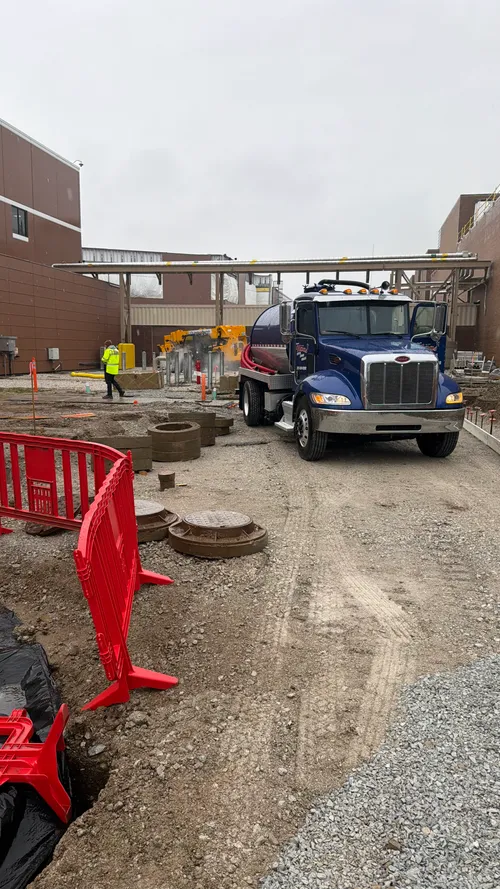
Max Haas Septic Service
7514 E 39th St, Indianapolis, IN 46226
Max Haas Septic Service has been providing septic system services in Indianapolis, IN, and Central Indiana since 1923. They offer a full range of residential and commercial septic solutions including tank pumping, inspections, system installations, drain field replacements, sewer repairs, and drainage system design. With over 100 years of experience, the company handles everything from routine maintenance to complex system installations, ensuring compliance with local codes and long-term system performance. Their organized team uses modern equipment to deliver efficient service across multiple counties in the region.
Septic Installers LLC
4692 S County Road 600 E, Plainfield, IN 46168
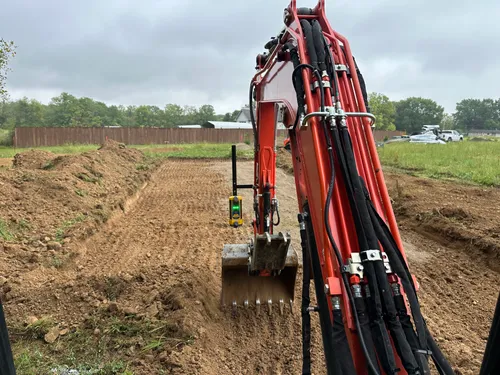
Septic Installers LLC is a septic tank installation contractor based in Indianapolis, IN. They provide septic system site evaluations, in-house septic system design, and installation services. The company serves Morgan, Johnson, Hendricks, and Marion Counties. With over 40 years of excavation experience, they specialize in septic system installation and design to support residential projects.
Lamb Excavating
Indianapolis, IN
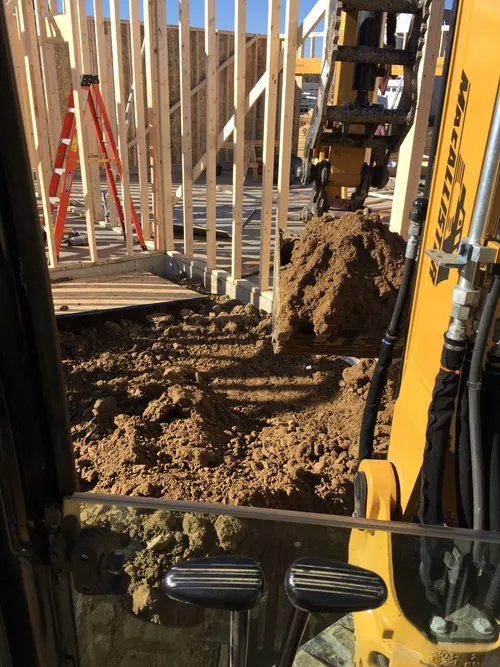
Lamb Excavating is an excavation contractor based in Indianapolis, IN, offering a variety of services including septic tank installation, sewer line repair and replacement, land clearing, grading, and drainage improvement. They provide foundation excavation, basement waterproofing, egress window installation, and paver patio installation. Lamb Excavating focuses on delivering tailored excavation solutions for residential and commercial projects in the Indianapolis area.
Understanding the Regulatory Landscape in Hamilton County
All septic system work in Carmel, Indiana, requires permits and oversight from the Hamilton County Health Department, which enforces Indiana State Rule 410 IAC 6-8.3 1. The department acts on behalf of local municipalities to ensure every onsite wastewater system is designed and installed correctly. Attempting to install a system without following this formal process can result in fines, system failure, and complications when selling your property. The cornerstone of compliance is working with a certified professional; only installers certified by the Indiana Onsite Wastewater Professional Association (IOWPA) should be hired for this critical work.
The Step-by-Step Installation Process
1. Initial Site Assessment and Soil Testing
Before any design work can begin, a licensed soil scientist must conduct a comprehensive soil evaluation on your property. This test determines the soil's structure, color, and permeability to assess its ability to absorb and treat wastewater 2. The results are crucial, as they dictate the type of system required (e.g., conventional gravity-fed, pump-assisted, or advanced treatment) and the size of the drain field3. It is vital to protect the proposed absorption area from any disturbance-avoid driving heavy equipment over it, digging, or adding fill material, as this can compact the soil and void the permit based on the original conditions 4.
2. System Design and Permit Application
A certified designer uses the soil report to create a detailed system layout that complies with all local and state codes. This design package, along with the soil report and the application fee, is submitted to the Hamilton County Health Department for review5 6. Permit fees for new or repair installations typically range from approximately $60 to $500. The health department generally issues construction permits within 30 days of receiving a complete application.
3. Installation and Mandatory Inspections
Once the permit is secured, your chosen installer can begin work. State law requires the installer to provide the health department with at least two business days' notice before starting construction. A county specialist will visit the site to inspect the excavated tank and drain field area before any components are buried. A final inspection of the entire system-ensuring the tank and drain field match the approved plan-is required before the system can be backfilled and completed. From initial design to final inspection, the entire process often takes 6 to 8 weeks.
Key Requirements and Costs for Carmel Homeowners
Adhering to specific siting and material requirements is non-negotiable. Indiana Department of Health regulations mandate that septic tanks be located at least 50 feet from any lake, pond, or stream and 100 feet from any well 7. Only approved, watertight tanks made of concrete, fiberglass, or plastic are permitted for installation7.
For a standard residential septic system installation, total costs in the Carmel area typically range from $5,000 to $15,000, though complex sites or systems with advanced treatment components can cost more8 9 10. This investment covers the soil evaluation, design, permits, materials, labor, and inspections.
Find the perfect septic tank installation & replacement contractors for your needs
Get personalized recommendations and expert advice
When is System Replacement Necessary?
Understanding the signs that your existing onsite sewage system needs replacement can prevent property damage and health hazards. Common indicators include:
- Persistent Drain Field Failure: Sewage backing up into the home or surfacing in the yard.
- Age: Most conventional systems have a lifespan of 20-40 years.
- Changes in Property Use: Adding bedrooms or significantly increasing water usage can overload an older system.
- Failed Repair Attempts: When repairs are no longer solving chronic issues.
Replacement follows the same rigorous permit and inspection process as a new installation, starting with a new soil evaluation11 12.
Choosing the Right Professional for the Job
Given the technical and regulatory complexity, selecting the right contractor is paramount. Always verify their IOWPA certification and ask for references from recent projects in Hamilton County. A reputable septic system installer will handle the permit application process, schedule all required inspections, and provide you with a detailed contract outlining costs, timelines, and responsibilities. They should also educate you on the proper long-term maintenance schedule for your new system.
Planning for a Smooth Project
Successful septic tank installation relies on careful planning. Homeowners should:
- Budget Accordingly: Include a contingency for potential site challenges uncovered during excavation.
- Secure Financing: Some local lenders offer home improvement loans for septic work.
- Plan for Landscaping: Discuss with your installer how to properly grade the land over the new drain field and what types of vegetation are safe to plant (grass is usually best).
- Keep Records: File all permits, design plans, and inspection certificates in a safe place for future reference, especially if you sell your home.
By understanding this process and partnering with a certified expert, you can ensure your new or replacement septic system provides reliable, compliant wastewater treatment for your Carmel home for decades to come.
Frequently asked questions
Sources
Footnotes
-
Onsite Sewage (Septic) Systems Program - https://marionhealth.org/onsite-sewage-septic-systems-program/ ↩
-
Septic Tank Plans: A Complete Homeowner's Guide - https://landperc.com/septic-tank-plans-guide/ ↩
-
Determining the Appropriate Septic System Size: Ultimate Guide | Septic System Professionals - https://septic911.com/determining-the-appropriate-septic-system-size/ ↩
-
Septic System Regulations: Navigating Compliance for Homeowners - https://www.justindorseyplumbing.com/septic-system-regulations-navigating-compliance-for-homeowners/ ↩
-
Septic System Permit Procedure - IN.gov - https://www.in.gov/localhealth/claycounty/files/Septic-procedure.pdf ↩
-
St. Joseph County: Septic Systems - https://www.in.gov/localhealth/stjosephcounty/environmental-health/septic-systems/ ↩
-
Indiana Septic Tank Requirements | On-Site Sewage Systems - https://www.ntotank.com/blog/indiana-septic-tank-requirements ↩ ↩2
-
Septic System Install Timeline | RCI Septic Service - https://www.rciseptic.com/complete-step-by-step-timeline-septic-system-installation-from-permit-to-finish ↩
-
Understanding Septic Tank Permits and Regulations - https://westcoastsanitationinc.com/understanding-septic-tank-permits-and-regulations/ ↩
-
How to get a septic permit - IN.gov - https://www.in.gov/localhealth/harrisoncounty/files/Brochure_Septic_permit_how_to_get_one.pdf ↩
-
RESIDENTIAL ONSITE SEPTIC PERMIT PROCESS - https://rushcounty.in.gov/wp-content/uploads/2021/07/RESIDENTIAL-ONSITE-SEPTIC-PERMIT-PROCESS-1.pdf ↩
-
Union County: Septic Inspection and Permits - https://www.in.gov/localhealth/unioncounty/environmental-services/septic-inspection-and-permits/ ↩