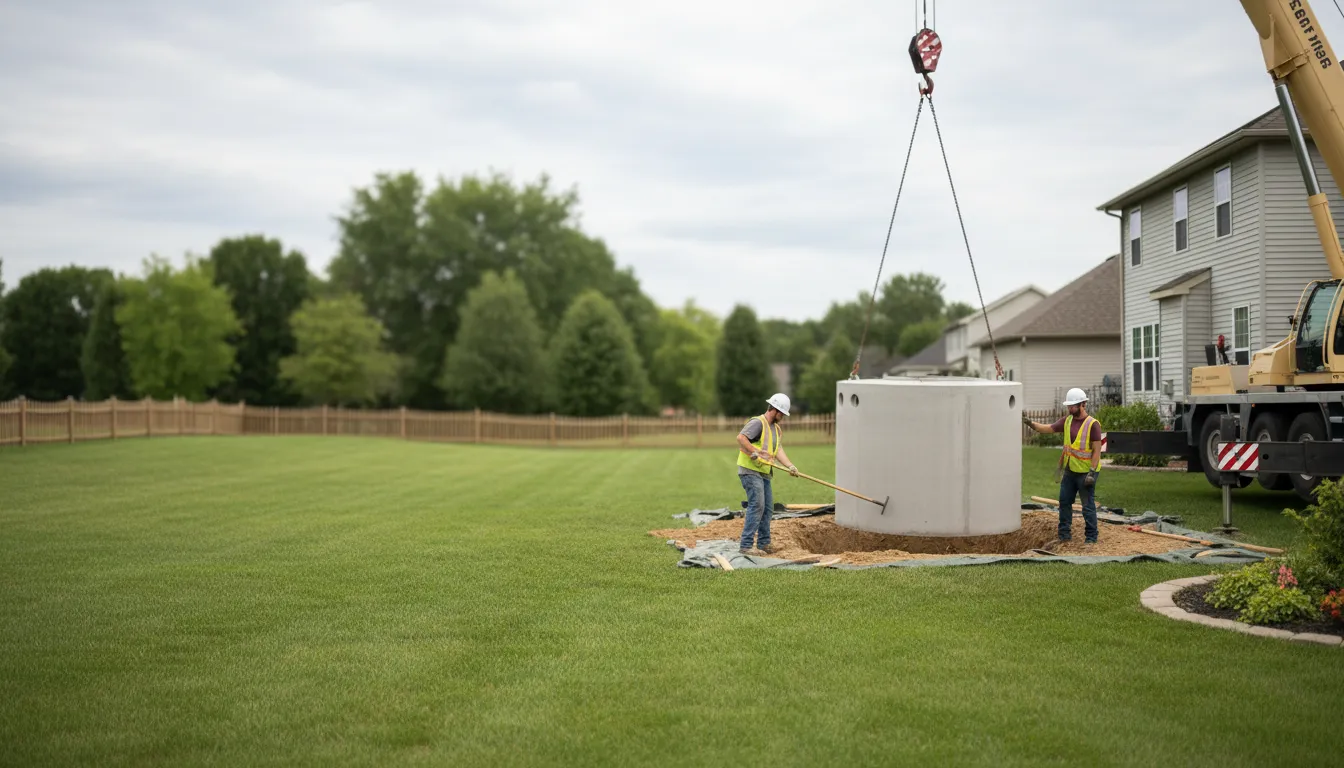
Find the Best Septic Tank Installation & Replacement Contractors for Your Business
No obligation • Fast responses • Nationwide coverage

Why you can trust Septic Spot
Septic Spot is a leading United States resource for understanding and comparing septic services. Our editors review providers using consistent criteria and verify key business details. Listings and scores are independent, and companies cannot pay to influence our content.
Search providers near you
Top Septic Tank Installation & Replacement Contractors in Indianapolis, Indiana Ranked
Installing or replacing a septic system is a significant home infrastructure project that requires careful planning, professional expertise, and strict adherence to local regulations. For Indianapolis homeowners not connected to the municipal sewer, a properly functioning onsite wastewater treatment system is essential for health, safety, and property value. This guide provides a detailed overview of the process, costs, and key considerations for septic system installation and replacement in Marion County, helping you navigate the journey from soil testing to final inspection with confidence.
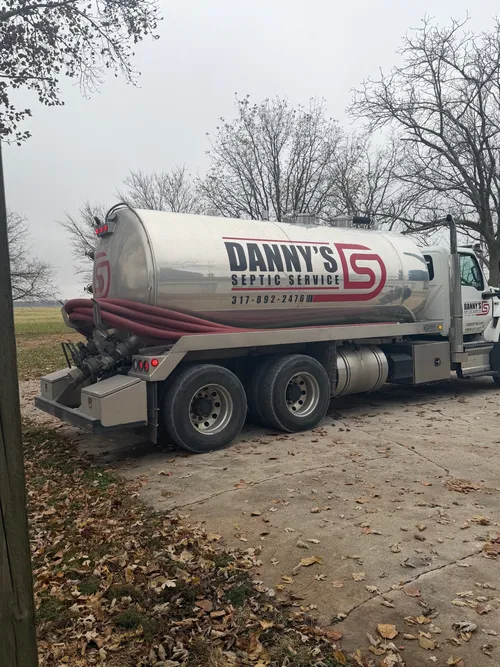
Danny's Septic Service
4938 E County Rd 1000 N, Pittsboro, IN 46167
Danny's Septic Service is a septic tank pumping, repair, and installation company based near Indianapolis, IN. They provide services to residential and commercial customers across several counties including Boone, Clinton, Hendricks, Montgomery, Putnam, Tippicanoe, and parts of Marion County. Their licensed team handles a full range of septic system needs with a focus on building strong client relationships.
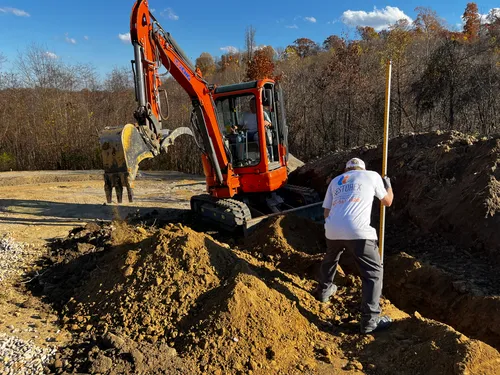
Restorex Septic Solutions
6616 E S R 144, Mooresville, IN 46158
Restorex Septic Solutions provides residential and commercial septic services in Indianapolis, IN. Their offerings include septic tank pumping, inspections, repairs, and installations to maintain proper waste management and comply with environmental regulations. The company addresses issues such as backups, odors, and slow drains to help preserve property sanitation and occupant health. Restorex Septic Solutions is available to assist with septic system problems whenever needed, working with clients and insurance companies to manage repairs efficiently.
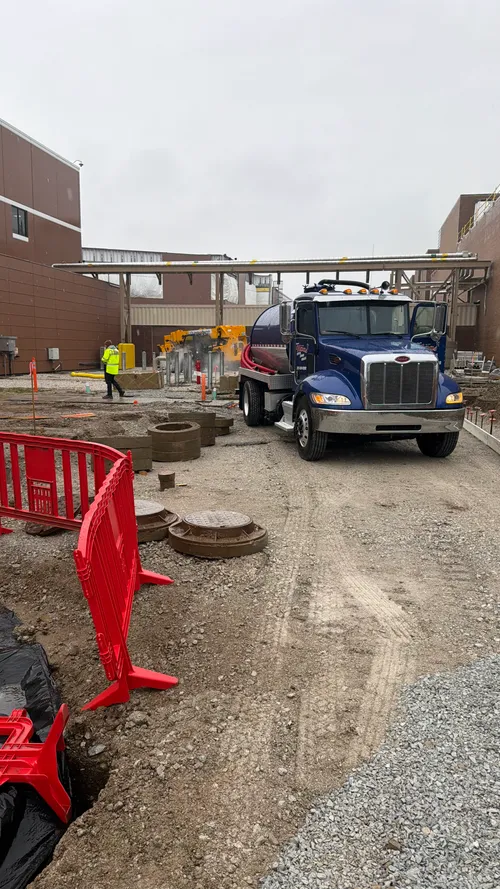
Max Haas Septic Service
7514 E 39th St, Indianapolis, IN 46226
Max Haas Septic Service has been providing septic system services in Indianapolis, IN, and Central Indiana since 1923. They offer a full range of residential and commercial septic solutions including tank pumping, inspections, system installations, drain field replacements, sewer repairs, and drainage system design. With over 100 years of experience, the company handles everything from routine maintenance to complex system installations, ensuring compliance with local codes and long-term system performance. Their organized team uses modern equipment to deliver efficient service across multiple counties in the region.
Septic Installers LLC
4692 S County Road 600 E, Plainfield, IN 46168
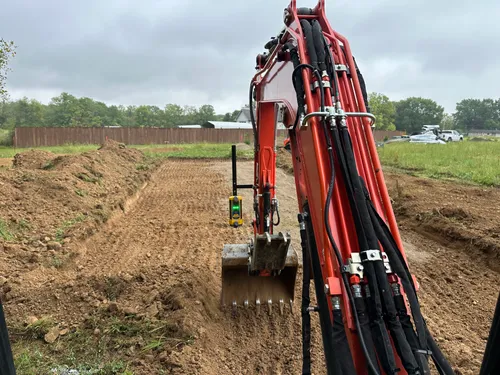
Septic Installers LLC is a septic tank installation contractor based in Indianapolis, IN. They provide septic system site evaluations, in-house septic system design, and installation services. The company serves Morgan, Johnson, Hendricks, and Marion Counties. With over 40 years of excavation experience, they specialize in septic system installation and design to support residential projects.
ONeill Dirt and Septic LLC
Indianapolis, IN
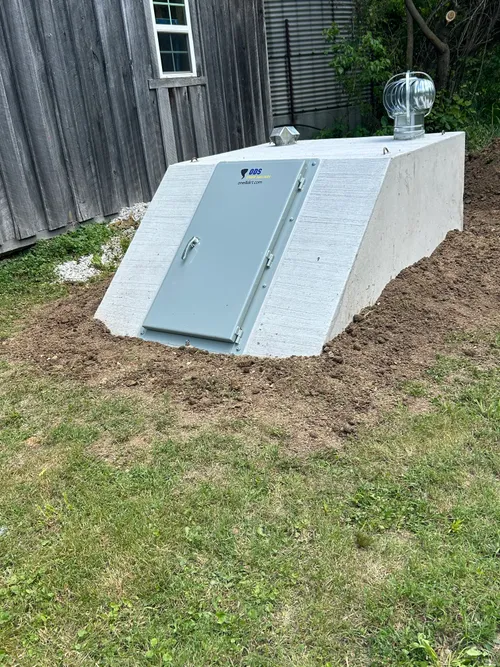
ONeill Dirt and Septic LLC is a family-owned business based near Indianapolis, IN, serving Morgan County and surrounding areas in central Indiana. They specialize in septic system installation and repair, as well as heavy machinery and excavation services. The company also offers concrete storm shelters that meet FEMA 320 and ICC 500 standards, including full installation. Their service area covers most of Indiana.
Understanding Indianapolis Septic System Regulations
All work involving a new septic system or the replacement of an existing one in Marion County is governed by the Marion County Public Health Department (MCPHD) under state code 410 IAC 6-8.3 and Chapter 14 of the local health code 1. The most critical rule to know upfront is the mandatory sewer connection ordinance. If a public sanitary sewer line is available within a "reasonable distance" of your property, you are legally prohibited from installing or maintaining a septic system and must connect to the city sewer 1. The county frequently collaborates with programs like Citizens Energy Group's Septic Tank Elimination Program (STEP) to facilitate these connections.
For properties where sewer is not available, a permit from the MCPHD is required for any new construction, repair, or full system replacement. The process is designed to ensure that every onsite sewage system is built to protect groundwater and public health.
The First Step: The Mandatory Site and Soil Evaluation
Before any design or permit application can proceed, your property must undergo a professional site evaluation by a licensed soil scientist. This is not a mere formality; it is a state-mandated requirement that determines the feasibility and design of your entire septic system.
The soil scientist will analyze key factors:
- Soil Structure and Texture: The composition of the soil (clay, silt, sand, loam) determines its ability to treat and filter wastewater.
- Seasonal High-Water Table: The inspector will identify the highest level the groundwater reaches, as the system's drain field must be placed well above this to prevent contamination.
- Percolation (Perc) Rate: This test measures how quickly water drains through the soil, directly influencing the size and type of absorption field needed.
The evaluation typically involves digging three or more soil profile pits or borings to a depth of 5-6 feet 2 3. The cost for this essential soil evaluation and percolation testing in Indianapolis generally ranges from $260 to $500.
Navigating the Permit Application Process
With a favorable soil report in hand, you can proceed with the formal permit application to the MCPHD. Your installer or designer will typically manage this process, which requires submitting:
- A completed application form.
- The official soil scientist's report.
- A detailed site plan showing the proposed location of the tank, drain field, and all setbacks from wells, property lines, and structures.
The health department reviews the design for compliance with all regulations. It's crucial to understand that permit approval is not guaranteed; it is contingent on the site's suitability as determined by the soil evaluation.
Installation and Critical Inspections
Once the permit is issued, installation can begin. Professional installers will excavate, place the tank (typically concrete or plastic), and construct the leach field according to the approved design. The most critical phase of the physical installation is the mandatory inspection.
An MCPHD inspector must examine the entire, uncovered system-tank, pipes, and drain field-before it is backfilled with soil. To schedule this, your installer must provide at least two business days' notice to the health department. Failure to have this inspection can result in orders to excavate the system for review, causing significant delays and extra costs.
Find the perfect septic tank installation & replacement contractors for your needs
Get personalized recommendations and expert advice
Cost Breakdown for Septic System Installation in Indianapolis
The total investment for a new residential septic system in Indianapolis varies widely based on soil conditions, system size, and tank material. Here is a typical cost breakdown:
- Soil Scientist Evaluation & Perc Test: $260 - $500 4
- Land Survey (if needed): $260 - $1,000
- Septic Tank & Installation Labor: $5,000 - $12,000+ 5
- Total Project Cost: $6,000 - $13,000+ 6
A conventional gravity-fed system with a drain field is common, but poor soil conditions may require a more advanced (and more expensive) system like a mound, aerobic treatment unit (ATU), or sand filter. The soil report will dictate the necessary technology.
When Replacement is Necessary: Signs and Process
Septic systems have a finite lifespan, typically 20-40 years. You may need a full system replacement if you experience:
- Frequent sewage backups or slow drains.
- Soggy ground or foul odors near the drain field.
- Bright green, spongy grass over the leach field.
- Notification from the health department of a failing system.
The replacement process follows the same steps as a new installation: soil evaluation, permit application, and inspection. In some cases, only the drain field may need replacement (a "repair"), but this still requires a permit and approved design from the MCPHD 7 8.
Choosing a Qualified Installation Professional
Selecting the right contractor is paramount. Look for a licensed septic system installer with extensive experience in Marion County. They should be intimately familiar with MCPHD inspectors, permit clerks, and local soil conditions. Always verify licensing, ask for references from recent jobs in the area, and ensure they pull the proper permits and schedule the required inspections. A reputable professional will guide you through every step and handle the bureaucratic details.
Long-Term Care for Your New System
After a successful installation, protecting your investment begins. Proper maintenance includes:
- Regular Pumping: Pump the tank every 3-5 years, depending on household size.
- Water Conservation: Spread out laundry loads and fix leaks to avoid overloading the drain field.
- Mindful Flushing: Only human waste and toilet paper should go down the drain. Avoid chemicals, grease, and non-biodegradable items.
- Protect the Drain Field: Never drive or park heavy vehicles over it, and keep trees with deep roots at a distance.
A well-maintained system will provide reliable service for decades and is a key responsibility of rural and suburban homeownership in the Indianapolis area.
Frequently asked questions
Sources
Footnotes
-
septic booklet for web.pmd - https://marionswcd.org/wp-content/uploads/septic-booklet-for-web.pdf ↩ ↩2
-
County On-site Sewage Systems Ordinance This ... - IN.gov - https://www.in.gov/health/eph/files/Recommended-Ordinance-Sections-2024-05-28.pdf ↩
-
Indiana Septic System Installation and Permit Procedure Guide - https://www.septicdesign.com/homeowners/the-septic-system-installation-processs-for-indiana/ ↩
-
Indiana Septic Tank Requirements | On-Site Sewage Systems - https://www.ntotank.com/blog/indiana-septic-tank-requirements ↩
-
Septic System Permit Procedure - IN.gov - https://www.in.gov/localhealth/claycounty/files/Septic-procedure.pdf ↩
-
Cost to Install a Septic System in Indianapolis [2026 Data] - https://www.angi.com/articles/what-does-it-cost-install-septic-system/in/indianapolis ↩
-
Onsite Sewage (Septic) Systems Program - https://marionhealth.org/onsite-sewage-septic-systems-program/ ↩
-
Onsite Sewage Systems Program - IN.gov - https://www.in.gov/health/eph/onsite-sewage-systems-program/ ↩