
Find the Best Septic Tank Installation & Replacement Contractors for Your Business
No obligation • Fast responses • Nationwide coverage

Why you can trust Septic Spot
Septic Spot is a leading United States resource for understanding and comparing septic services. Our editors review providers using consistent criteria and verify key business details. Listings and scores are independent, and companies cannot pay to influence our content.
Search providers near you
Top Septic Tank Installation & Replacement Contractors in Fort Wayne, Indiana Ranked
Installing or replacing a septic system is a significant investment in your property's long-term functionality and value. A properly designed and permitted on-site sewage disposal system protects your family's health, safeguards the local environment, and ensures your home meets all local regulations. For Fort Wayne homeowners, this process involves navigating specific requirements from the Allen County Department of Health and adhering to Indiana state codes. This guide will help you understand the key steps, regulations, and costs involved in septic system installation and replacement in the Fort Wayne area, empowering you to make informed decisions and connect with qualified local professionals.
North Septic, Inc.
Fort Wayne, IN
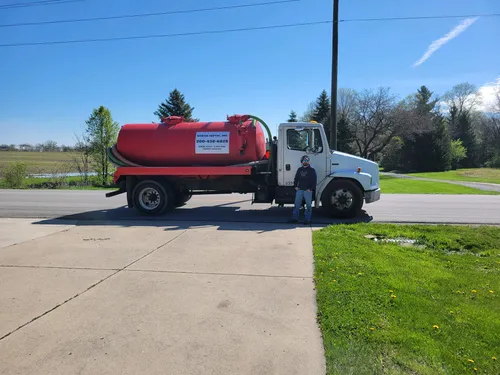
North Septic, Inc. is a family owned and operated company based in Fort Wayne, IN, providing septic tank pumping, septic system repair, grease trap cleaning, and septic system installation services. They serve Northeast Indiana counties including Allen, Dekalb, Huntington, Noble, Wells, and Whitley. The company uses specialized equipment such as the Crust Buster tank agitator and the RIGID NaviTrack Scout sonde locator to efficiently locate and service septic tanks. Established over 12 years ago under previous ownership, North Septic, Inc. continues to operate with a focus on maintaining reliable and professional septic services. Emergency calls are accepted based on availability.
Zimmerman Septic Services
7305 Lewis Rd, Fort Wayne, IN 46818
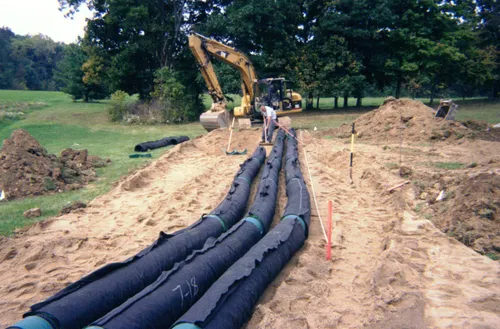
Zimmerman Septic Services is a septic tank inspection, repair, and installation company based in Fort Wayne, IN. They provide a range of septic system services including installation of various systems such as shallow trench, mound, and discharge systems, as well as drain field repair and septic pump replacement. The company is capable of septic system recovery through jetting, cleaning, and adding bacteria to rejuvenate systems. Zimmerman Septic Services has been a member of IOWPA for over 20 years, indicating extensive experience in the field.
Understanding Fort Wayne's Septic System Regulations
Before a single shovel hits the ground, securing the proper permit is the mandatory first step. In Fort Wayne and Allen County, all septic system installations and replacements require a permit from the local health department, such as the Allen County Department of Health or the Clay County Health Department for applicable areas 1. Working without a permit is illegal and can result in costly fines and the requirement to remove an improperly installed system.
The permitting process exists to ensure systems are designed to protect public health by preventing groundwater contamination and managing wastewater effectively. The regulations are based on Indiana Administrative Rules, which set statewide minimum standards that local departments enforce.
The Step-by-Step Installation & Replacement Process
Navigating a septic system project involves a series of defined steps, from initial evaluation to final inspection.
1. Site Evaluation and Soil Analysis
The foundation of any successful septic system is the soil it's built upon. A certified professional must conduct a thorough site evaluation, which includes taking soil borings to determine soil type, structure, and depth to bedrock or the water table 2 3. This analysis, often called a percolation or "perc" test, determines the soil's absorption rate, which is critical for sizing the drain field 4. The cost for this essential soil testing can range from $150 to over $3,000, depending on your property's size and complexity 5 6.
2. System Design and Planning
Using the certified soil report, a licensed septic designer will create a detailed system plan. This plan specifies the type of system (such as conventional trench, bed, or elevated mound), the exact tank size, and the layout and size of the drain field based on your home's needs and the soil's capacity. The designer ensures the plan meets all state and local setback requirements, such as being at least 10 feet from property lines and 50 feet from water supplies.
3. Permit Application and Approval
With the soil report and design plan in hand, you or your contractor will submit a complete application to the health department. This package is reviewed for compliance with all regulations. Once approved, the permit is issued, typically within 30 days. It is crucial to have this permit in hand before any construction begins.
4. Installation and Critical Inspections
Professional installation follows the approved plan exactly. The process involves excavating, placing the tank and distribution boxes, and constructing the drain field. Indiana law requires specific inspections by the health department at key stages 7:
- Pre-installation Inspection: The health department inspects the staked-out area before digging.
- Installation Inspection: They must inspect the entire installed system before it is covered with soil.
- Final Inspection: A final approval is required to confirm the system is operational and installed correctly.
Furthermore, all tank access openings (lids) must be extended to the ground surface with watertight risers and covers for safe, easy future maintenance.
Find the perfect septic tank installation & replacement contractors for your needs
Get personalized recommendations and expert advice
Key Regulations for Fort Wayne Homeowners
Understanding a few core regulations will help you communicate effectively with designers and installers.
- System Sizing: Tank size is strictly regulated by the number of bedrooms in your home, not bathrooms. Indiana Administrative Rules mandate minimum capacities 8 9:
- 1-2 bedrooms: 750-gallon tank
- 3 bedrooms: 1,000-gallon tank
- 4 bedrooms: 1,250-gallon tank
- Setback Requirements: Systems must be located a safe distance from other features. Key setbacks include at least 10 feet from property lines, 50 feet from water wells or other water supplies, and specific distances from buildings and surface water 10 11.
- Replacement Systems: If you are replacing a failing system, the new system must meet all current codes, which may be more stringent than when the original was installed. This often requires a new soil evaluation and design.
Cost Considerations for Septic System Installation
The total cost for a new septic system in Fort Wayne varies widely based on soil conditions, system type, tank size, and property characteristics. According to local cost data, a standard system for a 3-bedroom home in the Fort Wayne area averages around $7,137 12. Overall project costs can range from approximately $3,615 for a basic installation to over $12,400 for more complex systems or challenging sites 12 13.
These figures typically include the tank, drain field, design, permits, and labor. Remember that the soil evaluation (perc test) is an additional upfront cost. While price is a factor, the quality of design and installation is paramount for a system that lasts for decades without issues.
When is System Replacement Necessary?
Knowing when to replace, rather than repair, your existing onsite wastewater system is crucial. Common signs that indicate a need for full replacement include:
- Persistent Drainage Problems: Frequent backups, slow drains, or sewage surfacing in the yard often signal a failed drain field.
- Foul Odors: Sewage smells in the house or yard, especially near the drain field.
- Lush, Wet Spots: Unusually green, soggy grass over the drain field area, even in dry weather.
- Failed Inspection: If a system evaluation for a home sale or repair permit deems the system non-compliant or beyond repair.
- Home Expansion: Adding bedrooms may require a larger tank and drain field to meet code.
Replacement follows the same permit and installation process as a new installation, starting with a new site evaluation 14.
Choosing a Qualified Professional
Given the regulatory and technical complexity, selecting the right team is essential. Look for licensed septic system designers and installers with extensive experience in Allen County. They should be familiar with local health department officials and processes. Always verify they will pull the required permits and coordinate all necessary inspections. Ask for references and proof of insurance. A reputable professional will guide you through each step, ensuring your new wastewater treatment system is a compliant and long-lasting asset for your home.
Frequently asked questions
Sources
Footnotes
-
Septic System Permit Procedure - IN.gov - https://www.in.gov/localhealth/claycounty/files/Septic-procedure.pdf ↩
-
§ 51.052 CONSTRUCTION REQUIREMENTS OF PRIVATE SEWAGE DISPOSAL SYSTEMS. - https://codelibrary.amlegal.com/codes/ftwayne/latest/ftwayne_in/0-0-0-46077 ↩
-
How to get a septic permit - IN.gov - https://www.in.gov/localhealth/harrisoncounty/files/Brochure_Septic_permit_how_to_get_one.pdf ↩
-
Septic System Approval: Percolation Test & Expert Guidance - https://smartsepticpros.com/blog/how-to-do-a-percolation-test/ ↩
-
Viking AVL | Complete Guide to Septic System Installation: What WNC Homeowners Need to Know - https://vikingavl.com/blog/complete-guide-to-septic-system-installation-what-wnc-homeowners-need-to-know ↩
-
410 26-64 | IARP - Indiana Administrative Code - https://iar.iga.in.gov/register/20260311-IR-410260064FNA ↩
-
RESIDENTIAL ONSITE SEPTIC PERMIT PROCESS - https://rushcounty.in.gov/wp-content/uploads/2021/07/RESIDENTIAL-ONSITE-SEPTIC-PERMIT-PROCESS-1.pdf ↩
-
Indiana Septic Tank Requirements | On-Site Sewage Systems - https://www.ntotank.com/blog/indiana-septic-tank-requirements ↩
-
410 13-350 | IARP - https://iar.iga.in.gov/register/20131023-IR-410130350PRA ↩
-
Understanding Septic Tank Permits and Regulations - https://westcoastsanitationinc.com/understanding-septic-tank-permits-and-regulations/ ↩
-
Huntington County: Septic - https://www.in.gov/localhealth/huntingtoncounty/environmental-sanitarian/septic/ ↩
-
Fort Wayne Septic Systems Costs & Prices - ProMatcher Cost Report - https://septic-systems.promatcher.com/cost/fort-wayne-in-septic-systems-costs-prices.aspx ↩ ↩2
-
How Much Does a Septic Tank Cost? - NerdWallet - https://www.nerdwallet.com/home-ownership/home-improvement/learn/septic-tank-cost ↩
-
How to get a Residential On-Site (Septic) Permit in Wayne County? - https://www.in.gov/localhealth/waynecounty/files/Howtogetapermit.pdf ↩