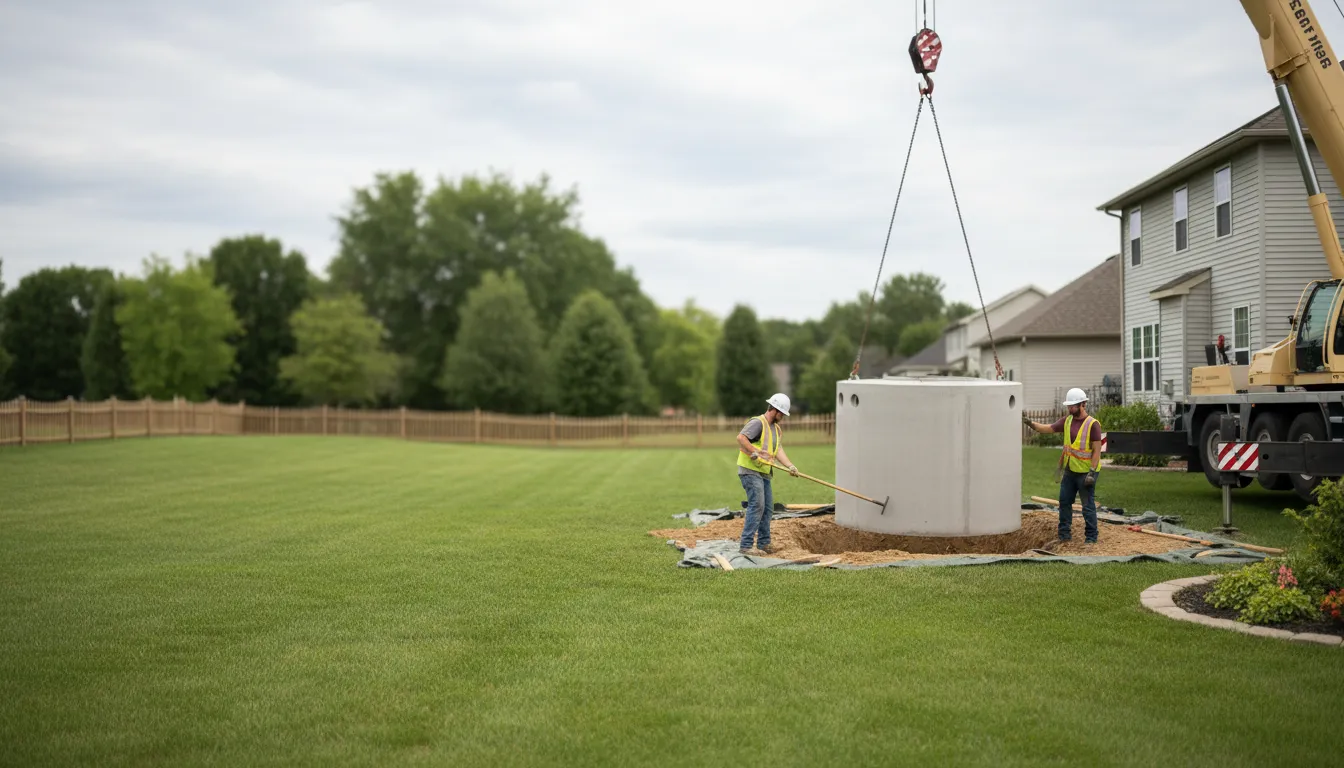
Find the Best Septic Tank Installation & Replacement Contractors for Your Business
No obligation • Fast responses • Nationwide coverage

Why you can trust Septic Spot
Septic Spot is a leading United States resource for understanding and comparing septic services. Our editors review providers using consistent criteria and verify key business details. Listings and scores are independent, and companies cannot pay to influence our content.
Search providers near you
Top Septic Tank Installation & Replacement Contractors in Evansville, Indiana Ranked
Installing or replacing a septic system in Evansville is a significant project that requires careful planning and adherence to specific local and state regulations. This process ensures your wastewater is treated safely and protects both your property and the local environment, including groundwater in Vanderburgh County. Whether you're building a new home or replacing a failing system, understanding the steps for septic system installation, from soil testing to final inspection, is crucial for a successful and compliant outcome. The following guide will help you navigate the requirements and connect with qualified local professionals for your project.
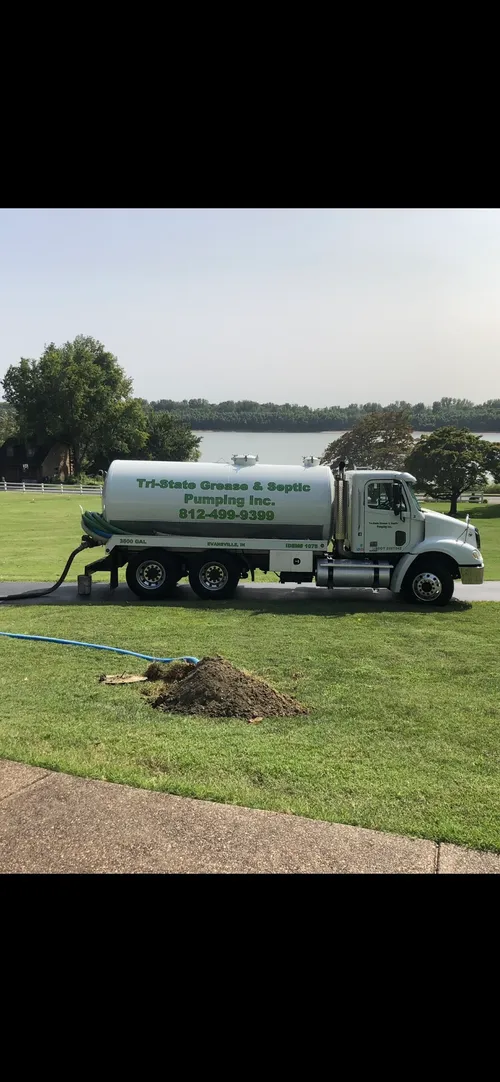
Tri-State Grease and Septic Pumping Inc.
11335 Boberg Rd, Evansville, IN 47712
Tri-State Grease and Septic Pumping Inc. is a locally owned company based in Evansville, IN, offering a range of septic services including septic tank pumping, inspection, repair, and installation. They also provide drain cleaning, hydro jetting, grease trap pumping, and septic system diagnostics. The company has experience diagnosing septic system failures and emphasizes regular maintenance to extend the life of septic drainfields, which are a critical and costly component of septic systems. Tri-State also handles pump replacements, baffle replacements, and riser installations.
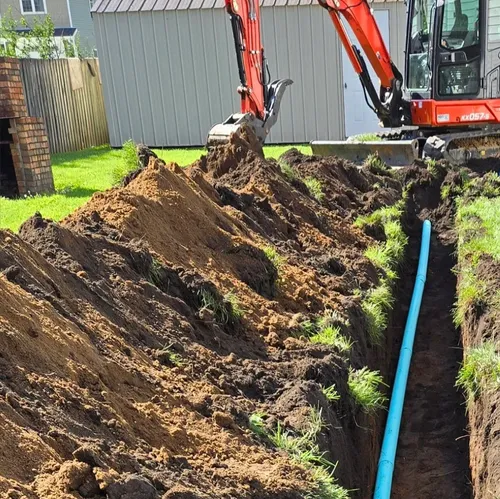
Aaron Crockett's Sewer & Septic Service - Newburgh
5700 Vann Rd Suite 111, Newburgh, IN 47630
Aaron Crockett's Sewer & Septic Service - Newburgh is a septic system repair and installation company based near Evansville, IN. Established in the early 1930s, it is one of the oldest septic service providers in Southern Indiana, serving Indiana and Illinois areas including Vincennes, Princeton, Evansville, and Newburgh. The company offers a range of services including septic tank installation, maintenance, and repair, with expertise in both traditional and environmentally friendly waste management solutions. With over 80 years of experience, they bring a deep knowledge of septic systems to their work.
Understanding the Septic System Installation Process
A septic system is an on-site wastewater treatment solution for properties not connected to a municipal sewer line. The installation of a new septic tank and drainfield, or the replacement of an old system, is governed by Indiana's Rule 410 IAC 6-8.3 and enforced locally by the Vanderburgh County Health Department 1. The process is designed to ensure the system is sized correctly for your household and installed in suitable soil conditions to prevent contamination.
The journey begins long before an installer arrives with equipment. It starts with a critical evaluation of your property to determine its suitability for a conventional or alternative septic system. If a public sanitary sewer is available nearby, connection to it is often mandatory, so this should be your first point of inquiry.
Step 1: The Critical Soil Evaluation
The cornerstone of any new septic system installation is a proper site and soil evaluation. In Indiana, the traditional "perc test" is often supplemented or replaced by a more comprehensive soil survey conducted by a state-approved soil scientist. This evaluation determines the soil's absorption rate and identifies limiting conditions like high groundwater or bedrock.
The scientist will dig at least two test pits or borings, typically a minimum of 30 inches deep, in the area of the proposed drainfield 2 3. These holes are saturated with water for a period (often 4 to 24 hours) to simulate wet conditions before measuring how quickly the water drains. This data is essential for designing a system that will function year-round, even during rainy seasons 2 3. The cost for this professional soil test typically ranges from $300 to $800.
Step 2: System Design and Permit Application
With a completed soil report in hand, a licensed septic installer or designer will create a system design tailored to your property's specific conditions and your home's estimated wastewater flow. The design must account for mandatory setbacks, such as being at least 50 feet from a water well and 10 feet from property lines 4.
You or your contractor will then submit the design, the official soil scientist's report, and the permit application fee to the Vanderburgh County Health Department for review and approval. Permit fees for new residential systems are approximately $225 5. Once issued, the septic permit is generally valid for one year, giving you time to complete the installation 6.
Choosing Your Septic Tank and System Type
Based on the approved design, you'll work with your installer to select the right components. Septic tanks must be watertight and are commonly made of concrete, fiberglass, or polyethylene 7 8. For a typical single-family home, tank sizes usually range from 1,000 to 1,500 gallons.
The drainfield, or soil absorption system, is just as important. The most common type for suitable soils is a conventional trench system. If your soil evaluation reveals limitations, you may require an alternative system, such as a mound, sand filter, or aerobic treatment unit (ATU), which can significantly impact the overall project cost.
Find the perfect septic tank installation & replacement contractors for your needs
Get personalized recommendations and expert advice
Step 3: Installation and Mandatory Inspections
Once the permit is secured, your licensed installer will schedule the construction. The health department must be notified before installation begins so an inspector can visit the flagged site 9. The most critical inspection occurs after the tank and distribution lines are placed but before they are covered with soil.
This installation inspection verifies that the materials, tank size, pipe placement, and overall construction match the approved design. The inspector checks for proper seals, secure lids, and correct gravel levels in the drainfield. Never backfill your system before this inspection takes place, as the inspector may require parts to be uncovered for examination, leading to costly rework 10.
Step 4: Final Approval and System Care
After passing the pre-cover inspection and the system is fully buried, a final inspection report is filed with the health department to close out the permit. Your new septic system is now approved for use. To protect your investment, practice good maintenance: pump the tank every 3-5 years, conserve water, and avoid flushing harmful chemicals or non-biodegradable materials. Proper care from the start can extend the life of your system for decades.
Cost Considerations for Evansville Homeowners
The total cost for a new septic system installation in the Evansville area varies widely based on soil conditions, system type, and property characteristics. For a conventional trench system on favorable soil, homeowners can expect costs ranging from $5,000 to $15,000 or more 11. This total typically includes:
- Soil Scientist's Fee: $300 - $800
- Permit Fee: ~$225
- Installation Labor & Materials: $4,500 - $14,000+
Alternative systems for challenging sites (like mounds or aerobic systems) can drive the total cost to $15,000 - $25,000+. While this is a significant upfront investment, a properly permitted and installed system adds value to your property and provides reliable service for years.
Replacing an Existing Failing System
The process for replacing a failing septic system follows a similar path to a new installation. The health department must declare the existing system failed, and a new soil evaluation is almost always required, as soil conditions can change over time. Replacement often involves finding a new location on your property for the drainfield, adhering to all current setbacks and regulations. Working with an experienced local installer is especially important for replacements, as they can navigate the challenges of working around an old system.
Frequently asked questions
Sources
Footnotes
-
RESIDENTIAL ON-SITE SEWAGE SYSTEMS RULE 410 IAC 6-8.3 - https://www.in.gov/health/files/410_IAC_6-8_3.pdf ↩
-
Chapter 13.10 PRIVATE SEWAGE DISPOSAL - General Code - https://www.codepublishing.com/IN/Evansville/html/Evansville13/Evansville1310.html ↩ ↩2
-
Septic Design Approval Essentials by Anderson Engineering - https://www.andersoneng.com/a-professional-guide-to-septic-design-approval-requirements/ ↩ ↩2
-
410 13-350 | IARP - https://iar.iga.in.gov/register/20131023-IR-410130350PRA ↩
-
Fee Schedule - Putnam County - IN.gov - https://www.in.gov/localhealth/putnamcounty/fee-schedule/ ↩
-
How to get a septic permit - IN.gov - https://www.in.gov/localhealth/harrisoncounty/files/Brochure_Septic_permit_how_to_get_one.pdf ↩
-
Indiana Septic Tank Requirements | On-Site Sewage Systems - https://www.ntotank.com/blog/indiana-septic-tank-requirements ↩
-
Indiana Septic System Installation and Permit Procedure Guide - https://www.septicdesign.com/homeowners/the-septic-system-installation-processs-for-indiana/ ↩
-
STEPS IN OBTAINING A SEPTIC PERMIT (RESIDENTIAL) - https://lawrencecounty.in.gov/DocumentCenter/View/433 ↩
-
RESIDENTIAL ONSITE SEPTIC PERMIT PROCESS - https://rushcounty.in.gov/wp-content/uploads/2021/07/RESIDENTIAL-ONSITE-SEPTIC-PERMIT-PROCESS-1.pdf ↩
-
Septic Tank - Understanding Septic Tank Permits and Regulations - https://westcoastsanitationinc.com/understanding-septic-tank-permits-and-regulations/ ↩