Find the Best Septic Tank Installation & Replacement Contractors for Your Business
No obligation • Fast responses • Nationwide coverage

Why you can trust Septic Spot
Septic Spot is a leading United States resource for understanding and comparing septic services. Our editors review providers using consistent criteria and verify key business details. Listings and scores are independent, and companies cannot pay to influence our content.
Search providers near you
Top Septic Tank Installation & Replacement Contractors in Greenwood, Indiana Ranked
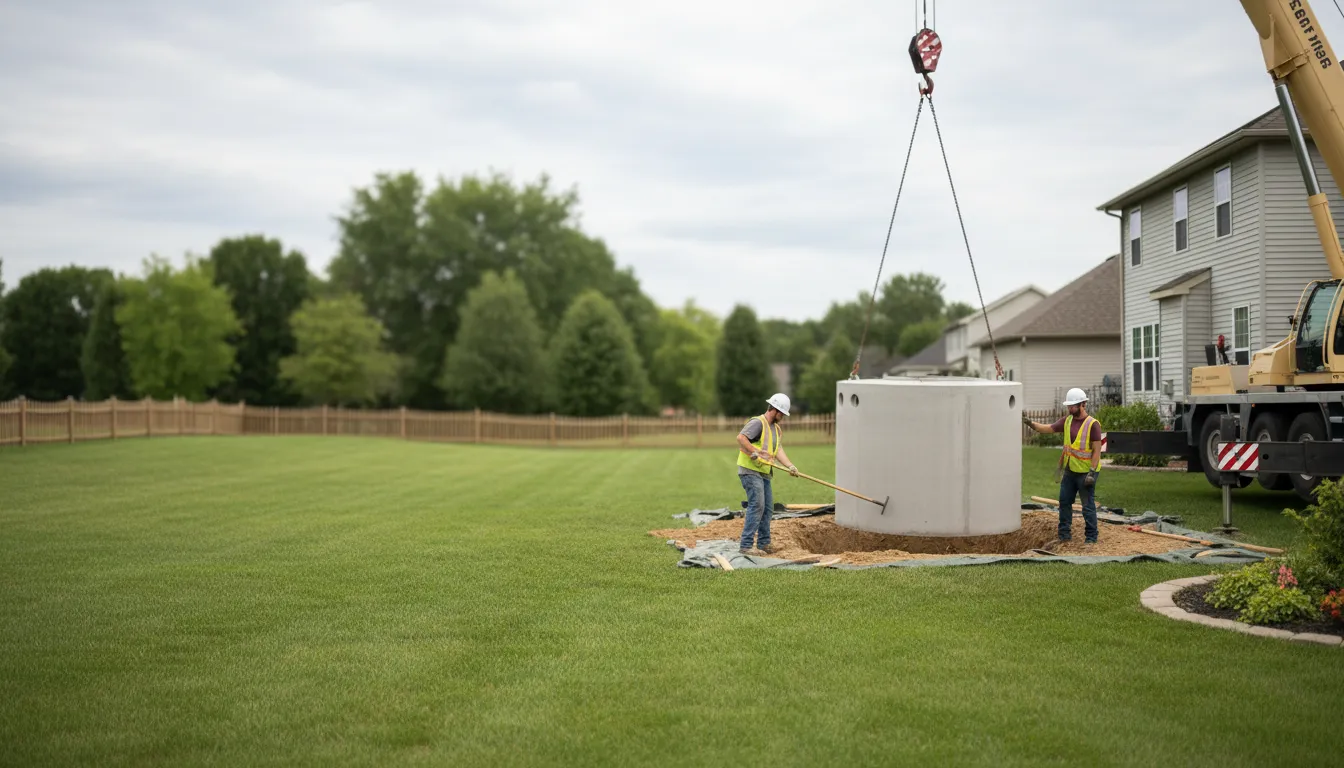
Installing or replacing a septic system is a significant home infrastructure project that ensures the safe and efficient treatment of household wastewater. For Greenwood homeowners, this process is governed by specific state and county regulations designed to protect public health and the local environment. This guide explains the key steps, requirements, and considerations for septic system work in Johnson County, helping you understand what to expect and how to connect with qualified local professionals.
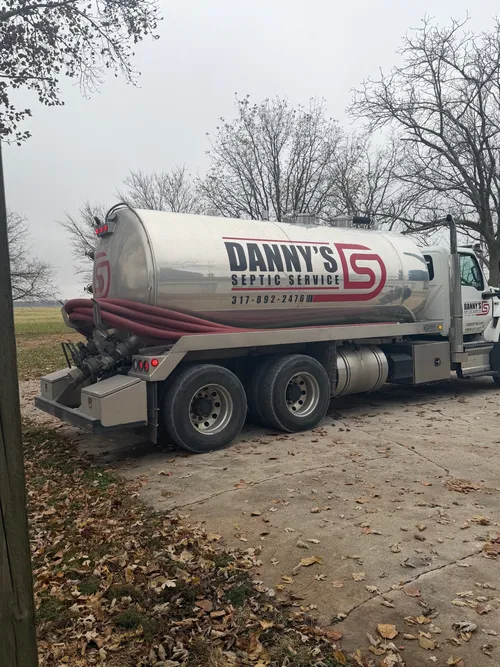
Danny's Septic Service
4938 E County Rd 1000 N, Pittsboro, IN 46167
Danny's Septic Service is a septic tank pumping, repair, and installation company based near Indianapolis, IN. They provide services to residential and commercial customers across several counties including Boone, Clinton, Hendricks, Montgomery, Putnam, Tippicanoe, and parts of Marion County. Their licensed team handles a full range of septic system needs with a focus on building strong client relationships.
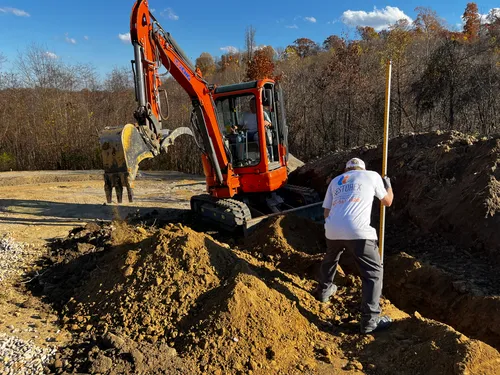
Restorex Septic Solutions
6616 E S R 144, Mooresville, IN 46158
Restorex Septic Solutions provides residential and commercial septic services in Indianapolis, IN. Their offerings include septic tank pumping, inspections, repairs, and installations to maintain proper waste management and comply with environmental regulations. The company addresses issues such as backups, odors, and slow drains to help preserve property sanitation and occupant health. Restorex Septic Solutions is available to assist with septic system problems whenever needed, working with clients and insurance companies to manage repairs efficiently.
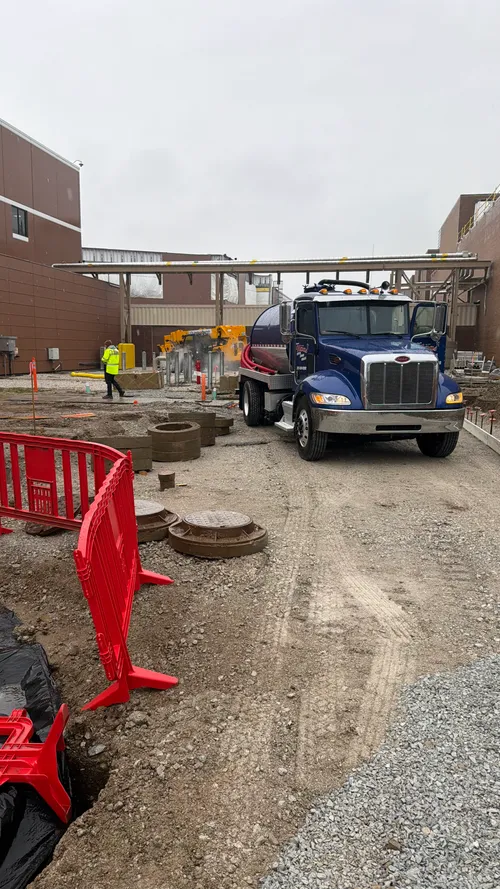
Max Haas Septic Service
7514 E 39th St, Indianapolis, IN 46226
Max Haas Septic Service has been providing septic system services in Indianapolis, IN, and Central Indiana since 1923. They offer a full range of residential and commercial septic solutions including tank pumping, inspections, system installations, drain field replacements, sewer repairs, and drainage system design. With over 100 years of experience, the company handles everything from routine maintenance to complex system installations, ensuring compliance with local codes and long-term system performance. Their organized team uses modern equipment to deliver efficient service across multiple counties in the region.
Septic Installers LLC
4692 S County Road 600 E, Plainfield, IN 46168
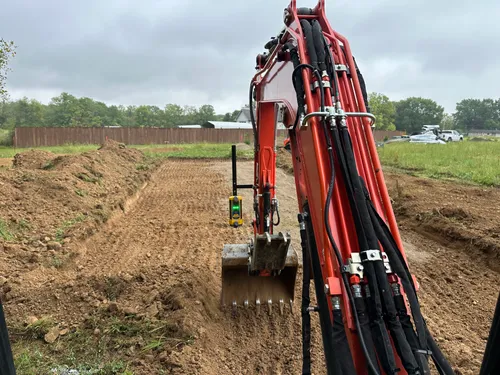
Septic Installers LLC is a septic tank installation contractor based in Indianapolis, IN. They provide septic system site evaluations, in-house septic system design, and installation services. The company serves Morgan, Johnson, Hendricks, and Marion Counties. With over 40 years of excavation experience, they specialize in septic system installation and design to support residential projects.
ONeill Dirt and Septic LLC
Indianapolis, IN
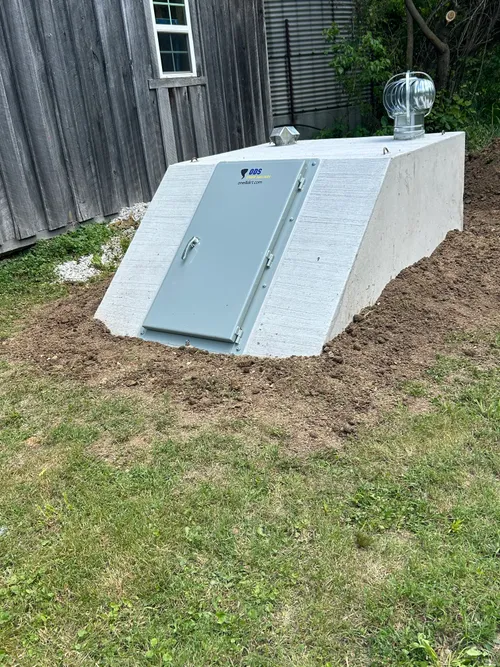
ONeill Dirt and Septic LLC is a family-owned business based near Indianapolis, IN, serving Morgan County and surrounding areas in central Indiana. They specialize in septic system installation and repair, as well as heavy machinery and excavation services. The company also offers concrete storm shelters that meet FEMA 320 and ICC 500 standards, including full installation. Their service area covers most of Indiana.
Understanding the Permit Process in Johnson County
All new septic system installations and major replacements in Greenwood require a permit from the Johnson County Health Department. This department enforces Indiana State Department of Health (ISDH) Rule 410 IAC 6-8.3, the statewide code for onsite wastewater systems. You cannot begin any construction before your permit is approved. The process is designed to ensure the system is properly sized for your home and suitable for your specific property's soil conditions.
The first step is almost always a professional site evaluation. A certified soil scientist must visit your property to conduct tests, including a percolation (perc) test, to determine the soil's ability to absorb and treat effluent1 2. This evaluation determines the loading rate and is critical for designing a functional drainfield3 4. Based on these findings, a registered professional will create a design plan for the entire onsite sewage system, which must be submitted with your permit application.
Key System Requirements and Setbacks
Indiana law mandates that septic tank installation be performed by a certified professional. Installers should be certified by the Indiana Onsite Wastewater Professional Association (IOWPA) to ensure they are trained in current standards and practices5. The size of the septic tank is primarily determined by the number of bedrooms in your home. For example, a standard three-bedroom home typically requires a 1,000-gallon tank5.
Property setbacks are strict and non-negotiable. Your system must be located a minimum distance from various features to prevent contamination. Key setbacks include being at least 50 feet from any water well and 10 feet from property lines6. The approved design from the Health Department will detail all required setbacks for your specific site plan7. Adhering to these is crucial for passing the final inspection.
The Installation and Inspection Timeline
Once you have your permit in hand, the physical installation can begin. A typical project follows a clear sequence:
- Site Preparation: The certified installer will prepare the area, taking care not to scrape, compact, or drive heavy machinery over the proposed drainfield area, as this can damage the soil structure and render the site unusable.
- Construction: The installer will excavate, place the tank, and construct the soil absorption field according to the approved design. This may involve a standard gravity-fed system, or more complex systems like a mound or pressure distribution system if soil conditions require it.
- Mandatory Inspection: Before the system is covered with soil, you must contact the Johnson County Health Department for an inspection 8. It is recommended to provide at least two business days' notice to schedule this critical check. The inspector will verify that the installation matches the permitted design and meets all code requirements.
- Final Backfill: Only after the inspector has approved the work can the tank and piping be backfilled and the installation completed.
Find the perfect septic tank installation & replacement contractors for your needs
Get personalized recommendations and expert advice
Cost Considerations for Septic Systems
The total cost for a new septic system installation or complete system replacement in Greenwood varies widely based on several factors. According to industry estimates, homeowners can generally expect costs to range from $5,000 to over $15,000 for a standard residential system9. The final price depends on:
- System Type and Size: A conventional gravity-fed system is usually the most affordable option. If your soil evaluation requires an advanced pretreatment unit, a mound system, or a pressure distribution system, the cost will be higher.
- Soil and Site Conditions: Difficult terrain, poor soil percolation, or a high water table can significantly increase excavation and material costs.
- Permit Fees: Local health department fees for new construction or repair permits are an additional cost to factor into your budget10.
Planning for a System Replacement
If you are replacing a failing septic system, it's important to know that the new installation must comply with current codes, even if the old system was installed under less stringent rules11. This means the replacement may need to be in a different location on your property or be a different type of system altogether to meet modern setback and treatment standards. The same permit and inspection process applies to replacements as it does for new installations.
Proper maintenance is the best way to extend the life of your system and avoid a premature replacement. This includes regular pumping every 3-5 years, conserving water, and avoiding flushing harmful chemicals or non-biodegradable materials.
Choosing the Right Professional
Given the regulatory complexity and long-term importance of a septic system, selecting the right contractor is essential. Look for an installer who is not only IOWPA-certified but also familiar with Johnson County Health Department inspectors and procedures. They should be willing to handle the permit application process on your behalf and clearly communicate each phase of the project. Always ask for references and proof of insurance.
A well-installed septic system is a long-term investment in your property's value and your family's health. By understanding the local requirements and process, you can confidently manage your onsite wastewater system project in Greenwood.
Frequently asked questions
Sources
Footnotes
-
Septic System Permit Procedure - IN.gov - https://www.in.gov/localhealth/claycounty/files/Septic-procedure.pdf ↩
-
How to Know if You Need a Septic System Permit - Pippin Home Designs - https://www.pippinhomedesigns.com/septic-system-permit/ ↩
-
410 13-350 | IARP - https://iar.iga.in.gov/register/20131023-IR-410130350PRA ↩
-
The steps to obtaining an onsite septic system - IN.gov - https://www.in.gov/localhealth/orangecounty/files/steps-to-a-permit-4-10.pdf ↩
-
Indiana Septic Tank Requirements | On-Site Sewage Systems - https://www.ntotank.com/blog/indiana-septic-tank-requirements ↩ ↩2
-
Indiana Septic Tank Requirements | On-Site Sewage Systems - https://www.ntotank.com/blog/indiana-septic-tank-requirements ↩
-
SEPTIC SYSTEM SITE PLAN SPECIFICATIONS The Johnson County Health Department currently uses Indiana State Department of Health Ru - https://johnsoncounty.in.gov/egov/apps/document/center.egov?view=item;id=1934 ↩
-
Indiana Septic System Installation and Permit Procedure Guide - https://www.septicdesign.com/homeowners/the-septic-system-installation-processs-for-indiana/ ↩
-
Indiana Septic License & Certification | 2024 Contractor Guide - https://www.servicetitan.com/licensing/septic/indiana ↩
-
How to get a septic permit - IN.gov - https://www.in.gov/localhealth/harrisoncounty/files/Brochure_Septic_permit_how_to_get_one.pdf ↩
-
Onsite Sewage (Septic) Systems Program - https://marionhealth.org/onsite-sewage-septic-systems-program/ ↩