Find the Best Septic Tank Installation & Replacement Contractors for Your Business
No obligation • Fast responses • Nationwide coverage

Why you can trust Septic Spot
Septic Spot is a leading United States resource for understanding and comparing septic services. Our editors review providers using consistent criteria and verify key business details. Listings and scores are independent, and companies cannot pay to influence our content.
Search providers near you
Top Septic Tank Installation & Replacement Contractors in Jeffersonville, Indiana Ranked
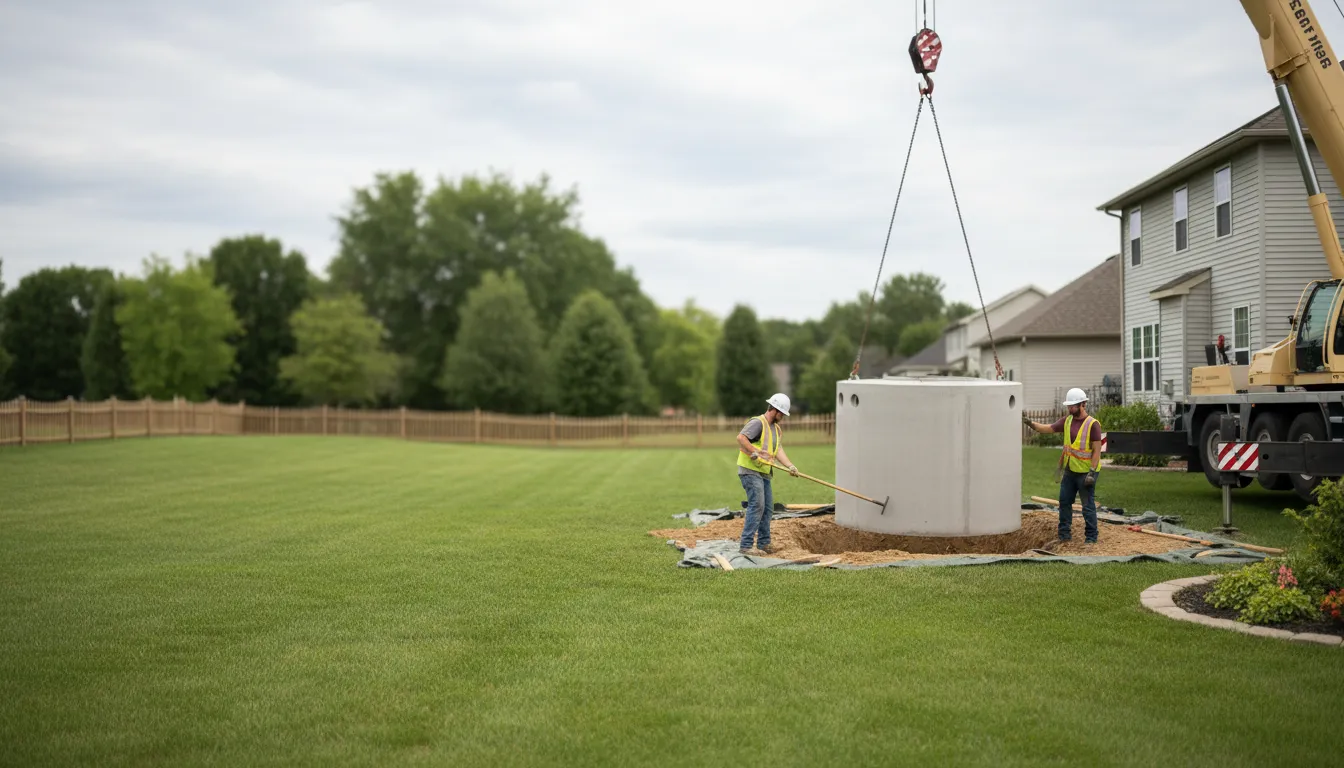
Installing or replacing a septic system is a significant investment in your property's long-term functionality and environmental safety. For homeowners in Jeffersonville without access to municipal sewer lines, a properly designed and permitted septic system is essential for managing household wastewater. This guide explains the local process, regulations, and key considerations for septic system work, helping you understand what's involved and how to connect with qualified local professionals for your project.
Supreme Septic Services (formerly known as Garrett's Septic Service)
Louisville, KY
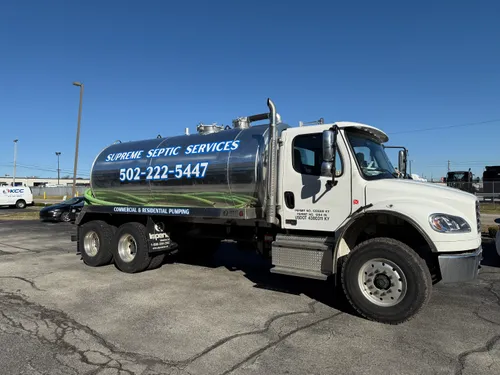
Supreme Septic Services (formerly known as Garrett's Septic Service) is a locally owned company based in Louisville, KY, offering a range of septic and grease system services. They provide septic pumping, grease trap cleaning, system repairs, inspections, and installations for residential, commercial, and restaurant clients. Their team uses modern equipment to ensure efficient service and compliance with local standards. Supreme Septic Services focuses on proper system design and maintenance to extend system life and prevent backups.

Babbs Land Management LLC
630 S Zion Rd, Scottsburg, IN 47170
Babbs Land Management LLC is a family-owned and locally operated company based near Louisville, KY, specializing in septic system repair, septic tank installation, and broader land management services for residential and commercial properties. With over four years in business and extensive industry experience, the company offers reliable septic solutions including new construction and repair services. Babbs Land Management also provides 24/7 availability for emergency call-outs, supporting customers whenever urgent needs arise.

H2O Plumbing, LLC
1380 Old Hwy 135, Corydon, IN 47112
H2O Plumbing, LLC is a plumbing company based near Louisville, KY, offering a wide range of services including septic system repair and septic tank installation. They serve residential and commercial customers, providing solutions such as sewer line repair, water softener installation, and drain cleaning. The company emphasizes reliable plumbing work and offers a 12-month warranty on most services. Their expertise includes full septic system replacement and repair to maintain safe and efficient wastewater management. H2O Plumbing has years of experience and holds all necessary licenses and insurance to ensure customer protection.
Hartman Septic
24 Old 7 Mile Pike, Shelbyville, KY 40065
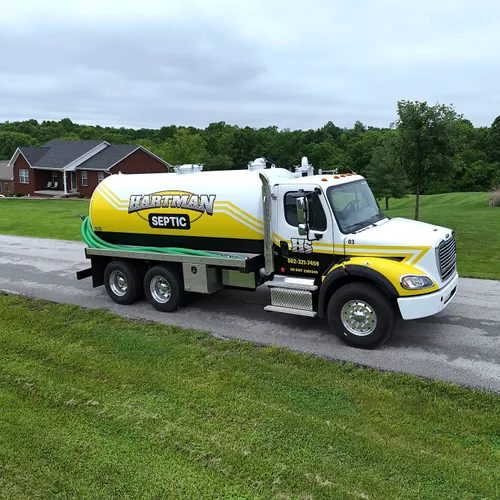
Hartman Septic provides full-service septic solutions in Louisville, KY, and surrounding areas including Shelby County and Pewee Valley. The company offers residential and commercial septic tank pumping, inspection, repair, installation, and drain field repair or replacement. Hartman Septic is led by Kentucky's first Master Septic Installer, bringing expert knowledge to each project. They are experienced in managing complex septic system issues and work closely with local health authorities to ensure compliance and approved repairs. The company is known for handling excavation and septic challenges efficiently and professionally.
Jecker Excavating and Septic
24501 Tom Evans Rd, Borden, IN 47106
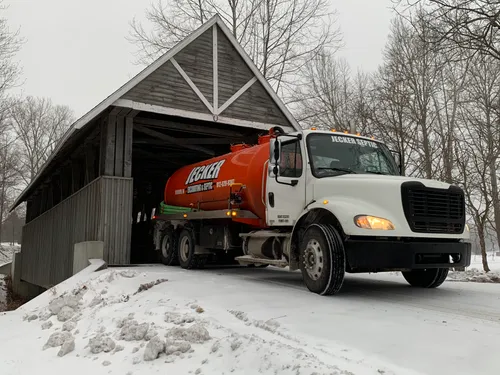
Jecker Excavating and Septic is a family-owned company serving Louisville, KY, and the southern Indiana area. They provide septic system services including pumping, installation, repair, and inspection, along with water and drain line installation and repair. The company also offers a range of professional excavating services. With years of experience, Jecker Excavating and Septic emphasizes attention to detail and customer satisfaction in their work.
Understanding Septic Systems in Clark County
A septic system, or onsite wastewater treatment system, is a self-contained unit that treats and disperses household sewage. In rural or unsewered areas of Jeffersonville, these systems are a common and necessary solution. The core components typically include a septic tank, where solids settle and begin to break down, and a drain field (or leach field), where the treated liquid effluent is absorbed into the soil. The specific type of system required for your property-whether a conventional gravity-fed system, a pump-assisted system, or an advanced treatment unit-depends entirely on the conditions of your land.
The Jeffersonville and Clark County Permit Process
All new installations, replacements, or major modifications to a septic system in Jeffersonville require a permit from the Clark County Health Department (CCHD). You cannot legally begin construction without this approval. The process is designed to ensure systems are built correctly to protect public health and groundwater.
The first formal step is submitting a completed permit application. For Jeffersonville residents, there is a specific application form used by the City's Wastewater Department, which includes a non-refundable application fee. Research indicates this fee for a new system permit is approximately $500 1. This application must be accompanied by crucial supporting documents, primarily a professional site evaluation and system design.
The Critical Role of Soil Testing and Site Evaluation
Before any design can be created, a licensed and registered soil scientist must perform a thorough site evaluation on your property. This is not a simple DIY test. The professional will conduct a soil profile analysis, which may include percolation tests, to examine the soil horizons, texture, and structure. They are determining the soil's absorption rate, the depth to seasonal high groundwater, and the presence of any restrictive layers like bedrock or clay pans.
The results of this evaluation dictate everything that follows. The absorption rate determines the size of the drain field required. Soil depth and groundwater levels influence whether a standard system is viable or if an advanced, elevated, or alternative system is necessary. This official soil report is the foundation for the engineered system design and is mandatory for your permit application.
System Design and Compliance with Indiana Code
With the soil report in hand, a qualified designer (often a licensed septic installer or engineer) will create a site-specific system design. This design must comply with Indiana's residential onsite sewage rules, specifically 410 IAC 6-8.3 2 3. The design will specify the tank size, the layout and dimensions of the drain field, the type of distribution system (gravity or pump), and any other necessary components like distribution boxes or drop boxes.
The Clark County Health Department reviews this design alongside your soil report and application. By law, they have up to 30 days to review the submission and issue a construction permit if everything is in order. It's important to work with professionals familiar with Clark County's interpretations of the state code to avoid delays.
Find the perfect septic tank installation & replacement contractors for your needs
Get personalized recommendations and expert advice
The Installation and Inspection Phases
Once you have your construction permit in hand, installation can begin. It is crucial to hire a licensed septic system installer. Indiana requires septic contractors to be licensed, ensuring they have the knowledge to properly execute the approved design 4.
The health department's role doesn't end with issuing the permit. The CCHD requires mandatory inspections at critical stages of the construction process. Typically, an inspector must examine the excavated trenches or bed and the installed system components-like pipes, tanks, and stone-before they are covered with soil 5. The installer is responsible for scheduling these inspections, and they must provide the health department with at least two business days' notice before the inspection is needed 5. Failing to have the system inspected before backfilling can result in orders to excavate for inspection or permit violations.
Cost Considerations for Installation and Replacement
While permit fees provide one data point, the total cost of a septic system installation or replacement in Jeffersonville varies widely based on several factors:
- System Type and Size: A conventional gravity system for a three-bedroom home is generally less expensive than a large pump system or an advanced treatment system needed for poor soils.
- Site Conditions: Difficult terrain, rocky soil, or the need for extensive excavation or clearing will increase labor costs.
- Tank Material: Concrete tanks are common, but plastic or fiberglass options may have different price points.
- Professional Services: You will pay separately for the soil scientist's site evaluation, the system design, the installation labor, and the health department permits.
The $500 permit application fee is a fixed starting cost 6. You should budget significantly more for the complete project, obtaining detailed quotes from several licensed installers based on your specific property and design.
When is System Replacement Necessary?
Septic systems have a finite lifespan, typically 20 to 40 years for the drain field. Replacement is often necessary when a system fails. Signs of failure include:
- Sewage backing up into household drains.
- Bright green, spongy grass over the drain field, especially during dry weather.
- Standing water or muddy soil around the tank or drain field area.
- Persistent foul odors near the system.
- Slow-draining sinks and toilets.
Replacement follows the same rigorous permit, design, and inspection process as a new installation. Often, a new drain field must be constructed in a different location on the property, as the old soil area is spent.
Maintaining Your New System
After investing in a new septic system installation, protecting that investment through proper maintenance is key. This includes having the septic tank pumped regularly by a professional (typically every 3-5 years), conserving water to avoid overloading the system, and avoiding flushing harmful chemicals or non-biodegradable materials. A well-maintained system will last longer and prevent costly emergencies.
Frequently asked questions
Sources
Footnotes
-
Septic System Permit Procedure - IN.gov - https://www.in.gov/localhealth/claycounty/files/Septic-procedure.pdf ↩
-
Onsite Sewage Systems Program - IN.gov - https://www.in.gov/health/eph/onsite-sewage-systems-program/ ↩
-
410 12-156 - https://iar.iga.in.gov/register/20121114-IR-410120156FRA ↩
-
Indiana Septic License & Certification | 2024 Contractor Guide - https://www.servicetitan.com/licensing/septic/indiana ↩
-
Indiana Septic Tank Requirements | On-Site Sewage Systems - https://www.ntotank.com/blog/indiana-septic-tank-requirements ↩ ↩2
-
City of Jeffersonville Wastewater Department - http://cityofjeff.net/wp-content/uploads/2024/04/Wastewater-Permit-Application-fillable-2.6.24.pdf ↩