Find the Best Septic Tank Installation & Replacement Contractors for Your Business
No obligation • Fast responses • Nationwide coverage

Why you can trust Septic Spot
Septic Spot is a leading United States resource for understanding and comparing septic services. Our editors review providers using consistent criteria and verify key business details. Listings and scores are independent, and companies cannot pay to influence our content.
Search providers near you
Top Septic Tank Installation & Replacement Contractors in Mishawaka, Indiana Ranked
Installing or replacing a septic system is a significant home improvement project that ensures the safe and effective treatment of household wastewater. For homeowners in Mishawaka and St. Joseph County, this process is governed by specific local and state regulations designed to protect public health and the environment. This guide explains the key steps, requirements, and considerations for septic system work, helping you understand how to connect with qualified local professionals to manage your project successfully.
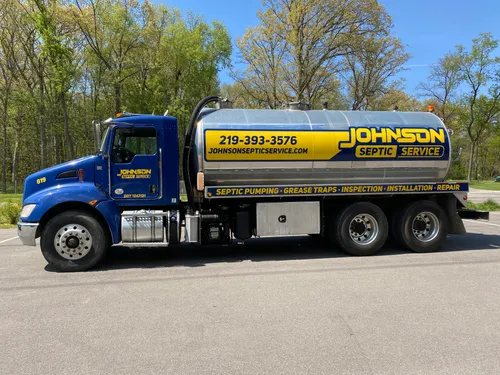
Johnson Septic Service
7523 S 1st Line Rd, Kingsbury, IN 46345
Johnson Septic Service provides septic tank pumping, inspection, repair, and installation services in Chicago, IL. They also offer grease trap pumping and use Bio-Tabs as part of their service options. The company serves the northwest Indiana area with a focus on quality septic system maintenance and repair.
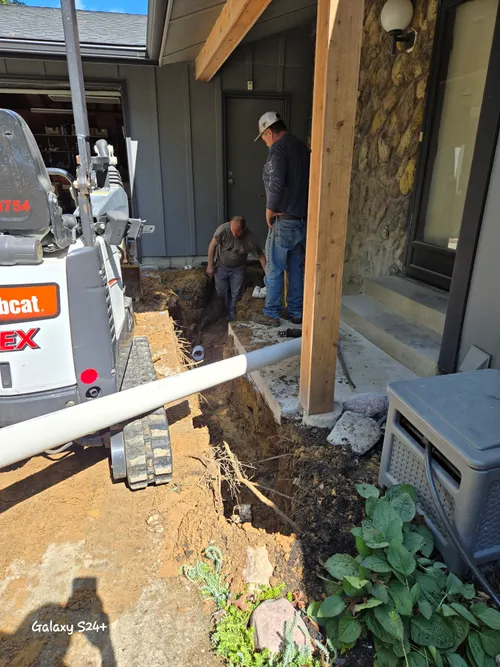
K-Fex Inc.
5885 N 800 E, New Carlisle, IN 46552
K-Fex Inc. provides septic tank pumping, inspection, repair, and installation services in Chicago, IL. They also handle drain field repair and replacement. The company offers excavation services and has a full-time office staff available during regular business hours. One notable capability is their service to locate and dig up septic tank lids when needed. K-Fex Inc. supports clients through the entire septic system process, including soil testing and health department coordination for system replacements.
Understanding the Permit Process in St. Joseph County
All new installations and full replacements of onsite sewage systems in Mishawaka require a permit from the St. Joseph County Department of Health. The process is designed to ensure the system is properly designed for your specific property conditions. It begins long before any digging starts, with a critical first step: obtaining a certified soil report.
The standard permit fee for a new or replacement residential system is $275. For system repairs that do not constitute a full replacement, the permit fee is $100. It's important to note that all construction work must be performed by a state-registered septic system contractor 1.
Step-by-Step: From Soil Test to Permit
The path to a permitted system follows a clear sequence:
- Soil Evaluation: A certified soil scientist must visit your property to conduct soil borings. This evaluation determines critical factors like the seasonal high-water table and soil permeability, which dictate the type of system your land can support (e.g., conventional gravity-fed, mound, or other alternative systems) 2 3.
- Permit Application: You or your chosen installer submits the official permit application along with the certified soil report to the St. Joseph County Department of Health.
- System Design & Review: A licensed septic installer uses the soil report data to create a detailed system design. This design is submitted to the health department for review, a process that typically takes up to five business days.
- Approval & Issuance: Once the design is approved and the $275 fee is paid, the construction permit is officially issued, allowing installation to begin 4.
System Design and Sizing Requirements
The design of your septic system is not one-size-fits-all. Indiana law, specifically 410 IAC 6-8.3, sets forth the rules that all systems must follow 5 6. Your system's components will be sized based on your home's specifications.
Septic Tank Capacity: Tank size is primarily determined by the number of bedrooms in your home, which serves as a proxy for daily wastewater flow 7.
- 1-2 Bedrooms: Minimum 750-gallon tank.
- 3 Bedrooms: Minimum 1000-gallon tank.
- 4 Bedrooms: Minimum 1250-gallon tank.
Drainfield Size: The size and layout of the soil absorption field (drainfield) are calculated based on the results of the soil report. Poorer draining soils require a larger drainfield area to properly treat the effluent.
Installation and Critical Final Inspection
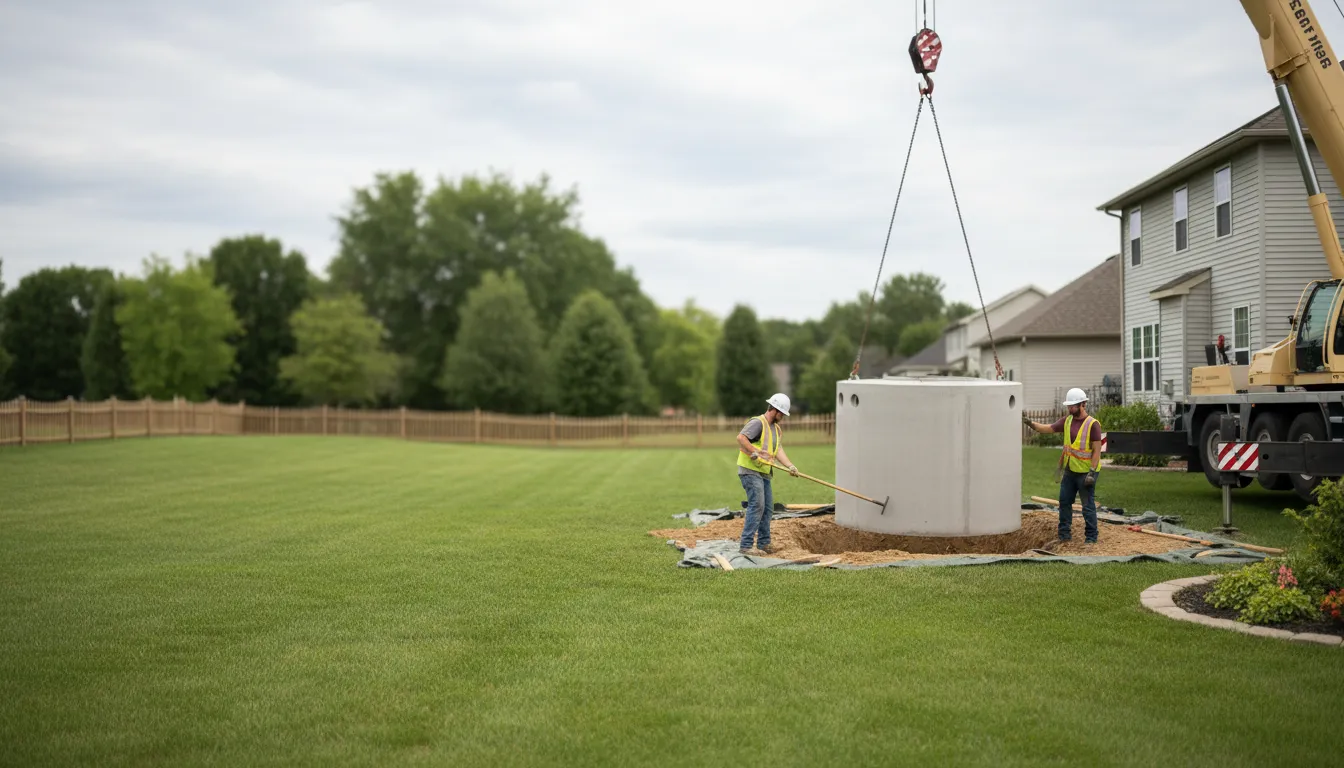
Once the permit is in hand, your licensed contractor can begin the physical installation. This involves excavating for the septic tank and drainfield, placing the tank, connecting plumbing from the house, and constructing the absorption field according to the approved design.
A crucial, non-negotiable step occurs at the end of installation: the final inspection. A representative from the St. Joseph County Health Department must inspect the fully constructed but still uncovered system. They verify that the installation matches the permitted design in all details and complies with all state and local regulations 8 9. Only after this inspection is passed can the system be backfilled and put into service.
Find the perfect septic tank installation & replacement contractors for your needs
Get personalized recommendations and expert advice
Cost Considerations for Septic System Projects
The total cost of a septic system project in the Mishawaka area varies widely. It's influenced by the system type, soil conditions, property layout, and local labor rates. The permit fee is a fixed, upfront cost. The installation itself is the major variable.
A conventional gravity system for a standard three-bedroom home on suitable soil may start in the $5,000 to $9,000 range. However, if your soil evaluation requires a more complex system-like a raised mound system or a system with a pump-costs can easily reach $10,000 to $15,000 or more 10 11. Always obtain detailed, written estimates from multiple licensed installers that break down all costs, including permits, soil testing, equipment, and labor.
Choosing a Licensed Septic Contractor
Your choice of contractor is one of the most important decisions you'll make. In Indiana, anyone constructing, installing, altering, extending, or repairing an onsite sewage system must be registered with the state. Always verify a contractor's registration status before signing any agreement.
A reputable installer will:
- Pull the necessary permits on your behalf.
- Understand local St. Joseph County procedures.
- Provide a written, detailed contract.
- Schedule and coordinate the required health department inspections.
- Offer guidance on proper long-term maintenance after installation.
Maintaining Your New Septic System
A properly installed system is a long-term investment. Protecting it requires regular maintenance. This includes having the septic tank pumped every 3-5 years by a licensed pumper, conserving water to avoid overloading the system, and being mindful of what goes down the drains. Avoid flushing chemicals, grease, and non-biodegradable items. Proper care will extend the life of your drainfield and prevent costly failures.
Frequently asked questions
Sources
Footnotes
-
Local health department authority and septic regulations - https://www.facebook.com/groups/1844263466334705/posts/1944670626293988/ ↩
-
How to get a septic permit - IN.gov - https://www.in.gov/localhealth/harrisoncounty/files/Brochure_Septic_permit_how_to_get_one.pdf ↩
-
How to Know if You Need a Septic System Permit - Pippin Home Designs - https://www.pippinhomedesigns.com/septic-system-permit/ ↩
-
Residential - St. Joseph County Department of Health - https://www.in.gov/localhealth/stjosephcounty/files/Residential-Permit-Procedures-and-Costs.pdf ↩
-
Onsite Sewage Systems Program - IN.gov - https://www.in.gov/health/eph/onsite-sewage-systems-program/ ↩
-
TITLE 410 INDIANA DEPARTMENT OF HEALTH Final Rule LSA Document #22-395 DIGEST Amends 410 IAC 6-8.3 to update definitions and oth - https://www.in.gov/health/files/22-395-Final.pdf ↩
-
Indiana Septic Tank Requirements | On-Site Sewage Systems - https://www.ntotank.com/blog/indiana-septic-tank-requirements ↩
-
St. Joseph County: Septic Systems - https://www.in.gov/localhealth/stjosephcounty/environmental-health/septic-systems/ ↩
-
Clark County Indiana Septic System Installers - https://clarkhealth.net/index.php/environmental-health/septic-systems ↩
-
Understanding Septic Tank Permits and Regulations - https://westcoastsanitationinc.com/understanding-septic-tank-permits-and-regulations/ ↩
-
Indiana Septic License & Certification | 2024 Contractor Guide - https://www.servicetitan.com/licensing/septic/indiana ↩