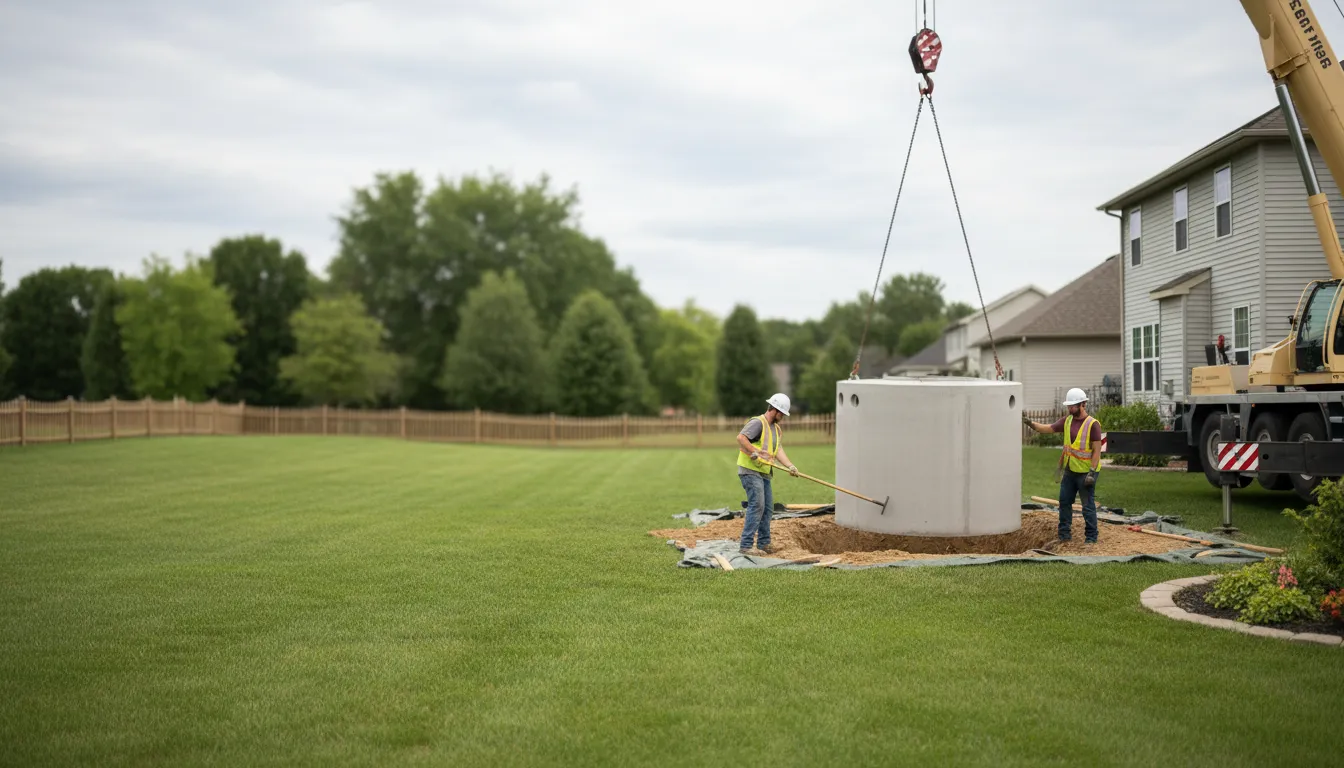
Find the Best Septic Tank Installation & Replacement Contractors for Your Business
No obligation • Fast responses • Nationwide coverage

Why you can trust Septic Spot
Septic Spot is a leading United States resource for understanding and comparing septic services. Our editors review providers using consistent criteria and verify key business details. Listings and scores are independent, and companies cannot pay to influence our content.
Search providers near you
Top Septic Tank Installation & Replacement Contractors in Noblesville, Indiana Ranked
Installing or replacing a septic system is a significant investment in your property's long-term functionality and environmental safety. In Noblesville, this process is governed by specific local and state regulations designed to protect groundwater and public health. This guide explains the key steps, rules, and considerations for septic system installation and replacement in Hamilton County, helping you understand what's required to find qualified local professionals for your project.
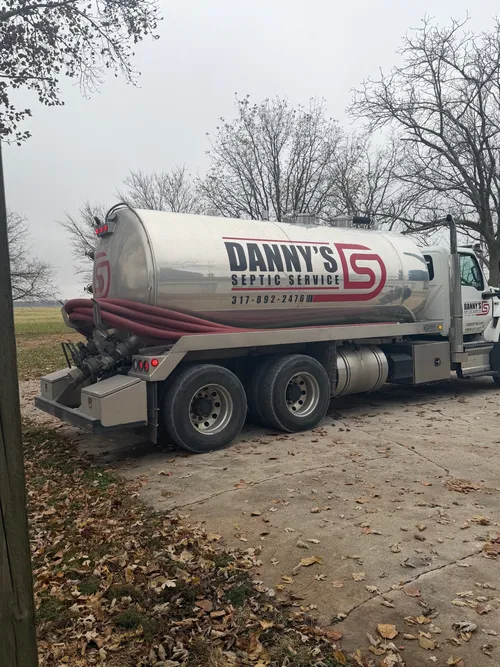
Danny's Septic Service
4938 E County Rd 1000 N, Pittsboro, IN 46167
Danny's Septic Service is a septic tank pumping, repair, and installation company based near Indianapolis, IN. They provide services to residential and commercial customers across several counties including Boone, Clinton, Hendricks, Montgomery, Putnam, Tippicanoe, and parts of Marion County. Their licensed team handles a full range of septic system needs with a focus on building strong client relationships.
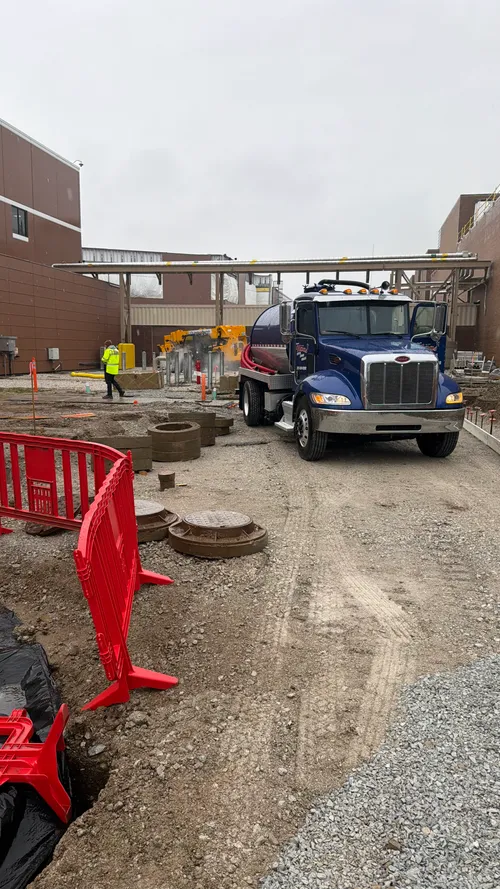
Max Haas Septic Service
7514 E 39th St, Indianapolis, IN 46226
Max Haas Septic Service has been providing septic system services in Indianapolis, IN, and Central Indiana since 1923. They offer a full range of residential and commercial septic solutions including tank pumping, inspections, system installations, drain field replacements, sewer repairs, and drainage system design. With over 100 years of experience, the company handles everything from routine maintenance to complex system installations, ensuring compliance with local codes and long-term system performance. Their organized team uses modern equipment to deliver efficient service across multiple counties in the region.
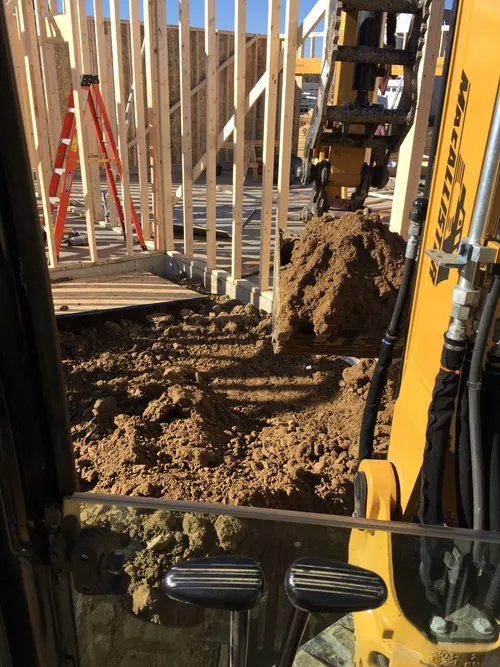
Lamb Excavating
Indianapolis, IN
Lamb Excavating is an excavation contractor based in Indianapolis, IN, offering a variety of services including septic tank installation, sewer line repair and replacement, land clearing, grading, and drainage improvement. They provide foundation excavation, basement waterproofing, egress window installation, and paver patio installation. Lamb Excavating focuses on delivering tailored excavation solutions for residential and commercial projects in the Indianapolis area.
Understanding Septic System Basics in Hamilton County
A septic system, or on-site sewage system, is a private wastewater treatment solution for properties not connected to a municipal sewer line. In Noblesville and surrounding Hamilton County, these systems are regulated under Indiana Rule 410 IAC 6-8.3 1 2. The core components are a septic tank, which separates solids from liquids, and a soil absorption field (drain field), where treated effluent is dispersed. System sizing is primarily based on the home's bedroom count, with standard residential systems for three or more bedrooms typically requiring a tank of 1,000 gallons or more 2 3.
The type of system you can install is heavily dependent on your property's soil conditions. A conventional gravity-fed system is the most common and cost-effective where soil is suitable. However, many areas in Indiana require alternative systems, such as mound systems or those with advanced treatment components, to overcome poor soil drainage or a high water table. Understanding these fundamentals is the first step in planning a successful septic tank installation or septic system replacement.
The Critical First Step: Site and Soil Evaluation
Before any planning or digging can begin, a professional site evaluation is mandatory. This is not a simple check; it's a formal assessment conducted by a state-certified soil scientist. The scientist will perform a minimum of three soil borings in the proposed drain field area to determine the soil's texture, structure, and permeability 4. This data establishes the soil's loading rate-how quickly it can absorb liquid-which directly dictates the size and type of system your property can support.
This evaluation also identifies critical site restrictions. Regulations prohibit system installation in areas with slopes greater than 15%, in floodplains, or too close to water sources like wells, streams, or property lines 5 6. The soil scientist's report is the foundation for your entire project. It leads to the issuance of a Minimum Requirements Letter from the Hamilton County Health Department, which officially states the design parameters your system must meet based on bedroom count and soil findings 7 8 9.
Navigating the Permit Process with the Health Department
Installing a new septic system or replacing a failing one always requires a permit from the Hamilton County Health Department. You cannot legally proceed without it. The permit process is designed to ensure the system is designed and installed correctly to protect public and environmental health.
The application procedure involves several key steps and documents:
- Plan Submittal: You or your chosen contractor must submit the completed Hamilton County On-Site Sewage System Permit Application, along with the soil scientist's report, a detailed site plan, and home floor plans.
- Plan Review: Health Department staff review the submission for compliance with all regulations (410 IAC 6-8.3) and the Minimum Requirements Letter.
- Permit Issuance: Once plans are approved, the permit is issued. Be prepared for application fees, which can range roughly from $150 to $500, though costs vary.
- Installation by Registered Contractor: The system must be installed by a contractor registered with the state of Indiana. It is illegal for an unregistered individual to install a system subject to permit requirements.
Find the perfect septic tank installation & replacement contractors for your needs
Get personalized recommendations and expert advice
Installation, Inspections, and Final Approval
Once you have your permit and a registered contractor, physical installation can begin. The Health Department mandates specific inspections at critical stages before components are covered. This ensures everything is built to the approved plan.
- Pre-Construction Meeting: An initial site visit with the inspector may be required to verify the installation location.
- Open Inspection (Most Critical): This occurs after the septic tank, distribution box, and drain field trenches are installed but before they are backfilled with soil. The inspector checks the placement, depth, and construction of all components 10. Construction cannot proceed until this inspection is passed.
- Final Inspection: After the system is fully installed and covered, a final inspection is conducted. Passing this inspection provides the official approval for the system to be placed into service 11.
It's crucial to note that installation cannot proceed when the soil is overly wet, as working beyond the soil's plastic limit can cause compaction and failure. Your soil scientist's report and contractor will guide timing based on conditions 12.
Cost Considerations for Septic System Projects
The cost of a septic system in Noblesville is highly variable. A major factor is the complexity dictated by your soil report. A simple gravity system on ideal soil is the most affordable option, while a mound system or other alternative design for challenging soils will be more expensive due to additional materials, labor, and engineering.
Typical residential septic system installation costs can range from $5,000 to over $15,000 13 14. This range generally includes the soil evaluation (which itself can cost several hundred dollars 15), permit fees, excavation, the tank, piping, drain field materials, and labor. Replacement projects may have additional costs for excavating and disposing of the old system. Always obtain detailed, written estimates from multiple registered contractors that break down all anticipated costs.
Choosing a System for Replacement Projects
If you're replacing a failing system, the process follows the same permit and inspection pathway as a new installation. However, it presents an opportunity to reassess your property's needs. The old system type may no longer be the best or even a permissible option due to regulatory updates or changes in soil conditions over time. A new soil evaluation is almost always required for a replacement permit.
The Health Department will require you to properly abandon the old septic tank and drain field, which involves pumping out all waste and either removing the tank or filling it with an inert material like gravel or concrete. This prevents future collapse and contamination. Your contractor should include this abandonment procedure in the project plan and cost estimate.
Maintaining Your New Septic Investment
After your new system is installed and approved, proper maintenance is key to its longevity-often 20 to 30 years or more. This primarily involves regular septic tank pumping every 3-5 years, depending on usage, to prevent solids from overflowing into the drain field and causing a costly failure. Be mindful of water usage and avoid flushing harmful chemicals or non-biodegradable materials. Protecting the drain field area from vehicle traffic and deep-rooted plants is also essential. A well-maintained system protects your property value and the local environment.
Frequently asked questions
Sources
Footnotes
-
Permits | Hamilton County, IN - https://www.hamiltoncounty.in.gov/300/Permits ↩
-
Indiana Septic Tank Requirements | On-Site Sewage Systems - https://www.ntotank.com/blog/indiana-septic-tank-requirements ↩ ↩2
-
How to Know if You Need a Septic System Permit - Pippin Home Designs - https://www.pippinhomedesigns.com/septic-system-permit/ ↩
-
§ 159.080 SEWERAGE FACILITIES. - https://codelibrary.amlegal.com/codes/noblesville/latest/noblesville_in/0-0-0-9267 ↩
-
How to get a septic permit - IN.gov - https://www.in.gov/localhealth/harrisoncounty/files/Brochure_Septic_permit_how_to_get_one.pdf ↩
-
Residential On-Site Sewage System Permit Procedure - https://www.hamiltoncounty.in.gov/DocumentCenter/View/432/Residential-On-Site-Sewage-System-Permit-Procedure-PDF ↩
-
Septic Rules & Regulations | Hamilton County, IN - https://www.hamiltoncounty.in.gov/304/Septic-Rules-Regulations ↩
-
RESIDENTIAL ONSITE SEPTIC PERMIT PROCESS - https://rushcounty.in.gov/wp-content/uploads/2021/07/RESIDENTIAL-ONSITE-SEPTIC-PERMIT-PROCESS-1.pdf ↩
-
Indiana Septic System Installation and Permit Procedure Guide - https://www.septicdesign.com/homeowners/the-septic-system-installation-processs-for-indiana/ ↩
-
Septic System Permit Procedure - IN.gov - https://www.in.gov/localhealth/claycounty/files/Septic-procedure.pdf ↩
-
Indiana Standards for Enviro-Septic® Soil Absorption Field ... - IN.gov - https://www.in.gov/localhealth/miamicounty/files/Presby-IN-Manual-05-10-07-Standard-final.pdf ↩
-
Understanding Septic Tank Permits and Regulations - https://westcoastsanitationinc.com/understanding-septic-tank-permits-and-regulations/ ↩
-
What Land Owners Need to Know About Installing Septic Systems - https://rethinkrural.raydientrural.com/blog/everything-you-need-to-know-about-septic-systems ↩
-
How Much Does a Septic Soil Test Cost in 2026? - https://landperc.com/septic-soil-test-cost/ ↩