Find the Best Septic Tank Installation & Replacement Contractors for Your Business
No obligation • Fast responses • Nationwide coverage

Why you can trust Septic Spot
Septic Spot is a leading United States resource for understanding and comparing septic services. Our editors review providers using consistent criteria and verify key business details. Listings and scores are independent, and companies cannot pay to influence our content.
Search providers near you
Top Septic Tank Installation & Replacement Contractors in South Bend, Indiana Ranked
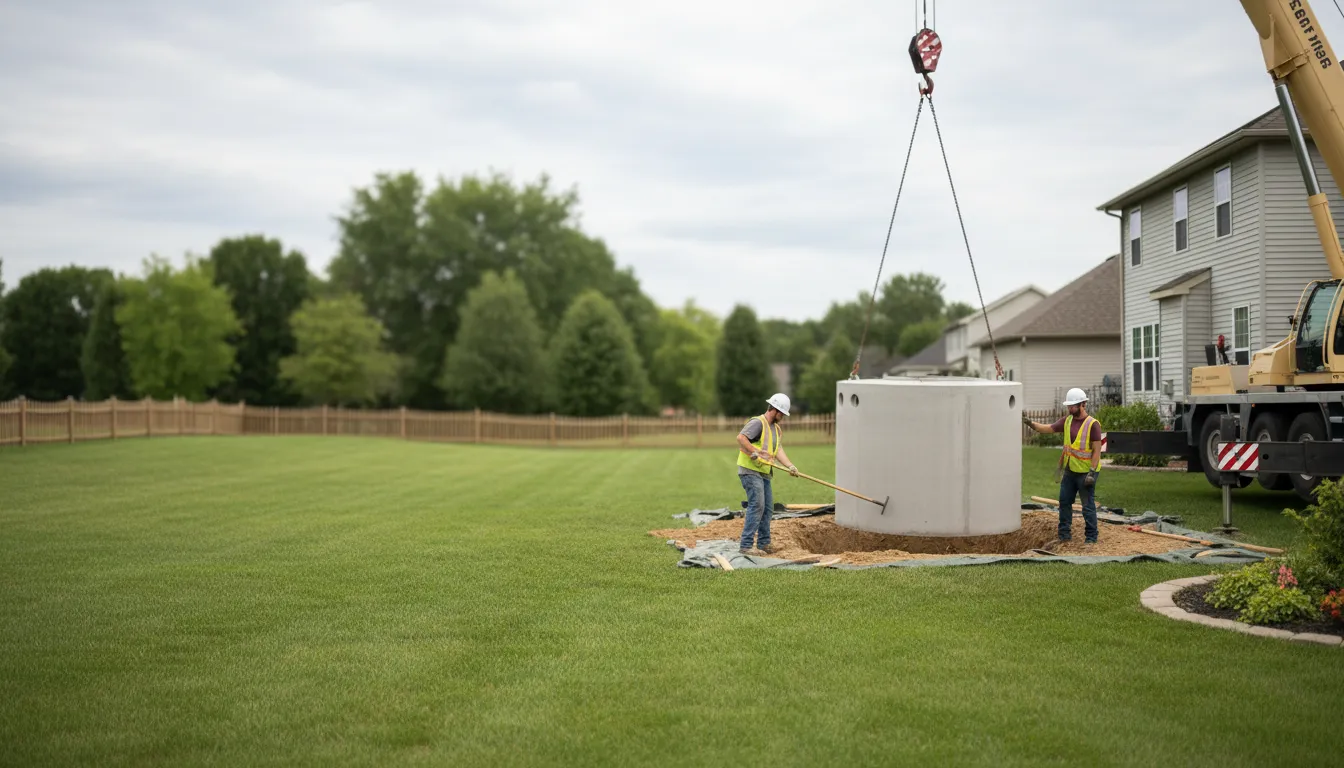
Installing or replacing a septic system is a significant investment in your property's long-term functionality and value. A properly designed and permitted onsite sewage system protects your family's health, safeguards local groundwater, and ensures your home remains compliant with Indiana's strict environmental regulations. For South Bend and St. Joseph County residents, this process involves navigating specific local requirements, from soil testing to final inspection. This guide outlines the key steps, regulations, and considerations for septic tank installation and replacement, helping you understand what to expect and how to connect with qualified local professionals for your project.
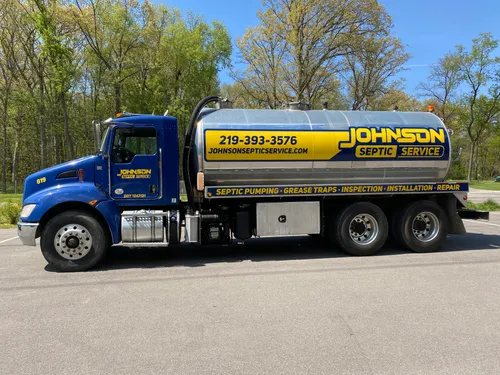
Johnson Septic Service
7523 S 1st Line Rd, Kingsbury, IN 46345
Johnson Septic Service provides septic tank pumping, inspection, repair, and installation services in Chicago, IL. They also offer grease trap pumping and use Bio-Tabs as part of their service options. The company serves the northwest Indiana area with a focus on quality septic system maintenance and repair.
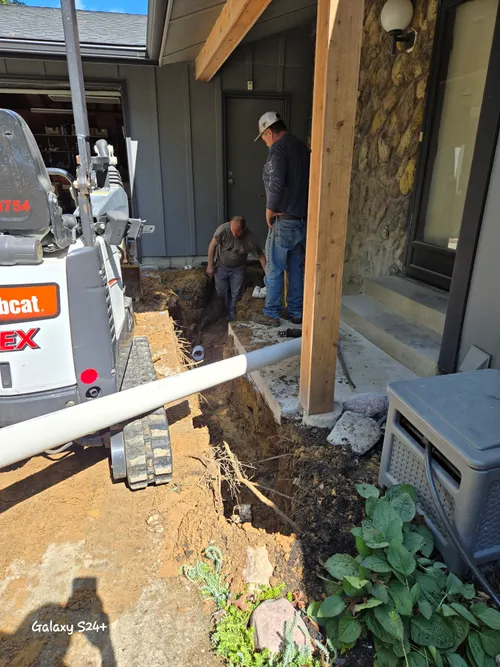
K-Fex Inc.
5885 N 800 E, New Carlisle, IN 46552
K-Fex Inc. provides septic tank pumping, inspection, repair, and installation services in Chicago, IL. They also handle drain field repair and replacement. The company offers excavation services and has a full-time office staff available during regular business hours. One notable capability is their service to locate and dig up septic tank lids when needed. K-Fex Inc. supports clients through the entire septic system process, including soil testing and health department coordination for system replacements.
Understanding the Septic System Installation Process
The journey to a new septic system or a septic tank replacement in South Bend is a multi-stage process governed by the St. Joseph County Department of Health. It's designed to ensure the system is safe, effective, and tailored to your specific property conditions. You cannot simply hire an installer and begin digging; official approval is required at each critical juncture. The process generally follows this sequence: a certified site evaluation, permit application, system design, installation, and final inspection. Skipping any step can result in fines, system failure, or an order to remove a non-compliant system.
Step 1: The Critical Site Evaluation and Soil Report
Before any design work can begin, a certified soil scientist must evaluate your property. This is often colloquially referred to as a "perc test," though in Indiana the focus is on soil morphology-observing the soil's layers, texture, and seasonal water table. The professional will take soil borings in the proposed drain field area to determine the soil's absorption rate and identify any limiting conditions like bedrock or a high water table.
This soil report is the foundation of your entire septic system plan. It determines what type of system you can install-whether a conventional trench system, a more advanced mound system, or another alternative technology. The findings must be submitted to the St. Joseph County Department of Health as part of your permit application 1. For new construction, the proposed septic area must be clearly marked and roped off with stakes or signs before the design can even be approved 2.
Step 2: Securing Your Permit from St. Joseph County
With a certified soil report in hand, the next step is the permit application. For a new or full replacement residential onsite sewage system in St. Joseph County, the permit fee is $275. A repair permit costs $100. You or your licensed installer will submit the application, along with the soil report and the proposed system design, to the Department of Health for review.
The county reviews the application for compliance with the Indiana State Department of Health's Rule 410 IAC 6-8.3, the Residential Onsite Sewage Systems Rule. This rule dictates everything from tank specifications to drain field sizing and setback requirements. Approval from the Health Department is mandatory before any installation work can commence.
Step 3: System Design and Choosing Your Installer
A licensed septic installer will use the approved soil report to create a detailed system design. This design specifies the tank size and material, the layout and size of the absorption field, and the type of technology required. In South Bend, approved septic tank materials include watertight concrete, fiberglass, or polyethylene (poly) tanks.
Choosing a qualified, licensed installer is crucial. They are responsible for translating the design into a properly functioning system and for scheduling the required inspections. The design they create must be stamped and approved by the Health Department, locking in the specifics of your installation.
Find the perfect septic tank installation & replacement contractors for your needs
Get personalized recommendations and expert advice
Step 4: Installation and Mandatory Inspections
Once the permit is issued and the design is approved, installation can begin. A critical and non-negotiable part of this phase is the inspection. The St. Joseph County Department of Health requires a minimum of two business days' notice before the system or its components are covered 3 4. The inspector must visit the site to examine the open excavations, the tank placement, the distribution lines, and other components before they are backfilled.
Failing to call for this inspection or covering the work before it is approved is a serious violation that can lead to costly re-excavation and rework. The inspection ensures the installation matches the approved design and meets all code requirements for safety and performance 5.
Key Regulations and Requirements for South Bend
Adhering to local and state codes isn't just about legality-it's about building a system that lasts and protects public health. Key regulations for septic system installation in St. Joseph County include:
- State Code Compliance: All systems must comply with 410 IAC 6-8.3 6 7.
- Setback Requirements: Strict distances must be maintained from wells, property lines, streams, lakes, and buildings. These setbacks are enforced to prevent contamination.
- Tank Standards: Tanks must be watertight and structurally sound. Common choices are precast concrete, which is very durable, or lighter-weight fiberglass and poly tanks 8.
- System Type: Your soil report dictates the system type. Poorly draining soils will require an elevated sand mound or other alternative system, which is typically more complex and costly to install than a conventional trench system.
Cost Considerations for Installation and Replacement
The total cost for a new septic system or a full septic tank replacement in the South Bend area varies widely. Several factors influence the final price:
- Permit Fees: The fixed county fee is $275 for new/replacement systems 9.
- Soil Evaluation & Design: These are separate costs paid to the private soil scientist and system designer. This can range from several hundred to over a thousand dollars.
- System Type and Size: A conventional system for a three-bedroom home is the baseline. A mound system or a system for a larger home will cost significantly more due to extra materials (sand, gravel, specialized distribution components) and labor.
- Site Conditions: Easy access, clear land, and simple excavation keep costs down. Rocky soil, steep slopes, or tight access can increase installation time and equipment needs.
- Tank Material: Prices vary between concrete, fiberglass, and poly tanks.
Given these variables, a full septic system installation can range from several thousand dollars for a simple replacement to well over $10,000 for a new, advanced system on challenging soil 10 11. It's essential to get detailed quotes from multiple licensed installers that break down all these components.
A Special Note for South Bend City Residents: If your property is within the city limits of South Bend, you should contact the city's Division of Engineering before planning a septic system. There may be requirements or options to connect to the municipal sewer system that could affect your project 12.
Frequently asked questions
Sources
Footnotes
-
Commercial - St. Joseph County Department of Health - https://www.in.gov/localhealth/stjosephcounty/files/Commercial-Permit-Procedures-and-Costs.pdf ↩
-
How to Know if You Need a Septic System Permit - Pippin Home Designs - https://www.pippinhomedesigns.com/septic-system-permit/ ↩
-
St. Joseph County: Septic Systems - https://www.in.gov/localhealth/stjosephcounty/environmental-health/septic-systems/ ↩
-
Septic System Permit Procedure - IN.gov - https://www.in.gov/localhealth/claycounty/files/Septic-procedure.pdf ↩
-
Indiana Septic System Installation and Permit Procedure Guide - https://www.septicdesign.com/homeowners/the-septic-system-installation-processs-for-indiana/ ↩
-
Onsite Sewage Systems Program - IN.gov - https://www.in.gov/health/eph/onsite-sewage-systems-program/ ↩
-
RESIDENTIAL ONSITE SEPTIC PERMIT PROCESS - https://rushcounty.in.gov/wp-content/uploads/2021/07/RESIDENTIAL-ONSITE-SEPTIC-PERMIT-PROCESS-1.pdf ↩
-
Indiana Septic Tank Requirements | On-Site Sewage Systems - https://www.ntotank.com/blog/indiana-septic-tank-requirements ↩
-
Residential - St. Joseph County Department of Health - https://www.in.gov/localhealth/stjosephcounty/files/Residential-Permit-Procedures-and-Costs.pdf ↩
-
Septic System Permit Guide for Summit County Residents - https://www.andersoneng.com/get-a-septic-system-permit-in-summit-county/ ↩
-
Indiana Septic License & Certification | 2024 Contractor Guide - https://www.servicetitan.com/licensing/septic/indiana ↩
-
Water & sewer - St. Joseph County, IN - https://www.sjcindiana.gov/DocumentCenter/View/37200/Carriage-HIlls-Connection-Information---May-2020?bidId= ↩