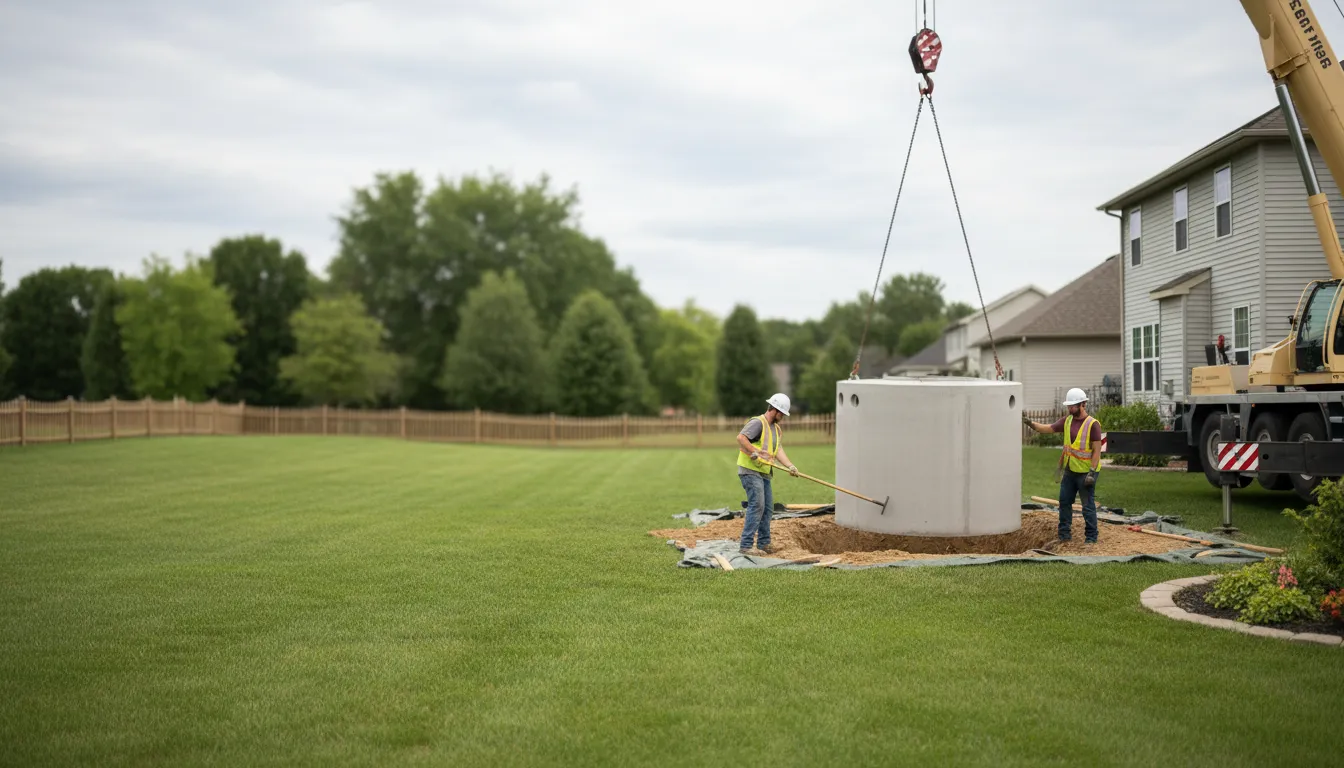
Find the Best Septic Tank Installation & Replacement Contractors for Your Business
No obligation • Fast responses • Nationwide coverage

Why you can trust Septic Spot
Septic Spot is a leading United States resource for understanding and comparing septic services. Our editors review providers using consistent criteria and verify key business details. Listings and scores are independent, and companies cannot pay to influence our content.
Search providers near you
Top Septic Tank Installation & Replacement Contractors in Westfield, Indiana Ranked
Installing or replacing a septic system is a significant investment in your Westfield property's long-term functionality and value. This process involves careful planning, adherence to strict local regulations, and professional execution to ensure your wastewater is treated safely and effectively. For homeowners, understanding the steps-from soil evaluation to final inspection-is key to a successful project. This guide will help you navigate the requirements and connect with qualified local professionals who specialize in septic system installation and replacement.
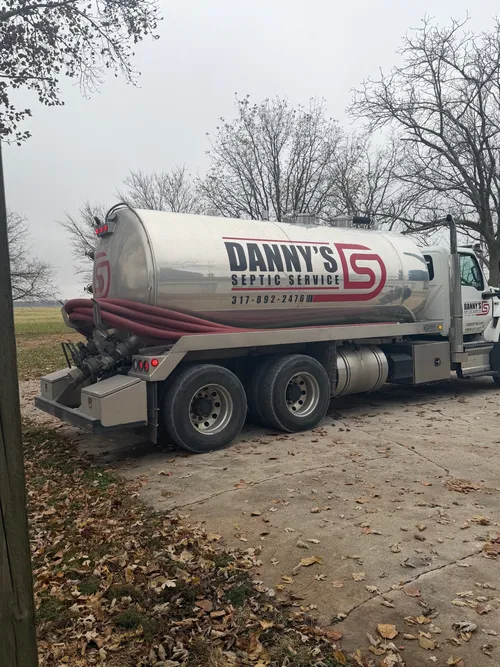
Danny's Septic Service
4938 E County Rd 1000 N, Pittsboro, IN 46167
Danny's Septic Service is a septic tank pumping, repair, and installation company based near Indianapolis, IN. They provide services to residential and commercial customers across several counties including Boone, Clinton, Hendricks, Montgomery, Putnam, Tippicanoe, and parts of Marion County. Their licensed team handles a full range of septic system needs with a focus on building strong client relationships.
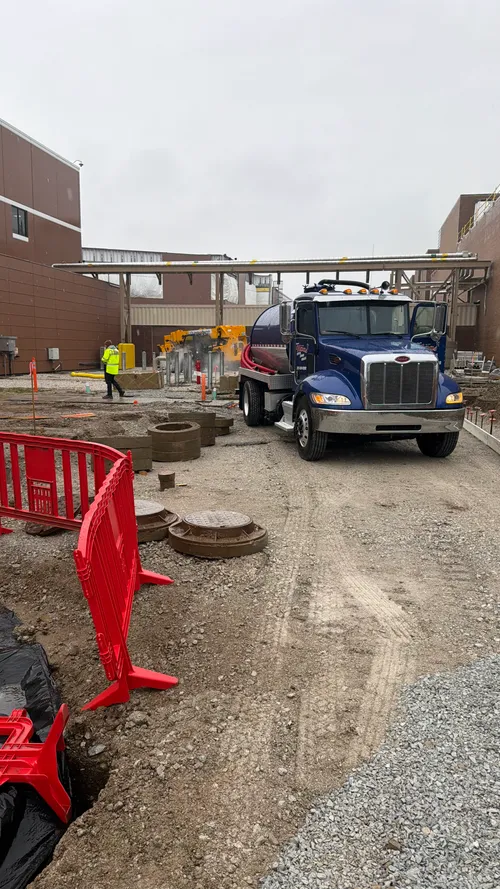
Max Haas Septic Service
7514 E 39th St, Indianapolis, IN 46226
Max Haas Septic Service has been providing septic system services in Indianapolis, IN, and Central Indiana since 1923. They offer a full range of residential and commercial septic solutions including tank pumping, inspections, system installations, drain field replacements, sewer repairs, and drainage system design. With over 100 years of experience, the company handles everything from routine maintenance to complex system installations, ensuring compliance with local codes and long-term system performance. Their organized team uses modern equipment to deliver efficient service across multiple counties in the region.
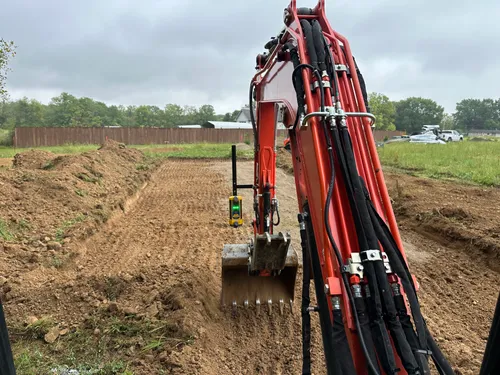
Septic Installers LLC
4692 S County Road 600 E, Plainfield, IN 46168
Septic Installers LLC is a septic tank installation contractor based in Indianapolis, IN. They provide septic system site evaluations, in-house septic system design, and installation services. The company serves Morgan, Johnson, Hendricks, and Marion Counties. With over 40 years of excavation experience, they specialize in septic system installation and design to support residential projects.
Lamb Excavating
Indianapolis, IN
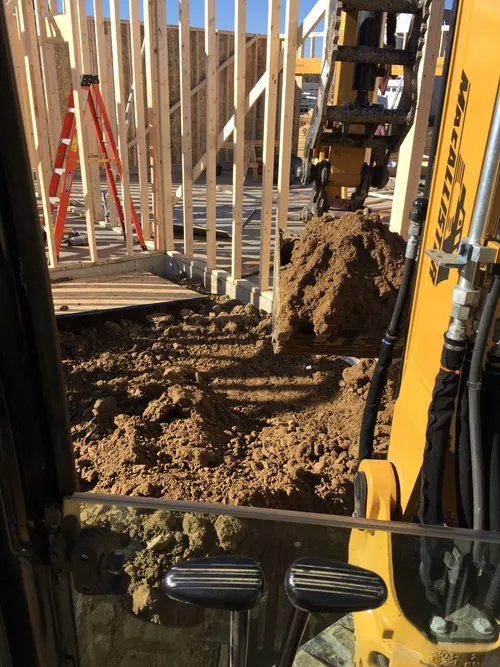
Lamb Excavating is an excavation contractor based in Indianapolis, IN, offering a variety of services including septic tank installation, sewer line repair and replacement, land clearing, grading, and drainage improvement. They provide foundation excavation, basement waterproofing, egress window installation, and paver patio installation. Lamb Excavating focuses on delivering tailored excavation solutions for residential and commercial projects in the Indianapolis area.
Understanding the Septic System Installation Process
A new septic system installation or a full system replacement in Westfield is a multi-stage process governed by the Hamilton County Health Department (HCHD). It's not simply about digging a hole and placing a tank; it's a regulated procedure designed to protect public health and the environment. The journey typically begins with a professional site evaluation and ends with a final inspection by the health department. Each step must be completed in sequence, and skipping any part can lead to permit denials, failed inspections, or a system that doesn't function properly, leading to costly repairs down the line.
The core stages include:
- Site Evaluation & Soil Testing: Conducted by a certified professional.
- System Design & Permit Application: Tailored to your property's specific conditions.
- Approval & Scheduling: Waiting for HCHD review and scheduling the installation.
- Installation & Inspections: The physical work, followed by mandatory checks.
- Final Approval: Receiving the sign-off that your system is operational and compliant.
Step 1: The Critical Site Evaluation and Soil Analysis
Before any design work can begin, a Registered Soil Scientist must evaluate your property. This is the foundational step that determines what type of system you can install and where it can be located. The scientist will perform at least three soil borings to create a detailed soil profile, assessing texture, structure, and seasonal water table levels 1 2. This analysis identifies the soil's loading rate, which dictates the size and type of drain field required.
Certain site conditions can prohibit a standard septic system installation. According to guidelines, areas with steep slopes exceeding 15%, locations within a floodplain, or sites with a shallow seasonal high water table may be deemed unsuitable for a conventional system. In such cases, alternative or engineered systems may be necessary, which can impact the overall project scope and cost.
Step 2: System Design, Sizing, and Permit Application
With a completed soil report in hand, a septic system designer or installer can create a custom septic system design for your property. System sizing is regulated by state code (410 IAC 6-8.3) and is primarily based on the projected daily wastewater flow, which is calculated as 150 gallons per day per bedroom 3. This flow rate directly determines the required tank and drain field capacity.
Standard tank size requirements in Indiana are:
- 1-2 bedrooms: 750-gallon tank
- 3 bedrooms: 1,000-gallon tank
- 4 bedrooms: 1,250-gallon tank
- 5 bedrooms: 1,500-gallon tank 4
Once designed, the official Hamilton County On-Site Sewage System Permit Application must be submitted. This package includes the soil scientist's report, the detailed site plan with the proposed system location, and the design specifications. The HCHD has 30 days to review the application for approval. It's important to note that an approved permit is typically valid for two years, giving you a window to complete the installation.
Find the perfect septic tank installation & replacement contractors for your needs
Get personalized recommendations and expert advice
Step 3: Installation and Mandatory Inspections
After receiving your permit, you can schedule the installation with a licensed contractor. The HCHD requires notification at least two business days prior to the start of installation 5. Before any construction begins, a site inspection by the health department is often required to verify the staked location matches the approved plan 5.
The most critical inspection occurs during the installation itself. The open inspection must be scheduled while the excavation is open and all system components (tank, distribution box, pipes) are exposed but before any backfilling occurs 6. This allows the inspector to verify that the installation matches the approved design, that all materials are correct, and that the workmanship meets code. Failing to schedule this inspection before backfilling will likely result in a violation, requiring the system to be re-excavated for inspection-a very expensive mistake.
Costs and Considerations for Westfield Homeowners
The total cost for a septic system installation or complete system replacement in the Westfield area can vary widely based on soil conditions, system type, tank size, and property accessibility. For a standard residential system, homeowners can commonly expect costs to range between $5,000 and $15,000 7. More complex systems for difficult sites (like mound systems or aerobic treatment units) will be at the higher end or exceed this range.
Permit fees in the region are separate from installation costs. For reference, neighboring county health departments list fees such as roughly $60 for a new system permit and roughly $30 for a repair permit8. Always confirm the exact fee schedule with the Hamilton County Health Department when applying.
Choosing an experienced, licensed installer is paramount. They will not only handle the physical work but also manage the critical communication with the health department, schedule inspections, and ensure every detail complies with 410 IAC 6-8.3 and local county regulations. A properly installed and permitted system protects your investment, your family's health, and the local groundwater.
Maintaining Your New Septic System
Once your new septic tank and drain field are installed and approved, proper maintenance is essential for longevity. This includes regular pumping (typically every 3-5 years), conserving water to avoid overloading the system, and avoiding flushing harmful chemicals or non-biodegradable materials. Protect your drain field by never parking vehicles on it and planting only grass over the area. A well-maintained system can last for decades, making the initial investment in a proper installation well worth it.
Frequently asked questions
Sources
Footnotes
-
Residential On-Site Sewage System Permit Procedure - https://www.hamiltoncounty.in.gov/DocumentCenter/View/432/Residential-On-Site-Sewage-System-Permit-Procedure-PDF ↩
-
Permits - Hamilton County, IN - https://www.hamiltoncounty.in.gov/300/Permits ↩
-
RESIDENTIAL ON-SITE SEWAGE SYSTEMS RULE 410 IAC 6-8.3 - https://www.in.gov/health/files/410_IAC_6-8_3.pdf ↩
-
Indiana Septic Tank Requirements | On-Site Sewage Systems - https://www.ntotank.com/blog/indiana-septic-tank-requirements ↩
-
Septic System Permit Procedure - IN.gov - https://www.in.gov/localhealth/claycounty/files/Septic-procedure.pdf ↩ ↩2
-
NEW HOME CONSTRUCTION OR SYSTEM REPLACEMENT - IN.gov - https://www.in.gov/localhealth/marshallcounty/files/guidance-residential-onsite-sewage-procedures.pdf ↩
-
Understanding Septic Tank Permits and Regulations - https://westcoastsanitationinc.com/understanding-septic-tank-permits-and-regulations/ ↩
-
How to get a septic permit - IN.gov - https://www.in.gov/localhealth/harrisoncounty/files/Brochure_Septic_permit_how_to_get_one.pdf ↩