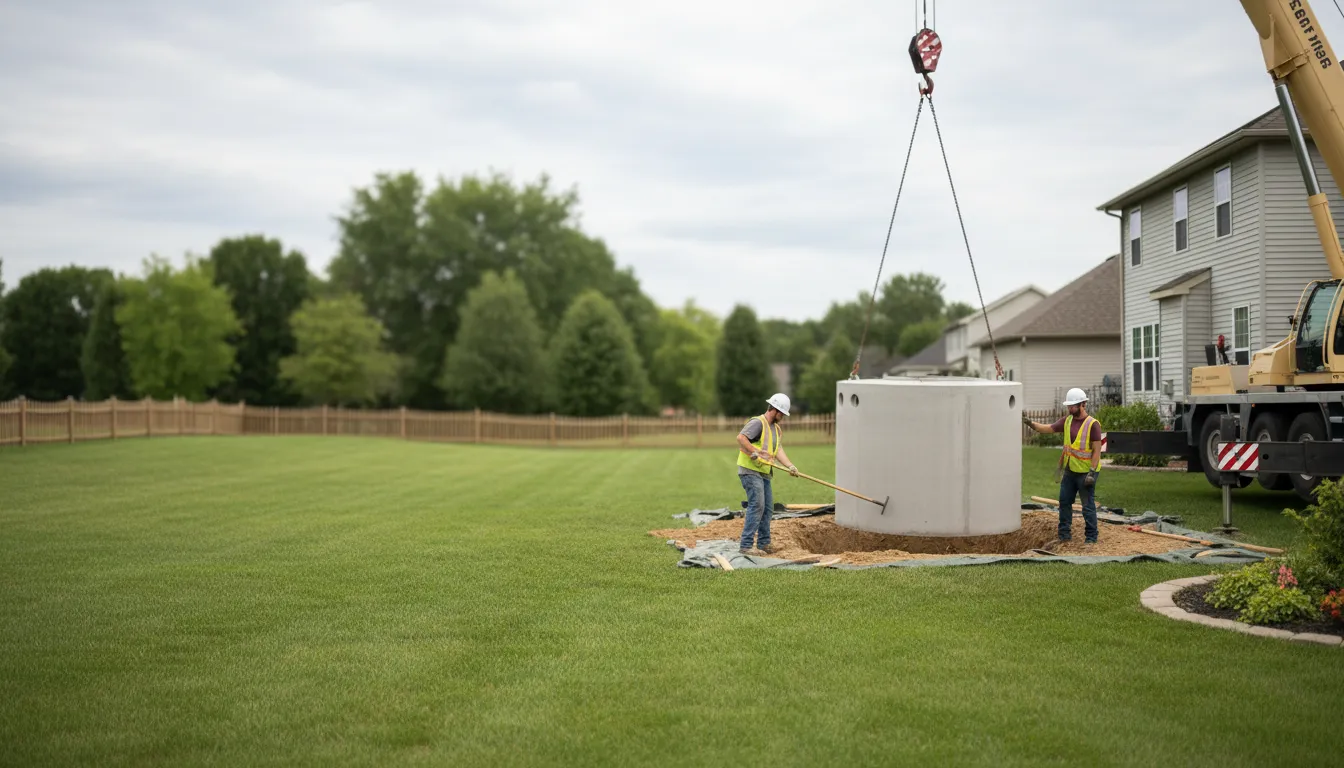
Find the Best Septic Tank Installation & Replacement Contractors for Your Business
No obligation • Fast responses • Nationwide coverage

Why you can trust Septic Spot
Septic Spot is a leading United States resource for understanding and comparing septic services. Our editors review providers using consistent criteria and verify key business details. Listings and scores are independent, and companies cannot pay to influence our content.
Search providers near you
Top Septic Tank Installation & Replacement Contractors in Ann Arbor, Michigan Ranked
Installing or replacing a septic system is a significant home infrastructure project that requires careful planning, professional expertise, and strict adherence to local regulations. For Ann Arbor homeowners, this process is managed by the Washtenaw County Environmental Health Division to protect public health and the local environment. This guide explains the key steps, costs, and regulatory requirements for septic system installation and replacement in the area, helping you understand what to expect and how to connect with qualified local professionals.

Jack Spack Septic
7415 Carpenter Rd, Ypsilanti, MI 48197
Jack Spack Septic is a septic tank installation contractor serving Ann Arbor, MI. The company specializes in engineered septic system design and installation, providing services to residential and commercial clients in the area. Jack Spack Septic is known for its professional approach and courteous service, with a focus on helping customers understand how their septic systems function.
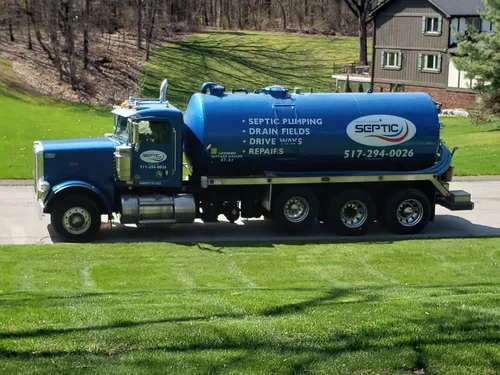
Patrick Esper Septic
Lansing, MI
Patrick Esper Septic is a septic service provider located in Lansing, MI. They offer a range of services including septic tank pumping, system repairs, and installation of septic tanks and drain fields. Their capabilities include effluent pump repair and drain field replacement, as well as engineered septic services and community system installation. The company also provides excavation, grading, and land clearing services related to septic system projects.
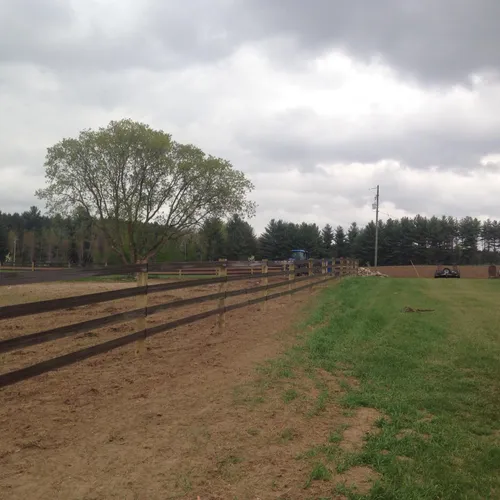
Stamper and Son Excavating
1039 County Farm Rd, Howell, MI 48843
Stamper and Son Excavating is a family-owned company based near Lansing, MI, specializing in septic tank installation and excavation services. They offer a broad range of services including land clearing, site preparation, concrete work, and demolition. The company is licensed and certified to handle septic systems, with expertise in both engineered and basic systems to help prevent future septic issues. With a fleet of equipment and a knowledgeable crew, they focus on completing projects thoroughly and leaving sites clean. Their concrete crew brings over 40 years of experience to ensure durable results.
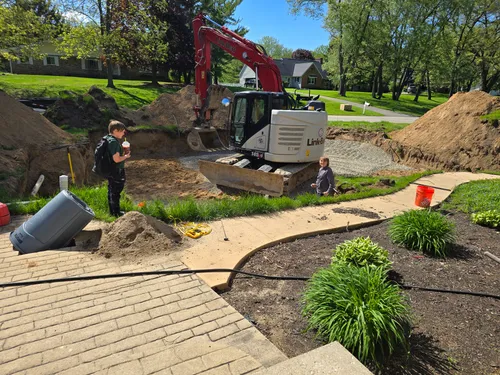
Howell Sanitary Co
5205 Pinckney Rd, Howell, MI 48843
Howell Sanitary Co provides a range of septic system services in Lansing, MI. Their offerings include septic tank pumping, inspections, repairs, and new installations, as well as septic field repairs and replacements. They also handle septic tank riser installation, effluent filter cleaning, and various types of septic fields such as conventional, elevated, and trench systems. Additional services include excavating, driveway grading, and land clearing.
Schaefer Plumbing
Detroit, MI
Schaefer Plumbing is a family-owned plumbing and drain service company based in Detroit, MI. They offer a wide range of services including septic system installation, drain cleaning, pipe repair, and water heater installation and repair. Their team is trained in the latest plumbing technologies to handle various plumbing and drain issues efficiently. Schaefer Plumbing serves multiple communities around Detroit, including Lincoln Park, Dearborn, and Southfield, among others. They are known for their capability in septic system installations and provide service across a broad area in the Detroit region.
Understanding Septic System Basics in Washtenaw County
A septic system is an on-site wastewater treatment system for properties not connected to a municipal sewer line. It consists of a watertight tank that separates solids from liquids and a soil absorption field (drain field) where the treated effluent is dispersed. In Ann Arbor and surrounding Washtenaw County, all new installations and replacements are regulated to ensure they function properly and do not contaminate groundwater or surface water. The county mandates that only certified contractors can perform this work, and every project must follow a permit-driven process overseen by a county sanitarian.
The Regulatory Landscape: Permits and Certified Contractors
Before any digging begins, you must secure a sewage system permit from the Washtenaw County Environmental Health Division. This is a non-negotiable first step. The permit application requires a detailed site plan and, critically, an approved Soil Evaluation. You cannot hire just any excavator; state and county rules require that the installation or major repair of a system be performed by a contractor who is certified by Washtenaw County. This certification ensures the contractor understands local codes and installation standards. Furthermore, strict isolation distances are enforced, including a minimum 50-foot separation between a private well and any part of the septic system 1.
Step 1: The Critical Site and Soil Evaluation
The suitability of your property for a conventional septic system hinges entirely on the soil conditions. This evaluation is the foundation of the entire project. A county sanitarian will visit your site to assess soil type, depth to the seasonal high water table, slope, and the total available area 2. To properly evaluate the soil, a backhoe is typically used to dig deep inspection pits, often called "soil logs." At least two pits are required in the area of the proposed primary drain field and two more in the reserve area 3. This process may also involve a percolation (perc) test, which measures how quickly water drains through the soil to determine the size and type of system needed 2 3.
Step 2: System Design and Engineering
Once the soil evaluation is complete, the next phase is system design. For properties with poor drainage, high water tables, or limited space, a conventional system may not be possible. In these cases, an engineered or alternative system is required. These systems use advanced technology like pumps, sand filters, or aerobic treatment units to treat wastewater before it reaches the drain field. The design must be completed by a qualified professional and submitted to the county for approval alongside your permit application. Engineering and design fees alone can range from $1,500 to $3,000.
Step 3: Installation and Required Inspections
With an approved permit and design in hand, your certified contractor can begin installation. The county conducts multiple inspections to ensure compliance. The first is a site evaluation inspection to confirm the staked location matches the plan. The most crucial is the installation inspection, where a sanitarian examines the excavated tank bed, the placement of the tank and piping, and the construction of the drain field before any components are backfilled 4 5. All septic tanks must be watertight and pass a vacuum or water-pressure test, and an effluent filter is required on the first tank 6 7. Only after this inspection passes can the system be covered.
Step 4: Final Approval and System Start-Up
The final step is obtaining approval to put the system into operation. The inspector will verify that the installation matches the approved plans and that the tank has passed its watertightness test. Once final approval is granted, you will receive a certificate indicating your system is compliant. It is then safe to begin using the system. Proper start-up and careful initial use are recommended to help establish the necessary biological ecosystem in the drain field.
Find the perfect septic tank installation & replacement contractors for your needs
Get personalized recommendations and expert advice
Cost Breakdown for Septic System Installation
The total cost for a new septic system in the Ann Arbor area varies widely based on soil conditions, system type, and property specifics. A basic conventional system for a favorable site might start around $15,000. However, many areas in Washtenaw County require more complex solutions. The price typically includes several components:
- Engineering/Design: $1,500 - $3,000
- Materials (Tank & Drain Field): $5,000 - $10,000+
- Installation Labor: $8,000 - $15,000
For properties needing an engineered system due to challenging soils, total costs frequently range from $25,000 to over $35,000 8 9. It's essential to get detailed quotes from multiple certified installers that include all permitting, inspection, and design fees.
When is System Replacement Necessary?
Homes with older, failing systems are the most common candidates for full replacement. Signs of failure include sewage backups, soggy bright green grass over the drain field, and foul odors. In Michigan, older systems are often "grandfathered" and allowed to remain until they fail or the property is sold 10. Some local ordinances, known as Time of Sale/Transfer (TOST) rules, require the system to be inspected and brought up to code upon the sale of the property, which can trigger a necessary replacement 10. The replacement process follows the same rigorous permit, design, and installation path as a new installation.
Maintaining Your New Septic Investment
A properly installed system is a long-term investment that can last decades with appropriate care. Regular pumping of the tank (typically every 3-5 years), conserving water, and avoiding flushing harmful chemicals or non-biodegradable materials are essential. Protecting the drain field from compaction by vehicles or heavy structures is also crucial. Remember, the reserve drain area identified during your site evaluation must be kept undisturbed for future use if the primary field ever needs expansion or replacement.
Choosing the Right Professional for the Job
Given the complexity and cost, selecting your installer is a critical decision. Always verify that the contractor is currently certified by Washtenaw County. Ask for references from recent jobs in the area and request detailed, written estimates that outline all phases of work. A reputable professional will handle the permit application process, coordinate with the county sanitarian for inspections, and use high-quality, approved materials. They should also be willing to walk you through the soil evaluation report and explain your specific system design.
Frequently asked questions
Sources
Footnotes
-
FAQ: Septic systems - https://www.michigan.gov/egle/faqs/drinking-water/septic-systems ↩
-
Washtenaw County - https://content.civicplus.com/api/assets/mi-washtenawcounty/48eef23c-f088-4e18-a92f-5d3ad2ccbe70?cache=1800 ↩ ↩2
-
Perc Testing in Southeast Michigan - https://alpearsonandson.net/services/excavation-and-perc-test/ ↩ ↩2
-
Septic System Basics | Washtenaw County, MI - Official Website - https://www.washtenaw.org/1721/Septic-System-Basics ↩
-
Sewage Systems | CMDHD - https://www.cmdhd.org/septicsystems ↩
-
Washtenaw County - https://content.civicplus.com/api/assets/mi-washtenawcounty/0f76f708-2607-428e-b303-70cd4aa572b4?cache=1800 ↩
-
Installing a Septic System in Washtenaw County - https://www.washtenaw.org/2499/Installing-a-Septic-System-in-Washtenaw- ↩
-
Engineered Septic Systems in Michigan: Costs, Maintenance, a ... - https://www.michiganseptic.com/post/engineered-septic-systems-in-michigan-costs-maintenance-a-2026-guide ↩
-
Septic Tank Installer | Ann Arbor, MI | LaChance Brothers Excavating - https://www.lachancebrothers.com/locations/services/septic-tank-installer-ann-arbor-mi ↩
-
Septic System Ordinances | Michigan Lakes and Streams ... - https://mymlsa.org/government-and-legal-issues/ordinances/septic-system-ordinances/ ↩ ↩2