Find the Best Septic Tank Installation & Replacement Contractors for Your Business
No obligation • Fast responses • Nationwide coverage

Why you can trust Septic Spot
Septic Spot is a leading United States resource for understanding and comparing septic services. Our editors review providers using consistent criteria and verify key business details. Listings and scores are independent, and companies cannot pay to influence our content.
Search providers near you
Top Septic Tank Installation & Replacement Contractors in Detroit, Michigan Ranked
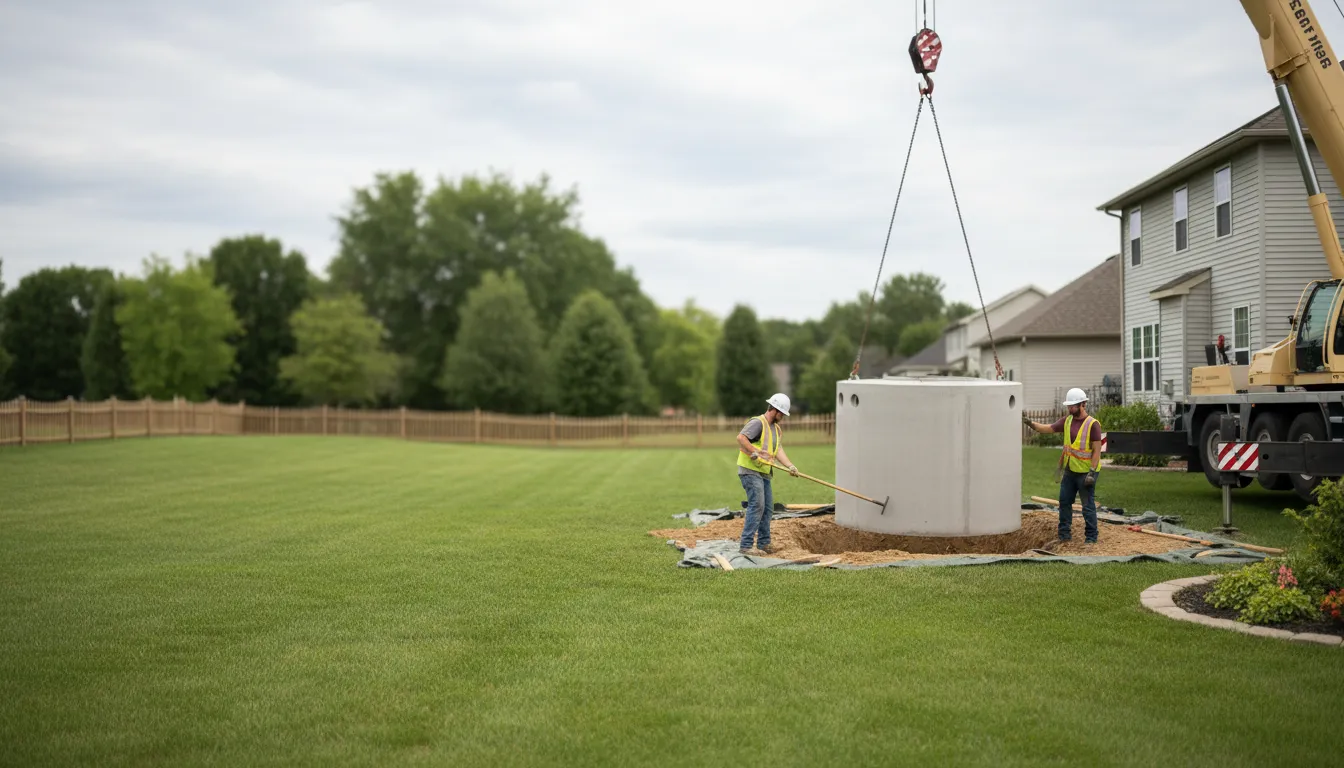
Installing or replacing a septic system is a significant investment in your property's long-term functionality and environmental health. For Detroit-area homeowners and builders, navigating the local regulations, soil evaluations, and installation process is essential for a compliant and effective wastewater treatment system. This guide provides a detailed overview of what to expect when planning a septic tank installation or replacement in Wayne County, helping you understand the steps, costs, and key considerations for finding qualified local professionals.

Schaefer Plumbing
Detroit, MI
Schaefer Plumbing is a family-owned plumbing and drain service company based in Detroit, MI. They offer a wide range of services including septic system installation, drain cleaning, pipe repair, and water heater installation and repair. Their team is trained in the latest plumbing technologies to handle various plumbing and drain issues efficiently. Schaefer Plumbing serves multiple communities around Detroit, including Lincoln Park, Dearborn, and Southfield, among others. They are known for their capability in septic system installations and provide service across a broad area in the Detroit region.
Al Pearson & Son Septic Tank Cleaning
46885 Ford Rd, Canton Township, MI 48187
Al Pearson & Son Septic Tank Cleaning is a family-owned business serving Ann Arbor, MI, and the surrounding Southeast Michigan area. They offer a full range of septic services including tank pumping, cleaning, system repairs, new installations, soil evaluations, and excavation. With over 70 years of experience since 1953, the company is licensed and certified to handle advanced septic system work for both residential and commercial clients. They emphasize clear communication and honest recommendations to ensure septic systems operate reliably. Emergency septic services are also available with often same-day pumping.
Ingratta Cement & Drainage Inc
6167 Malden Rd, Maidstone, ON N0R 1K0, Canada
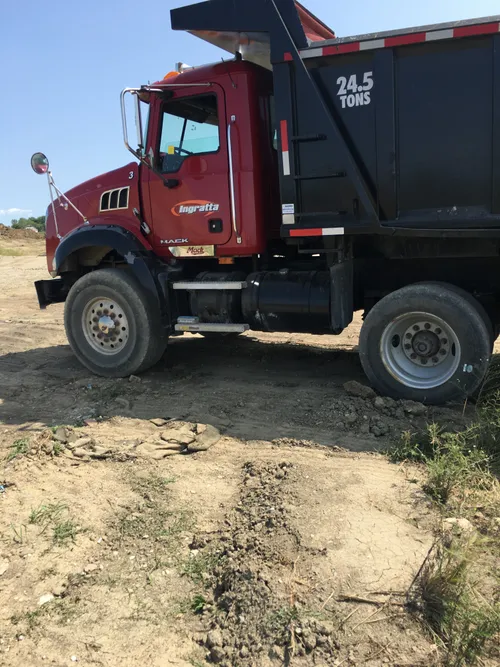
Ingratta Cement & Drainage Inc is a contractor specializing in septic tank installation, cement work, excavation, and waterproofing based in Detroit, MI. They serve the Windsor-Essex County area and surrounding regions within a 100 km radius. The company offers a range of services including patterned stamped concrete, driveway and sidewalk installations, complete basement foundations, sanitary and storm sewer work, water lines, and septic tank installation. Established in 1977, Ingratta Cement & Drainage Inc brings over 47 years of experience to their projects, combining skilled workmanship with modern technology to support both residential and commercial properties.
Understanding Septic System Basics
A septic system is an on-site wastewater treatment structure, typically used where municipal sewer lines are not available. It consists of a septic tank, which separates solids from liquids, and a drain field (or leach field), where the treated liquid effluent is dispersed into the soil. In Detroit and surrounding Wayne County, many homes, especially in more rural or older suburban areas, rely on these private sewage systems. Proper installation is critical not only for the system's longevity-often 20 to 40 years-but also for protecting groundwater, property value, and public health.
The Wayne County Permit Process
All new septic system installations and major replacements in Detroit and Wayne County require a permit from the Wayne County Health Department's Environmental Health Division. The process is designed to ensure systems are designed and installed correctly for the specific conditions of your property.
Key Steps in the Permit Process:
- Application Submission: You must submit a "Sewage Disposal System Permit" application, a detailed site plan, and proof of property ownership (like a deed).
- Site Evaluation (Percolation Test): This is a mandatory and crucial step. A county sanitarian or approved soil evaluator will conduct a soil percolation ("perc") test to determine the soil's absorption rate1. The results dictate the size and type of drain field required.
- System Design: Based on the perc test, household size, and local codes, a system design is created. This plan must be approved by the health department before any digging begins.
- Permit Validity: Once issued, a septic permit is typically valid for one year and is non-transferable to a new property owner2.
Critical Installation Requirements and Setbacks
Michigan law and local Wayne County regulations specify strict placement rules for septic systems to prevent contamination. Adhering to these is non-negotiable for permit approval.
- Distance from Wells: A septic system must be at least 50 feet from a water well, though a 100-foot separation is strongly recommended for an added safety margin 3.
- Distance from Water Bodies: Systems must be installed at least 25 feet from lakes, streams, or other surface water4.
- Reserve Area: You must designate a "reserve area" on your property-a space suitable for a future drain field. This area cannot be built upon or compacted, as it may be needed for system repairs or expansion in the future5.
- Avoiding Trees: The drain field area should be clear of large trees, as roots can infiltrate and damage the underground pipes.
Choosing Between Conventional and Engineered Systems
The type of system you can install depends almost entirely on the results of your soil evaluation.
- Conventional Gravity Systems: These are the most common and least expensive option, but they require suitable soil with good percolation. They rely on gravity to move effluent from the tank to the drain field.
- Engineered or Alternative Systems: If your soil has poor drainage (too clay-heavy), a high water table, or limited space, you will likely need an engineered system. These systems use pumps, sand filters, or advanced treatment technologies to treat wastewater to a higher standard before dispersal. They are more complex and costly but make building on challenging sites possible.
The Role of Professional Installers
While Michigan law may allow homeowners to install their own systems under certain conditions, Wayne County typically requires the work to be performed by a licensed septic installer approved by the local health department 6. A professional brings essential expertise:
- Understanding of precise county and state codes.
- Experience in correctly sizing and placing tanks and drain fields.
- Proper equipment for excavation and installation.
- Coordination with health department inspectors for required inspections.
Find the perfect septic tank installation & replacement contractors for your needs
Get personalized recommendations and expert advice
Required Inspections During Installation
You cannot simply install a system and cover it up. The Wayne County Health Department requires specific inspections at critical stages7 8:
- Pre-Installation/Site Inspection: Confirms the staking and layout match the approved design.
- Installation Inspection: This occurs after the tank and drain field trenches are dug and piped, but before they are backfilled. The inspector checks materials, depths, and construction quality.
- Final Inspection: After backfilling and system completion, a final inspection leads to the issuance of a "Certificate of Installation"9. This certificate is vital for closing out your permit and for future property sales.
Cost Breakdown for Septic Installation in Detroit
Costs can vary widely based on system type, soil conditions, and property specifics. The following ranges are estimates for the Detroit metro area10 11 12:
- Permit Fees: Typically between $150 and $500.
- Site Evaluation/Perc Test: Usually costs $300 to $500 or more.
- Conventional System Installation: The total installed cost for a standard gravity system often falls between $3,000 and $8,000.
- Engineered/Alternative System Installation: For advanced systems like mound, sand filter, or aerobic treatment units (ATUs), total costs can range from $10,000 to $35,000 or more.
- Engineered System Materials: The specialized components for these systems alone can cost $5,000 to $10,000+.
Planning for a System Replacement
If you're replacing a failing system, the process is similar to a new installation. The health department will require a new permit and site evaluation. Often, the replacement drain field will need to be installed in the designated "reserve area." It's crucial to address problems like surfacing sewage or backups promptly, as health departments can issue orders to repair or replace malfunctioning systems13.
Maintaining Your New Investment
Once your new septic tank or system is installed, proper maintenance is key. This includes regular pumping (every 3-5 years), conserving water, avoiding flushing harmful chemicals, and protecting the drain field area from vehicles and heavy structures. A well-maintained system protects your investment and the local environment for decades.
Frequently asked questions
Sources
Footnotes
-
Perc Tests in Southeast Michigan - Universal Septic Services - https://www.universalsepticservices.com/services/perc-test/ ↩
-
Sewage & Well Permits | Washtenaw County, MI - Official Website - https://www.washtenaw.org/1648/Sewage-Well-Permits ↩
-
FAQ: Septic systems - https://www.michigan.gov/egle/faqs/drinking-water/septic-systems ↩
-
Mich. Admin. Code R. 325.423 - Minimum standards for septic tank ... - https://www.law.cornell.edu/regulations/michigan/Mich-Admin-Code-R-325-423 ↩
-
Sewage Systems | CMDHD - https://www.cmdhd.org/septicsystems ↩
-
Septic/Onsite Sewage - Wayne County, Michigan - https://www.waynecountymi.gov/Government/Departments/Health-Human-Veterans-Services/Public-Health/Environmental-Health/Environmental-Safety/SepticOnsite-Sewage ↩
-
Residential Well & Septic - https://www.dhd10.org/environmental-health/well-septic/residential/ ↩
-
MI Criteria for On-Site Wastewater Treatment - State of Michigan - https://www.michigan.gov/egle/-/media/Project/Websites/egle/Documents/Programs/DWEHD/Onsite-Wastewater-Management/CRITERIA-ONSITE-WASTEWATER-TREATMENT.pdf ↩
-
Septic System Regulations and Permits: What You Need to Know - https://tidytanksepticservice.com/blog/septic-system-regulations-and-permits-what-you-need-to-know/ ↩
-
Engineered Septic Systems in Michigan: Costs, Maintenance, a ... - https://www.michiganseptic.com/post/engineered-septic-systems-in-michigan-costs-maintenance-a-2026-guide ↩
-
Understanding Septic Tank Permits and Regulations - https://westcoastsanitationinc.com/understanding-septic-tank-permits-and-regulations/ ↩
-
How Much Does It Cost To Install a Septic System in Detroit, MI? - https://www.angi.com/articles/what-does-it-cost-install-septic-system/mi/detroit ↩
-
Septic System Ordinances | Michigan Lakes and Streams ... - https://mymlsa.org/government-and-legal-issues/ordinances/septic-system-ordinances/ ↩