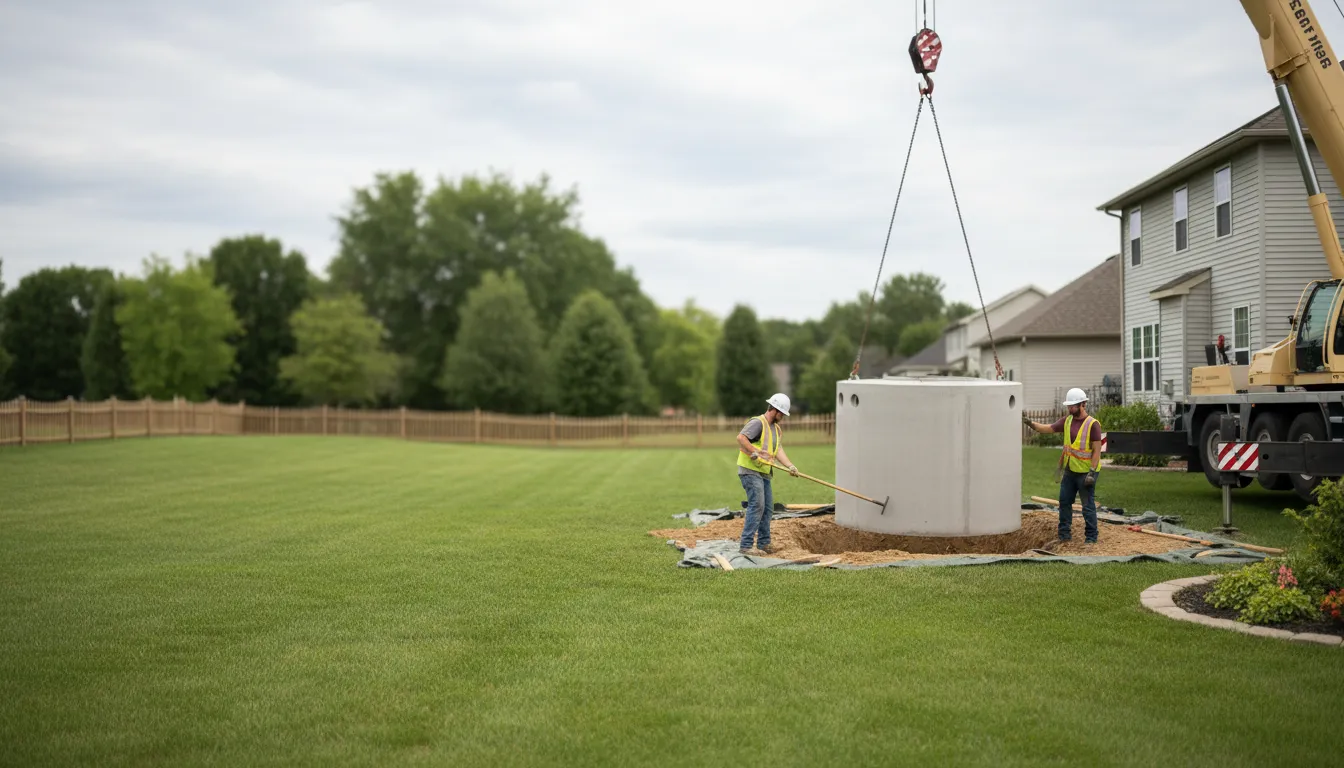
Find the Best Septic Tank Installation & Replacement Contractors for Your Business
No obligation • Fast responses • Nationwide coverage

Why you can trust Septic Spot
Septic Spot is a leading United States resource for understanding and comparing septic services. Our editors review providers using consistent criteria and verify key business details. Listings and scores are independent, and companies cannot pay to influence our content.
Search providers near you
Top Septic Tank Installation & Replacement Contractors in Lansing, Michigan Ranked
Installing or replacing a septic system is a significant investment in your property's long-term health and value. In the Lansing area, this process is governed by strict local and state regulations designed to protect public health and the environment, particularly our groundwater. This guide explains the key steps, costs, and regulatory requirements for septic system installation and replacement in Ingham and Clinton Counties, helping you navigate the process with confidence and find qualified local professionals.
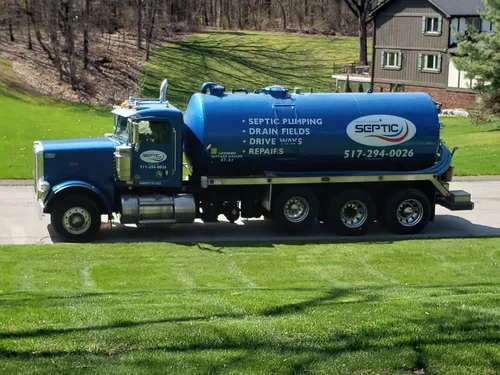
Patrick Esper Septic
Lansing, MI
Patrick Esper Septic is a septic service provider located in Lansing, MI. They offer a range of services including septic tank pumping, system repairs, and installation of septic tanks and drain fields. Their capabilities include effluent pump repair and drain field replacement, as well as engineered septic services and community system installation. The company also provides excavation, grading, and land clearing services related to septic system projects.
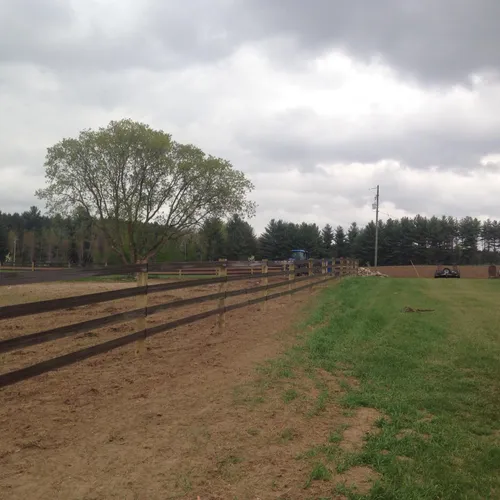
Stamper and Son Excavating
1039 County Farm Rd, Howell, MI 48843
Stamper and Son Excavating is a family-owned company based near Lansing, MI, specializing in septic tank installation and excavation services. They offer a broad range of services including land clearing, site preparation, concrete work, and demolition. The company is licensed and certified to handle septic systems, with expertise in both engineered and basic systems to help prevent future septic issues. With a fleet of equipment and a knowledgeable crew, they focus on completing projects thoroughly and leaving sites clean. Their concrete crew brings over 40 years of experience to ensure durable results.
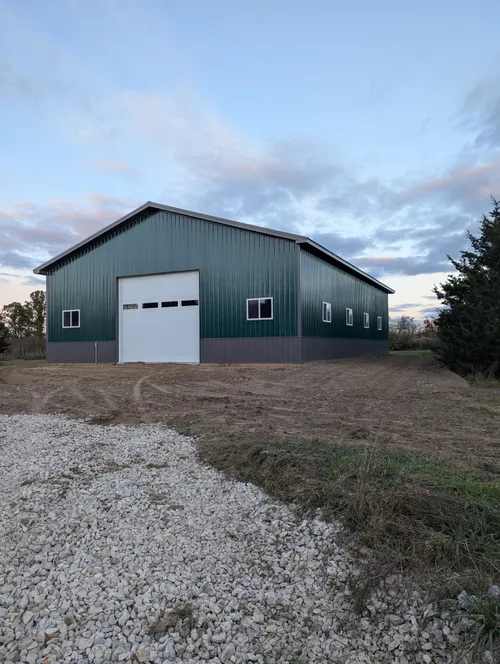
Apex Septic And Excavating, Inc
114 E Lawrence Ave Ste. 210, Charlotte, MI 48813
Apex Septic And Excavating, Inc is a septic tank pumping and installation company based in Lansing, MI. They offer a range of excavation services for both commercial and residential projects, including site preparation, grading, trenching, and land clearing. The company specializes in septic system installation and maintenance, ensuring compliance with local regulations. They also provide emergency excavation services for urgent issues like foundation failures and pipeline breaks. Apex has experience creating stable foundations for pole barns and barndominiums using precise staking and leveling techniques. Their septic pumping service uses advanced equipment to efficiently remove waste and sludge while following proper disposal guidelines.
Accuex Septic Excavating
10551 Byron Rd, Howell, MI 48855
Accuex Septic Excavating is a septic tank installation contractor based in Lansing, MI. The company offers septic installation and related services, with certification in Eljen systems. With over 25 years of experience, Accuex Septic Excavating handles complex projects and keeps clients informed throughout the process.
Howell Sanitary Co
5205 Pinckney Rd, Howell, MI 48843
Howell Sanitary Co provides a range of septic system services in Lansing, MI. Their offerings include septic tank pumping, inspections, repairs, and new installations, as well as septic field repairs and replacements. They also handle septic tank riser installation, effluent filter cleaning, and various types of septic fields such as conventional, elevated, and trench systems. Additional services include excavating, driveway grading, and land clearing.
Understanding Local Regulations and Permits
Before a single shovel hits the ground, you must secure the proper permits. In Michigan, all septic system installations and replacements require a Sewage Disposal System Permit issued by the local health department. For properties in Lansing, this typically means the Ingham County Health Department or the Mid-Michigan District Health Department, which serves Clinton County 1. This permit is a prerequisite for obtaining any building permits, making it the essential first step.
The permit process is based on a mandatory, site-specific soil evaluation. This critical assessment, often called a "pit test," is conducted by a health department sanitarian who analyzes soil layers, structure, and the seasonal high-water table level 2. A key requirement is a minimum of 18 inches of natural, non-mottled soil above the water table 3. It's important to note that simply adding fill dirt to meet this depth is generally prohibited, as is soil compaction from heavy equipment during the evaluation phase 2.
The Installation Process: From Evaluation to Approval
A successful septic system setup follows a structured path with multiple checkpoints. Here's a typical sequence for a new onsite wastewater treatment system:
- Site Inspection & Soil Evaluation: A health official visits your property to determine soil suitability and designate the primary and reserve drainfield areas.
- Permit Application & Design: Based on the soil evaluation, a licensed designer or installer creates a system plan that meets all code requirements and submits it with the permit application to the health department.
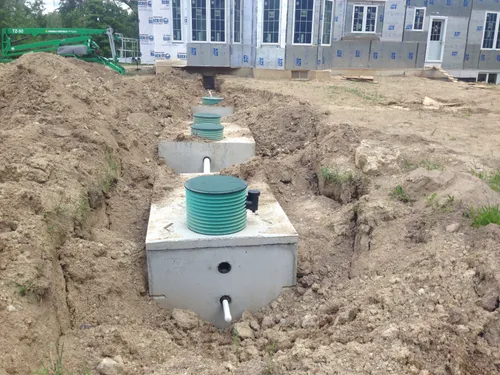
- Rough Inspection: Once the permit is issued and excavation begins, a health inspector will visit to examine the septic tank placement and piping before any components are backfilled.
- Final Inspection: After the entire system, including the drainfield, is installed, a final inspection is required for approval. No part of the system can be covered before receiving this final approval from the health department 4.
For system replacements, the process is similar but includes an additional crucial rule: Michigan law requires a designated reserve area that is 1.5 times the size of the new drainfield to be set aside for future use 5 6. This ensures there is space for a replacement system when the current one eventually fails.
System Types and Associated Costs
The type of system you need-and its cost-is directly determined by the results of your soil evaluation.
- Conventional Gravity System: This is the most common and affordable option, suitable for properties with deep, permeable soils and a low water table. It consists of a septic tank and a subsurface drainfield. Installed costs in the Lansing area typically range from $6,000 to $12,000.
- Engineered (Alternative) System: If your soil has poor drainage, a high water table, or limited space, an engineered system is required. These systems use advanced technology like pumps, sand filters, or aerobic treatment units. Due to their complexity and additional components, they are significantly more expensive, often adding $10,000 to $15,000 or more to the cost of a conventional system, with total installations frequently exceeding $20,0007 8.
Beyond equipment and labor, budget for permit fees, which are typically around $400 but can vary by jurisdiction 9. Always get detailed, written estimates from multiple licensed contractors that break down all costs.
Find the perfect septic tank installation & replacement contractors for your needs
Get personalized recommendations and expert advice
Choosing a Licensed Installer
You cannot install a septic system yourself. All septic tank installation work in Michigan must be performed by a state-licensed and county-approved contractor 10. When evaluating professionals, verify their license is current and ask for references from recent projects in your county. A reputable installer will be familiar with the specific inspectors and processes at your local health department, which can streamline the entire project.
Maintenance and Long-Term Planning
A new system is a major asset that requires proper care. Regular pumping (every 3-5 years, depending on usage) and mindful water use are essential. Protect your drainfield by never driving or parking vehicles over it, and avoid planting trees with deep roots nearby. Keep detailed records of all inspections, pumping, and repairs. Remember, the required reserve area is not just a regulation-it's your property's insurance policy, guaranteeing a location for a future septic system replacement when needed.
Navigating a septic system installation involves careful planning, adherence to strict codes, and working with trusted experts. By understanding the local requirements in Lansing, you can ensure your project protects your investment, your family's health, and Michigan's valuable water resources.
Frequently asked questions
Sources
Footnotes
-
Environmental Health Regulations - https://www.mmdhd.org/sites/default/files/agency/eh/Documents/EH%20reg%20booklet.pdf ↩
-
Minimum-Requirements-for-Alternative-On-Site-Sewage-Treatment- ... - https://milivcounty.gov/wp-content/uploads/Minimum-Requirements-for-Alternative-On-Site-Sewage-Treatment-Systems.pdf ↩ ↩2
-
02_20_26Chapter2InghamCoSa... - https://health.ingham.org/02_20_26Chapter2InghamCoSanCode_REVISED.docx?t=202602201543030 ↩
-
Mich. Admin. Code R. 325.423 - Minimum standards for septic tank ... - https://www.law.cornell.edu/regulations/michigan/Mich-Admin-Code-R-325-423 ↩
-
Sewage Systems | CMDHD - https://www.cmdhd.org/septicsystems ↩
-
Residential On-Site Sewage Disposal System - DHD2 - https://www.dhd2.org/residential-on-site-sewage-disposal-system ↩
-
Engineered Septic Systems in Michigan: Costs, Maintenance ... - https://www.michiganseptic.com/post/engineered-septic-systems-in-michigan-costs-maintenance-a-2026-guide ↩
-
DON'T BUY A HOUSE WITH A SEPTIC IN MICHIGAN! - https://livinginmichigan.com/don-t-buy-a-house-with-a-septic-in-michigan/ ↩
-
Septic System Installation Checklist - https://www.mecindustries.com/morse-engineering-and-construction-industries/septic-system-installation-checklist ↩
-
Well & Septic - Mid-Michigan District Health Department - https://www.mmdhd.org/environmental-services/septic/ ↩