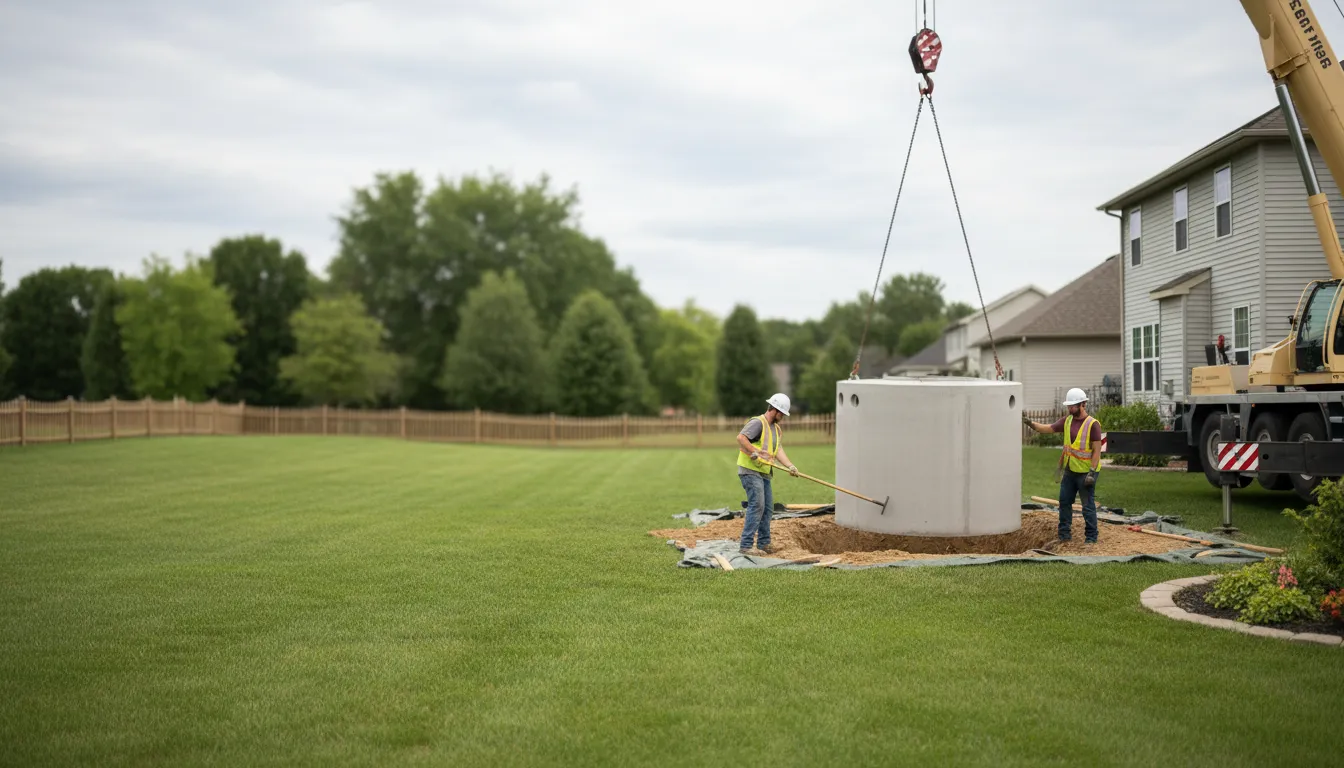
Find the Best Septic Tank Installation & Replacement Contractors for Your Business
No obligation • Fast responses • Nationwide coverage

Why you can trust Septic Spot
Septic Spot is a leading United States resource for understanding and comparing septic services. Our editors review providers using consistent criteria and verify key business details. Listings and scores are independent, and companies cannot pay to influence our content.
Search providers near you
Top Septic Tank Installation & Replacement Contractors in Bloomfield, Michigan Ranked
Installing or replacing a septic system is a significant home improvement project that requires careful planning and adherence to strict state and local regulations. A properly designed and permitted system protects your property value, your family's health, and Michigan's groundwater. This guide outlines the key steps, rules, and considerations for navigating a septic installation or replacement project in Michigan, helping you understand the process and connect with qualified local professionals.

Schaefer Plumbing
Detroit, MI
Schaefer Plumbing is a family-owned plumbing and drain service company based in Detroit, MI. They offer a wide range of services including septic system installation, drain cleaning, pipe repair, and water heater installation and repair. Their team is trained in the latest plumbing technologies to handle various plumbing and drain issues efficiently. Schaefer Plumbing serves multiple communities around Detroit, including Lincoln Park, Dearborn, and Southfield, among others. They are known for their capability in septic system installations and provide service across a broad area in the Detroit region.
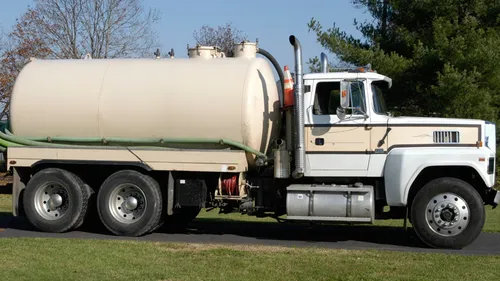
Howell Sanitary Co. II
Lansing, MI
Howell Sanitary Co. II provides a range of septic system services in Lansing, MI. Their offerings include septic tank pumping, inspections, repairs, and new installations. They also handle septic field repairs and replacements, with expertise in various field types such as conventional, elevated, dry wells, bed, and trench systems. Additional capabilities include septic tank riser installation, effluent filter cleaning, excavating, driveway grading, and land clearing.
Al Pearson & Son Septic Tank Cleaning
46885 Ford Rd, Canton Township, MI 48187
Al Pearson & Son Septic Tank Cleaning is a family-owned business serving Ann Arbor, MI, and the surrounding Southeast Michigan area. They offer a full range of septic services including tank pumping, cleaning, system repairs, new installations, soil evaluations, and excavation. With over 70 years of experience since 1953, the company is licensed and certified to handle advanced septic system work for both residential and commercial clients. They emphasize clear communication and honest recommendations to ensure septic systems operate reliably. Emergency septic services are also available with often same-day pumping.
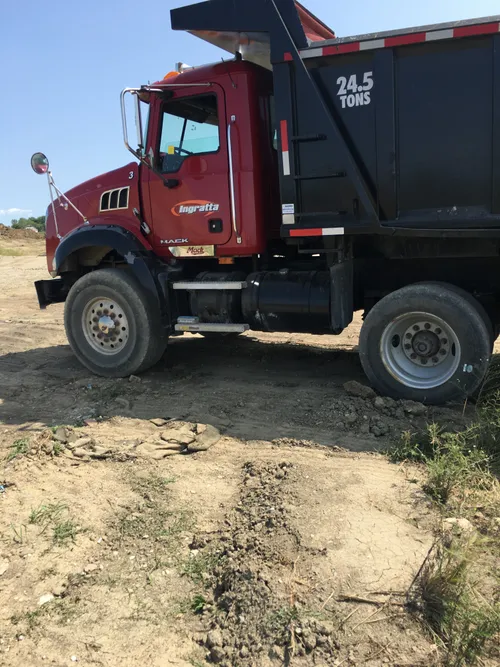
Ingratta Cement & Drainage Inc
6167 Malden Rd, Maidstone, ON N0R 1K0, Canada
Ingratta Cement & Drainage Inc is a contractor specializing in septic tank installation, cement work, excavation, and waterproofing based in Detroit, MI. They serve the Windsor-Essex County area and surrounding regions within a 100 km radius. The company offers a range of services including patterned stamped concrete, driveway and sidewalk installations, complete basement foundations, sanitary and storm sewer work, water lines, and septic tank installation. Established in 1977, Ingratta Cement & Drainage Inc brings over 47 years of experience to their projects, combining skilled workmanship with modern technology to support both residential and commercial properties.
Understanding Michigan's Regulatory Framework
All new, replacement, or modified onsite sewage disposal systems in Michigan require a permit. The regulatory authority is decentralized; permits are obtained through your local county health department, such as those in Oakland, Marquette, or Grand Traverse counties. This means rules can have slight variations, but they all enforce the minimum state standards set by the Michigan Department of Environment, Great Lakes, and Energy (EGLE).
A critical first step is contacting your local health department's Environmental Health Services division. They will provide the specific application packet and guide you through the requirements for your property.
Key Statewide Isolation Distances
Before any design work begins, your site must meet minimum isolation distances. These are non-negotiable safety buffers:
- Wells: A minimum of 50 feet must separate the septic system from any private well.
- Surface Water: At least 100 feet of separation is required from lakes, streams, rivers, or drains 1.
- Other Structures: Distances from buildings, property lines, and other features are also regulated by local code.
Failure to meet these setbacks can disqualify a site for a conventional system, potentially requiring an alternative, engineered solution.
The Step-by-Step Installation Process
1. Site Evaluation and Soil Testing
The process begins with a preliminary site assessment. A qualified evaluator, often a licensed septic installer or soil scientist, will examine your property's topography and conduct a soil evaluation (percolation test). This test determines the soil's absorption rate, which is the primary factor in sizing the drain field. The local health department must approve the site and soil evaluation before a permit is issued 2.
2. System Design and Permit Application
With a suitable site confirmed, a detailed system design is created. This plan includes the proposed location, tank size, drain field size and layout, and all components. The application submitted to the health department typically requires this design, the soil evaluation report, and a plot plan of your property 3.
3. Selecting a Licensed Installer
While Michigan allows homeowners to install their own system, it is a complex task with significant liability. Most homeowners hire a licensed septic installer. A licensed professional understands local codes, can navigate the permit process efficiently, and ensures the installation meets all inspection criteria. It is advisable to obtain multiple quotes and verify a contractor's license with your local health department.
4. Installation and Critical Inspections
Once the permit is in hand, installation can begin. Excavation, tank placement, piping, and drain field construction are carried out according to the approved plan. A crucial, mandatory step is the final inspection. You must contact the health department inspector to examine the tank and drain field before it is backfilled or covered 4 5. Failing to schedule this inspection can result in fines or orders to excavate the system for inspection.
5. Final Approval and Maintenance Planning
After passing the final inspection and the system is covered, the health department will provide a final approval or certificate of completion. The installer should provide you with "as-built" diagrams of the system's exact location. This begins the long-term maintenance phase, which includes regular pumping every 3-5 years and mindful water usage to protect your investment.
Find the perfect septic tank installation & replacement contractors for your needs
Get personalized recommendations and expert advice
Sizing Your Septic System: Tank and Drain Field
Michigan regulations base system sizing primarily on the number of bedrooms in a home, as this is a proxy for daily wastewater flow.
Septic Tank Capacity Minimums:
- The state minimum for a 1-3 bedroom home is a 1,000-gallon tank.
- Each additional bedroom typically requires an additional 250 gallons of capacity.
- The use of a garbage disposal (grinder) also requires an increase in tank size.
Local counties often have more stringent requirements. For example, common county sizing guidelines include:
- 2 or fewer bedrooms: 1,500-gallon tank with an 800 sq. ft. drain field.
- 3 bedrooms: 2,000-gallon tank with a 1,000 sq. ft. drain field.
- 4 bedrooms: 2,500-gallon tank with a 1,200 sq. ft. drain field 6.
Required Components: Modern installations in Michigan must include an approved effluent filter on the tank outlet to protect the drain field from solids, and airtight risers that extend to the ground surface for easy access during pumping and inspection 7.
Costs of Septic System Installation in Michigan
The total cost for a septic system in Michigan varies dramatically based on soil conditions, system type, and site accessibility. A conventional system for a standard home typically starts at a higher baseline, while challenging sites demand engineered solutions.
Price Ranges:
- Total Installed Cost: For complex or engineered systems, total costs often range from $15,000 to $35,000 or more.
- Cost Breakdown:
What Drives Cost Variation?
- Soil Type: Poorly draining soil (clay) requires a much larger drain field or a costly alternative system like a mound or sand filter.
- Site Topography: Steep slopes, high water tables, or limited suitable area increase engineering and construction costs.
- System Type: A basic gravity-fed system is the most economical. Pressure-dosed systems, mounds, or aerobic treatment units (ATUs) are more expensive.
- Tank Material: Concrete tanks are common; plastic or fiberglass tanks may have different price points.
- Local Permit Fees: Fees vary by county and can add several hundred dollars to the project.
When Replacement is Necessary
Understanding the signs of a failing system can prevent property damage and environmental health issues. Consider replacement if you notice:
- Sewage Backups in household drains.
- Wet, soggy areas or standing water over the drain field, even in dry weather.
- Unpleasant odors around the tank or drain field area.
- Bright green, spongy grass over the drain field.
- Failed Inspection: A routine inspection or a mandatory inspection during a property transfer identifies irreparable issues.
Replacement follows the same permit and installation process as a new installation. Often, the new system cannot be placed in the exact same location as the old one.
Types of Systems Used in Michigan
- Conventional Gravity System: The most common type if soil and site conditions permit. Wastewater flows by gravity from the tank to a series of perforated pipes in a gravel-filled trench.
- Pressure-Dosed System: Uses a pump chamber to evenly distribute effluent across the drain field. Ideal for sites with slight elevation changes or restrictive soil layers.
- Mound System: An above-ground system used when soil depth to bedrock or the water table is insufficient. A sand-filled mound is constructed, and effluent is pumped into it.
- Aerobic Treatment Unit (ATU): A mechanical system that uses oxygen to break down waste more thoroughly. Often used in environmentally sensitive areas or where lot size is very small.
- Sand Filter System: A contained bed of sand that provides advanced treatment before effluent disperses into the soil.
Your site's soil evaluation will determine which system types are allowable.
Frequently asked questions
Sources
Footnotes
-
FAQ: Septic systems - https://www.michigan.gov/egle/faqs/drinking-water/septic-systems ↩
-
MI Criteria for On-Site Wastewater Treatment - State of Michigan - https://www.michigan.gov/egle/-/media/Project/Websites/egle/Documents/Programs/DWEHD/Onsite-Wastewater-Management/CRITERIA-ONSITE-WASTEWATER-TREATMENT.pdf ↩
-
Onsite Sewage Disposal System (Septic) | Oakland County, MI - https://www.oakgov.com/community/health/public-health-services/environmental-health/onsite-sewage-disposal-system-septic ↩
-
Residential Septic System Permits - https://www.co.marquette.mi.us/departments/health_department/environmental_health/residential_on-site_wastewater_treatment_-_homes_and_camps.php ↩
-
Residential Well & Septic - District Health Department #10 - https://www.dhd10.org/environmental-health/well-septic/residential/ ↩
-
Sewage System Sizing | Washtenaw County, MI - Official Website - https://www.washtenaw.org/1722/Sewage-System-Sizing ↩
-
Minimum Requirements for Alternative On-Site Sewage Treatment ... - https://lmasdhd.org/wp-content/uploads/2025/02/MiniumumRequirements.pdf ↩
-
Engineered Septic Systems in Michigan: Costs, Maintenance, a ... - https://www.michiganseptic.com/post/engineered-septic-systems-in-michigan-costs-maintenance-a-2026-guide ↩
-
Septic Design Rockwood: Full Guide to Permits & Installation - https://www.elmid.ca/septic-design-rockwood-guide/ ↩
-
Essential Guide to Septic System Installation NH - https://swallowandsonsexcavation.com/f/essential-guide-to-septic-system-installation-nh ↩