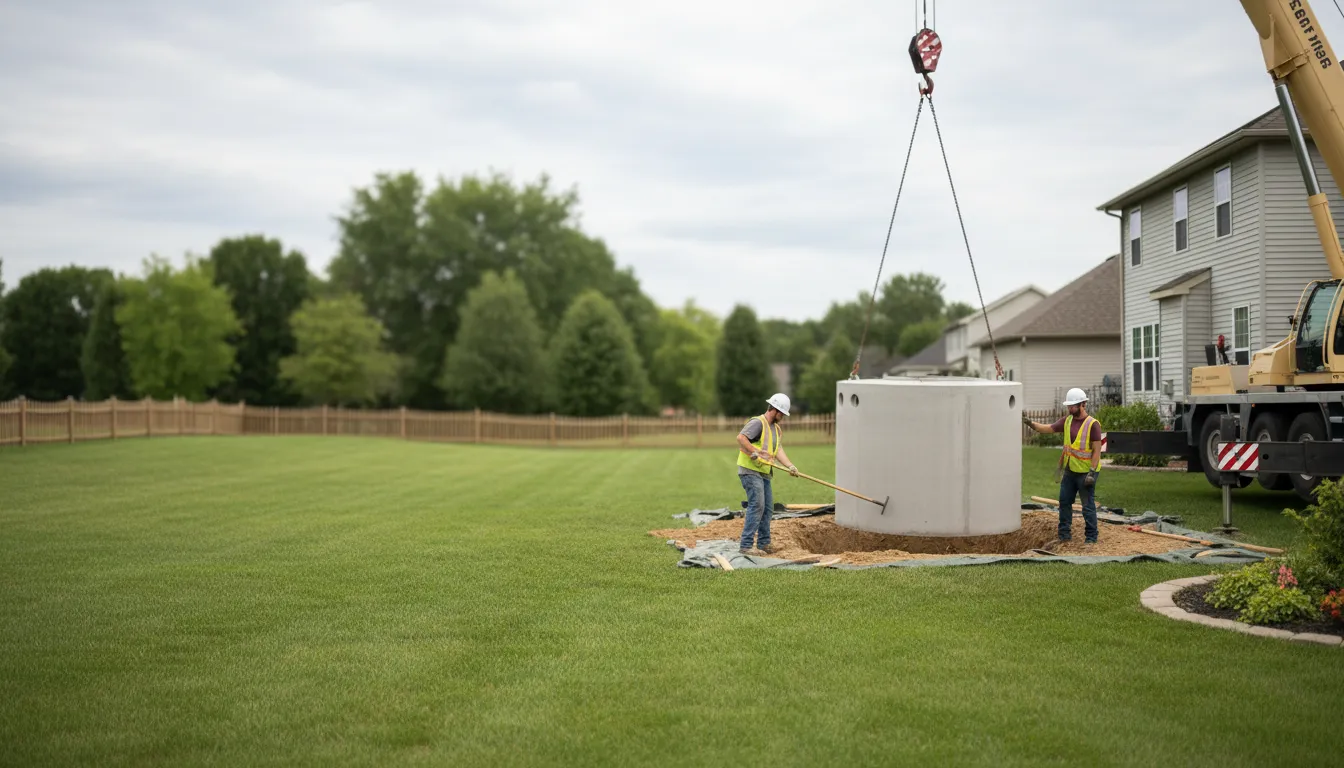
Find the Best Septic Tank Installation & Replacement Contractors for Your Business
No obligation • Fast responses • Nationwide coverage

Why you can trust Septic Spot
Septic Spot is a leading United States resource for understanding and comparing septic services. Our editors review providers using consistent criteria and verify key business details. Listings and scores are independent, and companies cannot pay to influence our content.
Search providers near you
Top Septic Tank Installation & Replacement Contractors in Dearborn, Michigan Ranked
Installing or replacing a septic system is a significant home infrastructure project that ensures the safe and effective treatment of household wastewater. For Dearborn homeowners, this process involves navigating specific local regulations, obtaining permits, and working with qualified professionals to design a system suited to your property's soil and site conditions. This guide provides a detailed overview of the steps, costs, and requirements for septic system installation and replacement in Dearborn, Wayne County, to help you understand the process and connect with local specialists.

Jack Spack Septic
7415 Carpenter Rd, Ypsilanti, MI 48197
Jack Spack Septic is a septic tank installation contractor serving Ann Arbor, MI. The company specializes in engineered septic system design and installation, providing services to residential and commercial clients in the area. Jack Spack Septic is known for its professional approach and courteous service, with a focus on helping customers understand how their septic systems function.

Schaefer Plumbing
Detroit, MI
Schaefer Plumbing is a family-owned plumbing and drain service company based in Detroit, MI. They offer a wide range of services including septic system installation, drain cleaning, pipe repair, and water heater installation and repair. Their team is trained in the latest plumbing technologies to handle various plumbing and drain issues efficiently. Schaefer Plumbing serves multiple communities around Detroit, including Lincoln Park, Dearborn, and Southfield, among others. They are known for their capability in septic system installations and provide service across a broad area in the Detroit region.
Al Pearson & Son Septic Tank Cleaning
46885 Ford Rd, Canton Township, MI 48187
Al Pearson & Son Septic Tank Cleaning is a family-owned business serving Ann Arbor, MI, and the surrounding Southeast Michigan area. They offer a full range of septic services including tank pumping, cleaning, system repairs, new installations, soil evaluations, and excavation. With over 70 years of experience since 1953, the company is licensed and certified to handle advanced septic system work for both residential and commercial clients. They emphasize clear communication and honest recommendations to ensure septic systems operate reliably. Emergency septic services are also available with often same-day pumping.
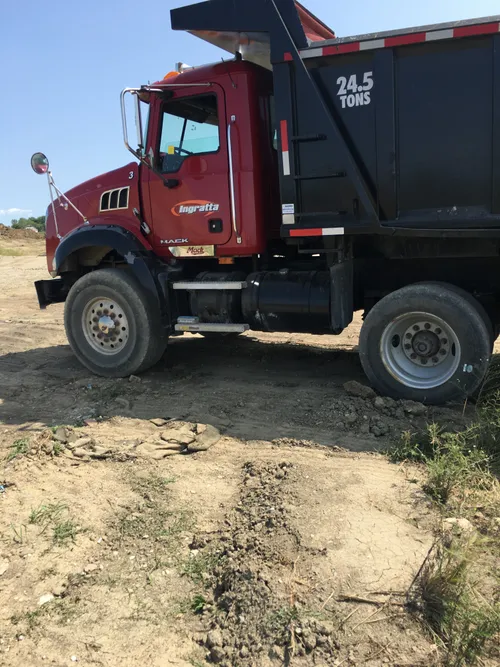
Ingratta Cement & Drainage Inc
6167 Malden Rd, Maidstone, ON N0R 1K0, Canada
Ingratta Cement & Drainage Inc is a contractor specializing in septic tank installation, cement work, excavation, and waterproofing based in Detroit, MI. They serve the Windsor-Essex County area and surrounding regions within a 100 km radius. The company offers a range of services including patterned stamped concrete, driveway and sidewalk installations, complete basement foundations, sanitary and storm sewer work, water lines, and septic tank installation. Established in 1977, Ingratta Cement & Drainage Inc brings over 47 years of experience to their projects, combining skilled workmanship with modern technology to support both residential and commercial properties.
Understanding Septic System Basics
A septic system is an on-site wastewater treatment system, typically consisting of a septic tank and a drain field (or leach field). The tank separates solids from liquids, allowing the clarified effluent to flow into the drain field, where it percolates through the soil for final treatment. In Dearborn and throughout Wayne County, these systems are regulated to protect public health and groundwater quality. Whether you're building a new home on a lot without municipal sewer access or replacing a failing system, understanding the components and local rules is the first critical step.
The Permit Process in Wayne County
A permit is required for any new installation, replacement of an existing septic tank, or tile field. In Dearborn, this permit is obtained through the Wayne County Health Department. The process begins with a site evaluation, which includes the crucial soil percolation test. You or your contractor will submit an application to the county for review. The health department sanitarian will evaluate the proposed system design, ensuring it meets all state and local codes regarding size, placement, and construction standards.
It's important to note that some Michigan jurisdictions, including many in Wayne County, have Point of Sale (POS) ordinances that require a septic system inspection upon property transfer. 1 This means if you are buying or selling a home with a septic system, an inspection by the health department may be mandated before the sale can be finalized. Always check current local requirements.
The Critical Role of Soil Percolation Tests
Before any design can be finalized, a soil percolation test (often called a "perc test") must be conducted. The purpose of this test is to determine how quickly soil absorbs water, which directly informs the size and design of the drain field. 2 3 4 A licensed contractor or evaluator will excavate test holes on your property to assess the soil composition, texture, and absorption rate.
Preparation is key for this test. You must contact MISSDIG (811) at least three business days before any digging to have all underground utilities marked.5 Additionally, you need to schedule a specific time block (often a 2-hour window) with the Wayne County Health Department so a sanitarian can be present to witness and approve the test.5 The results will dictate whether a conventional system is feasible or if a more complex engineered system is required.
Types of Septic Systems: Conventional vs. Engineered
The outcome of your perc test leads to one of two primary paths for system design:
- Conventional (Anaerobic) Systems: These are the most common and affordable type, suitable for properties with permeable, well-draining soils. They consist of a standard septic tank and a gravel-based drain field.
- Engineered or Alternative Systems: If your soil has poor percolation (e.g., high clay content), is too shallow to bedrock, or has a high water table, a conventional system won't work. In these cases, an engineered system is necessary. These systems use advanced technology like pumps, sand filters, or aerobic treatment units to pre-treat wastewater before it enters the drain field. 6
Required Inspections During Installation
The installation of a new septic system or a septic tank replacement is closely monitored by the health department through a series of mandatory inspections. A final inspection by a local sanitarian is required before the system is covered or backfilled. 7 8 9 The typical inspection stages include:
- Site Evaluation/Perc Test Inspection: The county sanitarian witnesses the soil test to verify results.
- Installation Inspection: After the tank and distribution lines are placed in the ground but before they are covered, the sanitarian inspects the materials, placement, and connections.
- Final Approval: Once the entire system is installed and the ground is ready to be backfilled, a final inspection ensures everything is constructed according to the approved design and is watertight.
Find the perfect septic tank installation & replacement contractors for your needs
Get personalized recommendations and expert advice
Understanding Costs and Budgeting
The cost of a septic system in Dearborn varies widely based on system type, property conditions, and labor. It's one of the most important factors for homeowners to consider.
- Permit Fees: Fees for repair or replacement permits in the area generally range from $100 to $200.10
- Conventional System Installation: For a standard anaerobic system, homeowners can expect costs in the range of $3,000 - $8,000.
- Engineered System Installation: These complex systems are significantly more expensive, often costing $15,000 - $35,000 or more.11
- Component and Labor Costs: The materials for a system typically range from $5,000 - $10,000, with labor constituting a major portion of the total expense.
- Site Preparation & Survey: Costs for site evaluation, perc testing, and design can add $330 - $900 to the project.12
Key Regulations: Setbacks and Placement
Local and state codes strictly govern where a septic system can be placed on your property. These setbacks are designed to prevent contamination. A primary rule is that a minimum of 50 feet is required between a septic system and a private well.13 14 15 Additional setbacks apply to property lines, buildings, water bodies, and drainage ditches. Your contractor and the Wayne County Health Department will help determine the optimal, compliant location for your tank and drain field during the site evaluation.
Choosing a Qualified Installation Contractor
Selecting the right professional is critical for a successful, code-compliant installation. Look for licensed, insured contractors with extensive experience in Wayne County. They should be familiar with the local health department's processes and inspectors. A reputable contractor will handle the permit application, schedule inspections, and ensure all work meets or exceeds code requirements. They should provide a detailed written estimate that breaks down costs for materials, labor, permits, and site work.
Maintenance Starts at Installation
A properly installed system is the foundation for long-term performance and minimal maintenance. During installation, ensure the contractor records the "as-built" diagram showing the exact location of the tank and drain field. This is invaluable for future maintenance, inspections, and landscaping. Discuss a maintenance plan with your installer, which should include regular pumping of the tank every 3-5 years and avoiding practices that can harm the system, like pouring grease down drains or parking vehicles on the drain field.
Frequently asked questions
Sources
Footnotes
-
Septic System Ordinances | Michigan Lakes and Streams ... - https://mymlsa.org/government-and-legal-issues/ordinances/septic-system-ordinances/ ↩
-
Soil Percolation Test For Septic System - https://www.lachancebrothers.com/services/septic/soil-percolation-test ↩
-
Perc Test for Septic System: A Complete Guide - https://landperc.com/perc-test-for-septic-system/ ↩
-
How to carry out a percolation test for a septic system - https://www.premiertechaqua.com/en-gb/blog/how-to-carry-out-a-percolation-test ↩
-
Perc Tests in Southeast Michigan - https://www.universalsepticservices.com/services/perc-test/ ↩ ↩2
-
Engineered Septic System Design: A Complete Guide - Land Perc - https://landperc.com/engineered-septic-system-design/ ↩
-
On-Site Sewage Systems - Health Department of Northwest Michigan - https://nwhealth.org/sewage-systems/ ↩
-
Residential Septic Tank Pricing | Homeowner's Guide to Costs - https://www.ntotank.com/blog/residential-septic-tank-pricing ↩
-
What Happens During a Septic Installation? - https://westcoastsanitationinc.com/what-happens-during-septic-installation/ ↩
-
§ 51.63 ONSITE SYSTEM PERMIT AND INSPECTION FEES. - https://codelibrary.amlegal.com/codes/dearbornco/latest/dearbornco_in/0-0-0-8437 ↩
-
Engineered Septic Systems in Michigan: Costs, Maintenance, a ... - https://www.michiganseptic.com/post/engineered-septic-systems-in-michigan-costs-maintenance-a-2026-guide ↩
-
How Much Does It Cost To Install a Septic System in Detroit, MI? - https://www.angi.com/articles/what-does-it-cost-install-septic-system/mi/detroit ↩
-
Residential Well & Septic - District Health Department #10 - https://www.dhd10.org/environmental-health/well-septic/residential/ ↩
-
Well & Septic | hchd - https://www.hchd.us/well-water-septic ↩
-
FAQ: Septic systems - https://www.michigan.gov/egle/faqs/drinking-water/septic-systems ↩