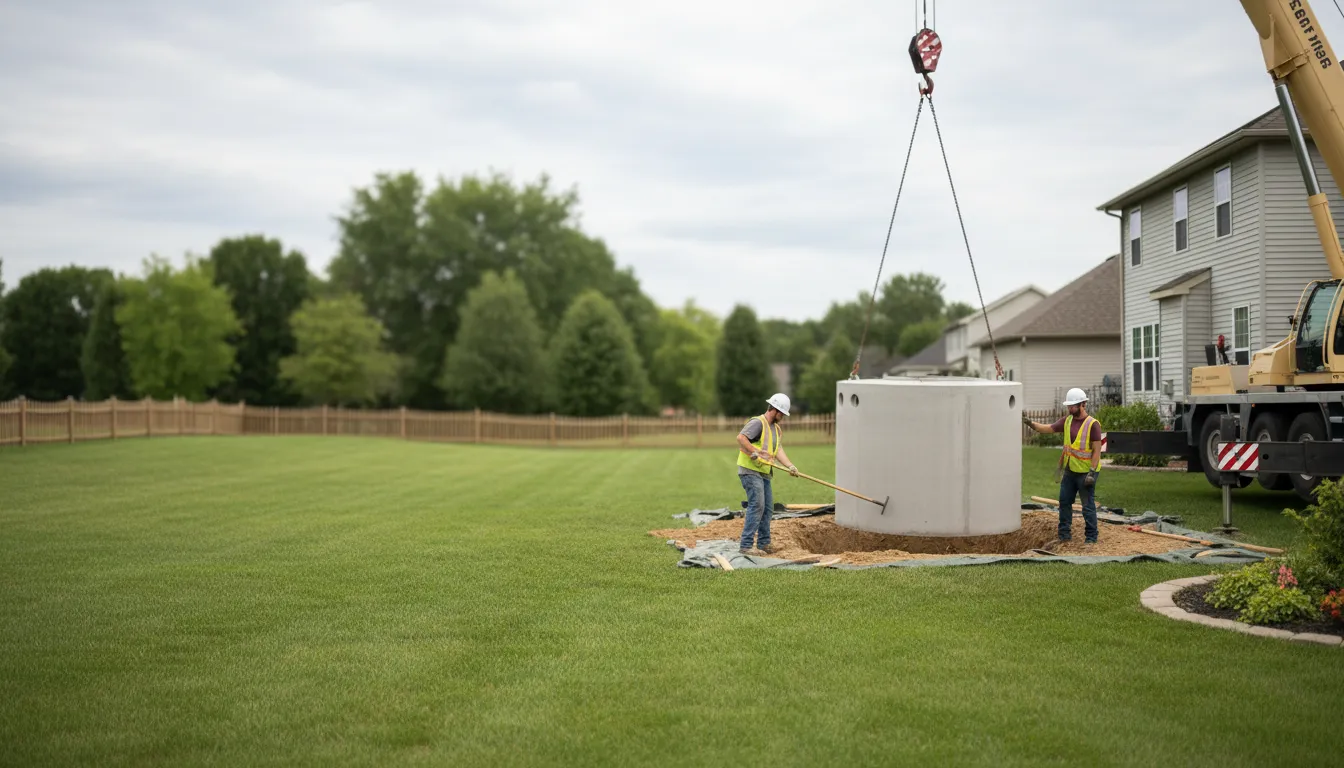
Find the Best Septic Tank Installation & Replacement Contractors for Your Business
No obligation • Fast responses • Nationwide coverage

Why you can trust Septic Spot
Septic Spot is a leading United States resource for understanding and comparing septic services. Our editors review providers using consistent criteria and verify key business details. Listings and scores are independent, and companies cannot pay to influence our content.
Search providers near you
Top Septic Tank Installation & Replacement Contractors in East Lansing, Michigan Ranked
Installing or replacing a septic system is a significant investment in your property's long-term health and functionality. A properly designed and permitted onsite wastewater treatment system protects your family, your neighbors, and the local environment, including nearby waterways. This guide provides essential information on the process, regulations, and costs for septic tank installation and replacement in East Lansing, helping you understand what to expect and how to connect with qualified local professionals.
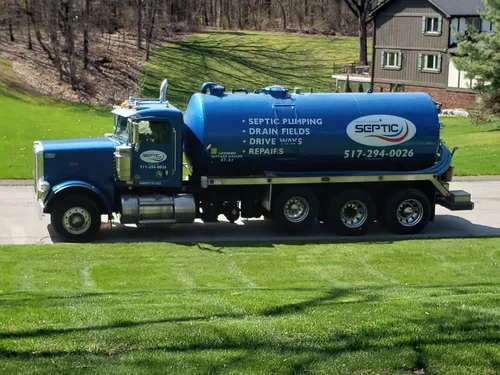
Patrick Esper Septic
Lansing, MI
Patrick Esper Septic is a septic service provider located in Lansing, MI. They offer a range of services including septic tank pumping, system repairs, and installation of septic tanks and drain fields. Their capabilities include effluent pump repair and drain field replacement, as well as engineered septic services and community system installation. The company also provides excavation, grading, and land clearing services related to septic system projects.
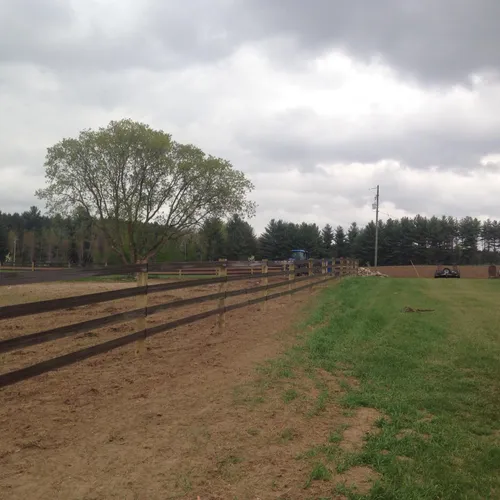
Stamper and Son Excavating
1039 County Farm Rd, Howell, MI 48843
Stamper and Son Excavating is a family-owned company based near Lansing, MI, specializing in septic tank installation and excavation services. They offer a broad range of services including land clearing, site preparation, concrete work, and demolition. The company is licensed and certified to handle septic systems, with expertise in both engineered and basic systems to help prevent future septic issues. With a fleet of equipment and a knowledgeable crew, they focus on completing projects thoroughly and leaving sites clean. Their concrete crew brings over 40 years of experience to ensure durable results.
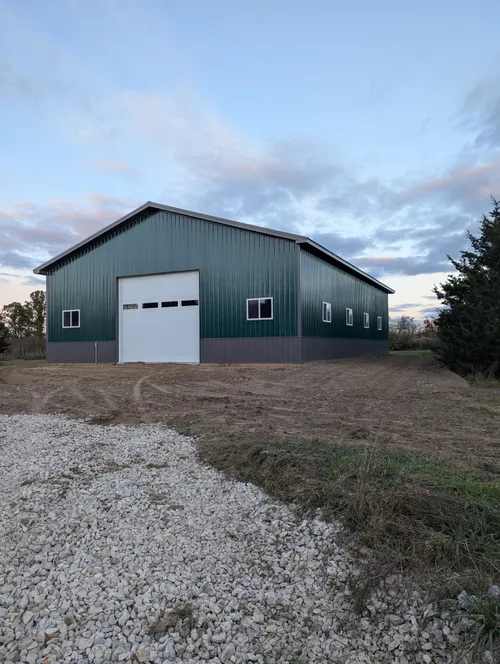
Apex Septic And Excavating, Inc
114 E Lawrence Ave Ste. 210, Charlotte, MI 48813
Apex Septic And Excavating, Inc is a septic tank pumping and installation company based in Lansing, MI. They offer a range of excavation services for both commercial and residential projects, including site preparation, grading, trenching, and land clearing. The company specializes in septic system installation and maintenance, ensuring compliance with local regulations. They also provide emergency excavation services for urgent issues like foundation failures and pipeline breaks. Apex has experience creating stable foundations for pole barns and barndominiums using precise staking and leveling techniques. Their septic pumping service uses advanced equipment to efficiently remove waste and sludge while following proper disposal guidelines.
Accuex Septic Excavating
10551 Byron Rd, Howell, MI 48855
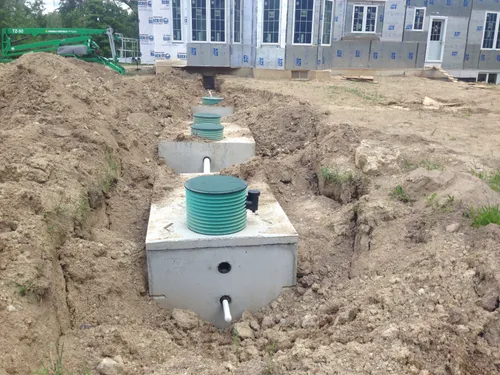
Accuex Septic Excavating is a septic tank installation contractor based in Lansing, MI. The company offers septic installation and related services, with certification in Eljen systems. With over 25 years of experience, Accuex Septic Excavating handles complex projects and keeps clients informed throughout the process.
Ball Septic Tank Service
Lansing, MI
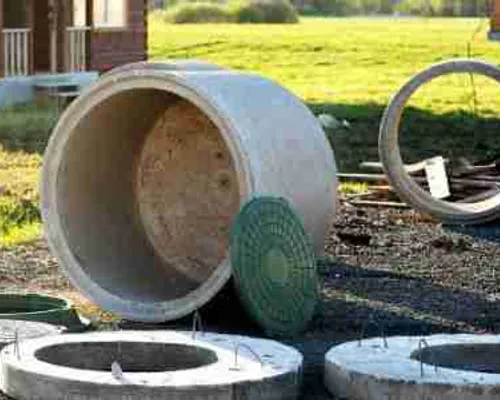
Ball Septic Tank Service provides residential and commercial septic system services in Lansing, MI, including septic tank pumping, installation, repair, and drain field replacement. Serving the Greater Lansing area and nearby communities such as Charlotte, Grand Ledge, and Mason, the company focuses on safety and clear communication. Their team offers reliable scheduling and well-equipped trucks to complete most jobs in one visit, along with maintenance guidance to help prevent future issues.
Understanding Septic System Installation in East Lansing
A septic system installation is more than just digging a hole for a tank. It's a multi-step engineering project governed by strict local and state health codes designed to ensure safe wastewater disposal. In East Lansing, this process is regulated to protect public health and groundwater quality. The type of system you need-whether a conventional gravity-fed system or a more complex engineered system-depends entirely on the results of a mandatory site evaluation. This evaluation determines the soil's ability to absorb and treat effluent, which dictates the design of the drainfield. For homeowners building a new home or replacing a failing system, navigating these requirements is the first critical step.
Local Regulations and the Permit Process
All new septic system installations, replacements, or major alterations in the East Lansing area require permits from the local health department. Depending on your precise location, this authority is either the Ingham County Health Department or the Mid-Michigan District Health Department1 2. You cannot legally begin construction without an approved permit.
The permit process typically involves several key steps:
- Application Submission: You or your contractor must submit a complete sewage disposal system application. This includes a detailed plot plan showing property lines, the proposed building location, and the location of any wells.
- Site Evaluation and Soil Testing: A mandatory soil percolation test (perc test) is conducted to measure how quickly water drains through the soil on your property. This test is often required to be witnessed or conducted by a health department sanitarian 3. The results, measured in minutes per inch, must meet local criteria (typically a rate of ≤ 45 minutes per inch) to proceed with a standard system design.
- System Design and Approval: Based on the soil test results, household size, and local codes, a system design is created. This design must be submitted and approved by the health department before a permit is issued.
Failing to secure the proper permits can result in fines, legal action, and the inability to obtain a certificate of occupancy for a new home.
The Critical Role of Soil Percolation Tests
The soil percolation test is the cornerstone of any septic system plan. Its purpose is to determine the soil's suitability for a subsurface sewage disposal system by evaluating its absorption rate. In areas with dense clay or high groundwater-common in parts of Michigan-the soil may not perc adequately for a conventional system.
If the perc test fails or shows slow absorption rates, you will likely need an alternative or engineered septic system. These systems, such as mound systems, aerobic treatment units (ATUs), or sand filters, are designed to overcome site limitations but come with significantly higher installation costs 4. The permit fee for a standard system in Ingham County is approximately $400, but this can vary, and engineered systems often involve additional review fees.
Stages of Installation and Required Inspections
Once you have your permit, the physical installation begins. The health department requires inspections at critical stages to ensure the work complies with the approved plans. These inspections are non-negotiable and protect your investment.
- Pre-Construction/Site Inspection: An inspector may visit to verify the staking and layout of the proposed system components.
- Installation Inspection: Before the septic tank and drainfield trenches are backfilled, the inspector must examine the installation. They will check the tank's placement, level, and connections, as well as the drainfield pipe layout, gravel bed, and any other components 5.
- Final Inspection: After the system is fully installed but before it is put into use, a final inspection is conducted. Approval from the inspector is required to legally begin using the system.
Find the perfect septic tank installation & replacement contractors for your needs
Get personalized recommendations and expert advice
Cost Breakdown for Septic System Installation
The cost of a new septic system in East Lansing varies widely based on soil conditions, system type, and property characteristics. It's one of the most variable home infrastructure projects. Here's a general breakdown of what you might expect:
- Permit Fees: Approximately $400 for a standard system, subject to change.
- Septic Tank Only: A standard 1,000-gallon concrete tank typically costs between $500 and $900 for the tank itself, not including delivery or installation.
- Full Conventional System Installation: For a complete system with tank and drainfield on suitable soil, total costs commonly range from $5,000 to $10,000 or more 6. This includes excavation, tank, piping, drainfield materials, labor, and inspections.
- Engineered System Installation: If your site requires a mound, aerobic, or other alternative system, costs can start between $15,000 and $25,000 and go much higher, depending on complexity 7.
These are estimates, and obtaining multiple detailed quotes from licensed installers is crucial. The quote should itemize all costs, including permits, design, materials, labor, and equipment.
Choosing a System: Conventional vs. Alternative
The choice between a conventional gravity system and an alternative system is made for you by your property's soil and site conditions.
- Conventional Gravity Systems: These are the most common and affordable option when soil conditions are favorable. They rely on gravity to move effluent from the tank to a network of perforated pipes in a drainfield (or leach field).
- Alternative/Engineered Systems: These are required when the soil has a high water table, is too shallow to bedrock, or fails the perc test. A mound system elevates the drainfield above the natural soil. An Aerobic Treatment Unit (ATU) uses oxygen to break down waste more thoroughly, producing a higher-quality effluent that can be discharged into more challenging soils. These systems require more maintenance and have higher operational costs 8.
Replacing a Failing Septic System
Replacement follows the same rigorous permit and inspection process as a new installation. Signs of a failing system include sewage backups, soggy ground or lush grass over the drainfield, and foul odors. If you suspect failure, contact the health department and a licensed installer immediately. The replacement system may need to be installed in a new location on your property if the original drainfield area is compromised.
Maintenance Starts at Installation
Proper installation sets the stage for a long system life. Ensure your installer provides you with an "as-built" diagram showing the exact location of the tank and drainfield. This is vital for future maintenance, like septic tank pumping, and for avoiding damage during landscaping or construction. Understanding your system's design helps you protect it from the first day.
Frequently asked questions
Sources
Footnotes
-
Environmental Health Regulations - https://www.mmdhd.org/sites/default/files/agency/eh/Documents/EH%20reg%20booklet.pdf ↩
-
Well & Septic - Mid-Michigan District Health Department - https://www.mmdhd.org/environmental-services/septic/ ↩
-
Michigan Criteria for Subsurface Sewage Disposal - https://www.michigan.gov/-/media/Project/Websites/egle/Documents/Programs/DWEHD/Onsite-Wastewater-Management/Michigan-Criteria-Subsurface-Sewage-Disposal.pdf ↩
-
Septic System Ordinances | Michigan Lakes and Streams ... - https://mymlsa.org/government-and-legal-issues/ordinances/septic-system-ordinances/ ↩
-
Septic System Installation Checklist - https://www.mecindustries.com/morse-engineering-and-construction-industries/septic-system-installation-checklist ↩
-
Residential Septic Tank Pricing | Homeowner's Guide to Costs - https://www.ntotank.com/blog/residential-septic-tank-pricing ↩
-
Engineered Septic Systems in Michigan: Costs, Maintenance ... - https://www.michiganseptic.com/post/engineered-septic-systems-in-michigan-costs-maintenance-a-2026-guide ↩
-
Well & Septic | hchd - https://www.hchd.us/well-water-septic ↩