Find the Best Septic Tank Installation & Replacement Contractors for Your Business
No obligation • Fast responses • Nationwide coverage

Why you can trust Septic Spot
Septic Spot is a leading United States resource for understanding and comparing septic services. Our editors review providers using consistent criteria and verify key business details. Listings and scores are independent, and companies cannot pay to influence our content.
Search providers near you
Top Septic Tank Installation & Replacement Contractors in Farmington Hills, Michigan Ranked
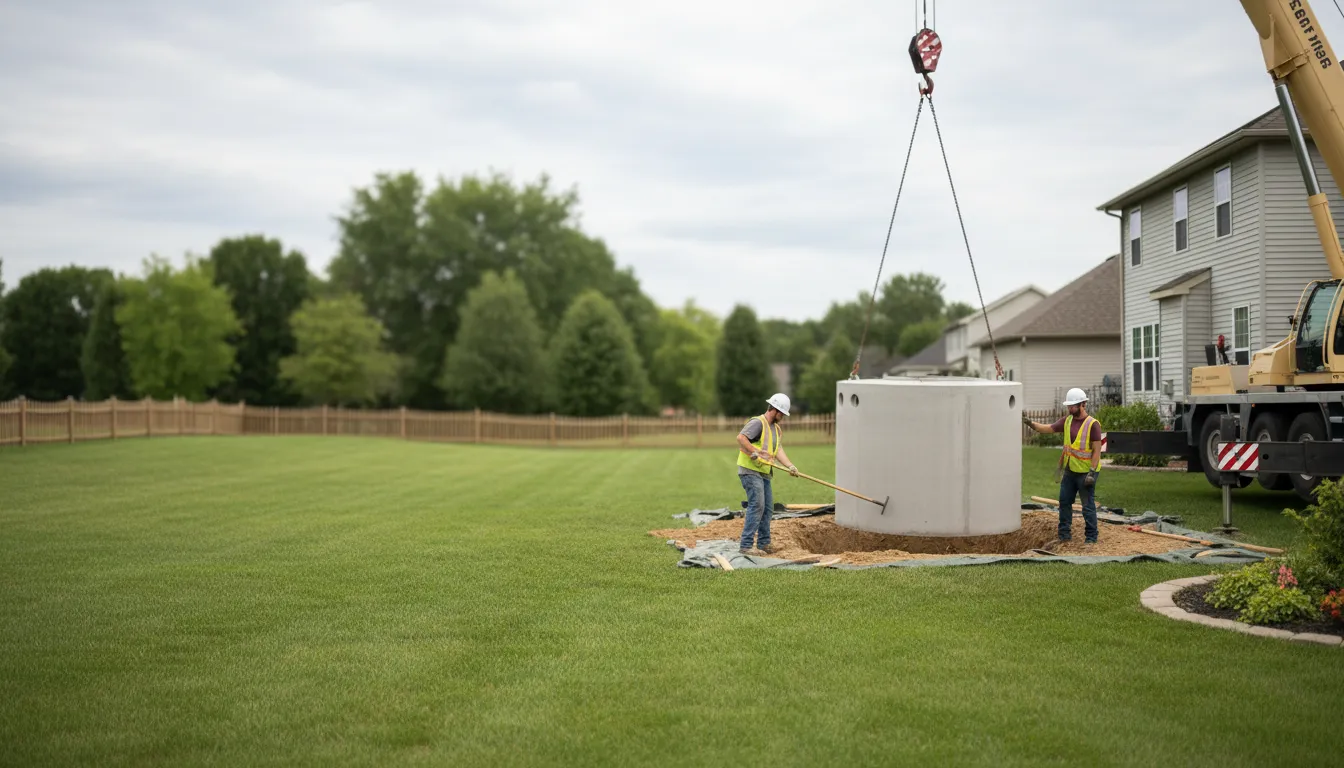
Installing or replacing a septic system is a significant home improvement project that ensures the safe and efficient treatment of household wastewater. For homeowners in Farmington Hills, navigating the local regulations and technical requirements is crucial for a successful installation. This guide provides a detailed overview of the process, costs, and key considerations for septic system work in the area, helping you understand what to expect and how to connect with qualified local professionals.

Jack Spack Septic
7415 Carpenter Rd, Ypsilanti, MI 48197
Jack Spack Septic is a septic tank installation contractor serving Ann Arbor, MI. The company specializes in engineered septic system design and installation, providing services to residential and commercial clients in the area. Jack Spack Septic is known for its professional approach and courteous service, with a focus on helping customers understand how their septic systems function.
Patrick Esper Septic
Lansing, MI
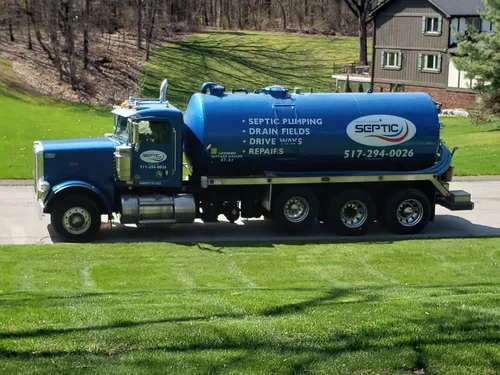
Patrick Esper Septic is a septic service provider located in Lansing, MI. They offer a range of services including septic tank pumping, system repairs, and installation of septic tanks and drain fields. Their capabilities include effluent pump repair and drain field replacement, as well as engineered septic services and community system installation. The company also provides excavation, grading, and land clearing services related to septic system projects.
Howell Sanitary Co
5205 Pinckney Rd, Howell, MI 48843
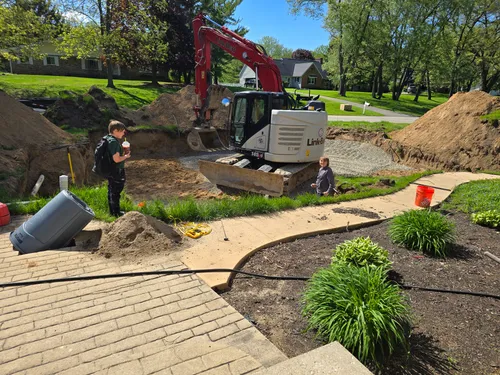
Howell Sanitary Co provides a range of septic system services in Lansing, MI. Their offerings include septic tank pumping, inspections, repairs, and new installations, as well as septic field repairs and replacements. They also handle septic tank riser installation, effluent filter cleaning, and various types of septic fields such as conventional, elevated, and trench systems. Additional services include excavating, driveway grading, and land clearing.

Schaefer Plumbing
Detroit, MI
Schaefer Plumbing is a family-owned plumbing and drain service company based in Detroit, MI. They offer a wide range of services including septic system installation, drain cleaning, pipe repair, and water heater installation and repair. Their team is trained in the latest plumbing technologies to handle various plumbing and drain issues efficiently. Schaefer Plumbing serves multiple communities around Detroit, including Lincoln Park, Dearborn, and Southfield, among others. They are known for their capability in septic system installations and provide service across a broad area in the Detroit region.
Howell Sanitary Co. II
Lansing, MI
Howell Sanitary Co. II provides a range of septic system services in Lansing, MI. Their offerings include septic tank pumping, inspections, repairs, and new installations. They also handle septic field repairs and replacements, with expertise in various field types such as conventional, elevated, dry wells, bed, and trench systems. Additional capabilities include septic tank riser installation, effluent filter cleaning, excavating, driveway grading, and land clearing.
Understanding Septic Systems in Southeast Michigan
A septic system, or onsite wastewater treatment system, is a self-contained underground structure that treats sewage from homes not connected to a municipal sewer line. In Farmington Hills and across Oakland County, these systems are common in older neighborhoods and properties with larger lots. The typical system consists of a septic tank, which separates solids from liquids, and a drain field (or leach field), where the treated liquid effluent is dispersed into the soil for final purification.
Given Michigan's varied geology and climate, system design is not one-size-fits-all. Soil composition, lot size, groundwater levels, and local health codes all play a critical role. A properly installed and maintained system protects public health, prevents groundwater contamination, and preserves property value. Understanding the local requirements is the first step in any septic tank installation or septic system replacement project.
The Permit Process: Oakland County and City Requirements
Before any digging begins, securing the proper permits is mandatory. In Farmington Hills, this involves two primary authorities: the Oakland County Health Division and the City of Farmington Hills Building Department.
Oakland County Health Division Permit The county requires a Sewage Disposal System Permit for any new installation or major replacement. The Environmental Health staff reviews your site plans and proposed system design to ensure it meets state and county codes. This permit is non-negotiable and must be obtained before the city will issue its related permits.
City of Farmington Hills Building Permit The city mandates a building permit for "new sewer service or major repairs" 1. For complex projects, the city may require a pre-application meeting to review your plans before you formally submit. It's wise to coordinate with your installer, as they often handle or guide this process. The city's approval is contingent on the county's permit.
Failure to obtain these permits can result in fines, orders to cease work, and difficulties when you eventually sell your home. Always verify that your contractor is familiar with these dual requirements.
Critical First Step: The Soil Percolation Test
The feasibility and design of your septic system hinge entirely on the results of a soil evaluation, commonly called a perc test (percolation test). This test measures how quickly water drains through the soil on your property, determining the size and type of drain field needed.
A certified professional will dig a series of holes, typically 6 to 12 inches deep (or deeper if necessary), saturate them, and then measure the drop in water level over a set period 2. The results, recorded in minutes per inch, dictate the soil's absorption rate.
- Favorable Results: Good drainage may allow for a conventional gravity-fed system.
- Poor Results: Slow-draining soils, like the heavy clay common in parts of Michigan, or a high water table will require an engineered system.
Perc tests typically cost between $150 and $1,000, depending on whether it's a manual test or requires an excavator. This is a vital investment, as it prevents the costly mistake of installing an inappropriate system that will fail.
System Types: From Conventional to Engineered Solutions
The soil perc test will determine which type of septic system installation is suitable for your Farmington Hills property.
Conventional Gravity System This is the most common and least expensive type when site conditions allow. It relies on gravity to move effluent from the tank to a network of perforated pipes in a trench or bed system. It requires suitable soil depth and permeability.
Engineered Systems (Pressure-Dosed Mound, etc.) If your soil fails a standard perc test or has a high water table, an engineered system will be necessary. The most common type in Michigan is the mound system. Here, a sand mound is constructed above the natural grade, and effluent is pumped into it for treatment. Other engineered options include sand filters or aerobic treatment units (ATUs). These systems are more complex and require more maintenance but are designed to work in challenging conditions.
Find the perfect septic tank installation & replacement contractors for your needs
Get personalized recommendations and expert advice
The Installation Timeline and Inspection Phases
A full septic system replacement or new installation follows a structured timeline with mandatory inspections. Rushing or skipping steps can lead to system failure.
- Site Evaluation & Design: A contractor assesses your property, reviews the perc test, and designs a system that meets code.
- Permit Submission & Approval: The design plans are submitted to Oakland County and the City of Farmington Hills for permits.
- Excavation & Installation: The contractor excavates for the tank and drain field, places the tank, and constructs the distribution system.
- Open Trench / Pre-Backfill Inspection: This is a critical milestone. Before the system is covered, an inspector from the Oakland County Health Division must visit the site to verify:
- Final Approval & Backfill: Once the inspector approves the installation, the contractor can backfill the trenches. The county then issues a final approval for the system to be placed into service.
Cost Breakdown for Septic Work in Farmington Hills
Costs for septic tank installation can vary widely based on system type, soil conditions, and property specifics. Here is a general range for the Farmington Hills area:
- Permits: $150 - $500
- Soil Percolation Test: $150 - $1,000 5
- Standard Conventional System Installation: $5,000 - $15,000+
- Engineered System (e.g., Mound): $15,000 - $35,000+ 6
These figures are estimates. The only way to get an accurate price is to have a licensed installer evaluate your specific property and provide a detailed quote that includes all permits, materials, labor, and inspections.
Can You Install Your Own Septic System in Michigan?
Michigan law allows homeowners to install their own septic systems, a practice known as an "owner-builder" installation 7. However, this is a major undertaking with significant responsibility. You must still:
- Obtain all the same county and city permits.
- Submit engineered plans if required.
- Schedule and pass all mandatory inspections.
- Perform the work to exact code specifications.
Given the complexity, potential health risks, and heavy equipment involved, most homeowners hire a licensed and insured septic contractor. A professional ensures the job is done correctly, provides warranties on labor and materials, and manages the entire permit and inspection process.
Choosing a Qualified Septic Contractor
Selecting the right professional is the most important decision you'll make. Look for a contractor who:
- Is licensed by the State of Michigan and insured.
- Has extensive experience with installations in Oakland County and Farmington Hills specifically.
- Can provide references from recent local projects.
- Is willing to pull all necessary permits and guide you through the process.
- Offers a clear, detailed written contract outlining costs, timelines, and responsibilities.
- Understands the requirements for both conventional and engineered systems.
Don't base your decision on price alone. The lowest bid may omit critical steps or use substandard materials, leading to costly failures down the road.
Maintenance Starts at Installation
A well-installed system is the foundation for long-term performance. Discuss maintenance requirements with your installer from the start. For conventional systems, this typically means pumping the tank every 3-5 years. Engineered systems, especially those with pumps or electrical components, often require more frequent servicing and inspections as mandated by the permit 8. Your installer can recommend a maintenance schedule and may even offer service plans.
Frequently asked questions
Sources
Footnotes
-
When is a Permit is Required - City of Farmington Hills, MI - https://www.fhgov.com/department-and-services/planning-and-community-development/building/when-is-a-permit-is-required/ ↩
-
Blog | Michigan Septic - https://www.michiganseptic.com/blog ↩
-
Septic System Install Timeline | RCI Septic Service - https://www.rciseptic.com/complete-step-by-step-timeline-septic-system-installation-from-permit-to-finish ↩
-
Perc Tests in Southeast Michigan - https://www.universalsepticservices.com/services/perc-test/ ↩
-
Understanding Septic Tank Permits and Regulations - https://westcoastsanitationinc.com/understanding-septic-tank-permits-and-regulations/ ↩
-
Engineered Septic Systems in Michigan: Costs, Maintenance, a ... - https://www.michiganseptic.com/post/engineered-septic-systems-in-michigan-costs-maintenance-a-2026-guide ↩
-
Residential Well & Septic - District Health Department #10 - https://www.dhd10.org/environmental-health/well-septic/residential/ ↩
-
Well & Septic - Mid-Michigan District Health Department - https://www.mmdhd.org/environmental-services/septic/ ↩