Find the Best Septic Tank Installation & Replacement Contractors for Your Business
No obligation • Fast responses • Nationwide coverage

Why you can trust Septic Spot
Septic Spot is a leading United States resource for understanding and comparing septic services. Our editors review providers using consistent criteria and verify key business details. Listings and scores are independent, and companies cannot pay to influence our content.
Search providers near you
Top Septic Tank Installation & Replacement Contractors in Flint, Michigan Ranked
Installing or replacing a septic system is a significant home improvement project that ensures the safe and effective treatment of household wastewater. For Flint and Genesee County homeowners, this process is governed by specific local health codes and requires careful planning, permitting, and professional execution. This guide explains the key steps, regulations, and considerations for septic system work in the area, helping you understand what to expect and how to connect with qualified local professionals for your installation or replacement needs.
Accuex Septic Excavating
10551 Byron Rd, Howell, MI 48855
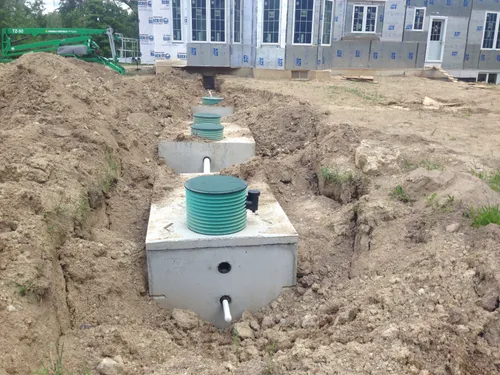
Accuex Septic Excavating is a septic tank installation contractor based in Lansing, MI. The company offers septic installation and related services, with certification in Eljen systems. With over 25 years of experience, Accuex Septic Excavating handles complex projects and keeps clients informed throughout the process.
Bowman Excavating Inc
920 W Marr Rd, Howell, MI 48855
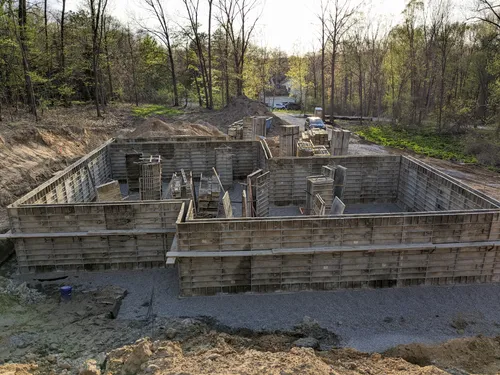
Bowman Excavating Inc is a family-owned excavation and septic system company serving Lansing, MI, and surrounding counties. With over 45 years of experience, they specialize in septic system installation and repair, including certified Advantex septic systems, engineered drain fields, and pressure systems. Their expertise extends to full-service excavation work such as basement excavation, grading, land clearing, and site development. Bowman Excavating applies detailed knowledge of soil structure and environmental codes to ensure precise and compliant septic solutions.
Howell Sanitary Co. II
Lansing, MI
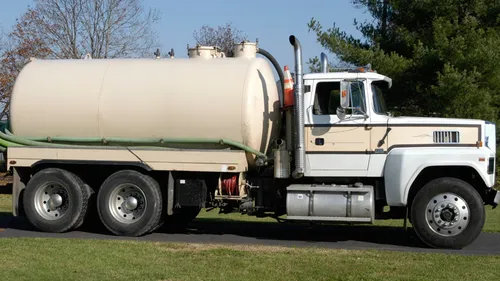
Howell Sanitary Co. II provides a range of septic system services in Lansing, MI. Their offerings include septic tank pumping, inspections, repairs, and new installations. They also handle septic field repairs and replacements, with expertise in various field types such as conventional, elevated, dry wells, bed, and trench systems. Additional capabilities include septic tank riser installation, effluent filter cleaning, excavating, driveway grading, and land clearing.
Understanding Local Septic System Regulations
In Genesee County, all new septic system installations and septic tank replacements require a permit from the Genesee County Health Department (GCHD). This is a critical first step; beginning any excavation or installation work without the proper permit can result in fines and legal complications. The permit process ensures that the proposed on-site sewage disposal system is designed appropriately for your specific property conditions and meets all state and local public health standards. Notably, as of recent updates, a formal permit is now explicitly required even for the replacement of an existing failing system, whereas in the past repairs might have been handled differently 1.
The governing philosophy is to protect groundwater quality-a vital concern in Michigan. A malfunctioning or improperly installed wastewater treatment system can contaminate wells, streams, and lakes with harmful bacteria and nutrients. The permit and inspection process administered by the GCHD is your assurance that the system will function correctly and protect both your family's health and the local environment.
The Permit Process: From Application to Approval
Navigating the permit process is the foundational phase of any septic system project. Here is a typical step-by-step breakdown:
- Initial Application: The process begins by submitting a "Sewage Disposal System Application" to the Genesee County Health Department 2 3. This application will require details about your property and the proposed work. The current permit fee for a replacement system is approximately $100 or more, though fees can vary and should be confirmed with the county 2.
- Site Evaluation and Soil Testing: This is the most crucial technical step. A county sanitarian (health department inspector) will visit your property to conduct a site evaluation. This assessment examines soil type, depth to bedrock, slope, and the seasonal high groundwater table. A key component is the soil percolation test, or "perc test." This test measures how quickly water drains through the soil in a designated area, determining the soil's absorptive capacity 4 5. The results of the site evaluation and perc test dictate the size and type of system your property can support-whether it's a conventional trench system, a deep trench system, or a more complex engineered system.
- System Design: Based on the evaluation, a system must be designed. For standard conventional systems, a licensed installer often handles this. For challenging sites with poor soil or high water tables, a professional engineer may need to design an engineered septic system, which includes specific components like pumps, sand filters, or advanced treatment units to ensure proper effluent treatment before it reaches the soil 6.
- Permit Issuance: Once the application is complete, the site is evaluated, and the design is approved, the GCHD will issue the construction permit. This permit gives you and your licensed contractor the green light to begin installation.
The Installation and Replacement Procedure
With permit in hand, the physical work can begin. Hiring a licensed, experienced septic contractor is non-negotiable for this phase. A professional will manage the complex logistics and ensure all work meets code.
- Pre-Construction: Always call MISS DIG at 811 before any digging commences. This free service marks the location of underground utilities to prevent dangerous and costly strikes 7.
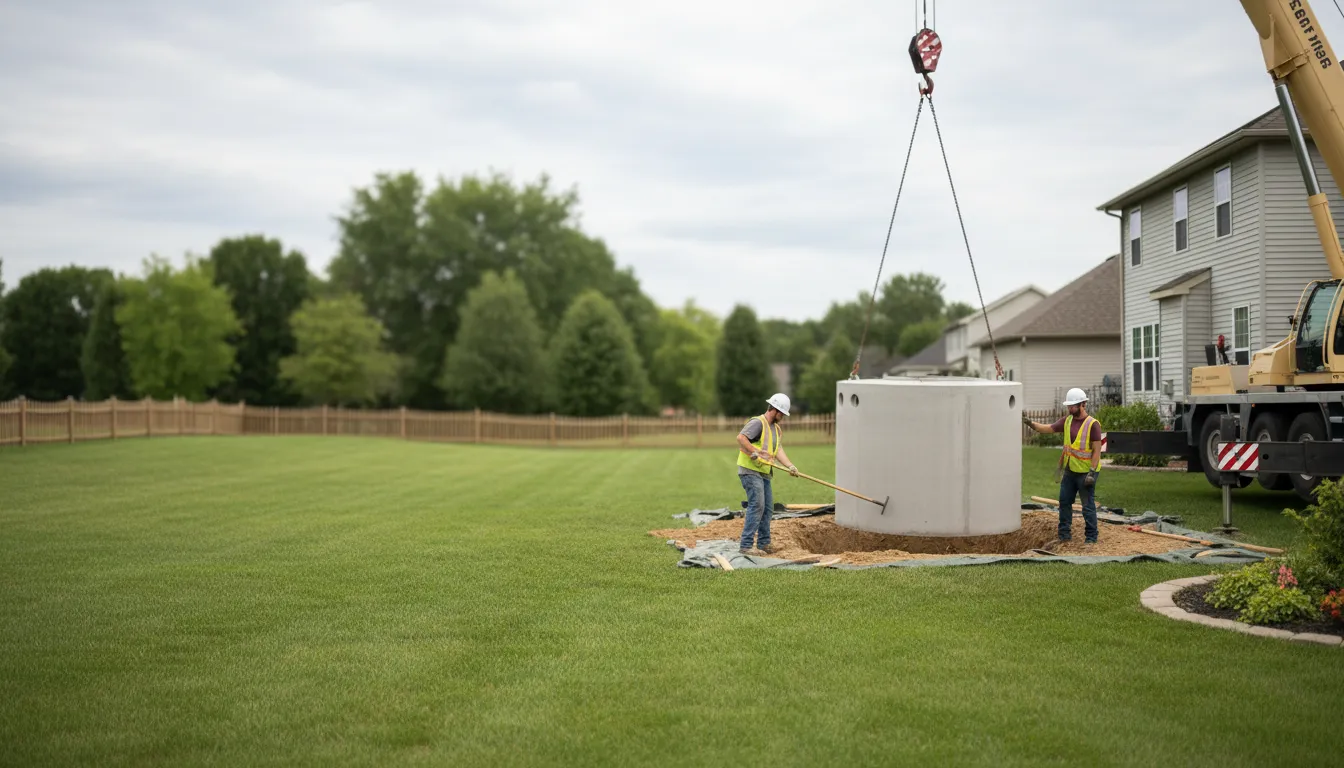
- Excavation and Installation: For a new installation, the contractor will excavate the area for the septic tank and the drain field (soil absorption field). The tank, typically made of concrete, fiberglass, or polyethylene, is set in place. For a septic tank replacement, the old tank is carefully pumped out, then excavated and removed. The new tank is set in the prepared hole. Piping from the house to the tank and from the tank to the distribution box and drain field is installed.
- Critical Inspection: Before the tank and drain field trenches are backfilled with soil, a final inspection by the county sanitarian is mandatory 8. Contractors typically must provide a 24-hour notice to the health department to schedule this inspection. The sanitarian will verify the tank's placement, the integrity of the pipes, the proper installation of the drain field, and overall adherence to the approved design. Do not backfill before this inspection.
- Final Steps: After passing inspection, the system can be backfilled. The contractor will grade the land and often seed it with grass to prevent erosion. The system is then ready for use.
Find the perfect septic tank installation & replacement contractors for your needs
Get personalized recommendations and expert advice
Key Considerations for Flint Homeowners
System Types and Costs
The cost of a septic system installation or septic tank replacement in Genesee County varies widely, generally ranging from several thousand dollars for a simple conventional system to $15,000, $25,000, or more for an engineered system on a difficult site 9 10. The final price depends on:
- System Type: Conventional gravity-fed systems are the most economical. Engineered systems (mound, at-grade, sand filter) are significantly more expensive due to added materials, pumps, and engineering fees.
- Site Conditions: Easy access, good soil, and a gentle slope reduce costs. Rocky soil, high water tables, steep slopes, or limited space increase complexity and cost.
- Tank Material: Concrete tanks are common and durable. Fiberglass and plastic tanks are lighter and may be easier to install in some situations.
- Labor and Excavation: The scale of excavation work is a major cost factor.
Property and Environmental Factors
- Well Separation: Michigan law requires a minimum horizontal distance of 50 feet between a septic system and a private water well to minimize contamination risk. This is strictly enforced during the site evaluation.
- System Lifespan: A well-maintained conventional septic system can last 25 to 40 years. Replacing a system is a major investment, so proper daily care and regular pumping are essential to maximize its life.
- Replacement Triggers: Common reasons for needing a septic tank replacement or full system replacement include persistent drain field failure (resulting in surfacing sewage or soggy yards), a cracked or collapsed tank, or changes in household water usage that exceed the original system's design capacity.
Working with Professionals
Your choice of contractor is paramount. Look for a septic service provider licensed by the State of Michigan and with extensive experience in Genesee County. They should be familiar with the local health department staff and procedures. A reputable contractor will handle the permit paperwork, coordinate the site evaluation and perc test, and ensure all inspections are scheduled and passed. They should provide a detailed written contract outlining the scope of work, system specifications, timeline, and total cost.
Maintenance After Installation
A new or replaced system is a long-term asset that requires care. After installation, establish a maintenance routine:
- Pump Regularly: Have the septic tank pumped by a licensed hauler every 3-5 years, depending on household size and usage.
- Conserve Water: Spread out laundry loads and fix leaky fixtures to avoid overloading the drain field.
- Mind What You Flush: Only human waste and toilet paper should go down the drain. Avoid chemicals, grease, wipes, and other non-biodegradables.
- Protect the Drain Field: Never drive or park vehicles over it, and avoid planting trees with deep roots nearby.
By understanding the regulated process, investing in quality professional installation, and committing to simple maintenance, Flint homeowners can ensure their on-site wastewater system provides reliable, safe service for decades.
Frequently asked questions
Sources
Footnotes
-
Replacement Evaluation and Permit for Existing On-Site Sewage ... - https://www.geneseecountymi.gov/departments/health_department/services/environmental_health/replacement_evaluation_and_permit_for_existing_on-site_sewage_system.php ↩
-
On-Site Sewage (septic) - Licensing, Disposal, Perc Tests - https://www.geneseecountymi.gov/departments/health_department/eh/septic.php ↩ ↩2
-
Sewage Systems | CMDHD - https://www.cmdhd.org/septicsystems ↩
-
Perc Tests in Southeast Michigan - Universal Septic Services - https://www.universalsepticservices.com/services/perc-test/ ↩
-
Perc Test for Septic System: A Complete Guide - https://landperc.com/perc-test-for-septic-system/ ↩
-
Septic Design Mount Forest | Expert Guide by Elmid Design Inc - https://www.elmid.ca/septic-design-mount-forest/ ↩
-
FAQ: Septic systems - https://www.michigan.gov/egle/faqs/drinking-water/septic-systems ↩
-
Residential Well & Septic - https://www.dhd10.org/environmental-health/well-septic/residential/ ↩
-
Engineered Septic Systems in Michigan: Costs, Maintenance ... - https://www.michiganseptic.com/post/engineered-septic-systems-in-michigan-costs-maintenance-a-2026-guide ↩
-
Septic System Install Timeline | RCI Septic Service - https://www.rciseptic.com/complete-step-by-step-timeline-septic-system-installation-from-permit-to-finish ↩