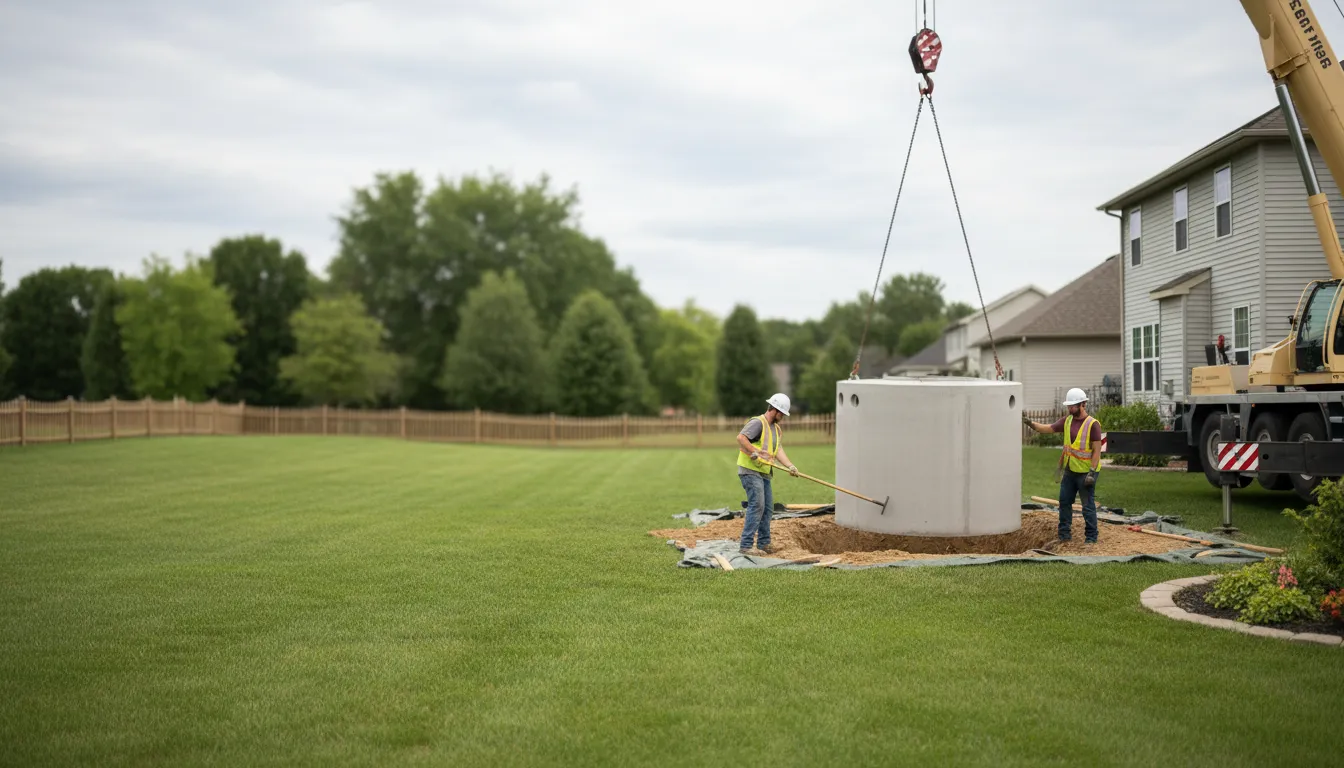
Find the Best Septic Tank Installation & Replacement Contractors for Your Business
No obligation • Fast responses • Nationwide coverage

Why you can trust Septic Spot
Septic Spot is a leading United States resource for understanding and comparing septic services. Our editors review providers using consistent criteria and verify key business details. Listings and scores are independent, and companies cannot pay to influence our content.
Search providers near you
Top Septic Tank Installation & Replacement Contractors in Redford, Michigan Ranked
Installing or replacing a septic system is a significant home infrastructure project that ensures the safe and efficient treatment of household wastewater. For Redford homeowners, this process is governed by specific state and county regulations to protect public health and the local environment. This guide explains the key steps, costs, and local requirements for septic system work, helping you understand what to expect and how to connect with qualified professionals in your area.

Jack Spack Septic
7415 Carpenter Rd, Ypsilanti, MI 48197
Jack Spack Septic is a septic tank installation contractor serving Ann Arbor, MI. The company specializes in engineered septic system design and installation, providing services to residential and commercial clients in the area. Jack Spack Septic is known for its professional approach and courteous service, with a focus on helping customers understand how their septic systems function.

Schaefer Plumbing
Detroit, MI
Schaefer Plumbing is a family-owned plumbing and drain service company based in Detroit, MI. They offer a wide range of services including septic system installation, drain cleaning, pipe repair, and water heater installation and repair. Their team is trained in the latest plumbing technologies to handle various plumbing and drain issues efficiently. Schaefer Plumbing serves multiple communities around Detroit, including Lincoln Park, Dearborn, and Southfield, among others. They are known for their capability in septic system installations and provide service across a broad area in the Detroit region.
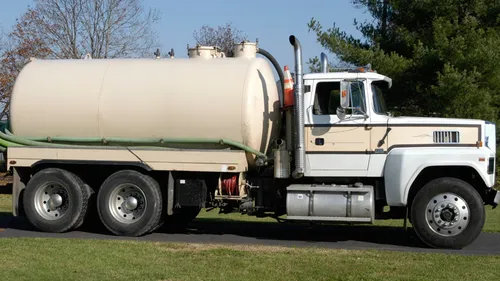
Howell Sanitary Co. II
Lansing, MI
Howell Sanitary Co. II provides a range of septic system services in Lansing, MI. Their offerings include septic tank pumping, inspections, repairs, and new installations. They also handle septic field repairs and replacements, with expertise in various field types such as conventional, elevated, dry wells, bed, and trench systems. Additional capabilities include septic tank riser installation, effluent filter cleaning, excavating, driveway grading, and land clearing.
Al Pearson & Son Septic Tank Cleaning
46885 Ford Rd, Canton Township, MI 48187
Al Pearson & Son Septic Tank Cleaning is a family-owned business serving Ann Arbor, MI, and the surrounding Southeast Michigan area. They offer a full range of septic services including tank pumping, cleaning, system repairs, new installations, soil evaluations, and excavation. With over 70 years of experience since 1953, the company is licensed and certified to handle advanced septic system work for both residential and commercial clients. They emphasize clear communication and honest recommendations to ensure septic systems operate reliably. Emergency septic services are also available with often same-day pumping.
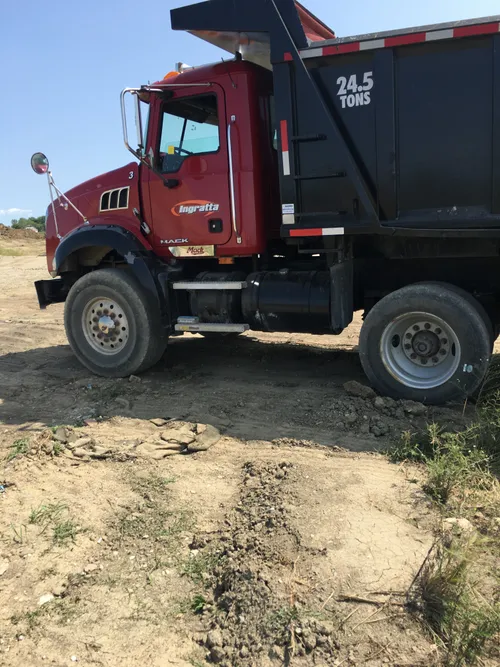
Ingratta Cement & Drainage Inc
6167 Malden Rd, Maidstone, ON N0R 1K0, Canada
Ingratta Cement & Drainage Inc is a contractor specializing in septic tank installation, cement work, excavation, and waterproofing based in Detroit, MI. They serve the Windsor-Essex County area and surrounding regions within a 100 km radius. The company offers a range of services including patterned stamped concrete, driveway and sidewalk installations, complete basement foundations, sanitary and storm sewer work, water lines, and septic tank installation. Established in 1977, Ingratta Cement & Drainage Inc brings over 47 years of experience to their projects, combining skilled workmanship with modern technology to support both residential and commercial properties.
Understanding the Permit Process in Wayne County
Before any digging begins, securing the proper permit is the first and most critical step. In Redford, which is part of Wayne County, septic system installation or replacement requires a permit from the Wayne County Health Department 1. This permit is a legal necessity for new construction, system failures, or major expansions and must be obtained prior to any building permits 1. The permitting process ensures your planned system complies with Michigan's Environmental Health (EH) rules, which are designed to prevent groundwater contamination.
The application triggers a site evaluation conducted by a county sanitarian. This official will visit your property to assess conditions and determine the suitability of the soil for a wastewater absorption field, also known as a drain field or leach field. They check for critical factors like the depth to the water table and the presence of impermeable layers of soil or rock. This evaluation is foundational, as the soil's properties directly dictate the type and size of system your property can support.
The Crucial Role of Soil & Percolation Tests
A central part of the site evaluation is the soil percolation test, commonly called a "perc test." This test is not just a formality; it's a scientific measurement of how quickly water drains through your soil2. A licensed professional, such as a soil evaluator or engineer, performs the test by digging specific holes, saturating them with water, and then measuring the rate at which the water level drops over a set period2.
The results of the perc test are used to calculate the size of the drain field required. Faster-draining soils may need a smaller field, while slower-draining soils require a larger area to adequately treat the effluent. If the soil fails to perc adequately for a conventional system, you may need to explore more advanced engineered or alternative septic system designs.
System Types: Conventional vs. Engineered Solutions
Most homes in suitable areas utilize a conventional septic system. This standard setup consists of a buried septic tank where solids settle and begin to decompose, connected to a network of perforated pipes in a gravel-filled drain field where the liquid effluent is further treated by the soil. These systems are the most common and, when properly maintained, can have a lifespan of 25 to 40 years.
However, not all properties in Redford have the space or soil conditions for a conventional drain field. Issues like high groundwater, shallow bedrock, small lot size, or poor soil percolation may necessitate an engineered septic system. These alternative systems use advanced technology, such as pumps, sand filters, or aerobic treatment units, to pre-treat wastewater before it enters a modified drain field or dispersal area. While more complex, they are a viable solution for challenging sites.
Installation Standards and Inspection Requirements
Michigan has established Minimum Standards for septic tanks and systems that all installations must meet. These standards cover materials, construction, and placement. For example, septic tanks must include a 12-inch diameter manhole to allow for future inspections and pumping. A key placement rule is the mandatory 50-foot minimum isolation distance from any water well to prevent contamination3. Systems should also be situated away from large trees to avoid root infiltration that can damage tanks and pipes3.
The installation process is closely monitored. After the tank and drain field are placed but before they are backfilled with soil, a final inspection by the county sanitarian is required4 5. Contractors must provide at least a 24-hour notice to schedule this inspection4. The sanitarian will verify that the installation matches the approved design, that all components are correctly positioned, and that the work meets state and county codes. Only after passing this inspection can the system be covered.
Find the perfect septic tank installation & replacement contractors for your needs
Get personalized recommendations and expert advice
Understanding the Costs Involved
The total investment for a new septic system installation varies widely based on system type, property conditions, and soil requirements. For a standard conventional system in Redford, homeowners can typically expect the combined cost of materials, labor, permits, and site work to range from $5,000 to over $15,000 6.
If your property requires an engineered or alternative system due to soil or space constraints, the price increases significantly. These sophisticated systems involve specialized components, additional engineering design, and more complex installation, with costs often ranging from $15,000 to $35,000 or more7. It's crucial to get detailed estimates from several licensed installers that include all permit fees, soil testing, and the sanitarian inspection.
Maintaining Your New Septic System
Once your new on-site sewage disposal system is operational, proper maintenance is key to its longevity and performance. Regular pumping of the septic tank (typically every 3-5 years) is essential to prevent solids from overflowing into the drain field and causing a costly failure. Be mindful of what goes down your drains-avoid flushing chemicals, grease, and non-biodegradable items. Also, protect your drain field by not driving or parking heavy vehicles over it and diverting roof drains and surface water away from the area.
Finding a Qualified Local Installer
Choosing the right contractor is as important as understanding the regulations. Look for licensed, insured professionals with extensive experience installing systems specifically in Wayne County. They should be familiar with the local health department's procedures and inspectors. A reputable installer will handle the permit application, coordinate the soil evaluation and perc test, and ensure the entire process adheres to Michigan's septic system minimum standards8 9. They should provide a clear, written contract detailing the scope of work, system specifications, timeline, and total cost.
Frequently asked questions
Sources
Footnotes
-
Building & Safety | Redford Township, MI - https://www.redfordtwp.gov/252/Building-Safety ↩ ↩2
-
Perc Tests in Southeast Michigan - https://www.universalsepticservices.com/services/perc-test/ ↩ ↩2
-
FAQ: Septic systems - https://www.michigan.gov/egle/faqs/drinking-water/septic-systems ↩ ↩2
-
Residential Well & Septic - District Health Department #10 - https://www.dhd10.org/environmental-health/well-septic/residential/ ↩ ↩2
-
Residential On-Site Sewage Disposal System - DHD2 - https://www.dhd2.org/residential-on-site-sewage-disposal-system ↩
-
Septic Tank - Understanding Septic Tank Permits and Regulations - https://westcoastsanitationinc.com/understanding-septic-tank-permits-and-regulations/ ↩
-
Engineered Septic Systems in Michigan: Costs, Maintenance, a ... - https://www.michiganseptic.com/post/engineered-septic-systems-in-michigan-costs-maintenance-a-2026-guide ↩
-
Septic Repair or Replacement: Minimum Standards - https://www.michigan.gov/egle/-/media/Project/Websites/egle/Documents/Programs/WRD/NPS/General/Septic-System-Minimum-Standards.pdf ↩
-
Mich. Admin. Code R. 325.423 - Minimum standards for septic tank ... - https://www.law.cornell.edu/regulations/michigan/Mich-Admin-Code-R-325-423 ↩