Find the Best Septic Tank Installation & Replacement Contractors for Your Business
No obligation • Fast responses • Nationwide coverage

Why you can trust Septic Spot
Septic Spot is a leading United States resource for understanding and comparing septic services. Our editors review providers using consistent criteria and verify key business details. Listings and scores are independent, and companies cannot pay to influence our content.
Search providers near you
Top Septic Tank Installation & Replacement Contractors in St Clair Shores, Michigan Ranked
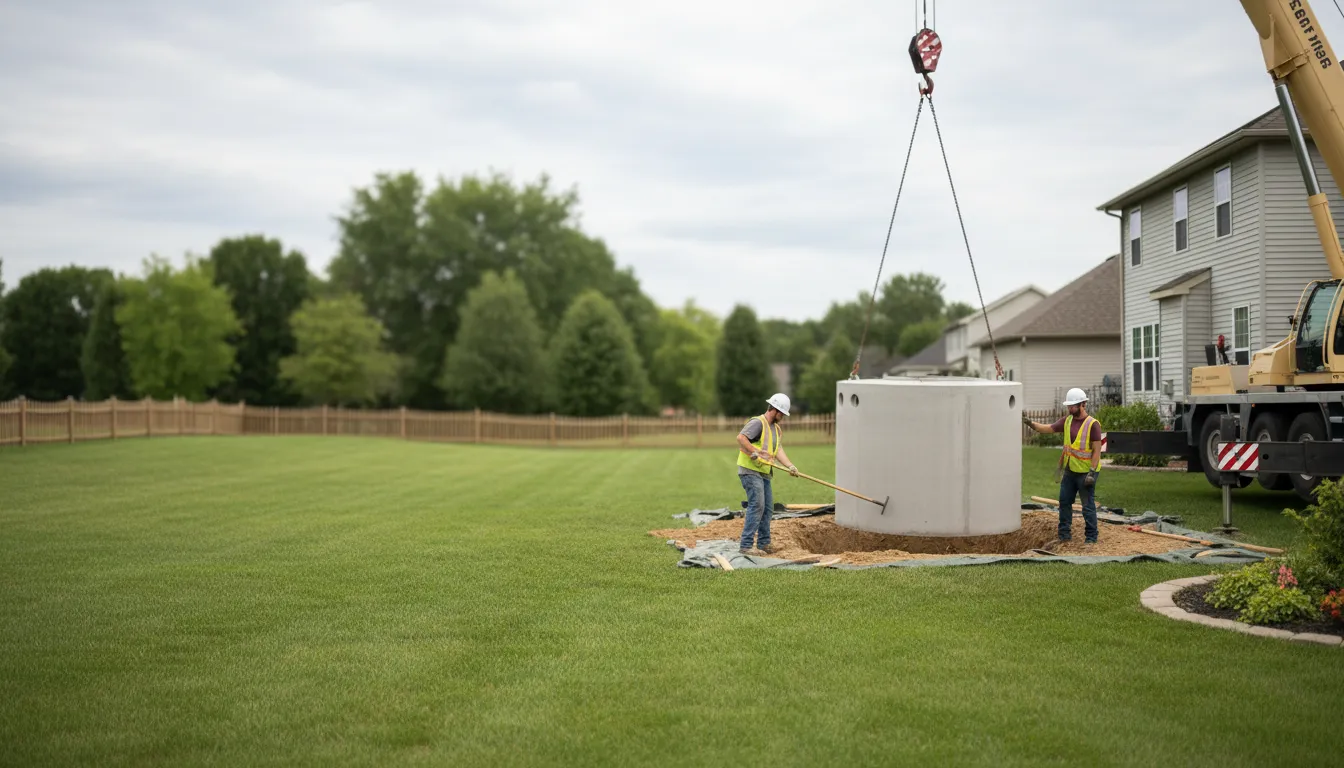
Installing or replacing a septic system is a significant investment in your property's long-term functionality and environmental health. For homes in St. Clair Shores not connected to municipal sewer lines, a properly designed and permitted septic system is essential for managing wastewater safely. Navigating the local regulations, permit process, and technical requirements can be complex. This guide provides a clear overview of the steps, costs, and key considerations for septic system work in the area, helping you connect with qualified local professionals for your project.

Schaefer Plumbing
Detroit, MI
Schaefer Plumbing is a family-owned plumbing and drain service company based in Detroit, MI. They offer a wide range of services including septic system installation, drain cleaning, pipe repair, and water heater installation and repair. Their team is trained in the latest plumbing technologies to handle various plumbing and drain issues efficiently. Schaefer Plumbing serves multiple communities around Detroit, including Lincoln Park, Dearborn, and Southfield, among others. They are known for their capability in septic system installations and provide service across a broad area in the Detroit region.
Ingratta Cement & Drainage Inc
6167 Malden Rd, Maidstone, ON N0R 1K0, Canada
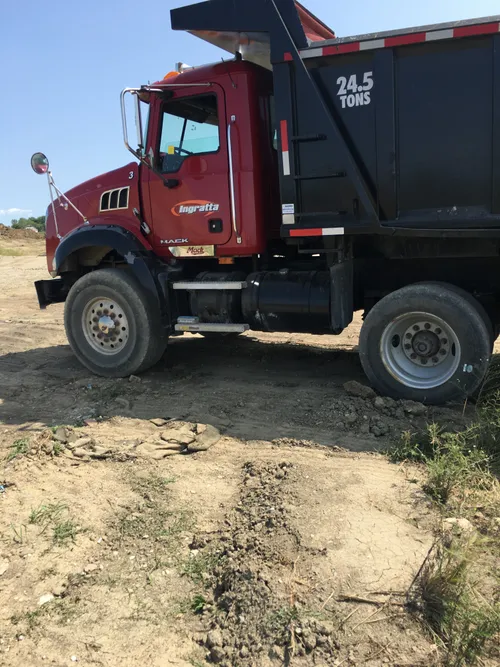
Ingratta Cement & Drainage Inc is a contractor specializing in septic tank installation, cement work, excavation, and waterproofing based in Detroit, MI. They serve the Windsor-Essex County area and surrounding regions within a 100 km radius. The company offers a range of services including patterned stamped concrete, driveway and sidewalk installations, complete basement foundations, sanitary and storm sewer work, water lines, and septic tank installation. Established in 1977, Ingratta Cement & Drainage Inc brings over 47 years of experience to their projects, combining skilled workmanship with modern technology to support both residential and commercial properties.
Understanding Local Regulations and Jurisdiction
Septic system installation and replacement in St. Clair Shores is managed by the Macomb County Health Department, which enforces state and local environmental standards to protect groundwater and public health. It's important to note that due to St. Clair Shores' urbanized nature, most properties are on city sewer. This information specifically applies to the remaining areas reliant on private onsite wastewater treatment systems.
The regulatory framework is designed to ensure systems are built correctly from the start. Key rules include mandatory minimum isolation distances (e.g., at least 50 feet from any water well) and prohibitions against installing systems in designated easements 1 2. Furthermore, installations are strictly prohibited between December 1st and March 1st without special prior approval, as installing in wet or frozen soil significantly increases the risk of premature system failure.
The Permit Process: A Step-by-Step Guide
You cannot legally begin any septic tank installation or replacement work without an approved permit. The process is multi-stage and involves several inspections to ensure compliance.
1. Application Submission: You must submit a detailed permit application to the Macomb County Health Department. This typically includes a site plan showing property lines, the location of existing wells, proposed building sites, and the planned location of the septic tank and drain field. Failure to obtain a permit can result in heavy penalties, including doubled fees.
2. Soil Evaluation and Percolation Test: Before a permit is issued, the soil's ability to absorb and treat wastewater must be evaluated. This is often called a "perc" test. It determines the appropriate size and type of drain field needed for your property. This test must be conducted by the health department or a licensed professional.
3. Permit Approval: Once your application and soil evaluation are approved, you will receive your septic permit. It is crucial that the final installation matches the approved plan exactly.
4. Required Inspections: The health department will conduct mandatory inspections at critical stages:
- Site Inspection: An initial evaluation of the property.
- Installation Inspection: The inspector must review the excavated tank and drain field before any backfilling occurs.
- Final Inspection: Approval of the completed installation 3 4 5.
System Types and Associated Costs
The type of system you need depends largely on your soil conditions, as determined by the perc test. Costs can vary widely based on system complexity, property size, and local labor rates.
- Conventional Gravity-Fed System: This is the most common type for suitable soils. Estimated total installation costs in the region typically range from $6,000 to over $15,000. This includes the tank (often $1,500-$5,000) and the drain field (typically $5,000-$12,000).
- Engineered or Alternative System: If soil conditions are poor (e.g., high water table, slow percolation), an engineered system may be required. These systems include pumps, advanced treatment units, or specialized drain fields. They are more complex and costly, often ranging from $20,000 to $35,000 or more 6.
Beyond installation, budget for essential soil testing, which typically costs $700 to $2,000 in the region 7 8. You should also plan for ongoing maintenance; septic tanks should be pumped every 3-5 years to prevent backups and system failure 9.
Find the perfect septic tank installation & replacement contractors for your needs
Get personalized recommendations and expert advice
Key Considerations for Your Project
Choosing the right contractor and understanding the timeline are vital for a successful septic system project.
Selecting a Licensed Installer: Always work with a contractor licensed in Macomb County. They will be familiar with local code requirements, the permit process, and can help navigate the health department's rules. A reputable installer will handle the permit paperwork and schedule the necessary inspections.
Project Timeline: A standard septic system installation, from permit application to final inspection, can take several weeks to a few months. The timeline is influenced by the health department's review schedule, weather conditions (remember the winter installation ban), and the complexity of the system 10. Planning ahead is essential, especially if you are building a new home or replacing a failing system.
Replacement vs. New Installation: If you are replacing a failing system, you must adhere to current code standards, which may be more stringent than when the original system was installed 11. This could mean relocating components or installing a different type of system altogether.
Maintaining Your New Septic System
Once your new septic tank or system is installed, proper maintenance is the key to longevity. Regular pumping is non-negotiable. Avoid flushing harmful chemicals, grease, or non-biodegradable materials. Be mindful of what you plant near the drain field; deep-rooted trees and shrubs can damage the underground pipes. Conserving water also reduces strain on the system. A well-maintained conventional system can last 25-30 years or more, protecting your investment and the local environment.
Frequently asked questions
Sources
Footnotes
-
FAQ: Septic systems - https://www.michigan.gov/egle/faqs/drinking-water/septic-systems ↩
-
Septic System Ordinances | Michigan Lakes and Streams ... - https://mymlsa.org/government-and-legal-issues/ordinances/septic-system-ordinances/ ↩
-
Onsite sewage disposal (septic) systems - Macomb County - https://www.macombgov.org/departments/health-department/environmental-health-services/onsite-sewage-disposal ↩
-
ST. CLAIR COUNTY HEALTH DEPARTMENT - https://stclaircounty.org/PageBuilder/scchd/Uploads/006%20Commercial%20Sewage%20Disposal%20Permit%20Application.pdf ↩
-
Septic System Installation 101: A Beginner's Guide - https://www.townesseptic.com/blog/septic-system-installation-beginners-guide ↩
-
Engineered Septic Systems in Michigan: Costs, Maintenance, a ... - https://www.michiganseptic.com/post/engineered-septic-systems-in-michigan-costs-maintenance-a-2026-guide ↩
-
How Much Does It Cost To Install a Septic System in Detroit, MI? - https://www.angi.com/articles/what-does-it-cost-install-septic-system/mi/detroit ↩
-
health department - St. Clair County - https://stclaircounty.org/Pagebuilder/scchd/Uploads/Pdf/Commercial%20Septic%20Permit%20Application.pdf ↩
-
GPBR - A Guide to Your Septic System from St Clair County - https://www.gpbr.com/resources/pimages/1479/files/A%20Guide%20to%20Your%20Septic%20System%20from%20St%20Clair%20County.pdf ↩
-
From Start to Finish: How Long Does It Take to Install a Septic System? - https://westcoastsanitationinc.com/how-long-does-it-take-to-install-a-septic-system/ ↩
-
HEALTH DEPARTMENT - St. Clair County - https://stclaircounty.org/Pagebuilder/scchd/Uploads/Pdf/Residential%20Septic%20Permit%20Application.pdf ↩