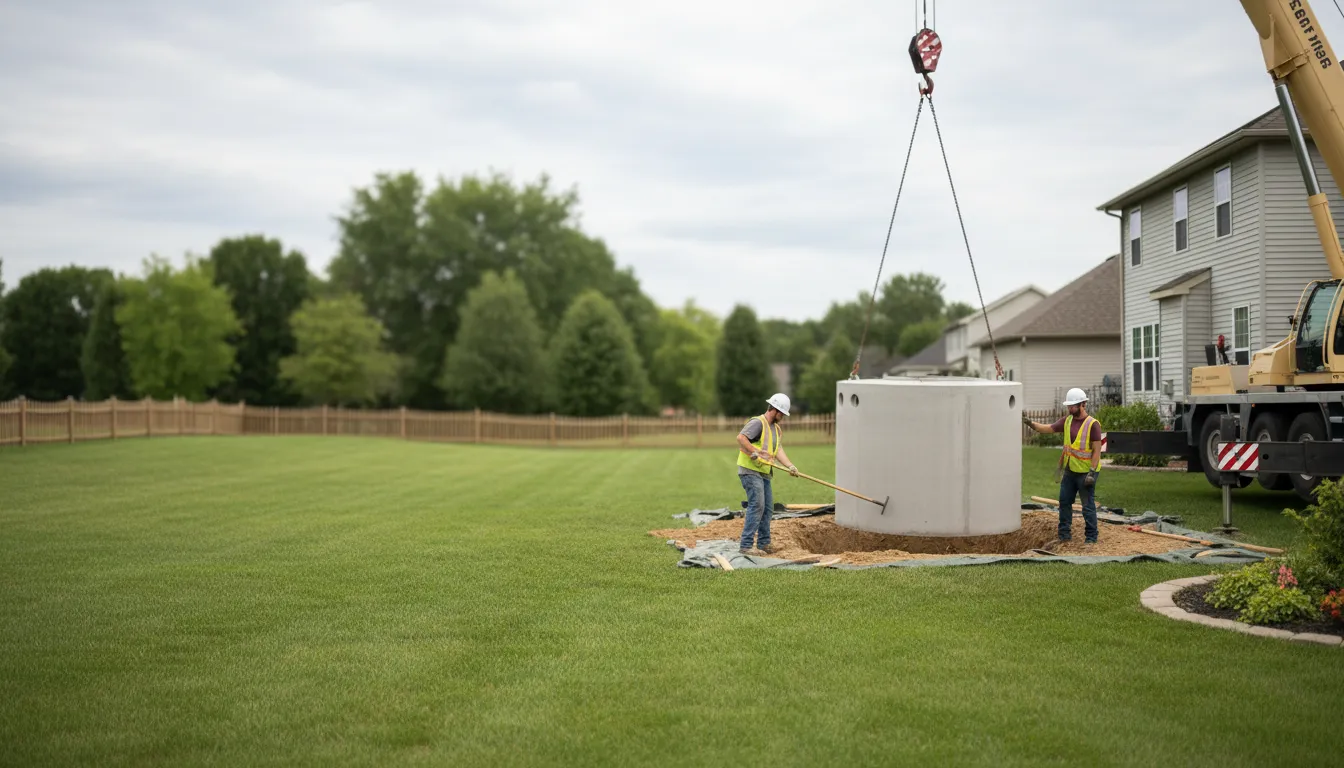
Find the Best Septic Tank Installation & Replacement Contractors for Your Business
No obligation • Fast responses • Nationwide coverage

Why you can trust Septic Spot
Septic Spot is a leading United States resource for understanding and comparing septic services. Our editors review providers using consistent criteria and verify key business details. Listings and scores are independent, and companies cannot pay to influence our content.
Search providers near you
Top Septic Tank Installation & Replacement Contractors in Taylor, Michigan Ranked
Installing or replacing a septic system is a significant investment in your property's long-term health and value. In Taylor, this process is governed by specific local and state regulations to ensure environmental safety and system effectiveness. This guide explains the key steps, costs, and requirements for septic system installation and replacement in Taylor, helping you understand what to expect and how to connect with qualified local professionals for your project.

Jack Spack Septic
7415 Carpenter Rd, Ypsilanti, MI 48197
Jack Spack Septic is a septic tank installation contractor serving Ann Arbor, MI. The company specializes in engineered septic system design and installation, providing services to residential and commercial clients in the area. Jack Spack Septic is known for its professional approach and courteous service, with a focus on helping customers understand how their septic systems function.

Schaefer Plumbing
Detroit, MI
Schaefer Plumbing is a family-owned plumbing and drain service company based in Detroit, MI. They offer a wide range of services including septic system installation, drain cleaning, pipe repair, and water heater installation and repair. Their team is trained in the latest plumbing technologies to handle various plumbing and drain issues efficiently. Schaefer Plumbing serves multiple communities around Detroit, including Lincoln Park, Dearborn, and Southfield, among others. They are known for their capability in septic system installations and provide service across a broad area in the Detroit region.
Al Pearson & Son Septic Tank Cleaning
46885 Ford Rd, Canton Township, MI 48187
Al Pearson & Son Septic Tank Cleaning is a family-owned business serving Ann Arbor, MI, and the surrounding Southeast Michigan area. They offer a full range of septic services including tank pumping, cleaning, system repairs, new installations, soil evaluations, and excavation. With over 70 years of experience since 1953, the company is licensed and certified to handle advanced septic system work for both residential and commercial clients. They emphasize clear communication and honest recommendations to ensure septic systems operate reliably. Emergency septic services are also available with often same-day pumping.
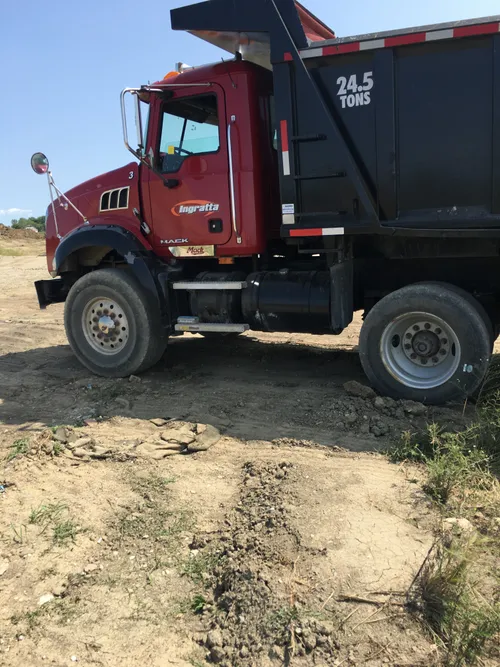
Ingratta Cement & Drainage Inc
6167 Malden Rd, Maidstone, ON N0R 1K0, Canada
Ingratta Cement & Drainage Inc is a contractor specializing in septic tank installation, cement work, excavation, and waterproofing based in Detroit, MI. They serve the Windsor-Essex County area and surrounding regions within a 100 km radius. The company offers a range of services including patterned stamped concrete, driveway and sidewalk installations, complete basement foundations, sanitary and storm sewer work, water lines, and septic tank installation. Established in 1977, Ingratta Cement & Drainage Inc brings over 47 years of experience to their projects, combining skilled workmanship with modern technology to support both residential and commercial properties.
Understanding Septic System Basics
A septic system is an on-site wastewater treatment structure, typically used where municipal sewer lines are not available. It consists of a septic tank, which separates solids from liquids, and a drain field (or leach field), where the treated liquid effluent is dispersed into the soil for final purification. In Taylor, as in much of Wayne County, these systems are a common solution for residential and commercial properties. Proper installation is critical, as a failing system can lead to costly repairs, environmental contamination, and public health risks1.
The Regulatory Landscape in Wayne County
All new septic system installations, replacements, and major modifications in Taylor require approval from the Wayne County Environmental Health Department. The department enforces Michigan's strict onsite wastewater regulations to protect groundwater, which is the source of drinking water for many residents. You cannot begin any construction on a septic tank or drain field without first obtaining the necessary permits. The rules are designed to ensure systems are sized correctly for the home and installed in soil conditions that can properly treat wastewater2.
Key Permit Requirements
- Construction Permit: A permit to install is mandatory for any new system or replacement system.
- Site Evaluation: A professional site assessment, including soil testing, is required to determine the property's suitability for a conventional or alternative system.
- Setback Distances: Systems must be located specific distances from features like wells (minimum 50 feet), property lines (2 feet), buildings, and water bodies 3.
- Professional Design: Most systems require a design prepared by a licensed septic installer or engineer, which must be submitted with the permit application.
Step-by-Step: The Installation & Replacement Process
Navigating a septic project involves a series of defined steps. Whether you're building a new home or replacing a failing system, understanding this sequence will help you plan effectively.
1. Initial Site Evaluation and Soil Testing
This is the foundational step. A qualified sanitarian or soil evaluator will visit your property to conduct a percolation (perc) test and deep hole test4. These tests determine the soil's absorption rate and identify the depth to seasonal high water tables or impermeable layers like bedrock. The results dictate the type and size of system your property can support. In areas with poor soil percolation, an engineered or alternative system may be necessary 5.
2. System Design and Permit Application
Based on the soil evaluation, a system is designed. This plan specifies the tank size, drain field layout, and any special components. For conventional systems, a licensed installer often creates the design. For more complex engineered wastewater systems, a professional engineer may be required. The design, along with the completed application and fee, is submitted to the Wayne County Environmental Health Department for review and permit issuance.
3. Installation and Critical Inspections
Once the permit is in hand, excavation and installation can begin. A licensed septic contractor will install the tank, distribution box, and drain field according to the approved plan. A critical final inspection by a county sanitarian is required before the system is covered with soil6 7. This inspection verifies that the installation matches the permitted design and meets all code requirements. You cannot backfill the trenches without this approval.
4. Final Approval and Documentation
After passing the final inspection, the installer typically provides documentation to the health department. Some jurisdictions require a contractor affidavit8. Once all paperwork is complete, the county issues a final approval, which is an important record for your property files and future real estate transactions.
Find the perfect septic tank installation & replacement contractors for your needs
Get personalized recommendations and expert advice
Cost Breakdown for Septic Systems in Taylor
The cost of a septic system installation or replacement in Taylor varies widely based on soil conditions, system type, property size, and labor. Here is a general cost breakdown based on regional data:
- Engineering & Design: $1,500 - $3,000
- Materials (Tank & Drain Field): $5,000 - $10,000+
- Installation Labor: $8,000 - $15,000
- Total System Cost: $15,000 - $35,000+
A standard conventional septic system for a typical home often falls in the $15,000 to $25,000 range. If your property requires an engineered septic system-such as a mound, sand filter, or aerobic treatment unit (ATU)-due to poor soil or a high water table, costs can start at $25,000 and exceed $35,0009 10. Always get multiple detailed quotes from licensed installers.
When is Septic System Replacement Necessary?
Replacing an existing septic system follows the same permit and inspection process as a new installation. In fact, replacing a failing system often triggers a full new site assessment, as current regulations may be stricter than when the original system was installed decades ago11. Signs you may need a septic tank replacement or full system overhaul include:
- Sewage backups in household drains.
- Bright green, spongy grass over the drain field, especially during dry weather.
- Standing water or foul odors near the septic tank or drain field.
- Failed inspection during a property sale.
- The system is over 20-30 years old and requires major repair.
Choosing a Licensed Septic Contractor in Taylor
Selecting the right professional is crucial for a compliant and long-lasting installation. Look for a contractor who:
- Holds a current Michigan license for onsite wastewater treatment system installation.
- Is familiar with Wayne County and Taylor-specific regulations and has a good working relationship with the health department inspectors.
- Provides detailed, written estimates that break down design, material, permit, and labor costs.
- Can provide references from recent projects in the area.
- Offers a warranty on both materials and workmanship.
A reputable installer will handle the permit application process, schedule the required inspections, and ensure the entire wastewater system installation meets code.
Maintenance Starts at Installation
A properly installed system is the first step toward decades of reliable service. Once your new system is in, commit to a regular maintenance schedule: pump the tank every 3-5 years, conserve water, and avoid putting harmful chemicals or non-biodegradables down the drain. Protect your drain field by never driving or building over it. Proper care will maximize the lifespan of your significant investment and prevent premature system failure.
Frequently asked questions
Sources
Footnotes
-
FAQ: Septic systems - https://www.michigan.gov/egle/faqs/drinking-water/septic-systems ↩
-
Mich. Admin. Code R. 325.423 - Minimum standards for septic tank ... - https://www.law.cornell.edu/regulations/michigan/Mich-Admin-Code-R-325-423 ↩
-
Onsite Sewage Disposal - Monroe County, MI - https://www.co.monroe.mi.us/482/Onsite-Sewage-Disposal ↩
-
Perc Tests in Southeast Michigan - Universal Septic Services - https://www.universalsepticservices.com/services/perc-test/ ↩
-
MI Criteria for On-Site Wastewater Treatment - State of Michigan - https://www.michigan.gov/egle/-/media/Project/Websites/egle/Documents/Programs/DWEHD/Onsite-Wastewater-Management/CRITERIA-ONSITE-WASTEWATER-TREATMENT.pdf ↩
-
How to Know if You Need a Septic System Permit - Pippin Home Designs - https://www.pippinhomedesigns.com/septic-system-permit/ ↩
-
Residential Well & Septic - https://www.dhd10.org/environmental-health/well-septic/residential/ ↩
-
Guide for Obtaining Permit to Install A Sewage Treatment System - https://marionpublichealth.org/wp-content/uploads/2022/06/2022-HSTS-Homeowners-Guide.pdf ↩
-
Engineered Septic Systems in Michigan: Costs, Maintenance, a ... - https://www.michiganseptic.com/post/engineered-septic-systems-in-michigan-costs-maintenance-a-2026-guide ↩
-
Sewage Systems | CMDHD - https://www.cmdhd.org/septicsystems ↩
-
Septic/Onsite Sewage - Wayne County, Michigan - https://www.waynecountymi.gov/Government/Departments/Health-Human-Veterans-Services/Public-Health/Environmental-Health/Environmental-Safety/SepticOnsite-Sewage ↩