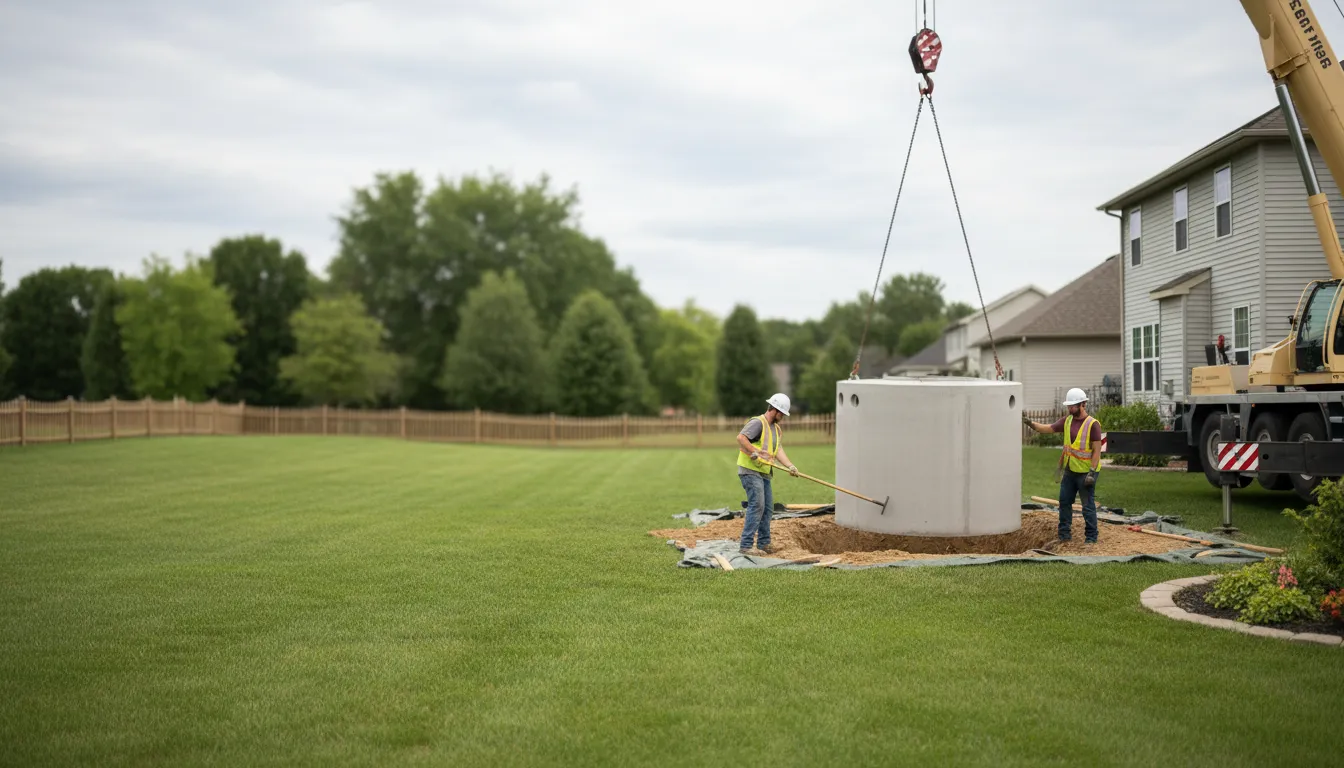
Find the Best Septic Tank Installation & Replacement Contractors for Your Business
No obligation • Fast responses • Nationwide coverage

Why you can trust Septic Spot
Septic Spot is a leading United States resource for understanding and comparing septic services. Our editors review providers using consistent criteria and verify key business details. Listings and scores are independent, and companies cannot pay to influence our content.
Search providers near you
Top Septic Tank Installation & Replacement Contractors in Troy, Michigan Ranked
Installing or replacing a septic system is a significant home infrastructure project that ensures safe, long-term wastewater treatment for properties not connected to public sewer lines. In Troy, this process is governed by specific local and county regulations to protect public health and the environment. This guide explains the key steps, costs, and requirements for septic system installation and replacement in Troy, helping you understand what to expect and how to connect with qualified local professionals for your project.

Schaefer Plumbing
Detroit, MI
Schaefer Plumbing is a family-owned plumbing and drain service company based in Detroit, MI. They offer a wide range of services including septic system installation, drain cleaning, pipe repair, and water heater installation and repair. Their team is trained in the latest plumbing technologies to handle various plumbing and drain issues efficiently. Schaefer Plumbing serves multiple communities around Detroit, including Lincoln Park, Dearborn, and Southfield, among others. They are known for their capability in septic system installations and provide service across a broad area in the Detroit region.
Howell Sanitary Co. II
Lansing, MI
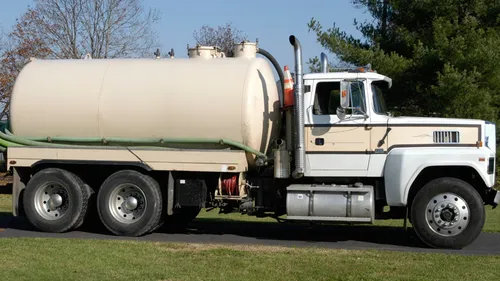
Howell Sanitary Co. II provides a range of septic system services in Lansing, MI. Their offerings include septic tank pumping, inspections, repairs, and new installations. They also handle septic field repairs and replacements, with expertise in various field types such as conventional, elevated, dry wells, bed, and trench systems. Additional capabilities include septic tank riser installation, effluent filter cleaning, excavating, driveway grading, and land clearing.
Al Pearson & Son Septic Tank Cleaning
46885 Ford Rd, Canton Township, MI 48187
Al Pearson & Son Septic Tank Cleaning is a family-owned business serving Ann Arbor, MI, and the surrounding Southeast Michigan area. They offer a full range of septic services including tank pumping, cleaning, system repairs, new installations, soil evaluations, and excavation. With over 70 years of experience since 1953, the company is licensed and certified to handle advanced septic system work for both residential and commercial clients. They emphasize clear communication and honest recommendations to ensure septic systems operate reliably. Emergency septic services are also available with often same-day pumping.
Understanding the Septic System Process in Oakland County
A septic system installation or major replacement is not a simple excavation job; it's a permitted construction project overseen by the Oakland County Health Division (OCHD). The OCHD is the primary authority for onsite sewage disposal systems in the county, including Troy. Their role is to ensure that every new or replacement septic tank and drain field is designed and built to state and local standards, preventing groundwater contamination and system failure. The process is designed to verify that your specific property can safely handle and treat household wastewater.
For homeowners, this means you cannot simply hire a contractor and begin digging. The project must start with the county's approval, which involves a multi-step evaluation of your land. This regulatory framework is in place because a failing system can pose serious health risks and environmental damage. Understanding this official pathway is the first step to a successful installation.
The First Step: Permit Application and Site Evaluation
Before any design work can begin, you must obtain a permit from the Oakland County Health Division. A permit is required for new installations, major repairs, or any significant alterations to an existing system 1. The application process initiates the official review of your property.
The cornerstone of this review is the site evaluation. A county sanitarian or an approved evaluator will visit your property to assess critical factors that determine what type of system you can install. They examine:
- Soil Type: The composition (sand, clay, loam) directly affects water absorption rates.
- Water Table Depth: The system must be placed well above the seasonal high groundwater level.
- Site Slope: Steep slopes can complicate drain field design and require special engineering.
This evaluation determines the feasibility of a conventional system or if an engineered (or "alternative") septic system will be necessary due to poor soil conditions or space constraints.
The Critical Percolation Test
A key component of the site evaluation is the soil percolation test, commonly called a "perc test." This test is mandatory for designing a properly sized drain field. Its purpose is to measure how quickly water drains through the soil on your property. A slow perc rate indicates soil that doesn't drain well (like heavy clay), which may require a larger drain field or a more advanced system design.
A licensed professional, such as a soil evaluator or septic contractor, typically performs the test by digging a series of holes in the proposed drain field area. County staff then evaluate these holes, often during a scheduled two-hour block 2. The results are a primary input for the system design. It's important to budget for this step separately, as soil testing can cost between $700 and $2,000 3 4.
System Design and Engineering
Once the site evaluation and perc test results are approved, the next phase is system design. The design must be completed by a qualified professional-often a licensed septic installer or a professional engineer-and submitted to the OCHD for approval. The design specifies the exact type and size of the septic tank, the layout and dimensions of the drain field (leach field), and any necessary components like pumps or filters.
For properties with challenging conditions (high water tables, poor soil, small lots), an engineered septic system design will be necessary. These systems use advanced technology like sand filters, aerobic treatment units (ATUs), or drip irrigation to treat wastewater to a higher standard before dispersal. Engineering and design fees for the project plans typically range from $1,500 to $3,000.
Find the perfect septic tank installation & replacement contractors for your needs
Get personalized recommendations and expert advice
Mandatory Inspections During Installation
The Oakland County Health Division mandates specific inspections to ensure the installation matches the approved design. You cannot backfill (cover with soil) any part of the system until it has passed inspection. The two primary inspections are 5 6:
-
Pre-Cover Inspection: This is the most critical on-site check. After the septic tank and drain field trenches are installed but before they are covered, a county or city inspector must visit the site. They verify the tank's integrity, the proper placement of gravel and distribution pipes, and that all components meet code. Only after they give the "okay" can installation proceed to backfilling.
-
Final Inspection: Once the system is fully installed and the landscaping is restored, a final inspection may be conducted to ensure everything is operational and there are no signs of immediate failure.
It's crucial to coordinate these inspections with your contractor. Failure to get the required inspections can result in fines, orders to dig up the system, and an inability to get a certificate of approval, which is needed for closing on a home sale.
Understanding the Costs of Septic System Installation
The total cost for a new septic system installation or full replacement in the Troy area is a significant investment, typically ranging from $15,000 to over $35,000+. Several variables influence the final price:
- System Type & Size: A conventional system for a standard 3-4 bedroom home is on the lower end. Engineered systems for difficult sites can drive costs toward the higher end or beyond.
- Tank and Materials: The septic tank itself and the gravel, piping, and fabric for the drain field represent a major cost, often between $5,000 and $10,000+ for materials alone.
- Installation Labor: Excavation, installation, and backfilling require heavy machinery and skilled labor, typically costing between $8,000 and $15,000.
- Design, Permitting, and Testing: Don't forget to include the costs for the soil evaluation ($700-$2,000), engineering/design ($1,500-$3,000), and the county permit fees 7 8.
Troy-Specific Regulations and the Sewer Connection Option
The City of Troy has its own ordinances that interact with county rules. Notably, Troy requires that existing septic systems be inspected every four years to ensure they are functioning properly. This ongoing maintenance mandate highlights the city's focus on preventing system failures.
Furthermore, it's essential to know that if your property in Troy has the option to connect to the city's public sanitary sewer system, you may be required to connect instead of installing or replacing a septic system 9. Always check with the City of Troy's Building Department or Public Works department early in your planning process to confirm whether sewer connection is available and mandatory for your address. Choosing a septic system when sewer is available and required is not an option.
Planning for a Property Transfer
If you are selling a home with a septic system in Troy, be aware that a time-of-sale inspection is often required 10 11. Many municipalities in Oakland County have ordinances mandating that a system be inspected and certified as functional before the property title can transfer. Even if not strictly required by the city, most mortgage lenders will demand it. This inspection checks for signs of failure, such as surfacing effluent or a soggy drain field. Planning for this inspection ahead of listing your home can prevent costly delays during the closing process.
Frequently asked questions
Sources
Footnotes
-
Sewage Systems | CMDHD - https://www.cmdhd.org/septicsystems ↩
-
Perc Tests in Southeast Michigan | Universal Septic Services - https://www.universalsepticservices.com/services/perc-test/ ↩
-
Soil Percolation Test For Septic System - https://www.lachancebrothers.com/services/septic/soil-percolation-test ↩
-
What is a Perc Test and Why Do I Need One? - https://www.wrenvironmental.com/blog/2024/september/understanding-perc-tests-what-they-are-and-why-t/ ↩
-
Residential Well & Septic - District Health Department #10 - https://www.dhd10.org/environmental-health/well-septic/residential/ ↩
-
Residential On-Site Sewage Disposal System - DHD2 - https://www.dhd2.org/residential-on-site-sewage-disposal-system ↩
-
Engineered Septic Systems in Michigan: Costs, Maintenance, a ... - https://www.michiganseptic.com/post/engineered-septic-systems-in-michigan-costs-maintenance-a-2026-guide ↩
-
How Much Does It Cost To Install a Septic System in Detroit, MI? - https://www.angi.com/articles/what-does-it-cost-install-septic-system/mi/detroit ↩
-
Chapter 19 - City Sewer Service - Revize - https://cms6.revize.com/revize/citytroymi/Residents/Forms/Building%20Inspection/CH019.pdf ↩
-
Onsite Sewage Disposal System (Septic) | Oakland County, MI - https://www.oakgov.com/community/health/public-health-services/environmental-health/onsite-sewage-disposal-system-septic ↩
-
Septic System Ordinances | Michigan Lakes and Streams ... - https://mymlsa.org/government-and-legal-issues/ordinances/septic-system-ordinances/ ↩