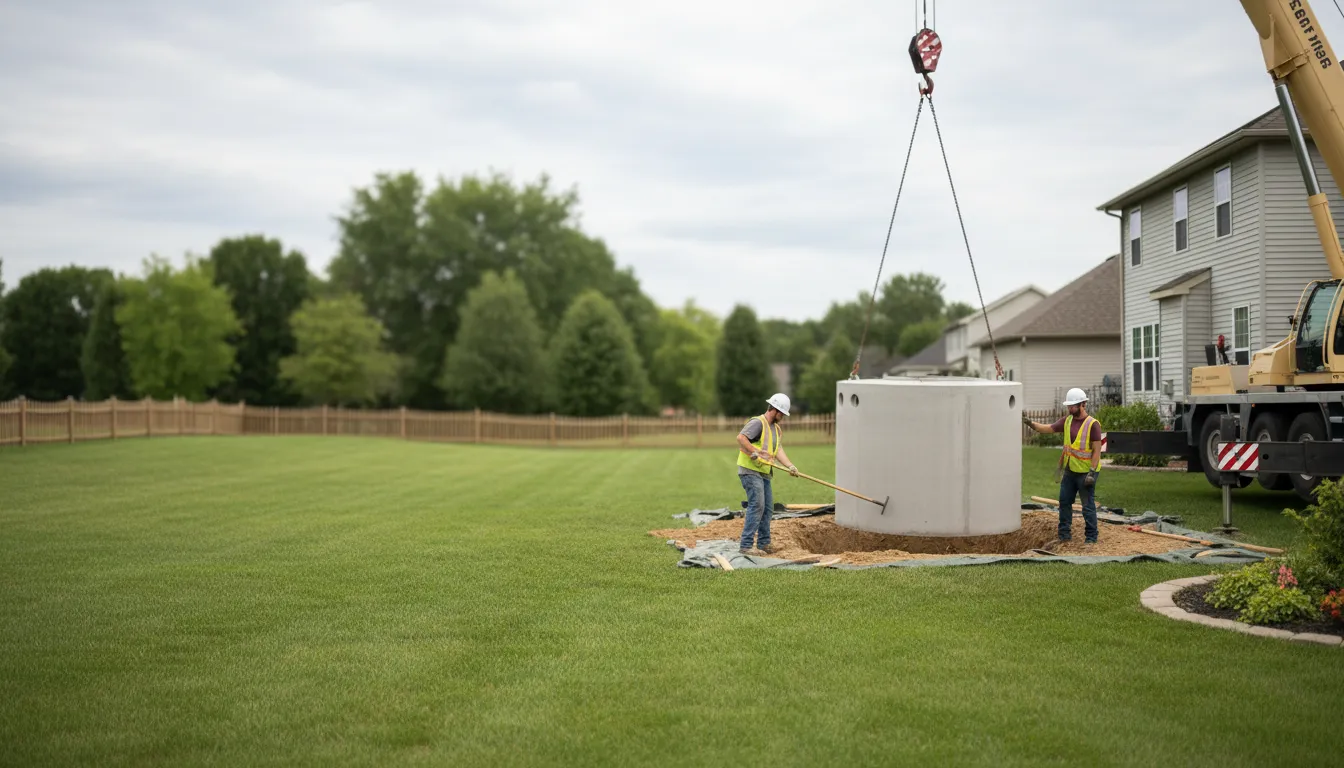
Find the Best Septic Tank Installation & Replacement Contractors for Your Business
No obligation • Fast responses • Nationwide coverage

Why you can trust Septic Spot
Septic Spot is a leading United States resource for understanding and comparing septic services. Our editors review providers using consistent criteria and verify key business details. Listings and scores are independent, and companies cannot pay to influence our content.
Search providers near you
Top Septic Tank Installation & Replacement Contractors in Waterford, Michigan Ranked
Installing or replacing a septic system is a significant investment in your Waterford property's long-term functionality and environmental safety. A properly designed and permitted on-site wastewater treatment system protects your family's health, safeguards local groundwater, and ensures your home remains compliant with local regulations. This guide will help you understand the process, costs, and key considerations for septic system work in Oakland County, so you can make informed decisions when selecting a local professional.
Patrick Esper Septic
Lansing, MI
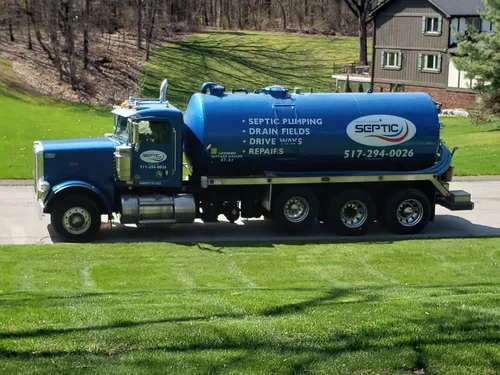
Patrick Esper Septic is a septic service provider located in Lansing, MI. They offer a range of services including septic tank pumping, system repairs, and installation of septic tanks and drain fields. Their capabilities include effluent pump repair and drain field replacement, as well as engineered septic services and community system installation. The company also provides excavation, grading, and land clearing services related to septic system projects.
Stamper and Son Excavating
1039 County Farm Rd, Howell, MI 48843
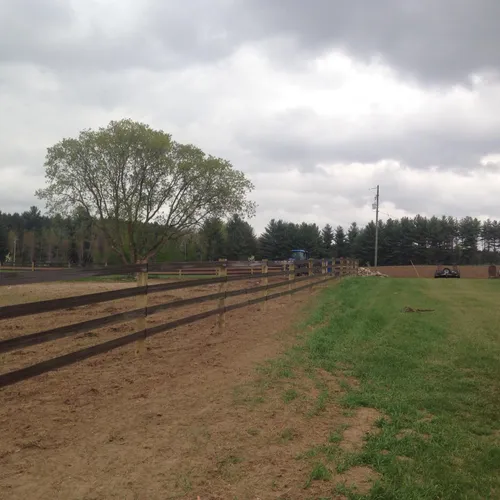
Stamper and Son Excavating is a family-owned company based near Lansing, MI, specializing in septic tank installation and excavation services. They offer a broad range of services including land clearing, site preparation, concrete work, and demolition. The company is licensed and certified to handle septic systems, with expertise in both engineered and basic systems to help prevent future septic issues. With a fleet of equipment and a knowledgeable crew, they focus on completing projects thoroughly and leaving sites clean. Their concrete crew brings over 40 years of experience to ensure durable results.
Accuex Septic Excavating
10551 Byron Rd, Howell, MI 48855
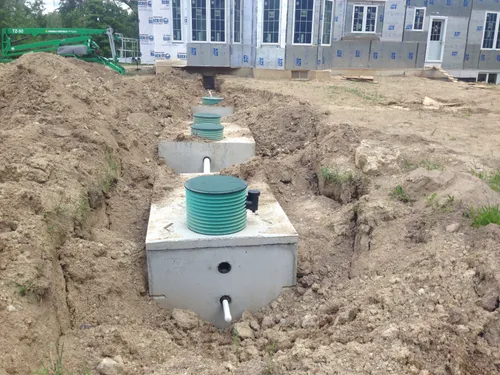
Accuex Septic Excavating is a septic tank installation contractor based in Lansing, MI. The company offers septic installation and related services, with certification in Eljen systems. With over 25 years of experience, Accuex Septic Excavating handles complex projects and keeps clients informed throughout the process.
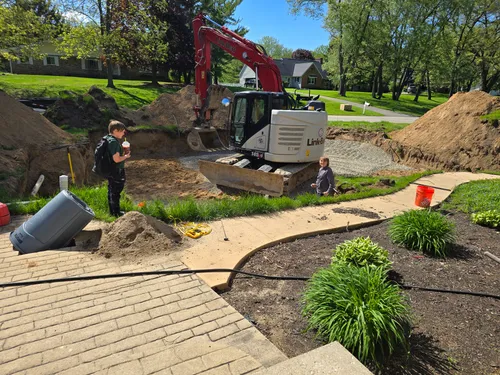
Howell Sanitary Co
5205 Pinckney Rd, Howell, MI 48843
Howell Sanitary Co provides a range of septic system services in Lansing, MI. Their offerings include septic tank pumping, inspections, repairs, and new installations, as well as septic field repairs and replacements. They also handle septic tank riser installation, effluent filter cleaning, and various types of septic fields such as conventional, elevated, and trench systems. Additional services include excavating, driveway grading, and land clearing.

Schaefer Plumbing
Detroit, MI
Schaefer Plumbing is a family-owned plumbing and drain service company based in Detroit, MI. They offer a wide range of services including septic system installation, drain cleaning, pipe repair, and water heater installation and repair. Their team is trained in the latest plumbing technologies to handle various plumbing and drain issues efficiently. Schaefer Plumbing serves multiple communities around Detroit, including Lincoln Park, Dearborn, and Southfield, among others. They are known for their capability in septic system installations and provide service across a broad area in the Detroit region.
Understanding Septic Systems in Oakland County
A septic system, or on-site sewage disposal system (OSDS), is a private wastewater treatment solution for properties not connected to a municipal sewer line. In Waterford and throughout Oakland County, these systems are regulated by the county's Health Division to prevent contamination and public health risks. The process involves more than just digging a hole; it requires careful site evaluation, professional design, and strict adherence to state and county codes to ensure the system functions effectively for decades.
The Permit Process: A Step-by-Step Guide
All new installations and replacements of septic tanks and drainfields in Waterford require a permit from the Oakland County Health Division Environmental Health Services Unit (EHSU). You cannot begin any construction without this approval.
- Application Submission: Homeowners or their licensed contractors must submit an application for a "New" or "Replacement" residential system. This can be done conveniently through the county's online Citizen Access Portal.
- Site Evaluation and Soil Testing: A critical step is the soil evaluation, often called a "percolation test" or perc test. This determines the soil's ability to absorb and filter wastewater, which directly dictates the type and size of system your property can support 1. A site plan must also show a designated "reserve area" for a potential future replacement drainfield 2.
- Sanitarian Inspection: A county sanitarian will visit your property to review the site conditions, soil data, and property layout. They approve the final system design and type based on this evaluation.
- Permit Issuance: Once the site and plans are approved, the EHSU issues the construction permit.
- Installation: A licensed contractor or the homeowner (if qualified) installs the septic tank and drainfield according to the permitted design.
- Final Inspection: Before the system is covered with soil, the installer must schedule a final inspection with a county sanitarian at least 24 hours in advance. The system must pass this inspection to be approved for use 3 4.
Key Regulations and Requirements
Oakland County enforces Michigan's strict standards for on-site wastewater systems. Key rules for Waterford homeowners include:
- Isolation Distance: State law requires a minimum separation of 50 feet between a private well and any part of the septic system. Greater distance is always recommended for added safety 5.
- System Lifespan: With proper maintenance, a conventional septic system typically lasts 25 to 40 years. The need for replacement often stems from soil saturation, physical damage, or changes in household water use.
- Inspection Access: For practical maintenance, tanks installed more than 18 inches below ground require the installation of risers that extend to the surface. This provides easy access for routine pumping and inspection without major excavation 6.
Cost Breakdown for Septic System Installation
The total cost for a new or replacement septic system in Waterford can vary widely, primarily due to site-specific conditions like soil type, lot size, and water table level. For a standard conventional system, homeowners can expect the following estimated cost ranges:
- Design & Engineering: $1,500 - $3,000
- Materials (Tank & Drainfield): $5,000 - $10,000+
- Installation Labor: $8,000 - $15,000
- Total Estimated Cost: $15,000 - $35,000+
These figures cover a complete conventional system installation. Costs can be higher for properties requiring an engineered or alternative system due to poor soil conditions, high groundwater, or small lot sizes.
Find the perfect septic tank installation & replacement contractors for your needs
Get personalized recommendations and expert advice
Choosing the Right System Type
The results of your soil evaluation will determine which type of septic system is suitable for your Waterford property.
- Conventional Systems: These are the most common and least expensive option, suitable for properties with permeable, well-draining soil and adequate space for a drainfield.
- Engineered (Alternative) Systems: If your soil fails a standard perc test-common in areas with clay, high bedrock, or a high water table-an engineered system may be required. These systems use advanced technology like pumps, sand filters, or aerobic treatment units to treat wastewater before dispersal, but they come with higher upfront and maintenance costs 7.
The Importance of Professional Installation
Given the complexity of regulations, the precision required for long-term performance, and the significant financial investment, hiring an experienced, licensed septic contractor is crucial. A qualified professional will:
- Navigate the county permit process efficiently.
- Accurately assess your property's needs.
- Install the system to exact design specifications.
- Ensure the work passes all required inspections.
- Provide documentation for your property records.
Proper installation is the foundation for a system that protects your property value and the local environment for years to come.
Planning for the Long Term
Once your new septic system is installed, proactive maintenance is key to reaching its full lifespan. This includes regular pumping every 3-5 years, conserving water to avoid overloading the system, and avoiding flushing harmful chemicals or non-biodegradable materials. Keeping detailed records of inspections, pumping, and repairs is also wise for future property transactions.
Frequently asked questions
Sources
Footnotes
-
Septic System Approval: Percolation Test & Expert Guidance - https://smartsepticpros.com/blog/how-to-do-a-percolation-test/ ↩
-
Onsite Sewage Disposal System (Septic) | Oakland County, MI - https://www.oakgov.com/community/health/public-health-services/environmental-health/onsite-sewage-disposal-system-septic ↩
-
Sewage Systems | CMDHD - https://www.cmdhd.org/septicsystems ↩
-
Residential Well & Septic - District Health Department #10 - https://www.dhd10.org/environmental-health/well-septic/residential/ ↩
-
FAQ: Septic systems - https://www.michigan.gov/egle/faqs/drinking-water/septic-systems ↩
-
District Sanitary Code - Health Department of Northwest Michigan - https://nwhealth.org/wp-content/uploads/2023/09/District-Sanitary-Code.pdf ↩
-
Engineered Septic Systems in Michigan: Costs, Maintenance, a ... - https://www.michiganseptic.com/post/engineered-septic-systems-in-michigan-costs-maintenance-a-2026-guide ↩