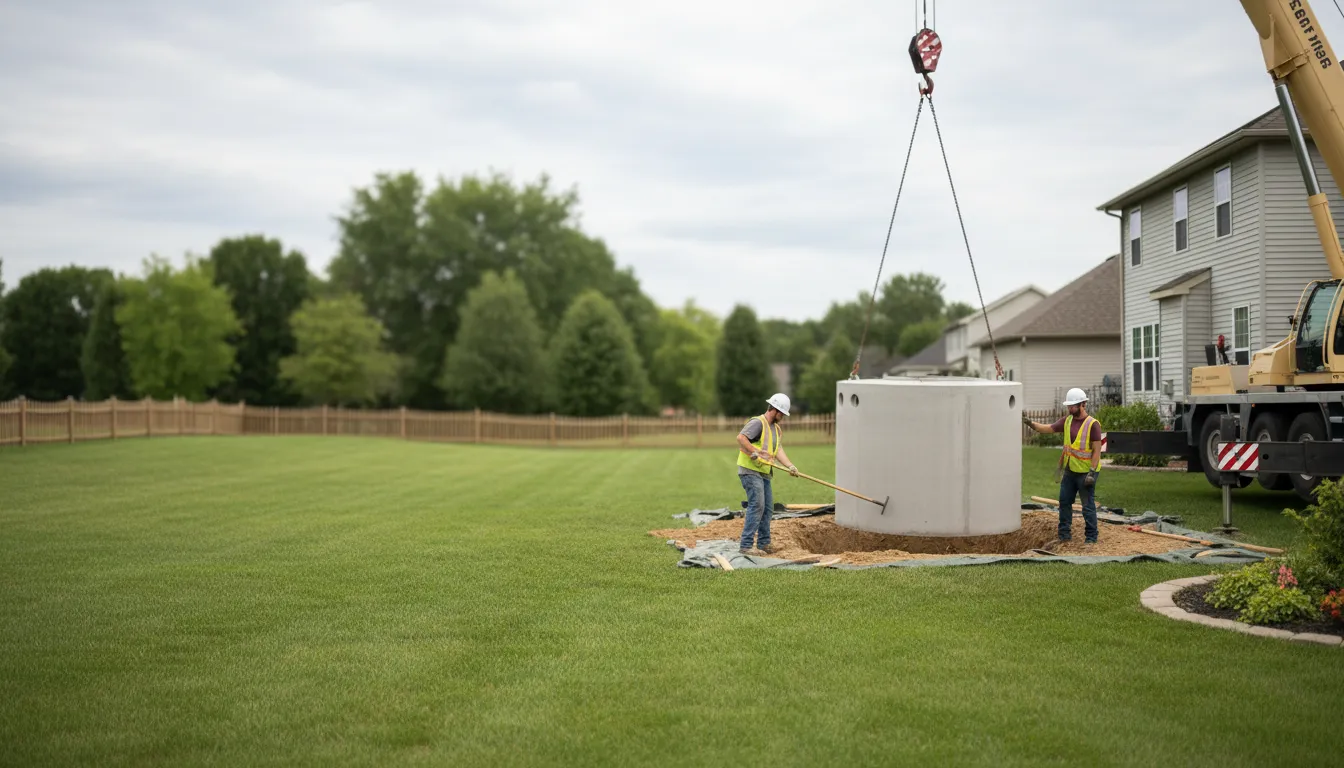
Find the Best Septic Tank Installation & Replacement Contractors for Your Business
No obligation • Fast responses • Nationwide coverage

Why you can trust Septic Spot
Septic Spot is a leading United States resource for understanding and comparing septic services. Our editors review providers using consistent criteria and verify key business details. Listings and scores are independent, and companies cannot pay to influence our content.
Search providers near you
Top Septic Tank Installation & Replacement Contractors in Freeport, New York Ranked
Installing or replacing a septic system is a significant home improvement project that ensures the safe and efficient treatment of your household wastewater. In Freeport, this process is governed by a detailed set of local and county regulations designed to protect public health and the environment. This guide will help you understand the steps, requirements, and costs involved in septic system work, empowering you to find qualified local professionals who can navigate the permitting and installation process successfully.
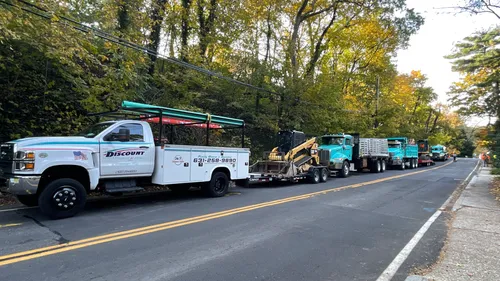
Discount Cesspool & Drain Inc.
240 Gibbs Rd, Islandia, NY 11749
Discount Cesspool & Drain Inc. is a septic tank pumping and installation company serving New York, NY, with a focus on Long Island. They specialize in new septic system installations, cesspool pumping, septic tank service, and full-scale cesspool cleaning. The company offers 24-hour emergency service and weekend and holiday availability. They provide eco-friendly solutions without subcontracting and cater to both residential and commercial clients across Suffolk and Nassau counties.
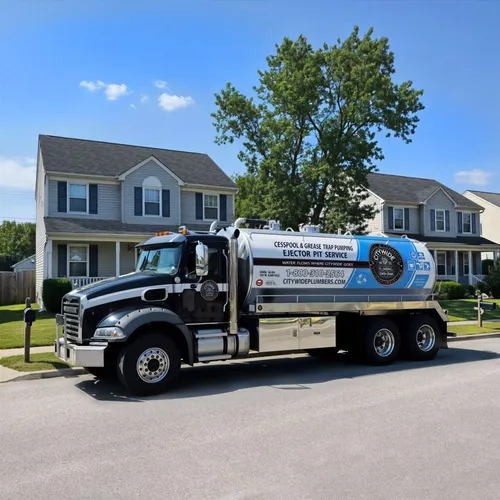
Citywide Grease Trap Maintenance | Cesspool Pumping Service Long Island
110 Voice Rd, Carle Place, NY 11514
Citywide Grease Trap Maintenance | Cesspool Pumping Service Long Island provides septic and cesspool pumping, inspection, repair, and installation services in New York, NY. Serving both residential and commercial clients, they offer comprehensive maintenance and cleaning to prevent system failures. Their skilled technicians use advanced equipment for installations and repairs, including grease trap pumping and sewage ejector pit services. With over 65 years of experience, Citywide operates 24/7 to address emergency needs promptly.
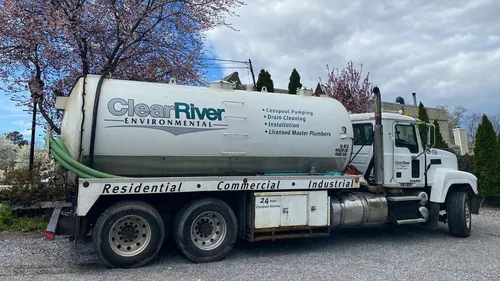
Clear River Environmental
847 11th St, Ronkonkoma, NY 11779
Clear River Environmental is a septic tank pumping, inspection, repair, and installation company serving New York, NY. They offer comprehensive environmental services including cesspool pumping, septic system maintenance, plumbing repairs, and emergency environmental remediation. The company has over 60 years of experience and uses advanced equipment such as camera inspection systems and leak detection technology. Clear River Environmental provides 24/7 emergency services to address urgent property issues promptly.
A & A Systems Control Inc
47 Larkin St Unit 5 A, Stamford, CT 06907
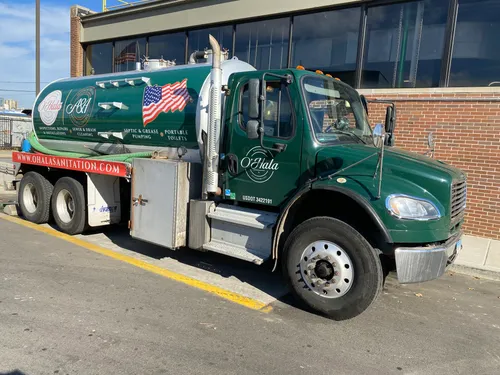
A & A Systems Control Inc is a family-owned septic and excavating services company based in Stamford, CT. They provide a full range of septic system services including pumping, inspections, repairs, installations, and drain cleaning for residential and commercial clients. Their expertise extends to excavation, drainage solutions, grease trap cleaning, and percolation testing, serving Stamford and nearby communities such as Greenwich, Darien, and New Canaan. The company offers 24/7 availability and emphasizes routine maintenance plans to minimize emergencies and system backups. With a background in utility construction, A & A Systems Control Inc combines technical knowledge with local service to support well-maintained septic systems.
North Shore Cesspool & Drain Corp
231 Lawrence Ln, Glen Cove, NY 11542
North Shore Cesspool & Drain Corp provides cesspool and septic system services in New York, NY. They offer pumping, cleaning, inspections, repairs, and installations for residential and commercial properties. Their capabilities include hydro jetting and sewer line camera inspections. The company serves Long Island and is available 24/7 for emergency flooding response and backups.
Understanding Local Regulations and Permit Requirements
In Freeport, and across Long Island, septic system installation is not a simple DIY project. It is a highly regulated activity. According to local law, it is unlawful to construct, replace, or significantly alter an on-site wastewater treatment system without first obtaining the proper permits. The primary authority overseeing this process in the Suffolk County area is the Suffolk County Department of Health Services, Office of Wastewater Management (WWM). Their regulations, which often guide local village codes, are designed to ensure systems meet strict state and county sanitary codes (like 10 NYCRR Part 75) 1.
The Village of Freeport's own code, specifically Chapter 176: Sewers and Sewage, mandates compliance with these county standards and requires engineered plans, permits, and inspections for any septic system work. Navigating these rules is the first critical step. A reputable local installer will be intimately familiar with these requirements, but as a homeowner, understanding the framework helps you ask the right questions and ensure your project stays on track from the start.
The Step-by-Step Process for System Installation
A successful septic system project follows a defined sequence of events. Skipping or rushing a step can lead to failed inspections, costly corrections, or even system failure down the line.
1. Site Evaluation and Soil Testing
Before any design work can begin, the property must be evaluated. A licensed professional will conduct a percolation (or "perc") test, which involves digging test pits or holes, typically to a depth of at least 30 inches, to assess the soil's absorption rate 2. The results of this test determine the size and type of leaching area (drain field) needed. In some cases, a health department official may observe this testing.
2. System Design by a Licensed Professional
Based on the soil evaluation and your home's size (measured by the number of bedrooms), a licensed Professional Engineer (P.E.) or registered architect must design the system. This engineered plan is not a suggestion-it's a mandatory requirement for permit submission. The design will specify the tank capacity, the layout and dimensions of the drain field, and the materials to be used.
3. Permit Application and Approval
Your contractor or engineer will submit the complete application package, including the engineered plans, to the appropriate authority. In Freeport, this is typically the Village Superintendent or directly to the Suffolk County Health Department, depending on the specific jurisdiction 3. There are permit fees involved, which generally range from $150 to $500. Crucially, you must receive written approval to construct before any excavation begins 4.
4. Installation and Critical Inspections
Once the permit is in hand, installation can proceed. There are two key inspection points that must be scheduled with the health department:
- Open Tank/Lateral Inspection: After the septic tank and leaching structures (like distribution boxes and drain field pipes) are placed in the ground but before they are backfilled with soil, an inspection is required 5. The inspector verifies that the installation matches the approved plans.
- Final Inspection and As-Built Survey: After the system passes the open inspection and is covered, a final inspection may be conducted. Furthermore, an "as-built" survey or plan must often be submitted to the health department to document the system's exact installed location on your property 6 7.
Find the perfect septic tank installation & replacement contractors for your needs
Get personalized recommendations and expert advice
Cost Factors for Septic System Installation in Freeport
The cost of a new septic system or a full replacement in Freeport can vary widely. It's not a one-price-fits-all service. The final price is influenced by the system size, soil conditions, local labor rates, and the complexity of the design. Here is a general breakdown of what homeowners can expect:
- System Size (Tank Capacity): This is the primary cost driver. Tank capacity is determined by your home's size.
- 750-Gallon System (for a small home): $6,500 - $11,000.
- 1,000-Gallon System (for an average-sized home): $9,000 - $16,000.
- 1,500-Gallon System (for a large home): $14,000 - $24,000+.
- Component Costs: The tank itself is a major part of the expense. A new 1,000-gallon concrete tank alone can cost between $500 and $900 8.
- Engineering and Permit Fees: Don't forget to budget for the soil evaluation, engineered design plans, and the municipal permit fees, which can add $1,500 to $3,000 or more to the total project cost 9.
- Specialized Systems: If your soil fails a standard perc test, you may require an Innovative/Alternative Onsite Wastewater Treatment System (I/A OWTS). These advanced treatment systems can significantly increase the total project cost, sometimes doubling it compared to a conventional system 10 11.
Choosing the Right Contractor for Your Project
Given the technical and regulatory complexity, selecting your installation professional is one of the most important decisions you'll make. Look for a contractor with:
- Proven Local Experience: They should have a portfolio of completed projects in Freeport and Nassau/Suffolk County.
- Proper Licensing and Insurance: Verify they hold all required New York State and local licenses for septic system installation and carry adequate liability insurance.
- Knowledge of Regulations: They should be able to explain the permit process with the Village of Freeport and Suffolk County Health Department confidently.
- Strong References: Ask for and contact recent references to ask about the crew's professionalism, adherence to schedule, and post-installation support.
Maintaining Your New Septic System
A properly installed system is a long-term investment. To protect it, regular maintenance is non-negotiable. This includes pumping the tank every 3-5 years (depending on usage), avoiding flushing harmful chemicals or non-biodegradable materials, and being mindful of what goes down your drains. Also, keep the area over your drain field clear of heavy structures, deep-rooted plants, and excessive vehicle traffic to prevent compaction and damage.
Frequently asked questions
Sources
Footnotes
-
Residential Permits - Suffolk County Government - https://www.suffolkcountyny.gov/Departments/Health-Services/WWM/Residential-Permits ↩
-
APPLICATION FOR SOIL AND LOT EVALUATION & PERMIT - https://www.geneseeny.gov/files/sharedassets/county/v/1/health/programs-and-services/environmental/private-water-wells/perk-test-application-soil-and-lot-evaluation.pdf ↩
-
Chapter 176: Sewers and Sewage - Village of Freeport, NY - https://ecode360.com/9278803 ↩
-
Expert Hudson Valley Septic Tank Installation - HV Ground Solutions - https://hvgroundsolutions.com/services/expert-hudson-valley-septic-tank-installation/ ↩
-
How to Know if You Need a Septic System Permit - Pippin Home Designs - https://www.pippinhomedesigns.com/septic-system-permit/ ↩
-
WWM - Suffolk County Government - https://www.suffolkcountyny.gov/Departments/Health-Services/WWM ↩
-
NH SEPTIC INSTALLERS MANUAL NH SEPTIC INSTALLERS MANUAL - https://jeu-tcsp.cacl-guyane.fr/fulldisplay/RhXGyS/8FE159/NhSepticInstallersManual.pdf ↩
-
Residential Septic Tank Pricing | Homeowner's Guide to Costs - https://www.ntotank.com/blog/residential-septic-tank-pricing ↩
-
How Much Does a Septic System Cost in 2025? What to Expect - https://sewertechli.com/how-much-does-a-septic-system-cost/ ↩
-
Residential Standards 2022.04.19.pdf - https://www.suffolkcountyny.gov/Portals/0/FormsDocs/health/WWM/Residential%20Standards%202022.04.19.pdf ↩
-
Management of Alternative on-Site Wastewater Systems - a Case Study - https://vernonjames.ces.ncsu.edu/eleventh-annual-on-site/management-of-alternative-on-site-wastewater-systems-a-case-study/ ↩