Find the Best Septic Tank Installation & Replacement Contractors for Your Business
No obligation • Fast responses • Nationwide coverage

Why you can trust Septic Spot
Septic Spot is a leading United States resource for understanding and comparing septic services. Our editors review providers using consistent criteria and verify key business details. Listings and scores are independent, and companies cannot pay to influence our content.
Search providers near you
Top Septic Tank Installation & Replacement Contractors in Mount Vernon, New York Ranked
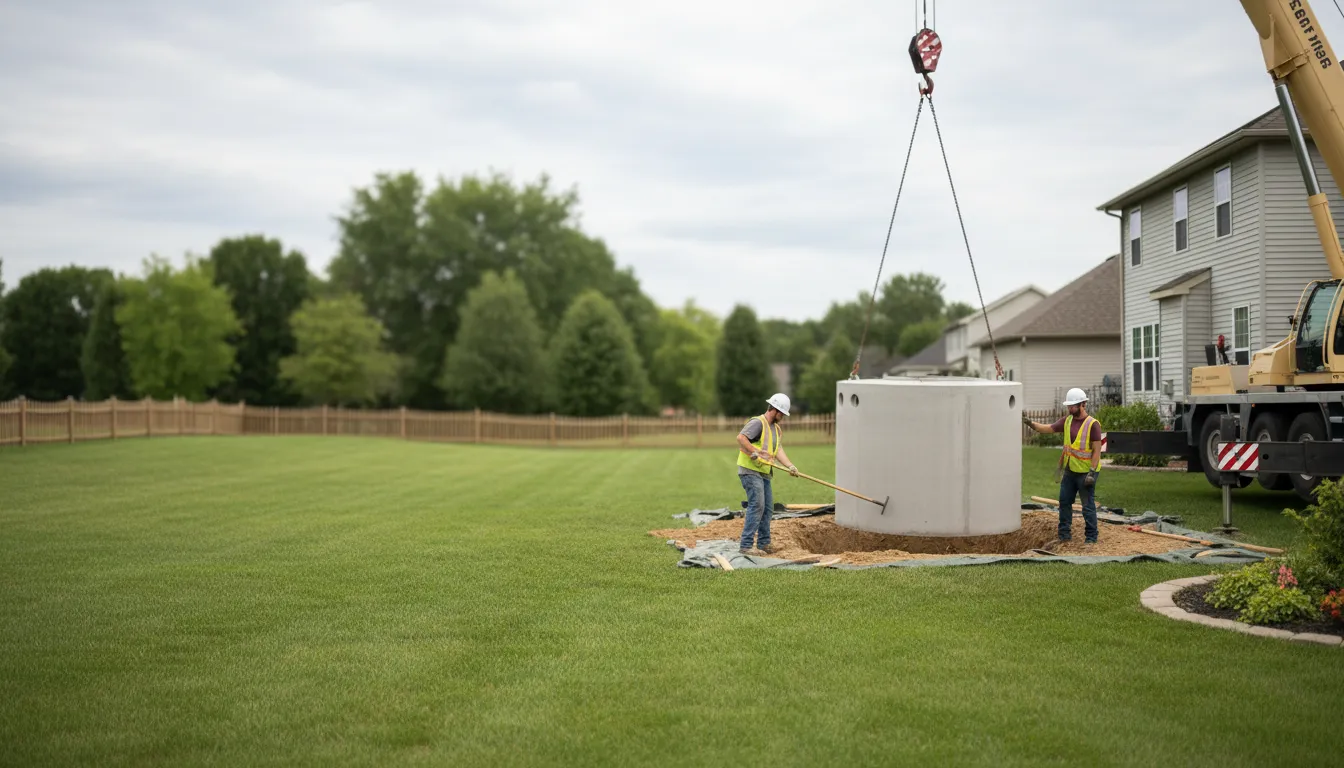
Installing or replacing a septic system is a significant home infrastructure project that ensures the safe and efficient treatment of household wastewater. In Mount Vernon, this process is governed by strict state and county health codes designed to protect public health and the local environment. This guide will help you understand the key steps, requirements, and considerations for septic system work, empowering you to make informed decisions when selecting a local professional for your property.
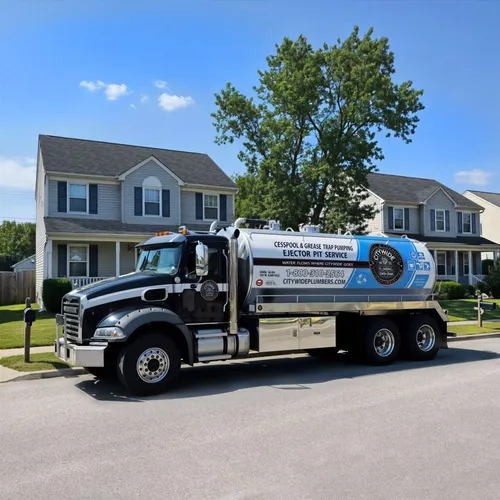
Citywide Grease Trap Maintenance | Cesspool Pumping Service Long Island
110 Voice Rd, Carle Place, NY 11514
Citywide Grease Trap Maintenance | Cesspool Pumping Service Long Island provides septic and cesspool pumping, inspection, repair, and installation services in New York, NY. Serving both residential and commercial clients, they offer comprehensive maintenance and cleaning to prevent system failures. Their skilled technicians use advanced equipment for installations and repairs, including grease trap pumping and sewage ejector pit services. With over 65 years of experience, Citywide operates 24/7 to address emergency needs promptly.
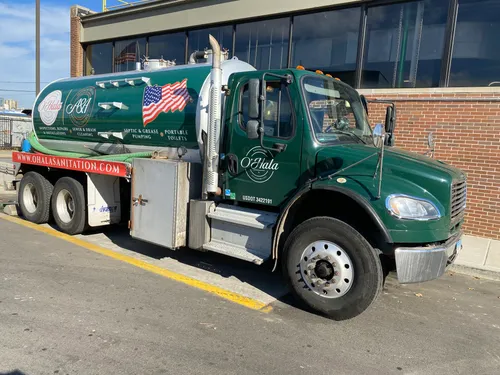
A & A Systems Control Inc
47 Larkin St Unit 5 A, Stamford, CT 06907
A & A Systems Control Inc is a family-owned septic and excavating services company based in Stamford, CT. They provide a full range of septic system services including pumping, inspections, repairs, installations, and drain cleaning for residential and commercial clients. Their expertise extends to excavation, drainage solutions, grease trap cleaning, and percolation testing, serving Stamford and nearby communities such as Greenwich, Darien, and New Canaan. The company offers 24/7 availability and emphasizes routine maintenance plans to minimize emergencies and system backups. With a background in utility construction, A & A Systems Control Inc combines technical knowledge with local service to support well-maintained septic systems.
North Shore Cesspool & Drain Corp
231 Lawrence Ln, Glen Cove, NY 11542
North Shore Cesspool & Drain Corp provides cesspool and septic system services in New York, NY. They offer pumping, cleaning, inspections, repairs, and installations for residential and commercial properties. Their capabilities include hydro jetting and sewer line camera inspections. The company serves Long Island and is available 24/7 for emergency flooding response and backups.
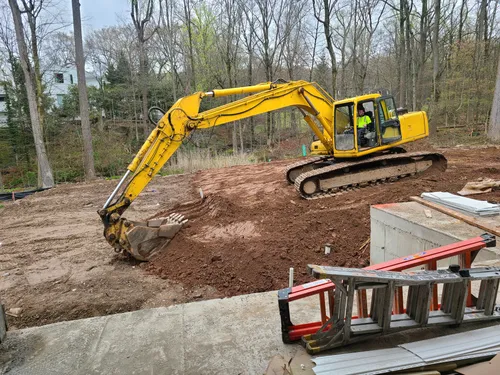
Ken Van Wyk land Improvement
106 Werimus Rd, Woodcliff Lake, NJ 07677
Ken Van Wyk Land Improvement is a septic tank installation contractor based in New York, NY. The company offers a range of excavation services including demolition, residential and commercial excavation, septic system installation, and rock wall installation. With over 40 years of experience, they handle tasks from land clearing to site grading, providing comprehensive site preparation for construction projects.

All Pro Rooter Inc.
New York, NY
All Pro Rooter Inc. is a septic system repair and installation company serving New York, NY, with over 36 years of experience. They provide a range of services including septic tank installation, septic system repair, drain field repair and replacement, land clearing, real estate septic inspections, and general excavation. The company is known for its expertise in septic tank placement and maintenance, and it maintains strong relationships with local health and environmental departments in Westchester County. Their services cover septic tank and drain field maintenance to help ensure proper system function.
Understanding Septic System Basics
A septic system is an on-site wastewater treatment structure, typically consisting of a large tank and a subsurface drain field. When you install a new septic tank or replace an old one, you're investing in a critical component of your property's sanitation. The system works by separating solids from liquids in the tank, allowing clarified effluent to be dispersed into the soil for final treatment. In Mount Vernon, where properties may not be connected to municipal sewer lines, a properly functioning system is essential for environmental compliance and property value.
The Regulatory Landscape in Westchester County
All septic system installation and replacement projects in Mount Vernon must comply with the New York State Health Code (10 NYCRR Part 75) 1. The local enforcing authority is typically the Westchester County Department of Health, which administers specific sanitary codes and permit processes. You cannot begin any excavation or construction without first securing the necessary construction permit 1. This regulatory framework ensures systems are designed and built to handle household waste safely, preventing contamination of groundwater and nearby water bodies.
The Permit Process Explained
Obtaining a permit is your first and most crucial step. The process generally involves:
- Submitting a Detailed Site Plan: This plan, often prepared by a licensed professional engineer or a qualified installer, must show the proposed location of the tank, drain field, and all necessary setbacks from property lines, wells, and buildings.
- Providing Design Specifications: The system design must be tailored to your household's size (based on bedroom count) and your property's specific soil conditions.
- Paying Filing Fees: Permit fees in Mount Vernon are based on the estimated cost of the project. For residential work, you can expect permit-related fees to start around $400 or more 2.
Critical Pre-Installation Steps: Site Evaluation and Soil Testing
Before a single shovel hits the ground, a thorough site evaluation is required. The most critical component of this is the soil percolation test, commonly called a "perc test".
- Purpose: A perc test measures the rate at which water drains through your soil. This rate directly determines the size and design of the absorption field (leach field) needed.
- The Test Pit: Alongside the perc test, a test pit is excavated to determine the depth of the seasonal high water table and to analyze soil composition (e.g., clay, sand, bedrock) 3.
- Why It Matters: These tests are non-negotiable. They identify if your land can support a conventional system or if an alternative, more advanced treatment system is needed. Costs for this comprehensive soil and site testing typically range from $700 to $2,000 4.
The Installation and Replacement Timeline
From permit to completion, a full septic system installation is a multi-stage process that can take several weeks.
- Permitting & Design: After soil testing, final engineering designs are completed and submitted for permit approval.
- Excavation: The area for the tank and drain field is excavated.
- Tank Placement: The septic tank (often concrete, fiberglass, or polyethylene) is set into the ground. For a typical 2-3 bedroom home in Mount Vernon, a 1,000-gallon tank is usually the minimum, but local rules based on bedroom count may require a larger capacity 5.
- Drain Field Construction: Trenches are dug, gravel is laid, and perforated pipes are installed to create the leach field.
- System Inspections: Critical inspections occur at key stages:
- Open Trench Inspection: Before the drain field pipes are covered, a county health inspector must approve the layout, depth, and construction 6.
- Final Inspection: Once the entire system is buried and the landscape is restored, a final inspection is conducted for overall approval 7.
Find the perfect septic tank installation & replacement contractors for your needs
Get personalized recommendations and expert advice
Key Cost Factors for Mount Vernon Homeowners
The total cost of a septic system project is highly variable, depending on your property's characteristics and the system's complexity. Based on regional data, homeowners should be prepared for the following investment ranges 8:
- Permit Fees: Starting at approximately $400+.
- Soil Testing: $700-$2,000 for percolation and site evaluation.
- Full System Installation/Replacement: $3,600 to $12,500 or more. This wide range encompasses the septic tank, drain field, labor, and equipment. Difficult sites with poor soil, high water tables, or limited space will drive costs toward the higher end.
Choosing Between Repair and Full Replacement
Not all system failures require a complete overhaul. A qualified professional can diagnose issues like clogged drain fields, baffle failures, or tank cracks. Sometimes, a repair or a new drain field (while reusing a sound existing tank) can solve the problem at a lower cost. However, if the tank is structurally compromised, outdated, or undersized for your home, a full septic tank replacement is the necessary and legally required course of action.
Working with Licensed Professionals
Given the technical and regulatory complexity, hiring a licensed and insured septic contractor is paramount. In New York, installers must be certified 9. Look for professionals with extensive experience in Westchester County who are familiar with the local health department's inspectors and procedures. They should handle the permit application, soil testing coordination, and guide you through each inspection point.
Maintaining Your New System
Once your new septic system is installed, proper maintenance is key to its longevity-often 20 to 40 years. This includes regular pumping of the tank (typically every 3-5 years), conserving water, and avoiding flushing harmful chemicals or non-biodegradable materials. Protecting your drain field from compaction by vehicles or deep-rooted plants is also essential.
Frequently asked questions
Sources
Footnotes
-
NYS Health Code requires a construction permit to install and/or ... - https://www.facebook.com/clintonhealth/posts/nys-health-code-requires-a-construction-permit-to-install-andor-replace-a-septic/1275656230999367/ ↩ ↩2
-
Permit Applications and Fees | Mount Vernon, NY - https://www.mountvernonny.gov/282/Documents-Forms-Fees ↩
-
Septic Tank Installation Requirements - Angie's List - https://www.angi.com/articles/complete-septic-installation-checklist.htm ↩
-
Septic System Installation Checklist - https://www.mecindustries.com/morse-engineering-and-construction-industries/septic-system-installation-checklist ↩
-
What Size Septic Tank Do I Need - https://www.ntotank.com/blog/what-size-septic-tank-do-i-need ↩
-
Complete Septic System Installation: Process, Permits, And ... - https://www.theseptictankman.com/blog/complete-septic-system-installation-process-permits-and-pitfalls ↩
-
Septic System Install Timeline | RCI Septic Service - https://www.rciseptic.com/complete-step-by-step-timeline-septic-system-installation-from-permit-to-finish ↩
-
How Much Does a Septic System Cost? [2026 Data] | Angi - https://www.angi.com/articles/what-does-it-cost-install-septic-system.htm ↩
-
New York Septic License & Certification | 2024 Contractor Guide - https://www.servicetitan.com/licensing/septic/new-york ↩