Find the Best Septic Tank Installation & Replacement Contractors for Your Business
No obligation • Fast responses • Nationwide coverage

Why you can trust Septic Spot
Septic Spot is a leading United States resource for understanding and comparing septic services. Our editors review providers using consistent criteria and verify key business details. Listings and scores are independent, and companies cannot pay to influence our content.
Search providers near you
Top Septic Tank Installation & Replacement Contractors in White Plains, New York Ranked
Installing or replacing a septic system is a significant home improvement project that ensures the safe and efficient treatment of household wastewater. In White Plains, this process is governed by strict local and county health regulations to protect public health and groundwater quality. This guide explains the critical steps, from permit acquisition to final inspection, and helps you understand how to connect with qualified local professionals for your septic system project.
Citywide Grease Trap Maintenance | Cesspool Pumping Service Long Island
110 Voice Rd, Carle Place, NY 11514
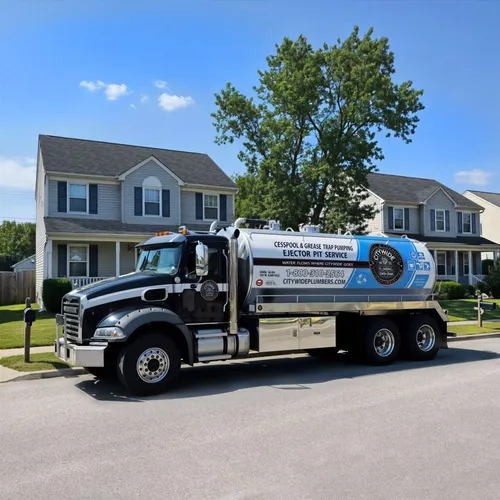
Citywide Grease Trap Maintenance | Cesspool Pumping Service Long Island provides septic and cesspool pumping, inspection, repair, and installation services in New York, NY. Serving both residential and commercial clients, they offer comprehensive maintenance and cleaning to prevent system failures. Their skilled technicians use advanced equipment for installations and repairs, including grease trap pumping and sewage ejector pit services. With over 65 years of experience, Citywide operates 24/7 to address emergency needs promptly.
Barcello & Son Septic Service LLC
334 Wilson Rd, Easton, CT 06612
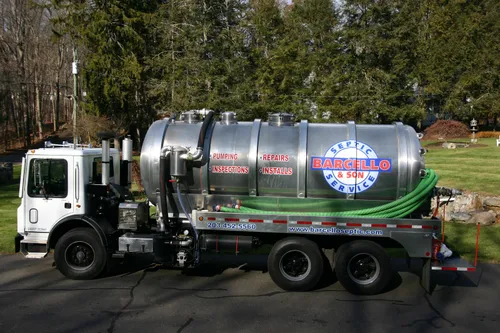
Barcello & Son Septic Service LLC is a family-owned business based in Easton, CT, serving the Bridgeport area with septic tank pumping, inspection, repair, design, and installation services. With over 20 years of experience in Fairfield County, they handle all sizes and types of septic systems using a proprietary 12-step pumping process and the latest equipment. Their expertise covers comprehensive septic system solutions, including real estate appraisal support and system design. The company emphasizes transparent pricing and guarantees their work. Barcello & Son Septic Service LLC is known for clear communication about service timing and procedures, aiming to provide a straightforward and reliable customer experience.
A & A Systems Control Inc
47 Larkin St Unit 5 A, Stamford, CT 06907
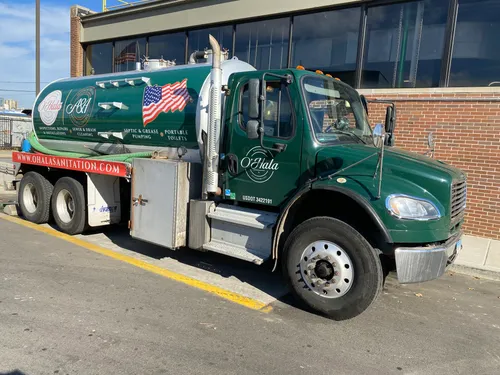
A & A Systems Control Inc is a family-owned septic and excavating services company based in Stamford, CT. They provide a full range of septic system services including pumping, inspections, repairs, installations, and drain cleaning for residential and commercial clients. Their expertise extends to excavation, drainage solutions, grease trap cleaning, and percolation testing, serving Stamford and nearby communities such as Greenwich, Darien, and New Canaan. The company offers 24/7 availability and emphasizes routine maintenance plans to minimize emergencies and system backups. With a background in utility construction, A & A Systems Control Inc combines technical knowledge with local service to support well-maintained septic systems.
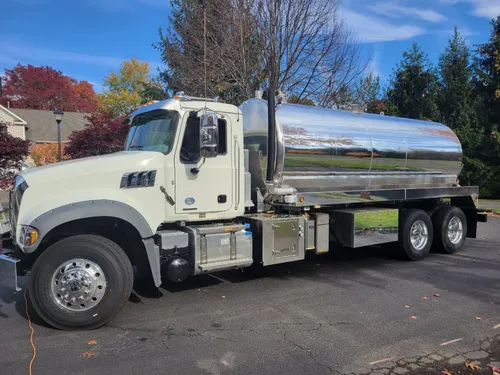
North Shore Cesspool & Drain Corp
231 Lawrence Ln, Glen Cove, NY 11542
North Shore Cesspool & Drain Corp provides cesspool and septic system services in New York, NY. They offer pumping, cleaning, inspections, repairs, and installations for residential and commercial properties. Their capabilities include hydro jetting and sewer line camera inspections. The company serves Long Island and is available 24/7 for emergency flooding response and backups.
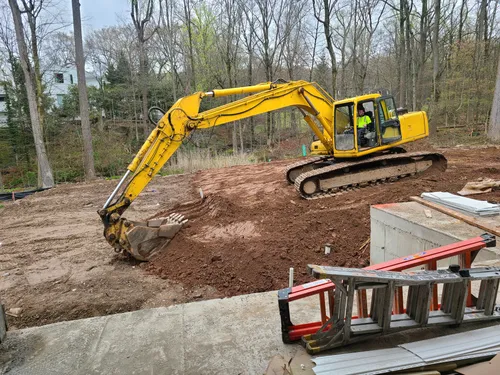
Ken Van Wyk land Improvement
106 Werimus Rd, Woodcliff Lake, NJ 07677
Ken Van Wyk Land Improvement is a septic tank installation contractor based in New York, NY. The company offers a range of excavation services including demolition, residential and commercial excavation, septic system installation, and rock wall installation. With over 40 years of experience, they handle tasks from land clearing to site grading, providing comprehensive site preparation for construction projects.
Understanding Septic System Basics
A septic system is an on-site wastewater treatment structure, typically consisting of a tank and a soil absorption field (often called a drainfield or leach field). The tank separates solids from liquids, allowing partially treated effluent to flow into the drainfield for further purification by the soil. In White Plains, where municipal sewer may not be available in all areas, a properly functioning septic system is essential for property value and environmental safety.
Key Components of a New Installation
- Septic Tank: A watertight container, usually concrete, fiberglass, or polyethylene, that holds wastewater for initial treatment.
- Drainfield: A series of perforated pipes or chambers buried in trenches, where effluent is dispersed and filtered through the soil.
- Distribution Box: Directs the flow of effluent from the tank to the various lines in the drainfield.
- Soil: The most critical component, as it provides the final filtration and treatment of wastewater before it recharges groundwater.
Navigating White Plains and Westchester County Regulations
All septic system installations and replacements in White Plains fall under the jurisdiction of the Westchester County Department of Health. The process is designed to ensure systems are designed and built to protect water quality, adhering to New York State's Appendix 75-A standards 1.
The Permit and Design Process
The first and most crucial step is obtaining approval. You cannot simply hire a contractor to dig a hole. The process is highly regulated:
- Professional Design Required: A New York State-licensed Professional Engineer (P.E.) or a registered architect must design your system. They will conduct a site evaluation, including soil tests, to create plans that meet all regulatory requirements.
- Site Inspection and Percolation Tests: The Health Department may witness percolation tests (or "perc tests"), which measure the soil's absorption rate 2 3. The area designated for the absorption field must be protected from compaction or disturbance; if it is disturbed, new tests may be required, causing delays and added cost.
- Plan Submission and Approval: Your design professional submits the detailed plans to the Westchester County Department of Health for review. If the plans are approved, you receive a permit to construct. It is critical that construction follows the approved plans exactly. If site conditions require changes, revised plans must be submitted and approved before work continues.
- Local Building Permits: In addition to county health permits, you will likely need plumbing and building permits from the City of White Plains, which have their own associated fees.
Critical Installation Rules and Restrictions
Westchester County enforces specific rules to ensure system integrity and public safety:
- Well Separation: Proposed systems must identify all wells within a 200-foot radius to prevent contamination 4.
- Prohibited Connections: Basement sump pumps, roof drains, and footing drains are not allowed to be connected to the septic system, as they can overload it with clear water 5.
- System Sizing: Tanks are typically sized based on the number of bedrooms in a home. A 1,000-gallon tank is a common minimum, often suitable for a 2-3 bedroom home 6.
Find the perfect septic tank installation & replacement contractors for your needs
Get personalized recommendations and expert advice
The Installation and Inspection Phases
Once permits are secured, the physical installation can begin. This is a multi-stage process with mandatory checkpoints.
Excavation and Tank Setting
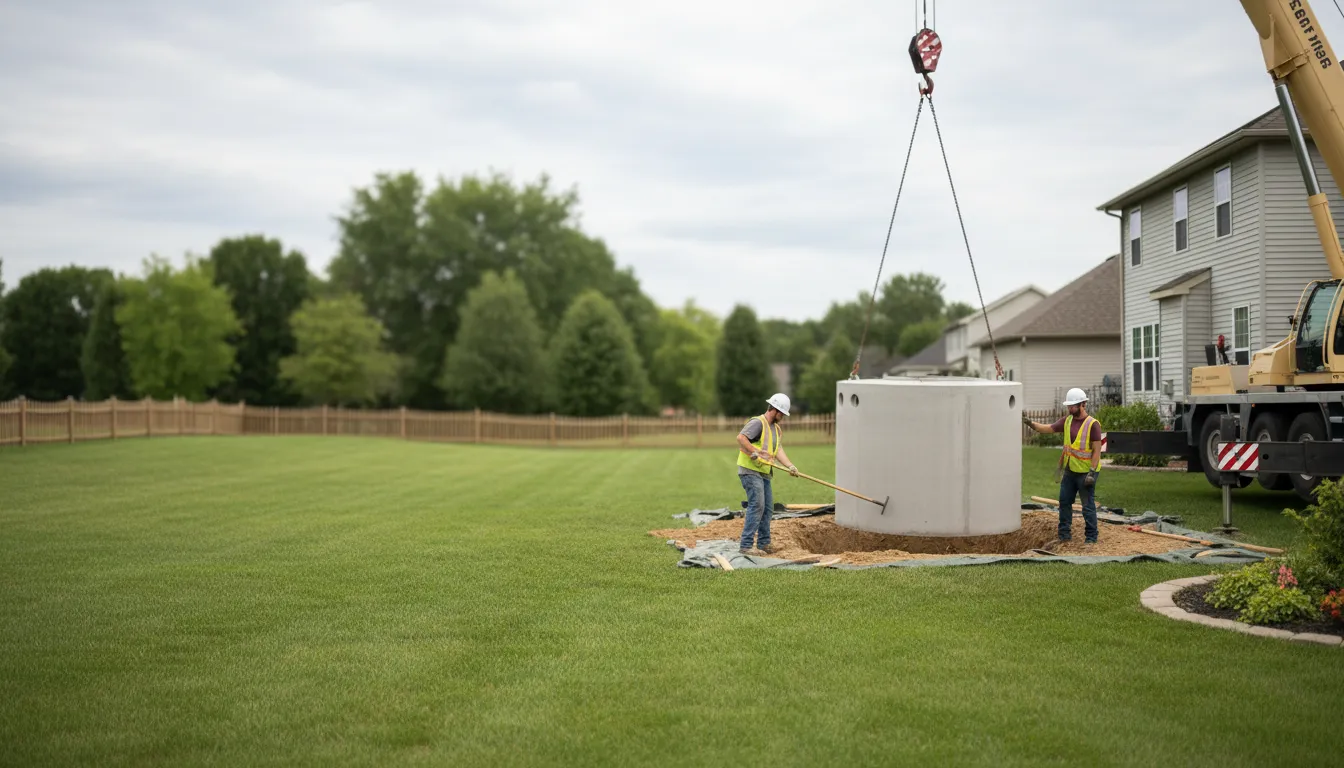
The contractor will excavate the area for the tank and drainfield according to the engineered plans. The tank is carefully lowered into place and leveled. Proper tank placement and depth are critical for gravity flow and long-term access for pumping.
Drainfield Construction
The drainfield is constructed with precise grading and the use of specific materials like washed gravel and distribution pipes. The goal is to ensure even distribution of effluent across the entire absorption area for optimal treatment.
Mandatory Inspections
Do not backfill the system until authorized. The Health Department conducts key inspections:
- Open Work Inspection: Before the tank and drainfield are covered, the design professional (P.E.) must verify that the construction matches the approved plans.
- Final Inspection: A health department inspector may perform a final review before the system is backfilled. If a system is covered without approval, the department can require it to be uncovered for inspection, leading to significant extra expense and delay.
Cost Considerations for Septic System Projects
The total cost for a new septic system installation or a full system replacement in the White Plains area can vary widely based on soil conditions, system size, and site complexity. Research indicates a typical range for a full system is $5,000 to $15,000 7. This generally includes design, permits, excavation, tank, drainfield materials, and labor. Permit fees from the county typically range from $150 to $500, with additional city permit fees possible 7 8.
Factors Influencing Price
- Soil Conditions: Poorly draining soil may require a more elaborate (and expensive) engineered system, like a mound or sand filter system.
- System Size & Tank Material: Larger homes need larger tanks and drainfields. Concrete, fiberglass, and plastic tanks have different price points.
- Site Accessibility: Difficult sites with steep slopes, limited space, or rocky soil require more labor and specialized equipment.
- System Type: A conventional gravity system is usually the most cost-effective. Alternative systems for challenging sites cost more.
Choosing a Qualified Installation Professional
Given the regulatory complexity, choosing the right contractor is paramount. Look for a licensed septic system installer with extensive experience in Westchester County. They should be familiar with the Health Department's inspectors and processes. A reputable professional will:
- Work closely with a licensed design engineer.
- Pull all necessary permits.
- Schedule and coordinate all required inspections.
- Provide clear contracts detailing costs, timelines, and responsibilities.
- Offer warranties on both labor and materials.
Maintaining Your New Septic System
After a successful installation, proper maintenance is key to a long system life. This includes regular pumping of the tank (typically every 3-5 years), conserving water, and avoiding flushing harmful chemicals or non-biodegradable materials. Protecting the drainfield from heavy vehicles and managing root intrusion from trees and shrubs are also essential.
Frequently asked questions
Sources
Footnotes
-
Septic Systems - New York State Department of Health - https://www.health.ny.gov/environmental/water/drinking/septic_systems.htm ↩
-
Rules and Regulations for Design construct residential ... - https://health.westchestercountyny.gov/images/stories/realty/Forms/rulesregsdesignconstructresidentialowtswells22.pdf ↩
-
SUBMISSION GUIDE - Monroe County - https://www.monroecounty.gov/files/health/eh/OnsiteSewage/2016%20MCDPH%20Plan%20Review%20Submission%20Guide.pdf ↩
-
Expert Hudson Valley Septic Tank Installation - HV Ground Solutions - https://hvgroundsolutions.com/services/expert-hudson-valley-septic-tank-installation/ ↩
-
NY State Septic Repair and Replacement Program Outline | - https://truesdalelake.com/2021/04/ny-state-septic-repair-and-replacement-program-outline/ ↩
-
What Size Septic Tank Do I Need - https://www.ntotank.com/blog/what-size-septic-tank-do-i-need ↩
-
Understanding Septic Tank Permits and Regulations - https://westcoastsanitationinc.com/understanding-septic-tank-permits-and-regulations/ ↩ ↩2
-
CITY OF WHITE PLAINS - https://cityofwhiteplains.com/DocumentCenter/View/113/Building-Brochure?bidId= ↩