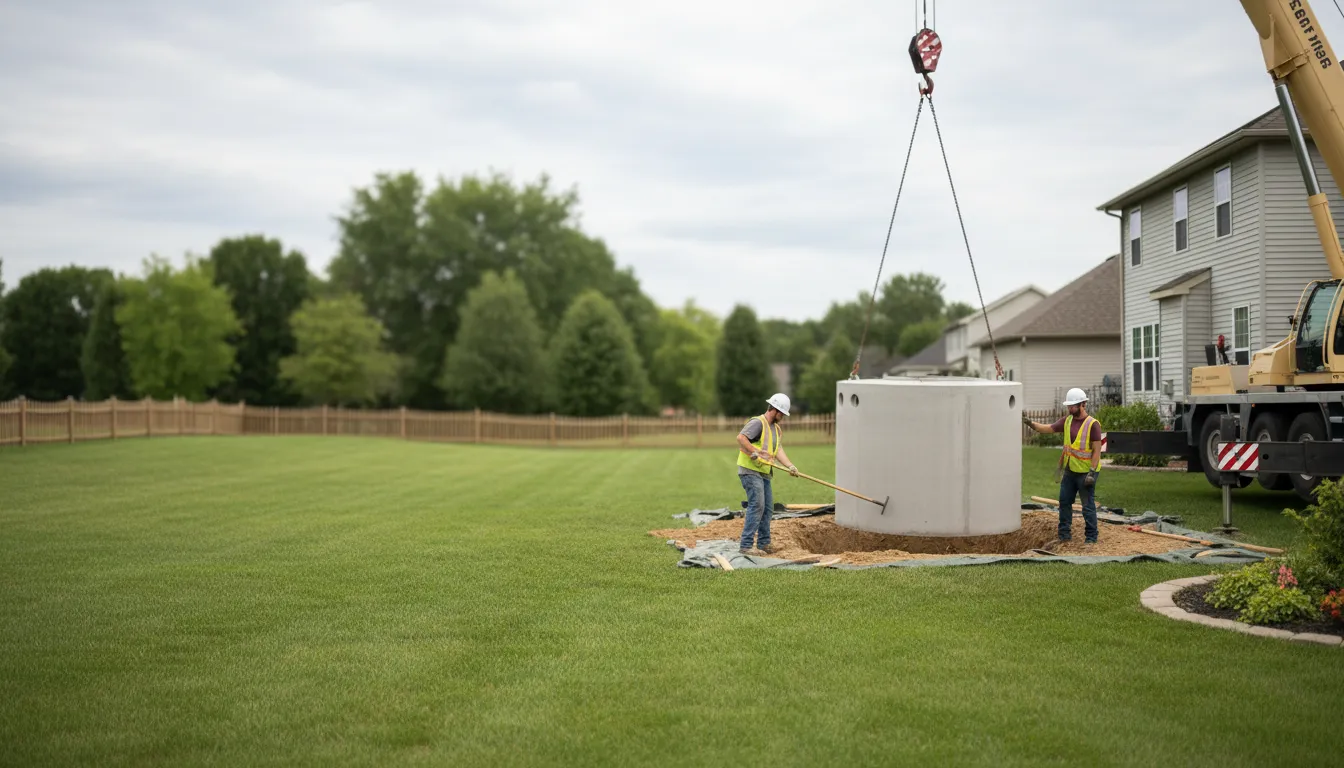
Find the Best Septic Tank Installation & Replacement Contractors for Your Business
No obligation • Fast responses • Nationwide coverage

Why you can trust Septic Spot
Septic Spot is a leading United States resource for understanding and comparing septic services. Our editors review providers using consistent criteria and verify key business details. Listings and scores are independent, and companies cannot pay to influence our content.
Search providers near you
Top Septic Tank Installation & Replacement Contractors in North Charleston, South Carolina Ranked
Installing or replacing a septic system is a significant investment in your property's long-term health and value. For homes in North Charleston not connected to the public sewer, a properly designed and permitted septic system is essential for safely managing household wastewater. This guide explains the local process, regulations, and costs, helping you navigate the journey from site evaluation to final inspection with confidence.
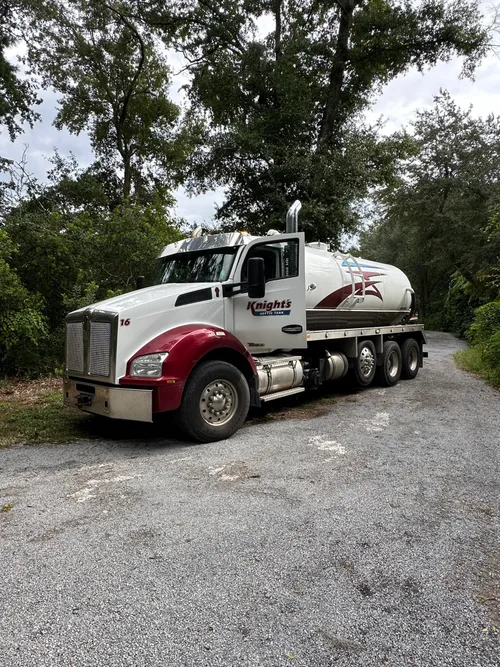
Knights Septic Tank Services
288 Hodge Rd, Summerville, SC 29483
Knights Septic Tank Services has been serving Charleston, SC, and the surrounding Lowcountry area since 1969. The company offers a full range of septic services including pumping, inspection, installation, and repair for both residential and commercial clients. They also manufacture precast concrete septic tanks and grease traps through their specialized divisions. Their licensed engineers and technicians bring over 30 years of combined experience to each project. Knights Septic Tank Services operates pump trucks seven days a week by appointment to accommodate customer needs.
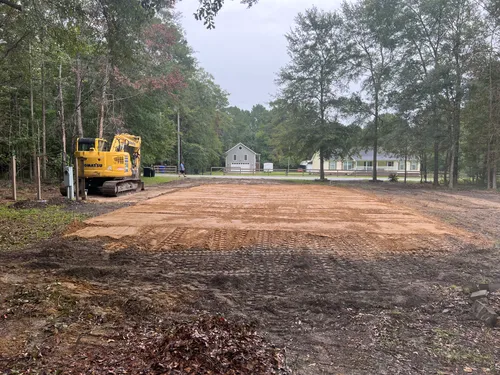
Palmetto Site Solutions, LLC
Charleston, SC
Palmetto Site Solutions, LLC is a family-owned septic company serving Charleston, SC, and nearby areas including Summerville and Moncks Corner. They provide a full range of septic system services such as engineered design, installation, inspection, and repairs. With over 10 years of experience, the company is licensed, insured, and certified by the South Carolina Department of Environmental Services (SCDES). They specialize in Tier 3 septic systems and manage projects from initial design through final inspection.
A-1 Septic Tank Service
1717 Pineview Rd, Charleston, SC 29407
A-1 Septic Tank Service provides septic tank pumping, installation, and repair services in Charleston, SC. The company offers tailored septic solutions with a focus on professional installation and maintenance. With years of experience, A-1 Septic Tank Service is equipped to handle various septic system needs to support residential and commercial properties.
Understanding the Regulatory Landscape in South Carolina
In South Carolina, all septic system work is regulated by the South Carolina Department of Environmental Services (SCDES, formerly DHEC). This state-level oversight ensures that installations protect public health and the environment, particularly in areas like the Lowcountry with its specific soil and water table conditions. You cannot begin any construction on a new home or install a replacement system without first obtaining the proper permit from SCDES. The process is designed to verify that your property can safely handle an onsite wastewater system.
The First Step: The Permit to Construct
Before a single shovel hits the ground, you must secure a Permit to Construct from SCDES. This permit is mandatory for building a new home or installing a new system on any property not served by public sewer 1.
How to Apply:
- Submit an Application: You or your installer will need to file an Onsite Wastewater System Application (Form D-1740). This is typically done online through the SCDES ePermitting portal.
- Pay the Fee: A non-refundable application fee of $150 is required.
- Provide Documentation: You must include a copy of your property plat or deed with the application.
This permit application triggers the most critical part of the process: the official site evaluation.
The Site Evaluation: More Than a "Perc Test"
Many people refer to a "perc test," but in South Carolina, SCDES conducts a comprehensive soil evaluation. This detailed assessment determines if your land is suitable for a septic drain field. A licensed inspector will visit your property to examine:
- Soil Composition and Texture: The soil's ability to absorb and filter wastewater.
- Depth to Seasonal High-Water Table: Crucial in North Charleston's flat, often wet terrain to prevent groundwater contamination.
- Site Topography: The slope and layout of the land.
- Required Setbacks: The distance needed from property lines, wells, streams, and other water bodies2.
The findings from this evaluation dictate the type and size of the system you can install. Not all lots will pass, making this the first major hurdle in the installation process.
Choosing a Licensed Septic System Installer
South Carolina law requires that only state-licensed installers can perform septic tank installation and replacement work 3. Installers are classified into tiers (Tier 1, 2, or 3) based on their training and the complexity of systems they are authorized to install 3. Always verify a contractor's SCDES license before signing a contract. A professional installer will:
- Help navigate the permit application.
- Design a system that meets SCDES specifications for your property.
- Schedule and coordinate the required inspections.
- Ensure all work complies with state code.
Find the perfect septic tank installation & replacement contractors for your needs
Get personalized recommendations and expert advice
The Installation Process and Inspections
Once you have your Permit to Construct and have hired a licensed installer, the physical work can begin. The installation process is closely monitored by SCDES through a series of mandatory inspections.
- Pre-Installation Notification: Your installer must notify the local SCDES office at least one business day before the installation is scheduled to begin.
- Installation/Final Inspection: This is the most important inspection. Before the system is covered with soil, a SCDES inspector must visit the site to examine the installation. They will check the tank size, placement, trench depth and length, and ensure everything matches the approved permit plans.
- Final Approval: After the installation passes inspection, SCDES will issue the final construction/operation permit, giving you official approval to use the system4.
Understanding Costs for Septic Tank Installation
The cost of a new septic system in North Charleston can vary widely based on your property's conditions and system requirements.
- Standard System Installation: For a conventional system on a suitable lot, costs typically range from $3,000 to $5,000.
- Complex or Engineered Systems: If your site has poor soil, a high water table, or space constraints, you may need an advanced treatment system. These can cost $15,000 or more 5.
- Permit and Fees: Budget for the $150 SCDES application fee, plus any local county fees. Your installer will also have licensing fees, often between $100-$200, which may be included in your total quote6 7.
- Site Preparation: Costs for clearing trees, grading, or other land preparation are separate and depend on your lot's current state.
Planning for the Future: The Repair Area
A key part of your SCDES permit will be the designation of a repair area. This is a section of your property that must be kept clear and preserved for potential future system repairs or expansions. It cannot be built upon, paved over, or driven on. Understanding and maintaining this area is a critical long-term responsibility for any septic system owner.
When Replacement is Necessary
Septic systems don't last forever. Signs you may need a septic tank replacement include persistent backups, soggy ground over the drain field, foul odors, or a system that is simply beyond repair. The replacement process follows the same SCDES permitting and inspection path as a new installation. A site evaluation may be required again, especially if the existing system has failed due to soil saturation or other environmental factors.
Frequently asked questions
Sources
Footnotes
-
Septic Tanks - Residential, Single Home Builder | South Carolina Department of Environmental Services - https://des.sc.gov/permits-regulations/septic-tanks/permits-licenses/septic-tanks-residential-single-home-builder ↩
-
What is a PERC Test and Should You Get One in SC? - https://wecorooter.com/what-is-a-perc-test-and-should-you-get-one-in-sc/ ↩
-
Become Licensed Septic Installer in South Carolina - https://www.owpnc.com/south-carolina ↩ ↩2
-
Site Inspections | South Carolina Department of Environmental Services - https://des.sc.gov/permits-regulations/septic-tanks/homeowner-resources/site-inspections ↩
-
Frequently Asked Questions - Collins Septic Tank Service Inc - https://www.collinssepticsc.com/faqs ↩
-
Be Septic Safe: How to Apply for a South Carolina Septic Permit - https://hgic.clemson.edu/factsheet/be-septic-safe-how-to-apply-for-a-south-carolina-septic-permit/ ↩
-
Septic Tanks - Licensing for OSWW System Professionals - https://des.sc.gov/permits-regulations/septic-tanks/permits-licenses/septic-tanks-licensing-osww-system-professionals ↩