Find the Best Septic Tank Installation & Replacement Contractors for Your Business
No obligation • Fast responses • Nationwide coverage

Why you can trust Septic Spot
Septic Spot is a leading United States resource for understanding and comparing septic services. Our editors review providers using consistent criteria and verify key business details. Listings and scores are independent, and companies cannot pay to influence our content.
Search providers near you
Top Septic Tank Installation & Replacement Contractors in Bellevue, Washington Ranked
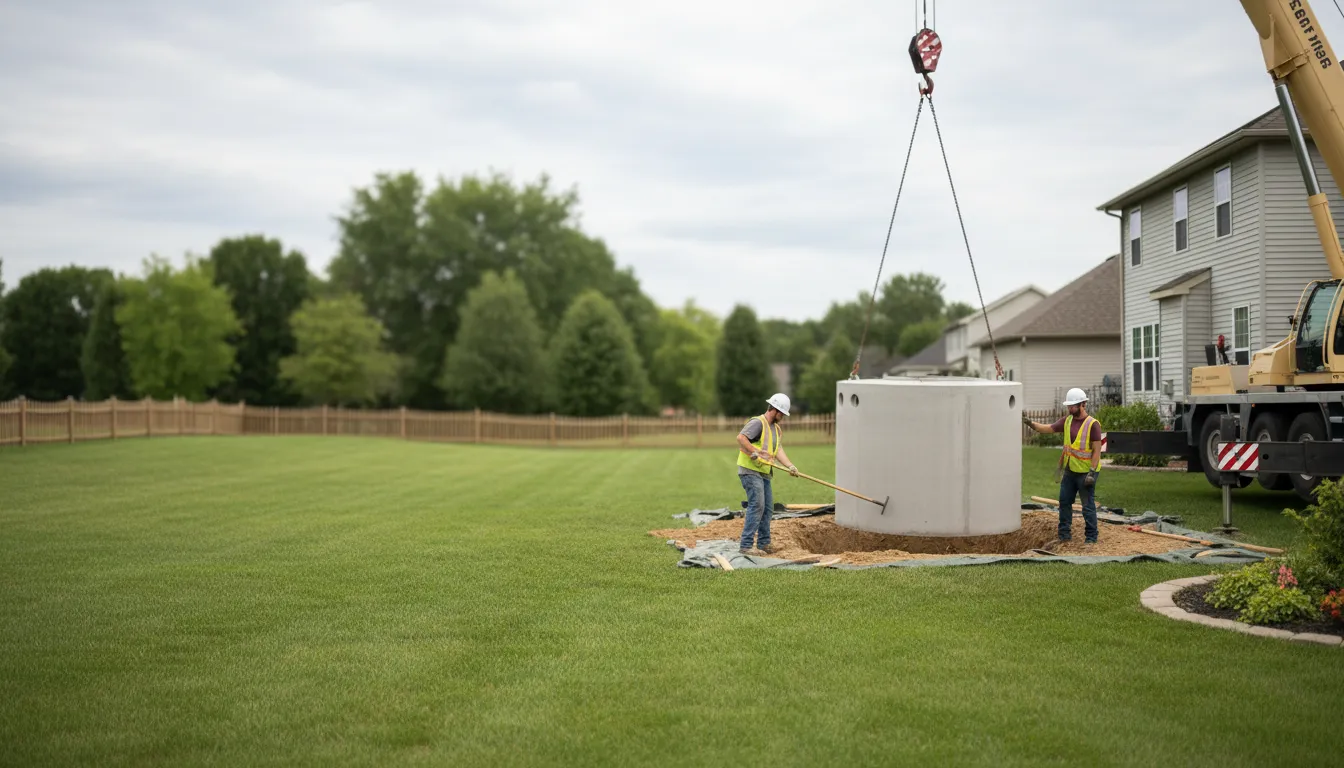
Installing or replacing a septic system is a significant home improvement project that ensures the safe and efficient treatment of household wastewater. In Bellevue, this process is governed by specific state and local regulations designed to protect public health and the local environment. This guide provides a detailed overview of the steps, costs, and requirements for septic system installation and replacement in the area, helping you understand what to expect and how to connect with qualified local professionals for your project.
SSB Septic Services
Kent, WA
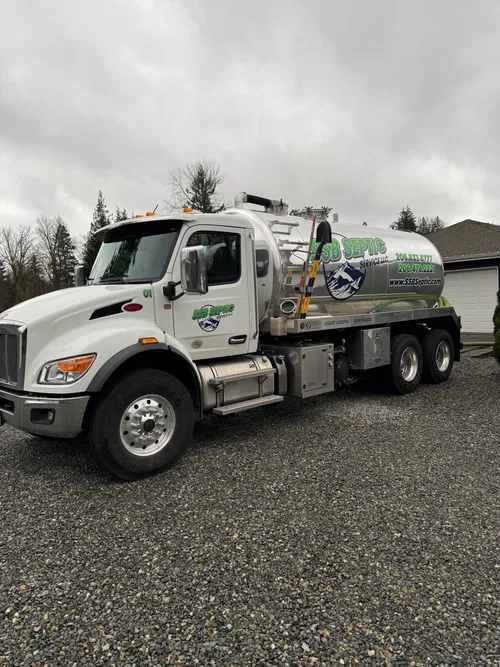
SSB Septic Services is a family-owned company serving Kent, WA, and the surrounding areas. They provide a range of septic services including tank pumping, system repair, and installation. With over a decade of experience, they focus on eco-friendly solutions and long-term customer satisfaction. The company offers 24/7 emergency response to handle urgent septic system issues promptly. Their expertise includes environmental compliance and sustainable septic system practices.
Lilly's Septic Service
26207 Maple Valley Black Diamond Rd SE Ste D1, Maple Valley, WA 98038
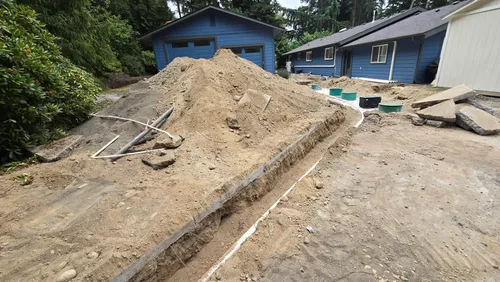
Lilly's Septic Service is a septic tank pumping, inspection, repair, and installation company based in Kent, WA. Serving King County and the Puget Sound region, they offer comprehensive septic system services including certified installations and thorough inspections. With over 48 years of experience, Lilly's Septic Service provides expertise in maintaining safe and efficient septic systems for both homes and businesses.
Septic Response
672 7th Ave, Kirkland, WA 98033
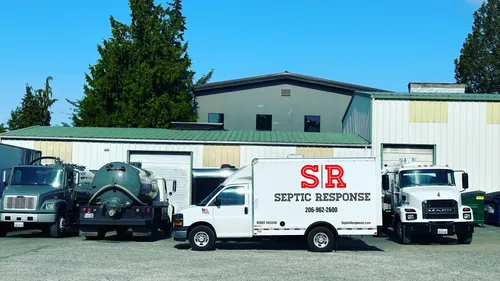
Septic Response is a septic tank service provider based in Seattle, WA, offering a wide range of services including septic tank pumping, inspection, repair, installation, and drain field replacement. They serve King County, Snohomish County, and Pierce County with expertise in maintaining both traditional and advanced septic systems. Their capabilities include inlet pipe cleaning using jetting technology and comprehensive septic system maintenance tailored to local soil and environmental conditions. The company emphasizes preventative maintenance and environmental compliance to extend system lifespan. Septic Response operates 24/7 to support urgent septic needs.
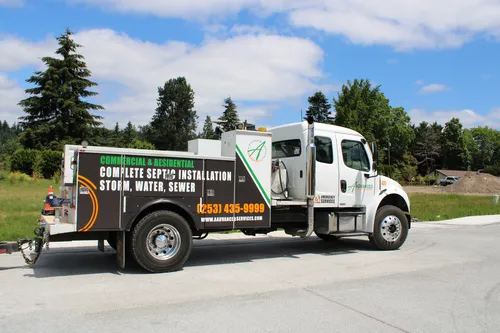
A Advanced Septic & Construction Services
1602 W Valley Hwy S, Auburn, WA 98001
A Advanced Septic & Construction Services is a family-owned business serving Tacoma, WA, and surrounding areas including Auburn, Puyallup, Bonney Lake, and Sumner. Established in 2006, they offer comprehensive septic services such as septic tank pumping, inspection, repair, installation, and drain field restoration. Their team also provides electrical and construction services related to septic systems. Known for handling emergency situations, they offer 24-hour emergency response to address urgent septic needs. The company combines modern equipment with experienced technicians to maintain and repair septic systems efficiently.

Upfront Septic & Plumbing
2367 Tacoma Ave S Suite 201, Tacoma, WA 98402
Upfront Septic & Plumbing is a septic service provider located in Tacoma, WA, serving King and Pierce County. They offer septic tank pumping, inspection, repair, and installation services for various septic systems including aerobic and anaerobic tanks made of concrete, metal, fiberglass, or plastic. The company also handles drain field repairs and provides emergency septic services available 24/7. Founded by a local resident, Upfront Septic & Plumbing emphasizes transparent pricing and straightforward service to address septic system needs efficiently.
Understanding Septic System Basics
A septic system is an onsite wastewater treatment structure, typically used in areas without centralized sewer service. It consists of a septic tank and a soil absorption field, often called a drainfield or leach field. The tank separates solids from liquids, allowing partially treated effluent to flow into the drainfield, where the soil provides final treatment. Proper septic system installation is critical for long-term functionality and environmental safety, preventing groundwater contamination and system failure.
Nebraska and Bellevue Regulatory Overview
All septic tank installations in Nebraska, including Bellevue, fall under Nebraska Title 124 regulations, overseen by the Nebraska Department of Environment and Energy (NDEE) 1. This means you cannot simply hire any contractor; the work must be designed and performed by a state-certified professional. The process begins with registration and permitting. Before any digging starts, your project must be registered with the NDEE. The standard construction permit fee for this registration is $140. It's crucial to complete this registration promptly, as late submissions incur significant penalties: a $150 late fee for registrations filed 46-90 days after system completion, and a $450 fee for those over 90 days late.
The Critical First Step: Soil Evaluation and Percolation Testing
The most important factor determining your system's design and feasibility is your property's soil. A licensed professional must conduct a mandatory soil percolation test, commonly called a "perc test" 2. This test measures how quickly water drains through the soil, which dictates the size and type of drainfield installation required. Nebraska regulations also require that there be at least 4 feet of separation between the bottom of the drainfield trenches and the seasonal high groundwater table 2 3. This evaluation ensures the soil can adequately treat wastewater and prevents system flooding.
System Design and Siting Requirements
Once soil data is collected, a certified designer creates a system plan. This plan must adhere to strict setback distances from water sources to prevent contamination. In Nebraska, septic tanks and drainfields must be located at least 100 feet from private wells or surface water and a full 1,000 feet from community water supply wells 4. These setbacks are non-negotiable and can significantly influence where on your lot a new wastewater treatment system can be placed. Your installer will help navigate these siting requirements during the planning phase.
Installation Process and Professional Requirements
The physical installation of a septic tank is a precise operation. Only a certified professional, master installer, or licensed engineer is authorized to inspect, install, or repair a septic system in Nebraska 5 6. This certification ensures the installer understands state codes and proper techniques. Key installation details include ensuring the tank is level and properly bedded, and that it includes required inspection pipes. Tanks must have inspection pipes (at least 6 inches in diameter) securely installed over both the inlet and outlet for future monitoring and maintenance access 6.
Find the perfect septic tank installation & replacement contractors for your needs
Get personalized recommendations and expert advice
Cost Breakdown for Septic System Installation
The total cost for a complete septic system replacement or new installation in the Bellevue area generally ranges from $5,000 to $15,000 or more, depending on system size, soil conditions, and site complexity. This total encompasses several components:
- Tank Cost: A standard 1,000-gallon concrete septic tank often costs between $500 and $900. Additional capacity typically adds $50 to $150 per 100 gallons 7.
- Professional Fees: This includes the cost for the certified installer or master installer. The state certification and licensing requirements for these professionals contribute to project costs, with associated fees around $300 8.
- Permit Fees: The mandatory NDEE registration permit fee is $140 9.
- Site Work: Excavation, drainfield construction, piping, and backfill are major cost factors, especially if difficult soil or terrain is encountered.
When is Replacement Necessary?
Understanding when to plan for a septic tank replacement can prevent emergencies and property damage. Common signs include:
- Frequent backups or slow drains throughout the home.
- Soggy ground or standing water over the drainfield, especially with foul odors.
- Sewage surfacing in the yard.
- An aging system (most systems have a lifespan of 20-40 years).
- Failed inspection during a property sale. If you notice any of these issues, contacting a certified professional for an evaluation is the next critical step. A full system replacement follows the same rigorous permitting and installation process as a new installation.
Maintaining Your New System
After your new onsite wastewater system is installed, proper maintenance is key to protecting your investment. This includes having the tank pumped regularly by a licensed pumper (typically every 3-5 years), conserving water to avoid overloading the system, and avoiding flushing harmful chemicals or non-biodegradable materials. Keeping detailed records of inspections, pumping, and the original system design is also highly recommended for future reference and if you decide to sell your property.
Frequently asked questions
Sources
Footnotes
-
All About DWEE: Onsite Septic Systems - https://dee.nebraska.gov/news-events/press-releases/all-about-dwee-onsite-septic-systems ↩
-
Conducting a Soil Percolation Test - https://extensionpubs.unl.edu/publication/g1472/2011/html/view ↩ ↩2
-
Septic Systems | hentontrenchinginc - https://www.hentontrenchinginc.com/septic-systems ↩
-
Just for Homeowners | DWEE NE - https://dee.nebraska.gov/water/surface-water/wastewater/just-homeowners ↩
-
Septic Systems | UNL Water | Nebraska - https://water.unl.edu/sewage/septic-systems/ ↩
-
Septic and Holding Tanks Fact Sheet A septic tank or holding ... - https://dee.nebraska.gov/sites/default/files/publications/12-036%20Septic%20and%20Holding%20Tank%20Fact%20Sheet.pdf ↩ ↩2
-
Residential Septic Tank Pricing | Homeowner's Guide to Costs - https://www.ntotank.com/blog/residential-septic-tank-pricing ↩
-
Nebraska Septic License & Certification | 2024 Contractor Guide - https://www.servicetitan.com/licensing/septic/nebraska ↩
-
Onsite Wastewater Fees, Certifications, & Permits | DWEE NE - https://dee.nebraska.gov/water-quality/wastewater/onsite-wastewater-program/professional-certification/onsite-wastewater-fees-certifications-permits ↩